The Best Posture Correctors and Back Braces
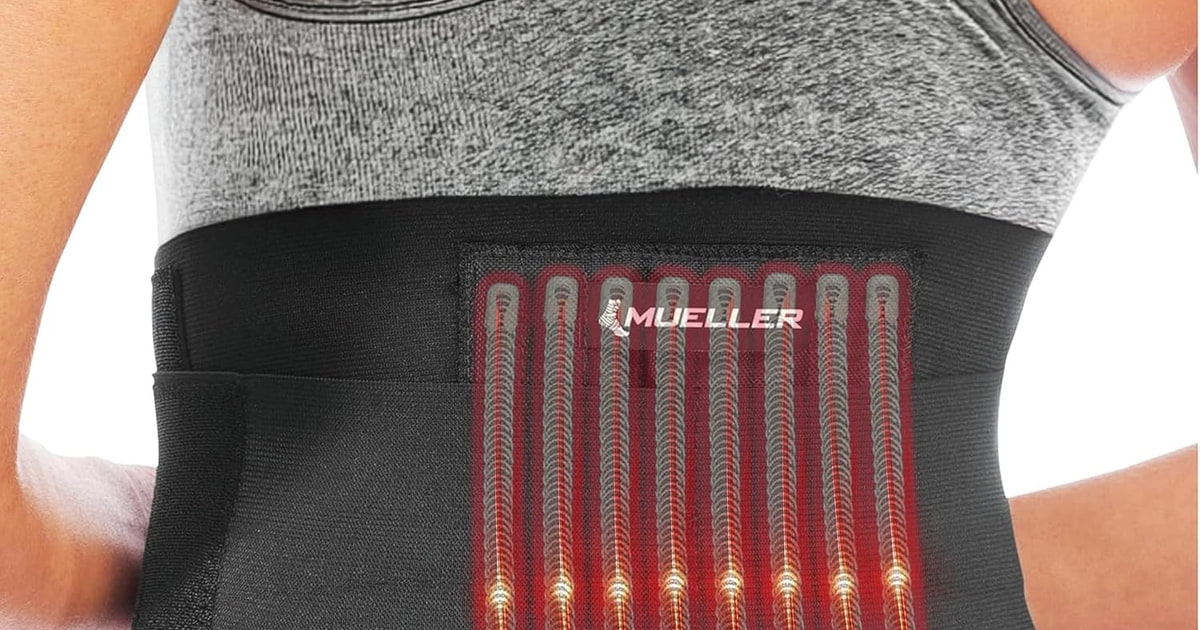
Your back usually starts complaining at the worst time — hour six at a desk, the third trip up the stairs with boxes, the long drive home. A brace isn't a cure, but it can take the edge off. The good ones add a little compression, remind your body where neutral is, and then disappear under a shirt. The bad ones ride up, pinch your armpits, or turn into a sweaty band you yank off by lunch. Fit, adjustability, and breathability decide which kind you end up with.
Here's the honest part: the evidence that braces prevent or cure back pain is thin. A Cochrane review of lumbar supports found moderate evidence that they work no better than doing nothing or getting training when the goal is preventing back pain, and the evidence for treating pain is conflicting. So think of a brace as a short-term crutch, not a fix. It buys you comfortable hours while you walk more, strengthen your middle, and change how you sit. Worn constantly, it can also let the muscles you actually need get lazy.
Low back pain is the leading cause of disability worldwide, which is why this aisle is so crowded and so loud. Most listings promise posture correction, pain relief, and lifting support all at once, and almost none of them do all three. So shop for your one main problem, measure your waist before you order, and skip the brace if you have numbness, weakness, or pain that won't quit — that's a clinician's job. We think that the Mueller Adjustable Lumbar Back Brace is the best back brace for most people, and that the Aspen Quikdraw PRO is the one to buy if you need firmer, more targeted support for lifting.
Everything we recommend
Firm, adjustable lumbar support you can wear through a long day

Serious inelastic support with a pulley you can crank one-handed

Thin and flexible enough that you'll forget you have it on

A breathable knit support that hides under a dress shirt
Prices as of Oct 27, 8:28 AM PT · Details
At a glance
| Product | Support style | Listed size | Price | |
|---|---|---|---|---|
 | Upright GO 2 PremiumAlso consider | Posture trainer | — | $89.95 |
| Bauerfeind LumboTrain Back Support - Lumbar BraceUpgrade pick | — | Size 3 | $199.90 |
| ASPEN Medical Products Quikdraw PRO Back BraceRunner-up | — | Medium | $94.17 |
 | ComfyMed® Posture Corrector Clavicle Support Brace CM-PB16Also in lineup | — | 29–40 in chest | $18.95 |
| Copper Fit Advanced Back Pro Back SupportBudget pick | — | 28–39 in waist | Check price |
| MUELLER Sports Medicine Adjustable Lumbar Back BraceTop pick | Lumbar brace, 4 springs | 22–30 in waist | $28.17On sale |
Prices as of Oct 27, 8:28 AM PT · Details
How we picked
Intended use. We sorted every brace by the job it's built for — posture training, pain relief, or lifting support — because a product that's great at one is usually mediocre at the others. Anything that claimed all three got a closer look at its specs.
Fit and sizing. We favored braces with measurement-based sizing charts and a wide adjustment range, since published reviews and owner feedback both point to fit as the thing that decides whether a brace helps. Vague small-medium-large sizing was a mark against.
Breathability and comfort. Breathable knit or mesh beat thick neoprene, because the most common reason people abandon a brace is heat and itching. We looked for skin-friendly fabric and washability in the spec sheets.
Discreetness. A brace you're embarrassed to wear at work doesn't get worn. We gave credit to low-profile designs that layer under clothing without a visible outline.
Honest expectations. We weighed each product against published research on lumbar supports, which suggests braces help as short-term support rather than a cure. Anything marketed as fixing posture permanently got discounted accordingly.
Top pickOn sale
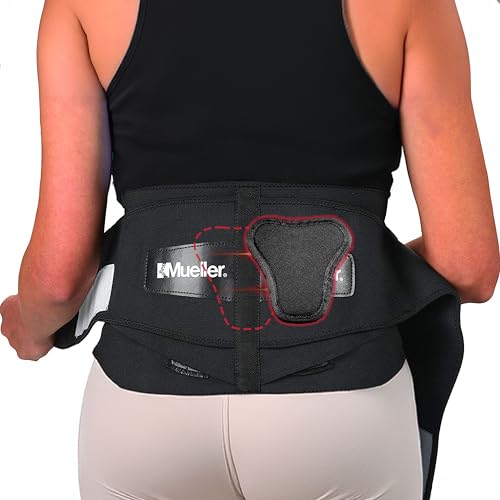
Firm, adjustable lumbar support you can wear through a long day
MUELLER Sports Medicine Adjustable Lumbar Back Brace
This is the brace to reach for when your lower back aches after yard work, a long drive, or a shift on your feet. Four steel springs give it real stiffness along the spine, the mesh breathes better than neoprene, and the lumbar pad pops out if it digs in.
$28.17fromAmazonTypical pricePrices as of Oct 27, 8:28 AM PT · Details
The four steel springs are what separate this from a stretchy belt. They sit along your spine and resist the slow forward slump that creeps in while you shovel, lift, or sit. You can still bend and twist. You just feel the limit before your back finds it the hard way. Owners who move furniture or drive for hours keep pointing to that stiffness as the reason they stuck with it.
Sizing runs by waist measurement, not pant size, and the range is generous — the small covers 22 to 30 inches, the regular stretches from 28 to 50. Measure the widest part of your waist and order to that number. The wraparound straps let you re-tighten whenever you want, so a brace that felt right in the morning can be loosened after lunch without taking it off.
The mesh matters more than you'd think. Neoprene braces turn into a personal sauna by the second hour, and that's usually why they end up in a drawer. This one breathes and the fabric is treated for odor, which is the difference between a brace you wear through a warm afternoon in the garage and one you peel off before noon.
The removable lumbar pad fixes a complaint almost every brace earns. Some people want a firm lump pressing into the curve of the low back; others find it maddening within an hour. Here you get to choose, which is rare. Owners also single it out for driving, where that pad fills the gap a car seat leaves and keeps a two-hour trip from ending badly.
Flaws but not dealbreakers
It isn't a stealth brace. The bulk and the wide velcro panel show through a fitted shirt, and the straps can bunch up if you have a short torso. If staying invisible is your top priority, the Copper Fit or the Bauerfeind will serve you better.
Some owners with a deep lumbar curve say it still lets them bend further than they'd like, and that's fair — this is firm, not rigid. If you need something that genuinely blocks motion after an injury, this isn't it, and the Aspen is the better answer.
Runner-up
Serious inelastic support with a pulley you can crank one-handed
ASPEN Medical Products Quikdraw PRO Back Brace
Aspen's brace doesn't stretch, so the compression you set is the compression you keep. Pull the two handles and it tightens evenly across your low back, with separate control over the upper and lower halves. It's the pick for a bad week or a job that involves lifting.
$94.17fromAmazonPrices as of Oct 27, 8:28 AM PT · Details
Aspen's pitch is simple: inelastic fabric doesn't give, so the support you dial in stays dialed in. The company points to clinical research behind its brace designs and to long use in trauma, pain management, and rehab settings. Elastic belts, by contrast, loosen a little every hour until you're just wearing a snug accessory and wondering why your back still hurts.
The pulley is the feature worth paying extra for. You pull two handles forward and the brace tightens evenly behind you — no reaching around to wrestle with velcro, no asking someone for help. Better still, the upper and lower halves tighten separately, so the pressure lands where it actually hurts instead of squeezing your whole middle into submission.
That control is also why this suits a rough stretch more than a permanent habit. Crank it down for the hours you're on your feet or loading the truck, then back it off when you sit. Owner feedback skews toward people working through a strain or a flare-up, and they tend to compare it favorably with the thin neoprene belts they bought first.
It's less bulky than the rigid plastic shells a clinic hands out, and the fabric breathes better than neoprene. But this still looks like a medical device. Nobody will mistake it for shapewear, and you won't forget you have it on. Some of that's the point — the reminder keeps you from doing the one twist that sets you back.
Flaws but not dealbreakers
Sizing is the trap. Aspen says plainly not to use your pant or belt size, and if your midsection is bigger than your hips, you need to measure the midsection. Order wrong and the overlapping design either gaps open or doubles up awkwardly, which is the complaint you'll see most often.
It's also the most clinical-feeling brace we're recommending, and that cuts both ways. Under a t-shirt it reads as injured. For a desk worker who just wants to sit straighter, this is far more brace than the job calls for.
Budget pick
Thin and flexible enough that you'll forget you have it on
Copper Fit Advanced Back Pro Back Support
If your back grumbles on long days but isn't in real trouble, this low-profile belt is the easy choice. Four built-in supports and a two-stage pull give you decent compression, and the thin fabric vanishes under a loose shirt instead of announcing itself.
Check priceatAmazonPrices as of Oct 27, 8:28 AM PT · Details
You'll actually keep wearing this one, because you'll barely notice it. The fabric is thin and stretchy, the four stabilizing supports flex rather than lock, and the whole thing hides under a loose shirt. For the person whose back aches by the end of a standing shift but who isn't recovering from anything, that's the right trade to make.
Two-stage adjustment means there's an outer pull-tab over the main closure. You get a snug base wrap, then a second round of compression on top of it. That's less precise than the Aspen's pulley, but it's fast, and you can manage it one-handed while standing at the counter deciding whether your back is going to cooperate today.
Sizing goes by waist, and the range runs wide — small/medium covers 28 to 39 inches, with larger sizes going up to 60. Measure first. A belt that's too big slides up into your ribs within an hour, which is the quickest way to decide that braces don't work when the real problem was the number you ordered.
Owner feedback here is unusually consistent, and it comes mostly from people doing chores, standing shifts, and long drives rather than nursing injuries. The pattern is took the edge off, not fixed my back. That's an honest expectation for any brace this thin, and it's the expectation you should bring to this one.
Flaws but not dealbreakers
Thin means limited. If you're loading a truck or your back is in a genuine flare, the compression here won't be enough, and the stays flex noticeably more than the Mueller's steel springs.
The copper trim is marketing. There's no good reason to believe copper-infused fabric does anything for pain, so buy this for the cut, the breathability, and the compression — not the metal in the name.
Upgrade pick
A breathable knit support that hides under a dress shirt
Bauerfeind LumboTrain Back Support - Lumbar Brace
Bauerfeind's LumboTrain feels like a very firm waistband rather than strapped-on equipment. The soft knit breathes, washes on a gentle cycle, and layers under work clothes without an outline. It's the one to buy if you need support every day and don't want anyone to know.
$199.90fromAmazonPrices as of Oct 27, 8:28 AM PT · Details
Put it on and it feels less like gear and more like pulling on a very firm waistband. The knit is soft and breathable, and it's machine washable on a gentle cycle. That last part matters more than it sounds: this is a brace people wear for months on end, and a support you can't clean stops being pleasant to wear surprisingly fast.
The massage pad is the part owners keep bringing up. A contoured insert sits over your low back and shifts a little as you move, which Bauerfeind describes as a stimulating effect on the surrounding muscles. Whether that loosens tight muscles or simply keeps you aware of the area, what people report is less of that stiff, locked-up feeling after a long sit.
It's the most discreet support here by a wide margin. There are no bulky panels to telegraph through fabric, so it layers under a dress shirt cleanly, and the hand straps make tightening manageable even with arthritic hands. If you need a brace at work and don't want to field questions about it, start here.
Sizing is fussy, and it's worth doing right. Measure one inch below your belly button, then take your waist circumference at that point rather than guessing from your clothes. Bauerfeind sells numbered sizes and the gap between them is real. Owner complaints about weak support almost always read like a size problem rather than a design problem.
Flaws but not dealbreakers
It's the most expensive brace here by a wide margin, and some owners feel the support doesn't match the outlay — the recurring note is that it behaves like strong compression rather than real stabilization. If you want something that stops you from bending, buy the Aspen instead and keep the difference.
It's a lumbar support and nothing else. It does nothing for rounded shoulders or a forward head, so if your actual problem is the way you curl over a laptop, you're shopping in the wrong section.
Who this is for
Buy a brace if your back aches predictably — after a shift on your feet, a day of lifting, a long drive, or six hours at a desk — and you want something that makes those specific hours easier. A lumbar support is also reasonable while you're working back from a mild strain, as long as you're also moving and strengthening. If you mostly want to stop curling over your laptop, a figure-8 corrector or a posture sensor fits better than any belt here.
Don't buy a brace to replace a diagnosis. Numbness, weakness, pain that shoots down a leg, or pain that's been grinding on for weeks all call for a clinician, and so does anything following a real injury — a doctor may want you in a specific rigid brace rather than whatever ships fastest. This guide covers over-the-counter lumbar supports, upper-back correctors, and posture trainers. It doesn't cover prescription bracing for scoliosis or post-surgical recovery, and it isn't medical advice.
How we picked
We started by sorting the category by job, then judged each product against the same handful of things. Intended use: a brace built for lifting is a poor posture trainer, and vice versa, so we matched each pick to one clear purpose. Fit and sizing: we favored measurement-based charts and wide adjustment ranges, because fit decides whether a brace helps more than price ever does. Breathability: breathable knit and mesh beat thick neoprene, since heat is why most braces end up in a drawer. Discreetness: a support you'll wear at work has to hide under a shirt. Honest expectations: we read the published research on lumbar supports and discounted anything promising a permanent fix.
Other posture correctors and back braces worth considering
If you want to train your posture instead of propping it up: The Upright GO 2 Premium — The Upright GO 2 takes the opposite approach to everything else here. It's a sensor about the weight of a few paper clips that sticks to your upper back and buzzes when you slouch, with an app that tracks your habit over time. Nothing holds you up, so nothing gets weak — you just get nagged. That's a genuinely better model for a desk worker whose problem is forgetting rather than hurting. The catch is that owner feedback splits sharply: plenty of people credit it with breaking the slouch habit, while others fight the adhesive, the charging, or the app. And it does nothing at all for lower back pain, so it's a complement to a brace, not a substitute.
The competition
This is what our research surfaced in a very crowded category, not a map of everything for sale. Back braces appear and disappear under dozens of near-identical brand names, so we stuck to models with enough specification detail, published coverage, and owner feedback to say something useful about.
The ComfyMed® Posture Corrector Clavicle Support Brace CM-PB16 — The ComfyMed Posture Corrector is a figure-8 clavicle brace with a waist band — the classic pull-your-shoulders-back design, and the only upper-back strap option in this lineup. The waist anchor is a real advantage over strap-only correctors, and owners with aching shoulder blades sometimes report relief from the first wear. But the complaints cluster hard: straps that dig into the armpits within half an hour, and elastic that softens after a couple of months of daily use. If you want to try the figure-8 approach, it's a reasonable place to start, as long as you treat it as a short reminder you put on a few times a day rather than something you wear through a workday.
Fit, sizing, and wear time
Measure before you order, every time. Use a tape around the widest part of your waist for lumbar belts, or one inch below your belly button for the Bauerfeind, and ignore your pant size — it will lie to you. Then go easy on wear time. Most clinicians suggest using a brace for the hours that actually hurt, not the whole day, so your own muscles keep doing their share. Take it off to sleep. Loosen it when you sit down. Wash knit and mesh supports on a gentle cycle and let them air dry, since hot dryers kill elastic and velcro faster than anything else. And if you find you can't get through an hour without it, that's a signal to see someone, not to buy a firmer brace.
Questions we get
Do posture correctors actually work?
They work as reminders, not as fixes. A brace or a sensor can make you aware of slouching and make a few hours more comfortable, but published research on lumbar supports found they're no better than training or doing nothing for preventing back pain. Lasting change comes from strength, movement, and a better-set-up desk. Treat any brace as the training wheel, not the bike.
How long should you wear a posture corrector each day?
Start short — half an hour to an hour at a stretch — and build up only if it stays comfortable. The usual guidance is to wear a brace during the activity that hurts, then take it off, rather than keeping it on all day. Figure-8 correctors especially tend to dig in after an hour. If you feel worse without it, scale back rather than tightening it.
Can a back brace weaken your core muscles?
It can if you lean on it constantly. When a brace holds you up, the muscles that normally do that job get less work, and the concern is real enough that clinicians generally recommend short-term use alongside exercise. The practical fix is simple: wear it for the hours you need it, and spend some of the other hours walking and strengthening. A posture sensor sidesteps the issue entirely, since nothing holds you up.
Is a lumbar brace or a posture corrector better for sitting all day?
It depends on where it hurts. If your low back aches by mid-afternoon, a lumbar support like the Copper Fit or the Bauerfeind gives you compression right where the ache is and hides under work clothes. If the problem is rounded shoulders and a forward head, a lumbar belt does nothing — you want an upper-back corrector or the Upright GO 2. Neither one beats a chair at the right height.
How do you measure yourself for a back brace?
Use a soft tape, not your clothing size. For most lumbar belts, measure around the widest part of your waist, snug but not tight, and match that number to the chart. Aspen warns specifically against using pant or belt size and says to measure your midsection if it's larger than your hips. Bauerfeind wants the measurement taken one inch below your belly button. If you fall between sizes, check the brand's return policy before you guess.
When should you see a doctor instead of buying a back brace?
If you have numbness, tingling, or weakness in a leg, pain that radiates below the knee, or back pain that hasn't improved in a few weeks, see a clinician first. The same goes for pain after a fall or a crash, and for any trouble with bladder or bowel control, which is urgent. A brace can't diagnose anything, and buying one can delay the care that would actually help. If you already have a diagnosis, ask which type of support fits it.
Why you should trust us
For this guide:
- We read the manufacturer specifications and sizing charts for every brace in this guide and compared published reviews of the category.
- We looked for repeated patterns in owner feedback about fit, breathability, durability, and how long people kept wearing each product.
- We also leaned on published research on lumbar supports, including a Cochrane review, to set honest expectations for what a brace can and can't do.
- We read owner reviews on every listing, weighted toward the critical ones, because that is where the recurring failures show up.
- We have a systematic way of automatically fetching the latest prices, so the numbers on this page stay current.
- This is a research-focused guide, so the team may not own every product listed — though we often do own the top winners, which gives us extra context for the recommendations.
- We don't accept free products, and the retailer commission never changes which product we recommend.
Sources
Low back pain overview - Mayo Clinic, Mayo Clinic
Back pain resources - Harvard Health Publishing, Harvard Health
Lumbar supports for prevention and treatment of low back pain - Cochrane Review, Cochrane Library
Global burden of low back pain - Lancet Rheumatology (GBD 2020), The Lancet Rheumatology
Back pain information - NIH NINDS, NIH
Amazon product listings and owner reviews for all 6 products
Manufacturer specification pages for each product
Some passages in this guide may be paraphrased with AI help.
Product prices and availability are accurate as of the date/time indicated and are subject to change. Any price and availability information displayed on Amazon.com at the time of purchase will apply to the purchase of this product.
More like this.
Continue exploring health reviews and recommendations.

The Best Posture Correctors for Desk Workers
You feel it around three in the afternoon. Your shoulders have crept forward, your chin juts toward the monitor, and there's a hot band of tension between…

The Best Knee Braces for Running
Most running knee pain doesn't announce itself. It starts as a dull ache in the last mile, then shows up earlier each week, until stairs and long drives…

The Best Knee Braces for Arthritis
Arthritic knees don't hurt on a schedule. They hurt on the third flight of stairs, an hour into a grocery run, or the morning after a weekend in the…

The Best Wrist Braces for Carpal Tunnel
Carpal tunnel symptoms don't usually announce themselves at the office. They wake you up at 3 a.m. with a hand that feels like it fell asleep and won't…

The Best Kneeling Chairs for Posture Correction
A kneeling chair does one simple thing: it opens the angle between your torso and thighs to roughly 60 to 90 degrees instead of the locked 90 you get in a…

The Best Inversion Tables for Back Relief
If your lower back aches by mid-afternoon, an inversion table is one of the simplest things you can try at home. You strap in your ankles, tip backward,…