The Best Protein Powders for Muscle Building
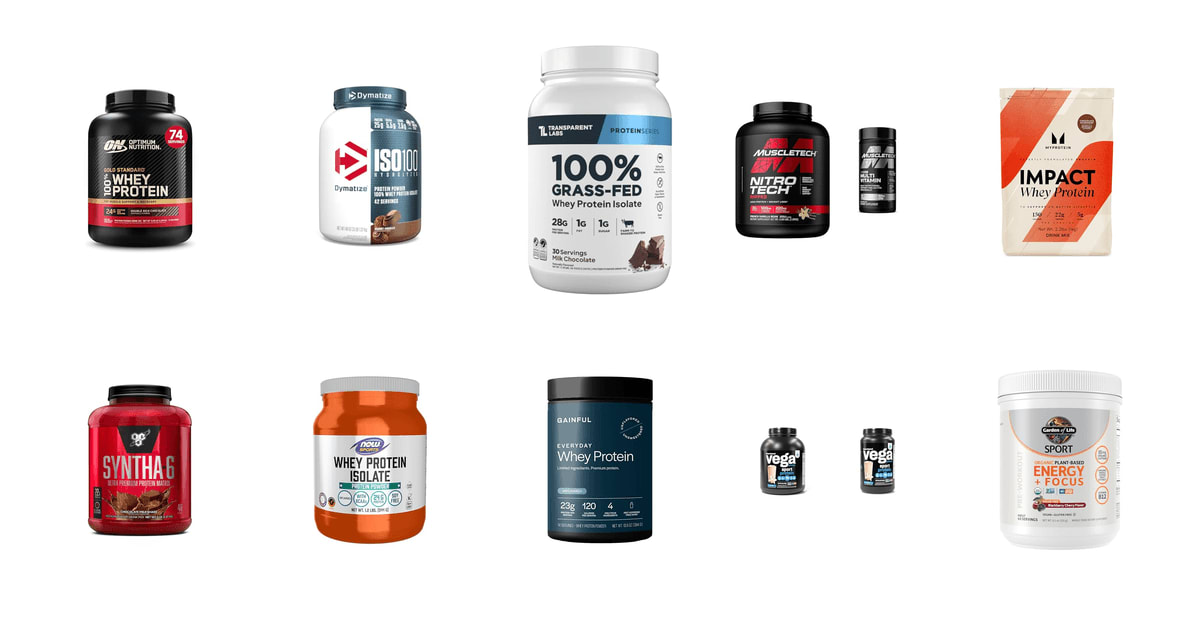
Protein powder is a convenience food, not a magic one. If you're lifting three or four times a week, you need somewhere between 1.6 and 2.2 grams of protein per kilogram of bodyweight a day, and most people fall short by a couple of chicken breasts' worth. A shake closes that gap in about ninety seconds. So the powder that works is the one you'll actually drink every day, which makes taste and cost per serving matter as much as the amino acid chart on the back.
Here's the honest part: no protein powder is a clean win. Supplements aren't regulated like drugs, so label claims get verified only when a brand pays a third party to verify them. Clean-label powders lean on stevia, which plenty of people taste for an hour afterward. The ones that taste like a milkshake use sucralose. Cheap concentrate can leave you bloated, and the hydrolyzed isolate that fixes it costs more per scoop. You're choosing which compromise you can live with.
So start with your body and your sport. If dairy sits fine with you and no one's drug-testing you, an ordinary whey blend covers everything. If you compete, certification stops being optional. If you skip dairy entirely, the better plant blends have closed most of the old gap. We think that the Optimum Nutrition Gold Standard 100% Whey is the best protein powder for most people, and that the Dymatize ISO100 is the one to buy if you're lactose-sensitive or compete in a drug-tested sport.
Everything we recommend

Proven, easy to find, and mixes clean — if sucralose is fine

Faster-digesting and lactose-free, if you'll pay more per scoop
Less protein per scoop, but cheap enough to drink twice daily

The cleanest label here, at the cost of stevia and a small tub
A plant powder that keeps up, if stevia doesn't bother you
At a glance
| Product | Protein Per Serving | BCAAs Per Serving | Price | |
|---|---|---|---|---|
| Optimum Nutrition Gold Standard 100% Whey ProteinTop pick | 24g Protein | — | $96.28On sale |
| Dymatize ISO100 HydrolyzedRunner-up | 25g Protein | 5.5g BCAAs | $74.95 |
| Transparent Labs Grass-Fed Whey Protein Isolate -Upgrade pick | 28g Protein | — | $64.99 |
 | MuscleTech Nitro-Tech RippedAlso in lineup | 30g Protein | — | $90.34 |
| Myprotein Impact Whey Protein PowderBudget pick | 22g Protein | 5g BCAA | $39.99 |
 | BSN SYNTHA-6 Whey Protein PowderAlso consider | 22g Protein | — | $73.99 |
 | NOW Foods Sports NutritionAlso consider | 25g Protein | — | $49.99 |
 | Gainful Everyday Whey Protein PowderAlso in lineup | 23g Protein | — | $33.99 |
| Vega Premium Sport Protein Vanilla Protein PowderAlso great | 30g Protein | 5g BCAAs | $134.98 |
 | Garden of Life Sport Organic Plant-Based EnergyAlso in lineup | — | — | $29.37On sale |
 | Orgain Organic Vegan Protein PowderAlso consider | 21g Protein | — | $31.98 |
 | Cellucor Cor-Performance Creatine Monohydrate for Strength andAlso in lineup | — | — | $18.97On sale |
How we picked
Protein per serving. We looked for 20 to 30 grams of protein per scoop, which is the range research supports for a full muscle protein synthesis response. Above roughly 40 grams in one sitting, the extra mostly gets burned rather than built.
Leucine and amino acids. We checked published amino acid breakdowns for at least 2 grams of leucine per serving and all nine essential amino acids. Powders that hid their profile in a proprietary blend lost ground.
Third-party certification. Because supplements aren't regulated like drugs, we treated NSF Certified for Sport and Informed Sport as the strongest evidence a label is accurate. That's mandatory for drug-tested athletes and a useful quality signal for everyone else.
Ingredients and sweeteners. We compared sweetener choices, dyes and additives across every label, since that's where clean-label buyers and taste-first buyers split. Owner feedback about aftertaste and grit informed how much weight each choice carried.
Cost per serving. We divided the tub by its serving count rather than judging the sticker, because a big container with few servings is a worse deal than it looks. Powders that are impractical to drink twice a day got marked down.
Top pickOn sale
Proven, easy to find, and mixes clean — if sucralose is fine
Optimum Nutrition Gold Standard 100% Whey Protein
Gold Standard gives you 24 grams of whey per scoop with isolate listed first, so there's little excess fat or lactose along for the ride. It's been the default recommendation for decades because it does the ordinary things well and it's stocked nearly everywhere.
$96.28fromAmazonList priceIt hits the protein number that actually matters. Each scoop delivers 24 grams of whey, with isolate as the primary ingredient, which means most of the fat and lactose gets filtered out before the powder reaches the tub. That sits squarely in the 20-to-30-gram range research links to a full muscle protein synthesis response. One scoop after training and one in the morning covers a real chunk of your daily target.
The amino acid profile is the boring, proven kind. Whey brings naturally occurring BCAAs and EAAs in the proportions clinical work keeps pointing to, including the leucine that does most of the signaling. You don't need a spiked formula or a proprietary blend to get there. Optimum Nutrition isn't doing anything clever here, and that's the point — it's the version of this product everything else gets measured against.
It mixes without a fight. The powder is instantized, so it dissolves in water or milk with a few shakes instead of leaving a paste at the bottom of your bottle. Owners consistently report the Double Rich Chocolate tastes rich without going sickly sweet, which sounds trivial until you've forced down a shake you hate. A powder you enjoy is a powder you finish.
The five-pound tub makes daily use practical. Buying protein in a big container drops what each serving costs you, and this one is widely available in stores and online, so you're not rationing scoops while you wait on a restock. If you drink two shakes a day, that reliability matters more than any single spec. It's the difference between a habit and an occasional supplement.
Flaws but not dealbreakers
The sweeteners are sucralose and acesulfame potassium. They work, and most people never think about them. But if you read labels closely and want nothing artificial in something you drink every morning, this is the wrong tub — go to the Transparent Labs isolate instead.
There's still a concentrate fraction in the blend. Isolate leads the ingredient list, but the trace lactose that remains is enough to bother people with real dairy sensitivity. If shakes reliably leave you gassy or bloated, a fully lactose-free isolate is the fix.
Protein density per gram trails the pure isolates. At 24 grams a scoop, you're getting a little less protein per gram of powder than the 28-gram options here. It's a small gap, and it only shows up if you're counting calories tightly.
Runner-up
Faster-digesting and lactose-free, if you'll pay more per scoop
Dymatize ISO100 Hydrolyzed
ISO100 is hydrolyzed whey isolate, meaning the protein arrives pre-broken-down and absorbs quickly. It's lactose-free, gluten-free, under a gram of sugar, and banned-substance tested, which makes it the pick if you compete or your stomach hates dairy.
$74.95fromAmazonHydrolyzed isolate is the fastest whey you can buy. The protein chains are broken into shorter peptides before they ever hit your gut, so amino acids reach your bloodstream sooner than they would from concentrate. If you train hard and want your post-workout shake working right away, that's the argument for paying more. For everyone else it's a modest edge, not a transformation.
The leucine number is the one to look at. Each serving carries 25 grams of protein and 5.5 grams of BCAAs, including 2.6 grams of leucine — the amino acid that flips the switch on muscle protein synthesis. Most guidance puts the useful threshold around 2 to 2.5 grams per serving, so this clears it comfortably. You're not guessing whether the dose is high enough.
It's genuinely easy on the stomach. The formula is lactose-free and gluten-free, with less than a gram of sugar and barely any carbs. If whey concentrate has ever left you bloated an hour after a shake, this is the format that usually solves it. That also makes it workable if you're eating low-carb or keto and counting every gram.
Banned-substance testing takes the guesswork out. Dymatize has ISO100 tested for banned substances, which is the thing that matters if you're in a drug-tested sport and a contaminated tub could end your season. Certification isn't a taste or texture benefit. It's insurance, and it's the reason competitive athletes keep landing on this one.
Flaws but not dealbreakers
It costs meaningfully more per serving than our top pick. You're paying for the hydrolysis step and the certification. If you're not timing protein around training and nobody's testing you, that premium buys very little.
Hydrolyzed whey can taste slightly bitter. The same processing that speeds absorption leaves a faint edge that some people pick up, depending on flavor. Owners are split on it — plenty find the Gourmet Chocolate excellent, and a minority can't get past the finish.
Stock can be inconsistent. Availability comes and goes, which is a nuisance if this is your everyday protein. Order before you scrape the bottom of the tub.
Budget pick
Less protein per scoop, but cheap enough to drink twice daily
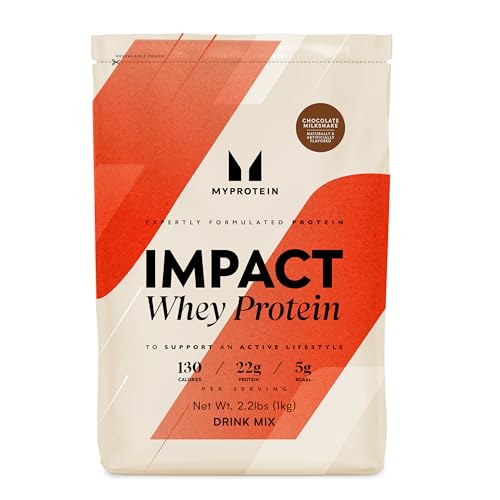
Myprotein Impact Whey Protein Powder
Impact Whey gives you 22 grams of protein and 5 grams of BCAAs per scoop from whey concentrate, at a cost per serving that makes twice-a-day supplementation realistic. The Chocolate Milkshake flavor is better than the price suggests.
$39.99fromAmazonThe nutrition per serving is close to powders that cost much more. You get 22 grams of protein and 5 grams of BCAAs from a 33-gram scoop, which is enough to drive a proper muscle protein synthesis response. It's a few grams shy of the isolates here. For most recreational lifters, that difference disappears once you look at a whole day's intake.
Cheap protein is protein you'll keep buying. The single biggest predictor of whether supplementation helps you is whether you stick with it for months. Impact Whey costs little enough per serving that two shakes a day doesn't feel like a decision. If you're a big person with a big protein target, that math changes everything.
The flavor is unusually good for a concentrate. Budget whey usually announces itself with a chemical sweetness. Owners report the Chocolate Milkshake tastes like an actual chocolate shake, and Myprotein sells it in a long list of other flavors if chocolate gets old. Mixing is straightforward in water or milk.
It's a sensible first tub. If you've never used protein powder and you're not sure you'll like the routine, this is where to start. It's gluten-free, it's stocked globally, and the 2.2-pound bag gives you a month of once-daily use to find out whether shakes fit your life.
Flaws but not dealbreakers
It's whey concentrate, so more fat and lactose come along. That's the trade for the price. If dairy already gives you trouble, expect bloating, and go to an isolate instead.
There's no third-party sport certification. For a recreational lifter that's usually acceptable. If you're in any drug-tested program, cross this one off and pay for a certified tub.
Protein density per gram is the lowest among the whey options here. You're mixing a bit more powder for a bit less protein, which matters if you're tracking calories closely during a cut.
Upgrade pick
The cleanest label here, at the cost of stevia and a small tub
Transparent Labs Grass-Fed Whey Protein Isolate -
Transparent Labs packs 28 grams of protein per serving from grass-fed whey isolate with no artificial sweeteners, dyes or preservatives. If you read ingredient lists the way you read training logs, this is the one that survives the scrutiny.
$64.99fromAmazonTwenty-eight grams per serving is the highest protein-by-weight ratio here. Almost everything that isn't protein has been filtered out, so you're not paying for filler by the scoop. That density is why the higher price per tub stings less than it looks — you're getting more protein in each serving than from a 22- or 24-gram scoop.
The label has nothing to hide behind. No sucralose, no acesulfame potassium, no food dyes, no gluten, no preservatives, and no proprietary blends that let a brand bury a dose. Every ingredient and amount is listed. If you've ever squinted at a supplement panel wondering what's actually in the blend, this removes that problem entirely.
The whey comes from grass-fed, hormone-free American dairy cattle. Whether that changes the protein in your muscles is arguable. Whether it matters to how you feel about what you're drinking daily is not, and for a lot of people it clearly does. The sourcing is stated plainly rather than implied by packaging design.
It goes down easy. All nine essential amino acids are present, and owners consistently report this is one of the gentler powders on the stomach — no bloating, no heaviness an hour later. Mixability holds up in a plain shaker with water. If past whey has left you uncomfortable, this is worth trying before you give up on dairy protein.
Flaws but not dealbreakers
The tub holds 30 servings, which goes fast. If you drink two shakes a day, you're reordering roughly every two weeks. That's more frequent than the five-pound tubs elsewhere in this guide, and it makes the running cost sting more.
Stevia leaves an aftertaste some people can't ignore. Natural sweetening is the whole point of this powder, but the finish is distinct. If you already know stevia isn't for you, no amount of clean labeling will fix that.
Also great
A plant powder that keeps up, if stevia doesn't bother you
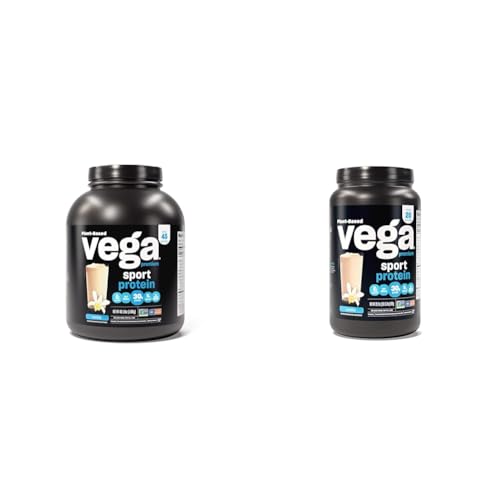
Vega Premium Sport Protein Vanilla Protein Powder
Vega Premium Sport delivers 30 grams of complete plant protein and 5 grams of BCAAs per serving, plus probiotics and fiber. It's NSF Certified for Sport, which puts it in reach of competitive athletes who don't eat dairy.
$134.98fromAmazonThirty grams of protein is more than most whey powders here. Vega blends multiple plant sources to cover the full essential amino acid profile, which is what older single-source pea proteins couldn't manage. Pair that with 5 grams of BCAAs and you've got a powder that signals muscle protein synthesis about as well as dairy protein does when total protein and leucine are matched.
NSF Certified for Sport is rare in plant protein. That certification means independent testing for banned substances and label accuracy on production batches. If you're vegan and you compete, your options narrow to almost nothing without it. This is the one that clears the bar without asking you to compromise on your diet.
The extras aren't just marketing. Each serving includes 2 billion CFUs of probiotics and 2 grams of dietary fiber, which is more digestive support than any whey here offers. If shakes have historically wrecked your stomach, that combination is a real reason to try this. There's no added sugar, and it works if you're eating keto.
The tub is big enough to be practical. A four-pound-plus container runs about 45 servings, so this isn't a boutique purchase you replace every other week. The vanilla blends into water, milk or a smoothie without turning gritty, which is the failure mode plant proteins are known for.
Flaws but not dealbreakers
It's the most expensive powder in this guide per tub. The certification, the probiotics and the plant sourcing all cost something. If you eat dairy and nobody's testing you, whey gets you the same muscle for less.
Stevia again. The vanilla is sweetened with stevia, and the aftertaste is noticeable enough that a chunk of owners mention it. Try a smaller size before you commit to the big tub.
Plant protein has a heavier mouthfeel. Even done well, it drinks thicker than whey. Blending it with milk or a banana hides that; shaking it in plain water doesn't.
Who this is for
This guide is for anyone lifting regularly who can't reliably hit their daily protein target from food. That's most people who train — appetite, schedule and the tedium of eating chicken twice a day all get in the way. If you already eat 1.6 to 2.2 grams of protein per kilogram of bodyweight from whole food, you don't need any of this. Powder is a gap-filler, not a foundation, and it won't outperform Greek yogurt or eggs on anything but convenience.
We cover protein powders you'd use to build muscle: whey concentrate, whey isolate, hydrolyzed whey, multi-protein blends and plant blends. We're not covering mass gainers, meal-replacement shakes or ready-to-drink bottles. Pre-workouts and creatine also fall outside this guide — they're useful, but they contribute no protein and can't replace a shake. If you have kidney disease or any existing kidney concern, talk to your doctor before you raise your protein intake at all.
How we picked
Protein per serving: we wanted 20 to 30 grams a scoop, the range clinical work supports for a full muscle protein synthesis response, since more than about 40 grams at once mostly gets oxidized. Leucine: we checked published amino profiles for at least 2 grams per serving and all nine essential amino acids, and we downgraded anything hiding behind a proprietary blend. Certification: NSF Certified for Sport and Informed Sport carried real weight, because supplement labels get verified only when a brand pays for it. Ingredients: we compared sweeteners, dyes and additives, and let owner reports about aftertaste and bloating break ties. Cost per serving: we divided by the serving count, not the tub, and marked down anything too pricey to drink daily.
Other protein powders for muscle building worth considering
If you want a certified pure isolate you can stir into food: The NOW Foods Sports Nutrition ($49.99) — NOW Foods Whey Protein Isolate is unflavored, which sounds boring until you start adding it to oatmeal, Greek yogurt, smoothies or pancake batter without turning everything into dessert. You get 25 grams of isolate with BCAAs and no artificial sweeteners, fillers or additives at all, and NOW has it tested for purity and banned substances. What you give up is size and standalone appeal — the 1.2-pound container empties fast if you drink it daily, and plain isolate in water is a joyless shake. Use it as a food ingredient and it's excellent.
If taste is the reason you skip your shake: The BSN SYNTHA-6 Whey Protein Powder ($73.99) — BSN SYNTHA-6 is the powder people actually look forward to drinking, and that's not a small thing — the best formula in the world does nothing sitting in your cupboard. The 22-gram protein matrix blends whey concentrate, whey isolate, calcium caseinate, micellar casein, milk protein isolate and egg albumin, so fast whey hits first while the casein fractions keep releasing amino acids for hours. That makes it a good bedtime shake. It carries more calories than a pure isolate, which works against you during an aggressive cut, and there's no sport certification.
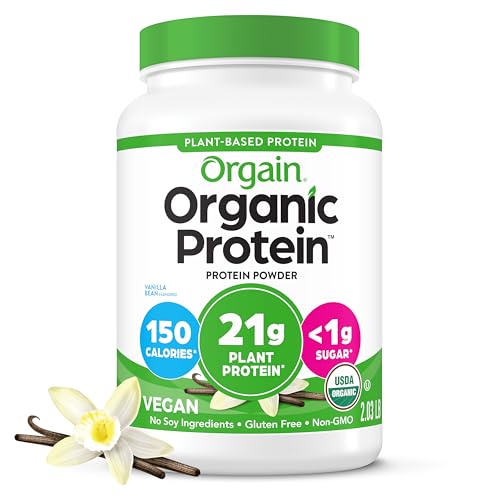
If you want an organic plant protein for everyday use: The Orgain Organic Vegan Protein Powder ($31.98) — Orgain Organic Vegan Protein blends organic peas, brown rice and chia to cover all nine essential amino acids, and adds 6 grams of prebiotic fiber that most powders don't bother with. It's USDA Organic, kosher, gluten-free and free of erythritol and artificial sweeteners, and it costs far less per serving than the Vega. The catch is 21 grams of protein per serving, noticeably behind Vega's 30, and the brown rice leaves a faint grain in the texture. There's no sport certification either, so drug-tested athletes should look elsewhere.
The competition
These are the other powders our research surfaced, not a survey of everything on the shelf. Protein is an enormous category, and a product missing here isn't necessarily bad — it just didn't come up often enough in published reviews and listing data to earn a close look. Each of the following has a real case for someone. None beat a pick outright.
The MuscleTech Nitro-Tech Ripped ($90.34) — MuscleTech Nitro-Tech Ripped bundles a 30-gram whey peptide and isolate powder with a men's multivitamin covering 18 vitamins and minerals, so you're effectively buying two supplements at once. The protein itself is good — hydrolyzed peptides absorb quickly, and multi-phase filtration keeps fat and lactose down. What holds it back is the fat-loss pitch. The C. canephora robusta research that supports it was run alongside calorie-restricted diets, so the standalone effect is modest at best, and the formula carries more additives than a plain isolate. If you'd buy a multivitamin anyway and don't mind a busier label, it's a reasonable bundle.
The Gainful Everyday Whey Protein Powder ($33.99) — Gainful Everyday Whey is a smart formula in an impractical container. It combines whey concentrate, whey isolate and micellar casein for 23 grams of protein with both fast and slow release, and it's unflavored with no artificial sweeteners or dyes, so it disappears into overnight oats or a smoothie. The problem is 14 servings. At one shake a day that's two weeks, and the cost per serving is high for an unflavored blend without a sport certification. If you like the idea of buying flavor packets separately and don't mind reordering often, it's fine. Most people are better served by a bigger tub.
Mixing and storage
Add the liquid first, then the powder — dumping powder into an empty shaker is how you get a cement layer at the bottom. Most whey needs 8 to 12 ounces per scoop; use the low end for a thicker shake, the high end if a powder tastes too sweet. Let it sit a minute after shaking so the foam settles and the texture smooths out. Keep the tub sealed in a cool, dry cupboard, not on top of the fridge where heat and steam collect, and leave the desiccant packet in there. Clumping usually means moisture got in. Wash your shaker the same day you use it, because dried protein is genuinely hard to remove and it will start to smell.
Questions we get
How much protein do I actually need to build muscle?
The evidence-backed range is 1.6 to 2.2 grams per kilogram of bodyweight per day, or roughly 0.73 to 1 gram per pound. A 180-pound person lands around 130 to 180 grams. Most people who eat meat, eggs and dairy already get 80 to 100 grams from food, so powder covers the shortfall. Going above 2.2 grams per kilogram hasn't been shown to build more muscle, though it doesn't appear to harm healthy people either.
What's the difference between whey concentrate, isolate and hydrolyzed protein?
Concentrate is 70 to 80 percent protein by weight, the least processed and least expensive, with more fat and lactose left in. Isolate is filtered further to 90 percent or more protein, which means less lactose and more protein per scoop. Hydrolyzed whey is pre-broken into shorter peptides for the fastest absorption, and it costs the most. For most people, isolate is the sweet spot.
Is plant-based protein as good as whey for building muscle?
Yes, when the blend is built properly. Single-source plant proteins like pea alone fall short because their amino acid profiles are incomplete, particularly in methionine. Blends that combine peas with rice, chia or sunflower cover all nine essential amino acids and reach competitive leucine levels. Recent research shows equivalent muscle protein synthesis when plant and whey protein are matched for total protein and leucine.
When should I take protein powder?
Total daily protein matters far more than timing. The strict 30-minute anabolic window has been largely debunked, so don't sprint to the locker room. That said, getting 20 to 40 grams within about two hours of training gives a small real benefit. Morning, post-workout and before bed all work, and casein-containing blends are the ones worth saving for bedtime.
Will protein powder hurt my kidneys?
In healthy people with no existing kidney condition, the research doesn't support a link between high protein intake and kidney damage. That concern came from studies of patients who already had kidney disease, where restricting protein is sometimes medically appropriate. Studies of healthy athletes taking 2 to 3 grams per kilogram for long stretches found no adverse kidney markers. If you have a kidney condition or any concern, ask your doctor first.
Why does protein powder make me bloated?
Usually one of three things: lactose in a concentrate-based formula, sugar alcohols like sorbitol or maltitol in artificially sweetened products, or additives that irritate your gut. If concentrate is the problem, switch to a lactose-free isolate like the Dymatize ISO100 or the Transparent Labs powder. If any whey bothers you, move to a plant blend. Powders with added probiotics, like the Vega, tend to be gentler.
Why you should trust us
For this guide:
- We read the ingredient panels, protein and amino acid claims, and certification status for every powder in this guide.
- We compared those specifications against published reviews and independent lab-testing programs that grade major protein brands on label accuracy and contamination.
- We leaned on owner feedback for the things a label never tells you — grit, aftertaste, clumping and how a powder settles in your stomach.
- We read owner reviews on every listing, weighted toward the critical ones, because that is where the recurring failures show up.
- We have a systematic way of automatically fetching the latest prices, so the numbers on this page stay current.
- This is a research-focused guide, so the team may not own every product listed — though we often do own the top winners, which gives us extra context for the recommendations.
- We don't accept free products, and the retailer commission never changes which product we recommend.
Sources
Best Protein Powders of 2026 — Wirecutter, Wirecutter (NYT)
Protein Supplements Research & Evidence — Examine.com, Examine.com
Protein Powder Rankings & Independent Lab Testing — Labdoor, Labdoor
Best Protein Powders, Tested by Dietitians — Healthline, Healthline
Protein and Muscle Hypertrophy: A Position Stand — Journal of the International Society of Sports Nutrition, Journal of the International Society of Sports Nutrition
Amazon product listings and owner reviews for all 12 products
Manufacturer specification pages for each product
Some passages in this guide may be paraphrased with AI help. Prices are refreshed automatically.
More like this.
Continue exploring health reviews and recommendations.

The Best Protein Powders
Most people don't buy protein powder because they love shakes. You buy it because hitting a daily protein target with chicken and eggs alone takes more…

The Best Vegan Protein Powders
Plant protein is something you drink almost every day, so the small stuff matters more than the marketing does. Does it dissolve in a shaker bottle, or…

The Best Foam Rollers for Muscle Recovery
Foam rolling is the rare recovery habit that actually fits into a normal week. You don't need a table, a therapist, or an appointment. You need ten…

The Best Collagen Peptides Powders
Collagen powder is one of the few supplements you'll actually notice in your routine, because you have to stir it into something every single morning.…

The Best Books on Building a Career in the Age of AI
Your job is changing whether or not you've done anything about it. Tools that write, summarize, code and forecast are moving into work that used to be…

The Best Books on Building Habits
Most habit advice fails you in the same place. You know what you want to do differently - move more, drink less, actually finish the side project - and…