The Best Vegan Protein Powders
Plant protein is something you drink almost every day, so the small stuff matters more than the marketing does. Does it dissolve in a shaker bottle, or leave sludge at the bottom? Does it sit heavy an hour later? Does the chocolate taste like chocolate or like a lawn? Most powders here clear the basic bar of 20 to 30 grams of protein per scoop. What separates them is what else is in the tub, how carefully it's been screened for contaminants, and whether you'll actually finish the container.
Here's the honest caveat: no plant powder tastes like a milkshake, and anyone promising that is overselling. Pea protein has a faintly savory, brothy edge that flavoring can mask but never erase. Rice protein adds grit. Brands cover both with stevia or monk fruit, which some people taste as a lingering sweetness at the back of the tongue. Heavy metals are a real category-wide issue too — the Clean Label Project found detectable lead in 70% of the protein powders it tested, with rice-based products testing highest.
You also have to decide how much certification you need. Recreational lifters can ignore banned-substance testing entirely; a drug-tested athlete can't. And single-ingredient powders that skip sweeteners are the cleanest label you'll find, but they're also the hardest to drink plain. We think that the Momentous Essential Plant-Based Protein is the best vegan protein powder for most people, and that the Garden of Life Sport Organic Plant-Based Protein is the one to buy if you compete under drug-testing rules and want the most protein per scoop.
Everything we recommend
Clean testing and an easy-drinking blend, without the extras

The most protein per scoop, with NSF and organic certification

Genuinely good taste for far less per serving

The gentlest option if plant protein usually wrecks your stomach
At a glance
| Product | Protein/Serving | Servings | Price | |
|---|---|---|---|---|
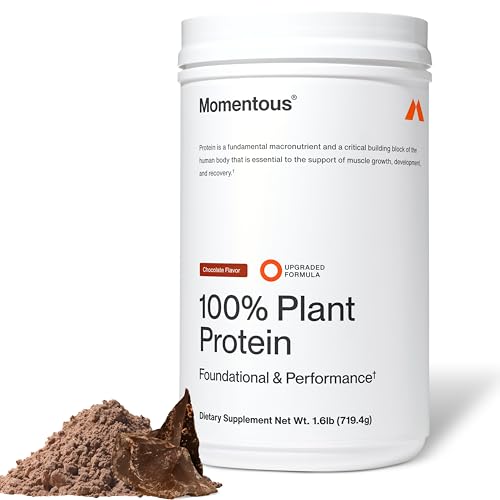
| Momentous Vegan Protein PowderTop pick | 20g | 22 Servings | $49.99 |
| Garden of Life Sport Organic Vegan ProteinRunner-up | 30g | 19 Servings | $37.21On sale |
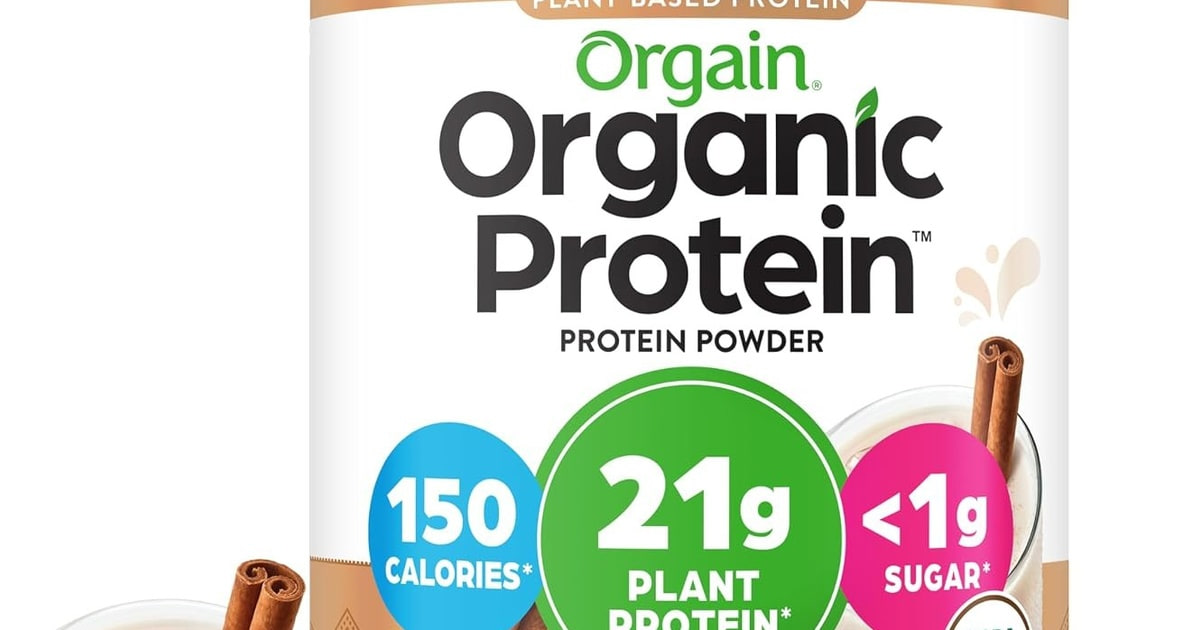
| Orgain Organic Vegan Protein PowderBudget pick | 21g | 20 Servings | $31.98 |
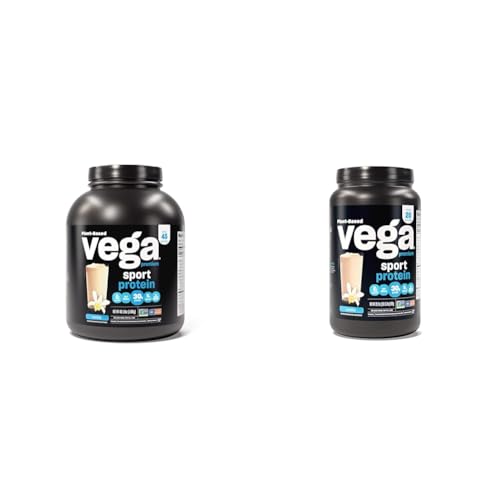 | Vega Premium Sport Protein Vanilla Protein PowderAlso consider | 30g | 45 Servings | $134.98 |
 | NAKED Nutrition Chocolate Pea Protein Isolate -Also in lineup | 25g | — | $57.99 |
 | Truvani Organic Plant Based Protein PowderAlso consider | — | 18 Servings | $40.87 |
| Nuzest Clean Lean Protein - Vegan PeaAlso great | 20g | — | $44.99 |
 | Sunwarrior - Warrior BlendAlso in lineup | — | 15 Servings | $26.97 |
How we picked
Amino acid completeness. We favored blends that pair pea with rice or other legumes, since published nutrition research shows that combination closes the lysine and methionine gaps that single sources leave. Powders claiming all nine essential amino acids on the label got priority.
Third-party certification. NSF Certified for Sport and Informed Sport are the two certifications that actually screen for banned substances and contaminants, and fewer than 5% of powders hold either. We treated one of them as a requirement for any powder we'd recommend to a drug-tested athlete.
Contaminant screening. Clean Label Project's testing found detectable lead in 70% of protein powders, with rice-based formulas testing highest. We weighted brands that publish independent contaminant results and flagged rice-heavy blends in our write-ups.
Ingredient transparency. We compared full ingredient lists rather than front-of-tub claims, looking for short lists, no artificial sweeteners or colors, and clear disclosure of protein sources and sweeteners.
Taste and mixability. Owner feedback is the best available signal on grit, clumping and off-flavors, so we read through it looking for repeated patterns rather than one-off complaints. Powders with consistent reports of sludge or a strong earthy finish dropped down the list.
Top pick
Clean testing and an easy-drinking blend, without the extras
Momentous Vegan Protein Powder
Momentous pairs pea and rice protein for a complete amino acid profile and puts every batch through NSF Certified for Sport testing. It's 20 grams of protein per scoop that mixes into water without clumps, which is a lower bar than it sounds like.
$49.99fromAmazonThe pea-and-rice pairing isn't a marketing gimmick — it's the reason this works. Pea protein runs high in lysine and short on methionine. Brown rice protein does the opposite. Blend them and you close both gaps, which is why a 2020 review in Nutrients points to roughly 70:30 or 80:20 pea-to-rice ratios as producing an amino acid profile that tracks closely with whey. Momentous builds on exactly that logic, and the label claims all nine essential amino acids.
NSF Certified for Sport is the part most shoppers underrate. Fewer than 5% of protein powders on the market carry it or Informed Sport, and it means the product gets screened for banned substances and contaminants rather than just audited on paper. Given that the Clean Label Project found lead in most of the powders it tested, that screening is doing real work for you here — not just for athletes, but for anyone drinking this daily for years.
Twenty grams per scoop is less than the 30 you get from Garden of Life or Vega. That's a fair trade if you're eating protein at meals and using this to top off. If you're not, take two scoops. Plant proteins carry less leucine per gram than whey does, so hitting the roughly 2 to 3 grams of leucine that research ties to muscle protein synthesis sometimes means a slightly bigger serving than a whey label would suggest.
The chocolate mixes into water, almond milk or a smoothie without the gluey texture that sinks a lot of pea powders. Momentous skips added sugar, and owner feedback is consistent on the mixability point. It's also gluten-free. If you've bounced off plant protein before because the last tub tasted like dirt, this is a reasonable place to try again.
Flaws but not dealbreakers
Momentous is one of the pricier options here, and you get 22 servings at 20 grams each. On a cost-per-gram basis that's not competitive with buying bulk pea isolate. You're paying for the batch testing and the blend, and whether that's worth it depends entirely on whether you need the certification.
It's a chocolate powder with no unflavored version in this listing, so it's less flexible for baking or savory recipes than a plain isolate. And the protein per scoop is on the low end for the category — if you want a single big scoop to carry a whole recovery window, look at the 30-gram options.
Runner-upOn sale
The most protein per scoop, with NSF and organic certification
Garden of Life Sport Organic Vegan Protein
Garden of Life Sport packs 30 grams of protein per serving from a four-legume blend, plus over 5 grams of BCAAs, glutamine and probiotics. It's NSF Certified for Sport and USDA Organic, a combination almost nothing else here matches.
$37.21fromAmazonList priceIf you're drug-tested, this is the strongest package on the list. NSF Certified for Sport plus USDA Organic plus Non-GMO Project Verified is a stack of certifications that costs brands real money to maintain, and it's rare to see all three on one tub. Add 30 grams of protein per serving from peas, navy beans, lentils and garbanzo beans, and you've got a powder that satisfies a compliance officer and a strength coach at the same time.
The extras are more than window dressing. Over 5 grams of BCAAs and 5 grams of glutamine per serving matter when you're training hard and often. There's also 2 billion CFU of probiotics and an organic blend of tart cherry, apple, turmeric, blueberry and goji. Whether the fruit blend moves the needle on recovery is debatable, but the probiotics are a sensible inclusion in a category that gives some people gas.
Owners describe the vanilla as mild rather than sweet, with the underlying pea flavor coming through — a lot of people add cinnamon or berries and are happy. Two scoops into 12 ounces of water or oat milk is the recommended mix, and reports on blending are generally good. It also skips soy, dairy and artificial sweeteners entirely.
One recurring thread in owner feedback is worth flagging up front: some long-time buyers say a reformulation changed the sodium content, mixability and taste, and they weren't happy about it. That's a minority view against a lot of satisfied repeat buyers, but if you've used this for years and the last tub tasted off, you're not imagining things.
Flaws but not dealbreakers
Nineteen servings per container at two scoops each means you go through it fast, and it's not a cheap powder to begin with. If you're drinking this daily, budget for it.
The reformulation complaints center on saltiness and a heavier mouthfeel. Sentiment on this listing is more mixed than the raw popularity suggests, so buy one container before you commit to a subscription.
Budget pick
Genuinely good taste for far less per serving
Orgain Organic Vegan Protein Powder
Orgain gives you 21 grams of organic protein from pea, brown rice and chia, plus 6 grams of prebiotic fiber, for a fraction of what the certified-sport powders cost. The chocolate fudge is the one flavor here that people describe as something they look forward to.
$31.98fromAmazonThis is the powder that changes minds about plant protein. Owners repeatedly describe the creamy chocolate fudge as not overly sweet and not chalky — high praise in a category where the default review is a shrug. It also mixes with almost no effort into water, almond milk or oat milk, and it holds up in overnight oats and baked goods. If your last plant powder is still sitting half-full in a cupboard, taste is probably why, and this fixes it.
The value case is straightforward: you get organic certification at roughly the cost of a non-organic powder. Twenty-one grams of protein from pea, brown rice and chia, with all nine essential amino acids on the label, plus 6 grams of prebiotic fiber and no added sugar. It's USDA Organic, Non-GMO, gluten-free, kosher and made without soy — a spec list that usually carries a premium.
The fiber is a real differentiator and a mild warning at the same time. Six grams per serving is a meaningful chunk of a day's target, and a lot of people find that it keeps them full through a morning. If you're not used to that much added fiber, ease in with one scoop rather than two.
Where it falls short of the top pick is certification. Orgain is verified organic and plant-based by third parties, but it isn't NSF Certified for Sport or Informed Sport. For most people that's irrelevant. For a tested athlete it's disqualifying, which is the entire reason this is the budget pick and not the top one.
Flaws but not dealbreakers
There's no banned-substance certification, so competitive athletes should skip it. It also uses brown rice as one of the three sources, and rice protein is the category that tested highest for heavy metals in Clean Label Project's work — worth knowing if contaminant load is your main concern.
The serving is two scoops for 21 grams, which is a lot of powder for the protein you get compared with a pea isolate. And a few owners note the scoop is buried deep in the container on arrival.
Also great
The gentlest option if plant protein usually wrecks your stomach
Nuzest Clean Lean Protein - Vegan Pea
Nuzest is European golden pea isolate with just a few ingredients, sweetened with thaumatin instead of stevia. It delivers 20 grams of protein in a 25-gram serving with only 1 gram of carbs, and it's built specifically to be easy on digestion.
$44.99fromAmazonIf bloating is the reason you've given up on protein powder, start here. Nuzest uses a water-based isolation process on European golden peas and leaves out gums, fillers and masking agents — the additives that cause a lot of the gut complaints in this category. Owners consistently describe a smooth, non-grainy texture that mixes clean with just water and ice, which is unusual for pea protein at this ingredient count.
The sweetener choice sets it apart. Instead of stevia or monk fruit, Nuzest uses thaumatin, a naturally sweet protein. If stevia's lingering aftertaste is what you can't get past in other powders, this sidesteps it entirely. The flavor runs mild and not very sweet, which some people love and others find flat.
The macros are lean in a way that matters if you're eating in a deficit. Twenty grams of protein in 100 calories with a single gram of carbs is close to the ceiling for protein density among plant powders. Pea isolate scores around 0.89 to 0.93 on PDCAAS, the highest of any single plant source other than soy, so you're not sacrificing quality for that leanness.
It's also free of dairy, lactose, gluten, soy and the major allergens, which makes it one of the few options here that works if you're managing several restrictions at once. There's no banned-substance certification, though, so tested athletes should go with Momentous or Garden of Life instead.
Flaws but not dealbreakers
It's expensive per serving and the container is small at 1.1 pounds, so it burns through quickly. That combination makes it a hard daily driver unless digestion is your specific problem.
The vanilla is polarizing. Some owners find it pleasant and restrained; others find it either too faint or, in the case of the vanilla specifically, too pudding-like. Flavor is the most common complaint on this one, not texture.
Packaging reports are mixed — a few buyers received containers that arrived damaged or leaking in soft envelopes.
Who this is for
This guide is for anyone closing a daily protein gap without dairy — vegans and vegetarians, people who've given up on whey because it upsets their stomach, and older adults trying to hold onto muscle. That last group has better evidence behind it than the internet suggests: a 2023 meta-analysis in Nutrients covering 18 studies found that older adults on plant protein held comparable lean mass to those on animal protein, as long as total intake stayed above 1.2 grams per kilogram of bodyweight. Total intake is the variable that matters. The source matters less than people assume.
You don't need any of this if you're already eating enough protein from food — powder is a convenience, not a requirement. We've limited the guide to powders whose primary job is protein, which means ready-to-drink shakes, meal-replacement formulas and single-ingredient bulk flour aren't here. And if you're subject to drug testing, treat NSF Certified for Sport or Informed Sport as non-negotiable and ignore everything on this list that lacks one.
How we picked
Amino acid completeness: we looked for pea-and-rice or multi-legume blends that close the lysine and methionine gaps a single source leaves, per published nutrition research. Certification: NSF Certified for Sport and Informed Sport are the only marks that verify banned-substance screening, and fewer than 5% of powders carry either. Contaminant screening: with lead detected in 70% of powders tested by the Clean Label Project and rice-based products testing highest, we favored brands publishing independent lab results. Ingredients: short lists, no artificial sweeteners or colors, and honest disclosure of what's sweetening the tub. Taste and mixability: we read owner feedback for repeated patterns of grit, clumping or an earthy finish, since a powder you won't drink is worthless.
Other vegan protein powders worth considering
If you want 30 grams per scoop and a big tub: The Vega Premium Sport Protein Vanilla Protein Powder ($134.98) — Vega Premium Sport gives you 30 grams of protein and 5 grams of BCAAs per serving, and it's NSF Certified for Sport — the same athlete-grade screening as Garden of Life. Manufacturer data puts the leucine content at 2.4 grams per serving, right at the threshold research associates with maximally stimulating muscle protein synthesis, which is unusual for a plant powder. It adds 2 billion CFU of probiotics and 2 grams of fiber, and it's sweetened with stevia. The larger tub runs about 45 servings, so cost per serving works out well if you go through protein quickly. What you give up is track record on this particular listing: there's very little accumulated owner feedback to check the flavor and mixability claims against, and stevia sensitivity is the most common complaint against Vega generally.
If you want a clean label without stevia: The Truvani Organic Plant Based Protein Powder ($40.87) — Truvani is USDA Organic and skips soy, wheat, dairy, gluten and stevia — that last one is the real draw, since stevia aftertaste is what kills plant protein for a lot of people. Protein comes from organic pea, pumpkin seed and chia, and owners describe 20 grams per serving with a short, readable ingredient list. Reports on flavor are good, especially blended into smoothies, oats or pancakes. The knock is texture: several owners describe a soft grittiness when it's mixed with water alone, and a few say it separates as you drink it. If you always blend rather than shake, that's a non-issue. If you want something you can shake in a bottle at your desk, look elsewhere.
The competition
This is what our research surfaced, not a census of the category. Plant protein turns over quickly and there are dozens of credible brands we didn't look at. The powders below came up repeatedly in our reading but lost out to a pick on certification, ingredient quality or consistency of owner feedback — though each of them still makes sense for a specific kind of buyer.
The NAKED Nutrition Chocolate Pea Protein Isolate - ($57.99) — Naked Nutrition's chocolate pea protein isolate has the shortest ingredient list here — yellow pea protein, raw cacao and organic coconut sugar, and nothing else. It's NSF Certified, non-GMO, soy-free and gluten-free, with 25 grams of protein and 5.6 grams of BCAAs per serving, and the 5-pound bulk tub makes the cost per gram of protein hard to beat. The problem is taste, and it's not a small problem. Owner feedback splits sharply, with a large share of buyers describing it as gritty and genuinely unpleasant on its own; many end up adding their own sweetener, which defeats the point of the clean label. Some buyers have also raised concerns about heavy metals in pea powders generally. Buy it if you blend everything into a smoothie anyway and want the fewest possible ingredients per dollar.
The Sunwarrior - Warrior Blend ($26.97) — Sunwarrior Warrior Blend combines pea, hemp and goji berry, and it's the one option here that brings hemp's naturally occurring omega-3 content along with the protein. It's USDA Organic and raw, with a following in whole-food plant-based circles. Two things kept it out of the picks. Hemp scores around 0.63 on PDCAAS, well below pea or soy, because it's limited in both methionine and lysine — so the hemp fraction is doing less for muscle protein synthesis than the pea fraction is. And the berry flavor is divisive, with owners split between describing it as smooth and calling it cloying or chalky. The 13.2-ounce container is also small at 15 servings. Choose it if the omega-3 profile and the raw, organic sourcing are what you're optimizing for.
Mixing and storage
Add liquid to the shaker first, then the powder — reversing that order is why powders cake at the bottom. Pea protein hydrates slowly, so let a shaken drink sit for a minute or two before you finish it and the grit largely disappears. A blender or milk frother solves the texture problem outright, and about 8 to 12 ounces of liquid per serving is the sweet spot; going thinner concentrates the earthy notes. If a flavor tastes flat, a pinch of cinnamon, a spoon of nut butter or half a frozen banana covers it better than more sweetener does. Keep the tub sealed somewhere cool and dry, because these powders clump badly once humidity gets in and a bathroom-adjacent cupboard is enough to do it. Don't wash the scoop; leave it dry in the container.
Questions we get
Can you build muscle as effectively with plant protein as with whey?
Yes, when total protein intake is matched. A 2024 randomized controlled trial in the Journal of the International Society of Sports Nutrition found no statistically significant difference in hypertrophy, strength or body composition between pea and whey protein over 12 weeks of resistance training. The practical catch is leucine — plant proteins carry less per gram, so a slightly larger serving may be needed to hit the 2 to 3 grams that research ties to muscle protein synthesis.
Is pea protein or soy protein better for muscle growth?
Soy scores higher on paper. It's the only plant protein with a PDCAAS of 1.0, the maximum possible, per the FAO/WHO Joint Expert Consultation. Pea isolate lands around 0.89 to 0.93 with a DIAAS near 0.82 — close enough that in practice the difference is small, especially in a pea-and-rice blend. Most shoppers choose pea because they want to avoid soy for allergen reasons, and none of the powders in this guide are soy-based.
Do vegan protein powders have all nine essential amino acids?
The good ones do, though usually through blending. Pea protein is high in lysine and low in methionine; brown rice is the reverse. Combining them at roughly 70:30 or 80:20 produces a profile that closely mirrors whey, according to a 2020 review in Nutrients. Single-source powders technically contain all nine, but in ratios that limit how much your body can use.
Which vegan protein powders are independently tested for heavy metals?
This is worth taking seriously — Clean Label Project's testing found detectable lead in 70% of protein powders, with rice-based products showing the highest average levels. Momentous, Garden of Life and Vega all carry NSF Certified for Sport, which includes contaminant screening, and Naked Nutrition is NSF Certified. Labdoor's independent testing has also found that top-ranked plant powders hit within 5% of their label protein claim while the worst fell 18% short, so certification correlates with basic honesty too.
Is hemp protein a complete protein?
Technically yes, practically not really. Hemp contains all the essential amino acids but scores around 0.63 on PDCAAS because it's limited in methionine and lysine, well behind pea or soy. It also delivers only about 10 to 15 grams of protein per 30-gram serving, since it retains fat and fiber. What hemp does bring is a roughly 3:1 omega-6 to omega-3 ratio, which is why it usually shows up blended with pea rather than on its own.
What's easiest on the stomach if you have IBS or digestive issues?
A minimally processed pea protein isolate with a short ingredient list is usually the safest bet, which is why we picked Nuzest for this. Gums, fillers, sugar alcohols and heavy fiber additions cause more trouble for sensitive guts than the protein itself does. If you're new to plant protein, start with half a serving for a week. Powders with added probiotics, like Garden of Life and Vega, help some people and do nothing for others.
Why you should trust us
For this guide:
- We read manufacturer specification sheets and full ingredient lists for every powder in this guide, and cross-checked protein, BCAA and certification claims against the certifying bodies' own standards.
- We reviewed published nutrition research on plant protein quality, including PDCAAS and DIAAS scoring, amino acid complementarity and muscle protein synthesis, along with third-party lab findings from the Clean Label Project and Labdoor.
- We read through owner feedback for each product looking for recurring themes around taste, texture, mixability and digestion rather than isolated complaints.
- We read owner reviews on every listing, weighted toward the critical ones, because that is where the recurring failures show up.
- We have a systematic way of automatically fetching the latest prices, so the numbers on this page stay current.
- This is a research-focused guide, so the team may not own every product listed — though we often do own the top winners, which gives us extra context for the recommendations.
- We don't accept free products, and the retailer commission never changes which product we recommend.
Sources
Best Vegan Protein Powders — Healthline, Healthline
Protein Powder Lab Rankings — Labdoor, Labdoor
Protein Supplement Research Overview — Examine.com, Examine.com
NSF Certified for Sport — Certified Product Listings, NSF International
Informed Sport Batch-Testing Protocol, Informed Sport
Protein Powder Contaminant Report — Clean Label Project, Clean Label Project
Best Protein Powders — Wirecutter (NY Times), Wirecutter
Pea Protein vs. Whey for Muscle Building — Journal of the International Society of Sports Nutrition, Journal of the International Society of Sports Nutrition
Plant Protein and Muscle Maintenance in Older Adults — American Journal of Clinical Nutrition, American Journal of Clinical Nutrition
Best Vegan Protein Powder — Forbes Health, Forbes Health
Protein Drink Safety Testing — Consumer Reports, Consumer Reports
Plant Protein Complementarity Review — Nutrients (MDPI), Nutrients / MDPI
Amazon product listings and owner reviews for all 8 products
Manufacturer specification pages for each product
Some passages in this guide may be paraphrased with AI help. Prices are refreshed automatically.
More like this.
Continue exploring health reviews and recommendations.

The Best Protein Powders
Most people don't buy protein powder because they love shakes. You buy it because hitting a daily protein target with chicken and eggs alone takes more…

The Best Protein Powders for Muscle Building
Protein powder is a convenience food, not a magic one. If you're lifting three or four times a week, you need somewhere between 1.6 and 2.2 grams of…

The Best Collagen Peptides Powders
Collagen powder is one of the few supplements you'll actually notice in your routine, because you have to stir it into something every single morning.…

The Best Blenders for Smoothies and Protein Shakes
A blender for smoothies has one job, and it's a harder job than it looks. Frozen mango, a fistful of kale, a scoop of whey and some oat milk all resist a…

The Best Aquarium Protein Skimmers
A protein skimmer does one job. It pulls dissolved organic waste out of your water before it breaks down into nitrate and phosphate. Fish waste, uneaten…

The Best Soccer Rebounders for Backyard Training
A rebounder turns a patch of grass into a training partner that never gets tired. You strike the ball, it comes back at a predictable angle, and you touch…