The Best Septic Tank Treatments
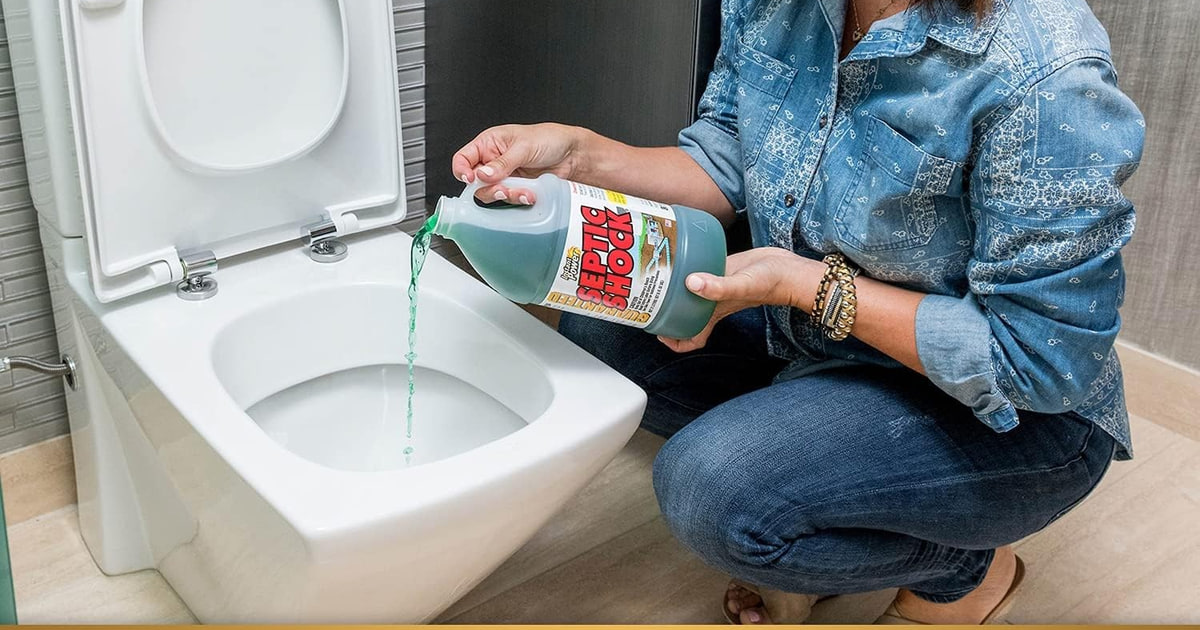
If you're on a septic system, the tank in your yard is doing a job the city does for everyone else. Solids settle, bacteria digest what they can, and the liquid that's left drains out into your leach field. When that biology stays healthy, you never think about it. When it doesn't, you get slow drains, gurgling pipes, and a smell in the yard that you can't ignore. A monthly enzyme-and-bacteria treatment is the simplest habit you can build to keep that from happening.
Here's the honest part: none of these products can save a tank that's already full of solids, and none of them replace pumping. Manufacturers are also frustratingly vague. Almost nobody in this category publishes a colony-forming-unit count, so you can't really compare bacterial potency between brands the way you'd compare wattage or capacity. You're mostly buying on formula type, dosing format, and track record. Anyone promising you'll never pump again is selling you something.
We read manufacturer specifications, published product evaluations, and owner feedback across the category to sort out which treatments are worth a standing monthly reminder. We think that the RID-X Septic Tank Treatment Pods are the best septic tank treatment for most people, and that the Green Gobbler Septic Tank Treatment Packets are the ones to buy if you'd rather order once a year and forget about it.
Everything we recommend

Enzymes and live bacteria in a pod you can't misdose

A full year in one box, if you hate reordering
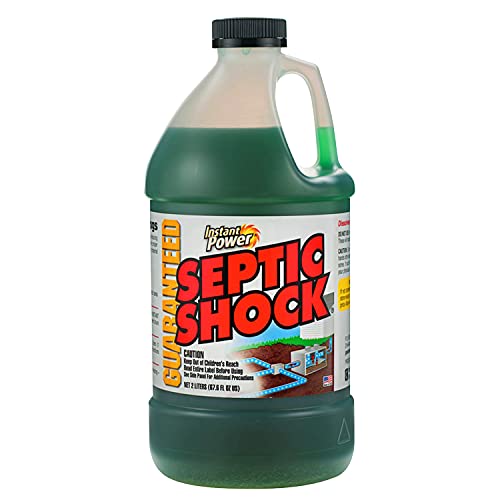
The emergency bottle for a tank that's already struggling

Commercial-strength packets for a busy, high-load house
At a glance
| Product | Supply Length | Tank Capacity | Price | |
|---|---|---|---|---|
| RID-X Septic Tank Treatment PodsTop pick | 3-Month | 1500 Gallons | $14.29 |
| Green Gobbler Septic Tank Treatment PacketsRunner-up | 12-Month | — | $23.98On sale |
 | Roebic LaboratoriesAlso in lineup | 32 Oz x3 | — | $58.99 |
 | Cabin Obsession RV Toilet Treatment Drop InsAlso consider | 24 Count | 40 Gallons | $19.95 |
| Walex Bio-Active Home Septic Tank Treatment -Upgrade pick | 1-Year/12 Pk | — | $19.16 |
| Instant Power Septic Shock - Septic TankAlso great | 67.6 Fl Oz | — | $12.47On sale |
 | Zep Septic Defense System Treatment Dissolvable PacksAlso consider | 6-Month | — | $13.28 |
How we picked
Bacteria plus enzymes. We prioritized formulas that combine live bacteria with enzymes, since bacteria reproduce in the tank while free enzymes are used up in one dose. Published category evaluations consistently favor combined formulas for sludge and odor reduction.
Enzyme coverage. We looked for formulas that address the four main waste types in a household tank: paper and fiber, fats and grease, proteins, and starches. Products claiming only partial coverage lost ground.
Dosing consistency. Pre-measured pods and packets remove the guesswork that trips people up with liquids and powders. Published evaluations rate pod formats higher for consistent dosing, and owner feedback on liquids backs that up.
System compatibility. We checked each listing for stated compatibility with conventional, aerobic, and anaerobic systems, plus tank-size limits. Most residential tanks run 1,000 to 1,500 gallons, so we noted where a product tops out.
Cost per dose. We compared what a month of treatment costs rather than what the box costs, since supply sizes here range from a single bottle to a full year. A larger box often works out cheaper per month.
Top pick
Enzymes and live bacteria in a pod you can't misdose
RID-X Septic Tank Treatment Pods
RID-X pods combine fast-acting enzymes with live bacteria that keep reproducing in the tank. You drop one in the toilet once a month and flush. It's the format that's hardest to get wrong, and you can find refills at almost any hardware or grocery store.
$14.29fromAmazonThe dual-action formula is the part that actually matters. Enzymes go to work on waste right away, but they're consumed in the process. Live bacteria reproduce inside your tank and keep working between doses. Published evaluations of this category consistently favor combined formulas over enzyme-only products for sludge and odor reduction over a few months. RID-X is one of the few widely available products that does both without a premium price.
Pre-measured pods take the guesswork out of dosing. You don't measure, pour, or estimate anything. One pod goes into the main-floor toilet, you flush, and you're done for the month. That matters more than it sounds. Liquid treatments require you to know your tank's capacity and eyeball the right volume, and owners of liquid products regularly report uncertainty about whether they used enough.
It covers the waste categories that actually cause backups. RID-X targets toilet paper, fats, oils, grease, proteins, sugars, and starches. That's the full spectrum of what goes down a household drain, and it's the same coverage the more expensive products in this guide claim. If you run a garbage disposal, the fats-and-grease coverage is the piece you care about most.
You can buy it anywhere, which sounds boring until you run out. Hardware stores, grocery stores, big-box retailers, and online all carry it. If you forget to reorder, you can grab a box on the way home instead of losing a month of treatment. Septic professionals routinely name it as what they use on their own systems, and that kind of quiet endorsement is worth something in a category with very little independent data.
Flaws but not dealbreakers
There's no published CFU count, so you're trusting the brand. RID-X doesn't tell you how many live bacteria are in a pod. Neither do most competitors, to be fair, but it means you can't verify potency against anything. If you want a number to compare, this category will disappoint you across the board.
A three-month supply means four purchases a year. That's four chances to forget. If you want a genuinely set-and-forget routine, an annual box costs more upfront but saves you the reorder cycle. Not a dealbreaker, just something to plan around with a calendar reminder.
Runner-upOn sale
A full year in one box, if you hate reordering
Green Gobbler Septic Tank Treatment Packets
Green Gobbler sells twelve monthly pods in a single box, so you buy once a year and stop thinking about it. The probiotic formula covers the same seven waste categories as our top pick, and it works in cesspools and RV tanks too.
$23.98fromAmazonList priceOne purchase covers the whole year. Twelve pods, one per month, done. If your problem with septic maintenance is remembering to buy more, this solves it in a way nothing else here does except Walex. Spread across twelve months, the cost per dose lands below what you'd pay buying three-month boxes four times a year.
The 7-in-1 probiotic formula matches the coverage of pricier options. It handles toilet paper, fats, oils, grease, proteins, sugars, and starches — the same list that causes most backups. Green Gobbler also claims the pods help offset the damage detergents and bleach do to your tank's bacteria, which is a real problem if anyone in your house does a lot of laundry with chlorine bleach.
It's more versatile than the packaging suggests. The same pods work in cesspools, RV holding tanks, and drain fields. If you've got a main house system plus a camper in the driveway, you can run one product for both instead of stocking two. That's unusual for something marketed mainly at homeowners.
Dropping a dissolvable pod is as easy as it gets. Toilet, flush, walk away. There's no measuring cup, no powder to spill on the bathroom floor, and no bottle to store. Pre-measured formats like this are the most reliable way to get the same dose every single month, which is the whole point of maintenance treatment.
Flaws but not dealbreakers
The upfront cost stings compared with a smaller box. You're paying for a year all at once. The math works out in your favor over twelve months, but if you're not sure you'll stick with a monthly routine, buying a year of pods is a bigger commitment than it looks.
No published bacterial count here either. Green Gobbler leans on the word probiotic without telling you how much of anything is in a pod. You're buying on formula description and reputation, same as with our top pick.
Also greatOn sale
The emergency bottle for a tank that's already struggling
Instant Power Septic Shock - Septic Tank
Instant Power Septic Shock is a high-concentration enzyme liquid built for one job: breaking up organic blockages in a neglected or backed-up system. One bottle treats a tank up to 1,500 gallons. It's an intervention, not a maintenance product.
$12.47fromAmazonList priceThis is what you reach for when something is already wrong. Slow drains, gurgling pipes, a sewage smell near the tank — those are signs of accumulated organic material, and a maintenance dose won't touch them. The concentrated enzyme formula starts liquefying paper, grease, soap, protein, and starches quickly, with the main effect landing over the following day or two.
Application is a pour and a flush. No mixing, no dissolving, no waiting. You empty the bottle into the toilet and flush it. For a product people usually buy in a mild panic, that simplicity counts for a lot.
It's aimed at leach lines, not just the tank. The formula is marketed for opening leach lines, which is where early drain-field stress shows up. If your drains got slow gradually rather than overnight, that's often where the trouble is starting.
Use it first, then switch to monthly pods. The sequence matters. Shock the system, give it a couple of days, then start a live-bacteria maintenance product like our top pick. Starting monthly maintenance on a tank full of solids is how people conclude that septic treatments don't work.
Flaws but not dealbreakers
There are no live bacteria in it, so nothing carries over. Once the enzymes are spent, your tank's microbiology is right back where it started. This is strictly a one-time fix, and treating it as your monthly product is a mistake.
A big liquid bottle is more of a hassle than a pod. It's heavy, it needs careful pouring, and you have to store the leftovers if you don't use it all. Owners occasionally report drips and mess during pouring, which is the tradeoff for a format that lets you dose a large tank at once.
Upgrade pick
Commercial-strength packets for a busy, high-load house
Walex Bio-Active Home Septic Tank Treatment -
Walex Bio-Active uses a formula built for RV parks and campgrounds, packaged as twelve monthly packets for home use. If you've got a full house, frequent guests, or a rental property, it's engineered for heavier daily waste loads than typical consumer treatments.
$19.16fromAmazonThe formula comes from a commercial background. Walex has made sanitation products since 1987 and supplies the RV park and campground world, where tanks take a beating. That heritage is the reason to pick it: if six people share your system, or you're running a short-term rental with unpredictable occupancy, you want something built for volume.
It's designed to liquefy solids and tissue, not just deodorize. Walex describes billions of beneficial bacteria and enzymes per packet aimed at breaking down solids and neutralizing odors. If your complaint is a persistent smell rather than a drainage problem, that dual focus is the right target.
Twelve packets cover a full year of monthly dosing. Same convenience story as our runner-up: buy once, dose once a month, don't think about reordering. The packet format gives you the same consistent load every time, which is what sustains a bacterial population.
Walex states it's safe for pipes and all septic system types. That covers conventional gravity-fed tanks, aerobic units, and everything in between, and it's California compliant. If you've been nervous about what a treatment might do to older plumbing, that explicit claim is reassuring.
Flaws but not dealbreakers
It costs more per dose than our runner-up for similar coverage. The gap is small, but it's there. If your household is average-sized and you're not fighting a heavy load, you're paying for capacity you won't use.
No CFU count in the consumer listing. Billions is a marketing word, not a specification. For a product that positions itself as professional-grade, the lack of a verifiable number is a bigger miss than it is for the cheaper options.
Who this is for
This guide is for you if you own a home on a septic system and want a simple monthly habit that slows sludge buildup, keeps odors down, and reduces the odds of a backup. That's a big group — roughly one in five U.S. households runs on an onsite system. It's especially worth it if you have a garbage disposal, a large family, or a tank that hasn't been touched in a while. Buy a shock treatment first in that last case, wait a couple of days, then start monthly dosing.
This isn't for you if your system is actively failing. Sewage surfacing in the yard, a backup into the house, or standing water over the drain field means you need a licensed septic contractor, not a bottle from the store. No treatment here reverses years of accumulated solids or fixes a broken component. We also don't cover professional-grade contractor chemicals, aerator components, or tank additives sold by the drum — this is consumer maintenance only. And treatments never replace pumping every three to five years for an average four-person household.
How we picked
We built this guide from manufacturer specifications, published product evaluations, and themes in owner feedback, weighing five things. Formula type: combined bacteria-and-enzyme products beat enzyme-only ones because bacteria reproduce in the tank while enzymes are spent after a single dose. Enzyme coverage: the formula needs to handle paper, fats and grease, proteins, and starches, since those are what actually clog a system. Dosing format: pre-measured pods and packets deliver the same load every month, while liquids invite over- and under-dosing. Compatibility: we confirmed each product's stated system types and tank-size ceiling, usually 1,500 gallons. Cost per dose: we compared what a month of treatment runs, not what a box costs, because supply sizes here vary from one bottle to a full year.
Other septic tank treatments worth considering
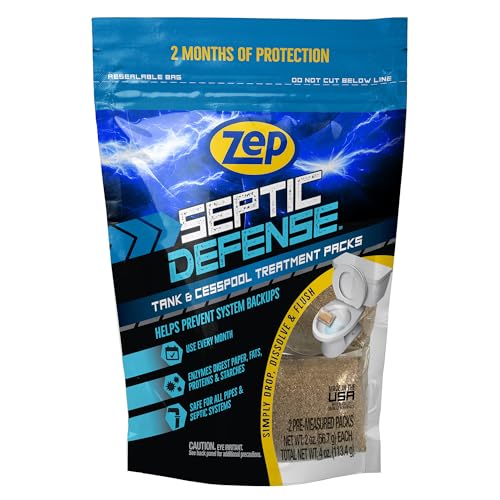
If you want a biodegradable formula from a plumbing-trade brand: The Zep Septic Defense System Treatment Dissolvable Packs ($13.28) — Zep Septic Defense comes as dissolvable monthly packs in a six-month box, and the biodegradable formula is a sensible choice if your property sits near a stream, a pond, or a well. The enzymes cover paper, fats, proteins, oils, grease, and starches, and Zep's contractor reputation gives it more credibility than a lot of newer names. What you give up: the marketing leans on enzymes rather than live bacteria, so you may not get the self-sustaining colony that our picks build. A six-month box also means two orders a year instead of one. If your system drains near sensitive water, look for EPA Safer Choice or NSF certification, which this doesn't carry.
If you're treating an RV or camper black tank instead: The Cabin Obsession RV Toilet Treatment Drop Ins ($19.95) — Cabin Obsession Drop Ins are the easiest thing here to use — one self-dissolving packet per flush, treating up to a 40-gallon tank, with natural enzyme deodorizers and a clean-laundry scent instead of the medicinal bite of formaldehyde-based RV chemicals. A 24-count box covers a lot of weekends. But this is a holding-tank product, not a septic-tank product. RV tanks empty every few days, so enzyme-only formulas make sense there; an in-ground tank works over weeks and needs live bacteria to build a colony. Bigger tanks or heavy use want two or three packets per trip, which eats into the per-treatment value.
The competition
This is what our research surfaced in a category that's crowded with near-identical claims, not a survey of everything on the shelf. Septic treatments are unusually hard to compare because so few brands publish anything you can verify, so a product ending up here often means it does the same job as a pick with less convenience or less transparency behind it.
The Roebic Laboratories ($58.99) — Roebic K-37-Q is a concentrated liquid sold as three 32-ounce bottles, and Roebic has been making septic products for decades with steady shelf presence at the big hardware chains. The liquid format is genuinely useful if your tank is oversized or non-standard, because you dose by volume instead of dropping in a fixed pod that may under-treat a 2,000-gallon tank. It lost to our picks on two counts: it's the priciest upfront purchase here, and liquid dosing is where people most often get it wrong. Owners of liquid treatments regularly report not knowing whether they poured enough. Choose it if you have an unusually large or old system and you're comfortable measuring, or if you simply trust a legacy hardware-store brand over newer names.
Care and habits that protect your tank
The fastest way to waste money on septic treatment is to kill the bacteria you just paid for. Bleach, antibacterial soaps, and chemical drain cleaners all disrupt the microbial ecosystem in your tank, and one heavy bleach load in the laundry can undo months of progress. Switch to plant-based soaps, keep bleach use light, and never pour a chemical drain opener into anything connected to a septic system. Beyond that, treat monthly rather than quarterly — bacterial populations need consistent feeding to hold their numbers. Store pods and packets somewhere temperature-stable, since liquids and powders lose potency in a hot garage or a freezing shed. And pump every three to five years for an average four-person household, no matter how diligent you are with treatment. If you run a garbage disposal, expect to pump more often.
Questions we get
How often should I use a septic tank treatment?
Once a month is the standard for residential systems, and it's what our picks are dosed for. Monthly treatment keeps the bacterial population fed and stable, which quarterly or annual doses don't do as well. Pair it with professional pumping every three to five years for an average four-person household.
Do these treatments actually work, or am I wasting money?
Combined enzyme-and-bacteria products show measurable reductions in sludge buildup and odor in published assessments. Enzyme-only products are weaker over time, because enzymes are consumed in one dose while bacteria reproduce and sustain themselves. The catch is consistency — skipping months is the most common reason people conclude the stuff doesn't work.
What's the difference between enzyme and bacterial treatments?
Enzymes are proteins that speed up the breakdown of waste, but they're used up in the process and can't reproduce. Bacteria are living organisms that produce enzymes on their own and multiply inside the tank. The best products combine both: enzymes for immediate action, bacteria for the long haul.
What should I use on a neglected or backed-up system?
Start with a shock treatment like Instant Power Septic Shock, which is built to break up accumulated organic material rather than maintain a healthy tank. Wait a couple of days, then begin monthly maintenance with RID-X or Walex Bio-Active. If sewage is surfacing in your yard or backing into the house, call a licensed septic contractor before you pour anything down a drain.
Can I use these if I have a garbage disposal?
Yes, but pick a formula with strong fats-and-grease coverage. Disposals push far more fat, oil, and protein into the tank than a toilet-only waste stream does. Green Gobbler's 7-in-1 formula and Walex Bio-Active both explicitly cover that category. Disposals also raise your solid load substantially, so plan on pumping more often regardless of what you're dosing.
Is it possible to overdose my tank?
Overdosing generally won't hurt your tank or plumbing, but it's wasteful. Bacteria and enzymes beyond what the tank can use get flushed out with the effluent and do nothing. Follow the label for your tank size, and if you're unsure of the capacity, use the guidance for the larger volume.
Why you should trust us
For this guide:
- We read manufacturer specifications and listing claims for every product here, comparing formula type, enzyme coverage, dosing format, and stated tank-size limits.
- We reviewed published evaluations of septic treatments and recurring themes in owner feedback, paying particular attention to complaints about dosing confusion and inconsistent results.
- We leaned on EPA guidance for pumping intervals and for what household chemicals disrupt the bacteria these products are meant to support.
- We read owner reviews on every listing, weighted toward the critical ones, because that is where the recurring failures show up.
- We have a systematic way of automatically fetching the latest prices, so the numbers on this page stay current.
- This is a research-focused guide, so the team may not own every product listed — though we often do own the top winners, which gives us extra context for the recommendations.
- We don't accept free products, and the retailer commission never changes which product we recommend.
Sources
Septic Systems Overview — U.S. Environmental Protection Agency, U.S. EPA
How to Care for Your Septic System — U.S. EPA, U.S. EPA
Best Septic Tank Treatments — Bob Vila, Bob Vila
Best Septic Tank Treatments — This Old House, This Old House
Best Septic Tank Treatments — Good Housekeeping, Good Housekeeping
Amazon product listings and owner reviews for all 7 products
Manufacturer specification pages for each product
Some passages in this guide may be paraphrased with AI help. Prices are refreshed automatically.
More like this.
Continue exploring home reviews and recommendations.

The Best Hair Growth Products and Treatments
Hair loss is common enough to be unremarkable and personal enough to feel like a crisis. Roughly 50 million men and 30 million women in the United States…

The Best Smart Propane Tank Level Monitors
Propane always runs out at the worst moment. The burgers are half done, or the camper's furnace quits overnight, or the water heater goes cold on a…

The Best Aquarium Filters for Freshwater Tanks
A freshwater filter is the one piece of equipment in your tank that never gets a break. It runs every hour of every day, pushing water through foam and…

The Best Betta Fish Tanks
A betta is sold as the easy pet, the one that lives in a vase on a windowsill. It isn't. A betta is a tropical fish that wants warm, stable water, a place…

The Best Fish Tank Starter Kits for Beginners
A fish tank is the rare pet that asks for a little work every week instead of a lot every day. But the equipment you start with decides how pleasant that…

The Best Nano Reef Tanks
A nano reef sits on a countertop and asks for attention every few days. The water volume is small, so everything you do to it lands hard. Add a fish, and…