The Best Smart Home Gym Systems
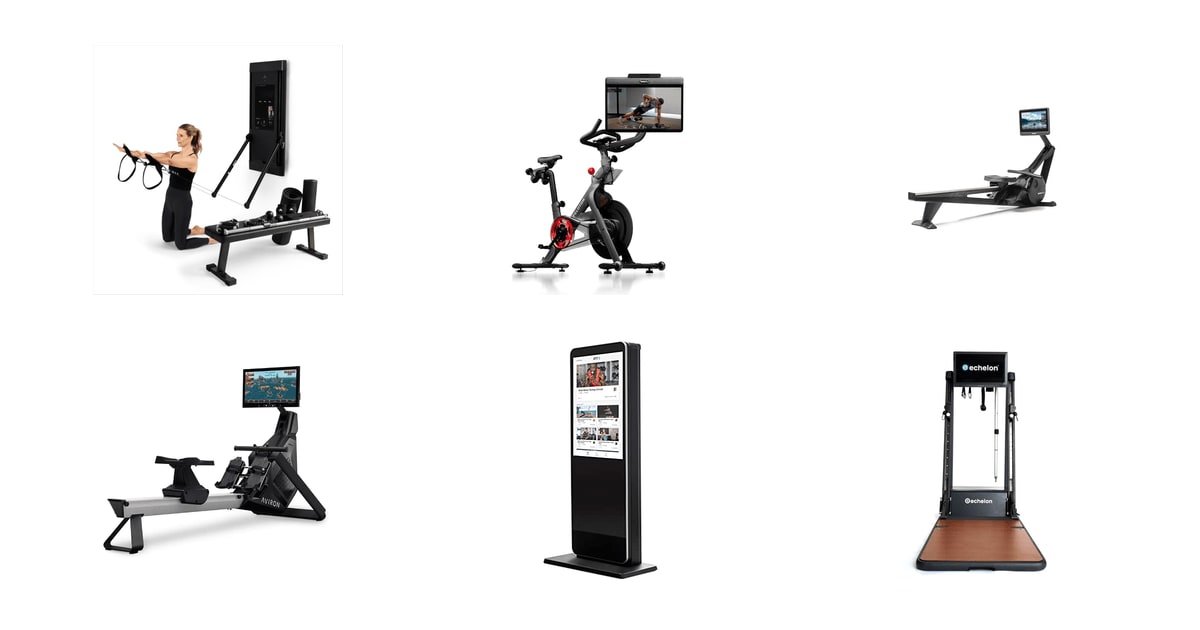
The pitch for a smart home gym is simple: the equipment is already in your house, so the hardest part of working out — getting there — disappears. That's not nothing. If you've got kids asleep upstairs or a calendar that eats your evenings, a machine in the spare room gets used when a studio membership wouldn't. The good systems also do the thinking for you. They pick your weight, count your reps, and nudge the load up as you get stronger, which is most of what a trainer does in a first year.
Here's the catch nobody puts on the box: you're buying a subscription with a machine attached. Nearly every system here goes dumb without one, and over three years the fees can outrun what you paid for the hardware. Screens also age faster than steel. Content libraries get reshuffled, apps get buggy, and owners across every brand report the same thing — the metal holds up better than the software. Work out the full three-year cost before you fall for a leaning frame or a mirror finish.
So the question isn't which machine looks most impressive. It's which one you'll actually stand in front of three times a week, and whether the thing it trains is the thing you want to get better at. Strength and cardio pull in different directions here, and no single box does both especially well. We think that the Tonal 2 is the best smart home gym system for most people, and that the Echelon Strength Home Smart Gym is the one to buy if you can't mount hardware to a wall.
Everything we recommend

A whole weight room on one wall, if you'll pay monthly for it

Cable training without drilling a single hole in your wall

The best classes in connected fitness, if cardio's your thing
At a glance
| Product | Resistance | Screen Size | Price | |
|---|---|---|---|---|
| Tonal 2 Smart Home Gym System: AI-PoweredTop pick | 250 lbs | — | $5,185 |
| Peloton Exercise Bike+Also great | — | 23.8" | $2,695 |
 | Hydrow Wave Rowing Machine for HomeAlso consider | — | 16" | $1,995 |
 | Aviron Strong Series Rower: 22" HD TouchscreenAlso consider | 100 lbs | 22" | $1,999On sale |
 | Nordictrack Vault Complete Reflective Trainer with FitnessAlso in lineup | — | 32" | $1,049.99 |
| Echelon Strength Home Smart GymRunner-up | 110 lbs/arm | 24" | $1,774.07 |
How we picked
Three-year total cost. We added the hardware to three years of required membership using each brand's published subscription terms and commitment lengths. Systems that turn into furniture without a subscription had to earn it with content.
Footprint and install. We compared published dimensions, weights and mounting requirements against a small spare bedroom. Designs that fold, mount or store upright scored better than ones that permanently claim a room.
Resistance range. For strength systems we looked at load per arm and total, because a beginner's first month and a strong lifter's third year should both fit inside the range.
Coaching and content. We read published reviews and manufacturer content claims, weighing library depth, live schedules, and whether the software sets your weight and counts reps on its own.
Reliability signals. We looked through owner feedback on every listing for repeated themes — buggy software, delivery damage, warranty waits — rather than one-off complaints, and we noted published warranty terms.
Top pick
A whole weight room on one wall, if you'll pay monthly for it
Tonal 2 Smart Home Gym System: AI-Powered
Tonal 2 bolts to a wall and replaces a rack of dumbbells with two cable arms that push up to 250 pounds of adaptive resistance. It sets your weight, counts your reps, and adds load as you get stronger, so you can lift hard without a spotter.
$5,185fromAmazonNo other system here gives you this much strength training in this little floor space. The arms mount to studs and fold flat, so the whole gym lives on a wall you were already ignoring. Two cables deliver up to 250 pounds of adaptive resistance between them, which is enough range that a beginner and a serious lifter can share the same machine. Your floor stays clear for the actual work.
The part owners keep coming back to is the spotter. Electromagnetic resistance can drop the load the instant a rep stalls, and that's the scariest moment of lifting alone in a basement. Add camera-based rep tracking and automatic weight bumps, and you get something close to a coach who never cancels. Parents with young kids describe squeezing in thirty focused minutes after bedtime instead of skipping the day.
Content is broad rather than boutique. You get thousands of guided sessions across strength, mobility, yoga and HIIT-style cardio, and one membership covers everyone in the house. That last part matters more than it sounds, because the fee is charged per machine, not per person. If two adults train on it, the math changes a lot.
Installation is the least stressful part of owning one. A space survey confirms your wall will work before anything ships, and white-glove delivery and professional mounting are included, so nobody's wrestling a 210-pound machine against drywall alone. You do need real studs and a clear span of wall, though, and renters should read the lease before they order.
Flaws but not dealbreakers
The membership isn't optional, and it comes with a twelve-month minimum commitment. Skip it and you've got an expensive wall sculpture. Over three years those fees pile up on top of hardware that's already the priciest in this guide.
Support is the weak spot. A minority of owners describe screens arriving crooked, units failing within weeks, and long waits for warranty replacements — and when the machine is bolted to your wall, a service delay means no gym at all. The software draws grumbles too. It's polished, but it's not flexible enough for lifters who want to run their own program.
Published reviews cite a ten-year structural warranty on the frame, the longest structural coverage in the smart strength category.
Runner-up
Cable training without drilling a single hole in your wall
Echelon Strength Home Smart Gym
The Echelon Strength folds into a full-length mirror and stands on its own, so nothing gets bolted to studs. Each arm delivers 5 to 110 pounds of digital resistance, and a smart bar, grips and straps come in the box for squats, rows and presses.
$1,774.07fromAmazonIf you rent, this is the obvious pick. There's no wall mount, no drilling and no landlord conversation — you roll it into place, plug it in, and fold it flat against the mirror when you're done. That single difference is why it's here rather than a second machine that needs studs and a professional installer.
The resistance modes are the interesting part. Beyond normal cable weight you get concentric, eccentric, elastic-band and isokinetic modes, which change how the load behaves through a rep. Eccentric-heavy work is how a lot of physical therapy gets programmed, and elastic mode mimics band training without a drawer full of bands. It's more range than most people will ever use, but it's there when a program calls for it.
Per arm you get 5 to 110 pounds, so 220 across both cables in a two-handed movement. That's plenty for rows, presses and chops for years. Strong lifters will top it out on heavy pulls sooner than they would on our top pick, and that's the honest trade you make for not owning your wall.
The 24-inch touchscreen runs instructor-led strength, HIIT, cardio, yoga and recovery classes, and you can build custom workouts. Owners who bore easily like the swing — heavy lifts one day, yoga the next, virtual racing when neither appeals. Echelon sells bikes and rowers on the same platform, so adding a machine later doesn't mean juggling a second app.
Flaws but not dealbreakers
It's big. Folded, it still stands over six feet tall and eats a wide stretch of wall, and at nearly 290 pounds you won't be nudging it across the room by yourself. Measure the space before you order, and think about the route from your front door.
Storage for the attachments is a genuine annoyance. Owners report buying a separate organizer for the bar, straps and handles, and swapping attachments mid-workout breaks the rhythm of a circuit. Owner feedback is also thin so far, so there's much less long-term reliability history here than for the older systems in this guide.
Also great
The best classes in connected fitness, if cardio's your thing
Peloton Exercise Bike+
The Bike+ pairs a 23.8-inch screen that swivels off the bike with the deepest live and on-demand class catalogue anyone offers. Auto resistance follows the instructor's cues, so you pedal instead of fiddling with a knob every thirty seconds.
$2,695fromAmazonNothing else touches the class library. Peloton runs a live schedule and an enormous on-demand catalogue across cycling, strength, yoga, Pilates and barre, and the company reports more than three million connected fitness subscribers. That scale is why the instructors feel like people you know rather than stock footage. If motivation is your actual problem, the roster is the product you're buying.
The screen swivels a full 360 degrees, so the bike becomes a floor-workout display the moment you step off. With the movement-tracking camera counting reps, you can run a strength session on a mat without buying a second machine. It won't replace cables, but it covers the days you don't feel like riding.
Fit is generous. It takes riders from 4'11" to 6'5" and up to 297 pounds, with an adjustable seat and handlebars and a redesigned saddle. You also get a three-speed fan, front-facing speakers, USB-C charging and Bluetooth. Owners consistently describe assembly as straightforward, and many hand it off to the delivery team anyway.
Flaws but not dealbreakers
It's a bike, so roughly 40 to 50% of your muscles are doing the work. That's good cardio and limited strength. If you want one machine to carry a full-body program, this isn't it.
Buying through a marketplace adds risk. Some owners report loose plugs or a dead screen on arrival and wish they'd ordered direct, where service trucks carry parts and can calibrate on site. The All-Access membership is also a standing monthly commitment, and without it most of what you paid for goes quiet.
Who this is for
Buy one of these if you'd train more often with the equipment twenty feet from your bed, and if you'll genuinely use the coaching you're renting. They suit busy parents, apartment dwellers with one spare corner, and beginners who want something to tell them what weight to lift and when to add more. They're also a fair swap for a premium studio membership. Nearly half of Americans who canceled a gym membership in recent years pointed to home equipment as the reason.
Skip them if you're a self-directed lifter who already knows your program. A barbell, a rack and plates cost less, never need a subscription, and don't have firmware to break. Skip them too if you move often, since several of these weigh more than 200 pounds. This guide covers connected machines with built-in screens and guided programming. It doesn't cover treadmills, plain dumbbells, or app-only services you run off a phone.
How we picked
Total cost: we added hardware to three years of required membership, because the fees often outrun the machine. Space: we read published dimensions against a spare bedroom and favored designs that fold, mount or stand upright. Resistance: strength systems had to cover a beginner's first month and a strong lifter's third year without topping out. Coaching: we weighed library depth, live schedules, and whether the software sets your load and counts your reps instead of leaving it to you. Reliability: we looked for repeated themes in owner feedback and for warranty terms long enough to matter on a machine this heavy.
Other smart home gym systems worth considering
If you want a full-body workout that's easy on your joints: The Hydrow Wave Rowing Machine for Home ($1,995) — Rowing hits about 86% of your muscles in a single stroke, roughly double what cycling asks of you, and twenty minutes on the Wave does real work. The electromagnetic drag is quiet, and at 19 inches wide and 102 pounds it fits where most rowers can't. It stands upright too, though the storage kit is a separate purchase. The 16-inch screen and the on-water video are genuinely lovely to look at. The catch: the good content needs the membership, owners flag Bluetooth and audio glitches, and warranty coverage runs one year.
If you need games to make yourself show up: The Aviron Strong Series Rower: 22" HD Touchscreen ($1,999) — The Aviron Strong Series turns rowing into multiplayer races and arcade challenges, and the company reports game-mode sessions averaging around 23 minutes against 16 for standard workouts. Dual air and magnetic resistance goes up to 100 pounds, it stores upright without a wall mount, and it fits people up to 6'8". The 22-inch screen also runs streaming apps, so you can watch a show and forget you're rowing. Owners praise the steel-and-aluminum build and complain about the software, which stutters often enough to be a recurring theme. The games need a membership too.
The competition
This is what our research surfaced in the connected-gym category, not a census of everything for sale. One machine made the shortlist on paper and then lost badly on what owners reported after delivery.
The Nordictrack Vault Complete Reflective Trainer with Fitness ($1,049.99) — The NordicTrack Vault Complete is a 32-inch touchscreen behind a pivoting mirror, bundled with dumbbells, kettlebells, bands, a block and a mat, and powered by iFIT's library of more than 17,000 on-demand workouts with roughly 70 new classes added weekly. On paper it's the most complete package here, and it carries a ten-year frame warranty with two years on parts and one on labor. In practice, owner feedback on this listing is dominated by units arriving without the promised accessories, cracked mirrors, and refunds that dragged on for months. Some owners also report that a chunk of iFIT's weight-based workouts don't support the Vault at all. If you can buy from a seller who guarantees the accessories actually arrive, the hardware still suits a renter who wants a mirror instead of a machine. We wouldn't take that gamble.
Installation and space planning
Measure twice before you order any of this. Wall-mounted systems need real studs and a clear span roughly seven feet wide and tall, plus room to stand back and fully extend your arms. Tonal's space survey catches most problems before delivery, but renters should read the lease first. Freestanding units solve the drilling problem and create a new one: the Echelon is close to 290 pounds and the Vault is 256, so plan the path from your front door to the room, and check whether it involves stairs or a tight turn. Rowers need their full length plus a couple of feet of clearance behind the seat. Upright storage helps there, though Hydrow's kit costs extra. Every machine here also wants a nearby outlet and solid WiFi where it lives.
Questions we get
What's the best smart home gym system for a small apartment?
For strength, the Tonal 2 wins on floor space because it hangs on a wall and leaves the ground clear. If you can't drill, the Echelon Strength folds into a mirror instead, though it's wide and heavy. For cardio in a tight space, the Hydrow Wave is only 19 inches across and stores upright.
Can I use a smart home gym without paying the subscription?
Partly, and you'll hate it. The hardware on a rower or a bike still gives you resistance and basic metrics without a membership, so you can exercise. But the classes, the guided programs, the coaching cues and most of the tracking live behind the subscription, and that's the whole reason to buy connected equipment. Tonal also requires a twelve-month minimum commitment, so treat the fee as part of the purchase.
Can one of these actually replace a personal trainer?
For general strength and conditioning, mostly yes. These systems set your starting weight, count your reps, add load as you get stronger, and can drop resistance when a rep stalls — which covers the safety and progression a trainer handles early on. What they can't do is watch you with human judgment, work around an injury, or hold you accountable when you stop logging in.
Which system takes up the least floor space?
The Tonal 2, by a wide margin. It mounts to a wall and the arms fold flat, so nothing sits on your floor between sessions. Freestanding options need a permanent footprint even when folded, and rowers need their full length plus clearance behind you unless you store them upright.
What's the best pick if you hate traditional cardio?
The Aviron Strong Series, because it hides the workout inside multiplayer races and arcade games. Aviron's own data shows game-mode sessions running noticeably longer than standard workouts, which lines up with why people stick with it. If games sound gimmicky to you, the scenic rowing on the Hydrow Wave is the calmer version of the same trick.
How should I budget for one of these?
Think in three-year terms, not sticker terms. Add the machine, the required membership for 36 months, and any extras the listing doesn't include — an upright storage kit, an attachment organizer, a heart rate strap. For most systems here the membership is a large share of what you'll spend, and a premium studio membership costs enough that the total reaches parity in about two years.
Why you should trust us
For this guide:
- We read the manufacturer specifications and listing details for every system here, comparing resistance ranges, dimensions, weight limits, screen sizes and subscription terms side by side.
- We combed owner feedback on each listing for repeated themes rather than isolated complaints, which is how the missing-accessory and buggy-software patterns surfaced.
- We leaned on published reviews and industry research for context on class libraries, warranty terms, and how much of your body each type of machine actually works.
- We read owner reviews on every listing, weighted toward the critical ones, because that is where the recurring failures show up.
- We have a systematic way of automatically fetching the latest prices, so the numbers on this page stay current.
- This is a research-focused guide, so the team may not own every product listed — though we often do own the top winners, which gives us extra context for the recommendations.
- We don't accept free products, and the retailer commission never changes which product we recommend.
Sources
Best Home Gym Equipment 2026 — Wirecutter (NYT), Wirecutter
Tonal Smart Home Gym Review — PCMag, PCMag
Best Smart Home Gym Systems 2026 — Tom's Guide, Tom's Guide
Peloton Bike+ Full Review — CNET, CNET
Best Home Gym Equipment 2026 — Forbes Health, Forbes Health
Hydrow Wave Rowing Machine Review — Healthline, Healthline
Tempo Move Review: AI Strength Training at Home — Verywell Fit, Verywell Fit
Connected Fitness Equipment Market Size & Forecast 2025–2030 — Grand View Research, Grand View Research
NordicTrack Vault Complete Review — Good Housekeeping, Good Housekeeping
Home Gym vs. Gym Membership: True Cost Analysis — Consumer Reports, Consumer Reports
Worldwide Survey of Fitness Trends for 2025 — ACSM Health & Fitness Journal, American College of Sports Medicine
Best Connected Fitness Bikes and Rowers — Wired, Wired
Amazon product listings and owner reviews for all 6 products
Manufacturer specification pages for each product
Some passages in this guide may be paraphrased with AI help. Prices are refreshed automatically.
More like this.
Continue exploring health reviews and recommendations.

The Best Smart Home Gym Systems
A home gym only works if you'll walk over to it on a Tuesday night when you're tired. That's the whole game. The best connected systems shrink the…

The Best Home Gym Systems
A home gym earns its keep in the small moments. You've got 40 minutes between a meeting and dinner, and the drive to the gym would eat half of it.…

The Best Smart Garden Systems for Fresh Herbs
Fresh herbs go bad fast. You buy a clamshell of basil for one recipe, use a third of it, and find the rest slimy in the crisper a week later. A smart…

The Best Smart Door Locks and Keyless Entry Systems
A smart lock earns its keep in the small moments. You're carrying groceries in both arms and the door opens anyway. Your kid gets home from school and you…

The Best DIY Smart Home Security Systems
A home security system earns its keep on the days nothing happens. You leave for a long weekend, glance at your phone in an airport line, and see every…

The Best Rowing Machines for Home Gyms
A rowing machine is the rare piece of cardio gear that works nearly your whole body at once. Your legs push, your core braces, your back and arms finish…