The Best Skincare Products From The Ordinary
Most skincare shopping runs on hope. You buy a serum with eight ingredients listed on the front of the box, and you never learn which one did anything. The Ordinary works the other way around. You buy niacinamide as niacinamide, azelaic acid as azelaic acid, and you build a routine one bottle at a time. That's usually cheaper than a prestige routine, and it's a lot clearer. When something stings or breaks you out, you know exactly which bottle to stop using.
But nothing here holds your hand. The labels read like a chemistry index, the brand tells you to patch test 24 hours before first use, and some of these actives shouldn't go on your face on the same night. Direct acids and retinoids are the classic clash, so alternate them. High-concentration vitamin C is fussy about light and air, and it doesn't age gracefully once you've opened it. Results also take weeks, not days, no matter how good the before-and-afters look.
So work on one problem at a time. Shiny and congested? Start with one bottle. Flat and tight? A different one. Buying half the range at once is how people end up with an angry face and a drawer of half-used droppers. We think that the Niacinamide 10% + Zinc 1% is the best The Ordinary product for most people, and that the Azelaic Acid Suspension 10% is the one to buy if redness and the marks breakouts leave behind are your main concern.
Everything we recommend

Oil control and smoother texture, for almost any skin type

Calms redness and fades marks, but the texture takes work
Plumper, less tight skin without adding another active

Firmness without retinoid irritation, at the top of the range
A non-stripping balm cleanser for active-heavy routines
How we picked
Active and strength. We read the brand's own formulation notes and ingredient percentages for every product, then checked how those concentrations compare with what's typical elsewhere. A product had to be doing something specific, not just carrying a trendy ingredient at a token dose.
Skin-type fit. We looked for products with a clear audience — oily, dry, red, sensitive, or aging skin — rather than vague all-purpose claims. Recurring themes in owner feedback told us who tends to react badly to each one.
Routine compatibility. The Ordinary's whole model falls apart if the bottles fight each other. We favored products you can slot into an existing routine, and we flag the ones that force you to drop something else.
Irritation risk. We weighed the brand's own usage warnings, including its patch-test guidance and the strict contact-time limit on the peeling solution, alongside published ingredient references on tolerability.
Packaging and stability. Droppers let air in and clear glass lets light in, which matters enormously for L-ascorbic acid and barely at all for niacinamide. We preferred formulas whose packaging suits the ingredient inside.
Top pick
Oil control and smoother texture, for almost any skin type
The Ordinary Niacinamide 10% + Zinc 1%
This is the bottle to buy if you're not sure where to start. It's a light, water-based serum aimed at shine, congested pores and rough texture, and it plays nicely with nearly everything else you already use.
$6fromAmazonNiacinamide is the least dramatic strong ingredient in skincare. It doesn't peel you, it doesn't make you sun-sensitive, and you can use it twice a day. The listing puts it at 10%, with 1% zinc PCA alongside, and the brand claims oil control in three days and less visible pores at four weeks. Take those timelines loosely. The ingredient itself has a long, boring, well-documented track record, and boring is exactly what you want in a first active.
If your face is shiny by lunch, try this before you start scrubbing with harsher washes. Owners with oily, blemish-prone skin consistently report less midday shine and calmer congestion after a few weeks of steady use. It won't clear a real acne flare on its own, and it won't do much for deep cystic spots. Think of it as turning the volume down rather than switching the sound off.
It also gets along with the rest of your shelf, which matters more than it sounds. You can put it under moisturizer, under sunscreen, or over a hydrating serum. It's fragrance-free and vegan, and the texture is thin enough that it sinks in within seconds instead of sitting on your skin. That makes it easy to keep using every day, and consistency is most of the battle with any active.
The dropper is the one design choice worth knowing about. It's a glass bottle with a pipette, so a little air gets in each time you open it. Niacinamide is stable enough that this isn't a real problem — unlike L-ascorbic acid, it won't go brown on you. But drops are messy when you're rushing. Squeeze it into your palm first, then press it onto your face, and you'll waste a lot less.
Flaws but not dealbreakers
A minority of people don't get along with niacinamide at this strength. Flushing, tiny bumps, or a tight itchy feeling usually show up in the first week or two. Dropping to every other night sometimes settles it. If it doesn't, this just isn't your ingredient, and that's fine. Patch test along your jaw for 24 hours before you commit it to your whole face.
The texture can pill. Layer it under a thick sunscreen or a silicone-heavy primer too fast and you'll get little gray rolls of product when you rub. Give it a minute to absorb and the problem mostly goes away.
Runner-up
Calms redness and fades marks, but the texture takes work
The Ordinary Azelaic Acid Suspension 10%
A cream-gel with 10% azelaic acid, an ingredient dermatologists often reach for with rosacea, acne and the brown marks breakouts leave behind. It's mild enough for morning and night, though the grippy finish takes some getting used to.
$12.20fromAmazonAzelaic acid does several jobs at once, which is unusual for something this gentle. Paula's Choice ingredient dictionary lists it as a common dermatologist recommendation for rosacea, acne, and post-inflammatory hyperpigmentation — the flat brown or purple marks that hang around long after a spot has healed. So if your skin problem is really three problems, this one bottle covers a lot of ground without adding another step to your evening.
Buy this instead of the niacinamide if your skin runs red rather than oily. Owners with rosacea-prone and easily flushed skin report that it calms things down rather than winding them up, and the brand clears it for daily morning and evening use. It's also one of the few actives here that people keep using through pregnancy, though you should ask your own doctor about that rather than take our word for it.
The texture is the thing everyone mentions. It's a matte, slightly waxy cream that grips the skin like a primer, and it can pill under sunscreen or foundation if you use too much or move too fast. A pea-sized amount for the whole face is plenty. Pat, don't rub, and wait a couple of minutes before the next layer. Some people never love the finish, and that's a fair reason to skip it.
The listing says the formula is good for 12 months after opening, which is generous compared with a vitamin C serum. It comes in a squeeze tube rather than a dropper, so there's no pipette to fumble and less air getting in. Small thing, but it makes this an easy one to keep in a travel bag.
Flaws but not dealbreakers
It can tingle or itch for the first minute after you apply it, especially near the nose and on freshly exfoliated skin. That usually fades within a few uses. If it burns rather than tingles, wash it off.
Fading marks is slow work. Expect to keep at it for a couple of months before you can tell a real difference in photos, and wear sunscreen the whole time or you'll undo the progress.
Budget pick
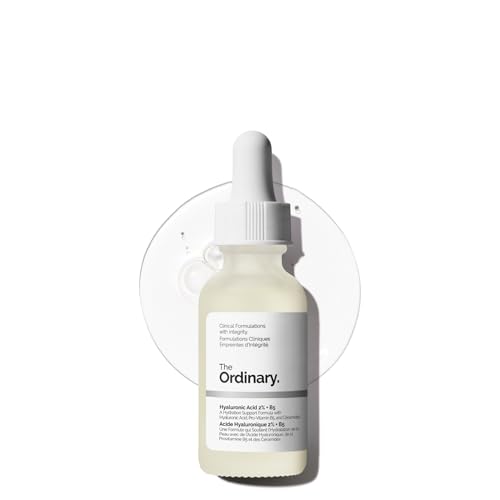
Plumper, less tight skin without adding another active
The Ordinary Hyaluronic Acid 2% + B5
Five forms of hyaluronic acid plus pro-vitamin B5 and ceramides, in a clear, slightly tacky water-based serum. It doesn't treat anything, but it makes dry, tight skin feel comfortable again, and it's the simplest bottle here to add to a routine you already like.
$9.90fromAmazonHydration isn't treatment, and that's the whole point. Nothing in this bottle will fade a spot or clear a breakout. What it does is hold water at the surface, which makes fine dry lines look softer and skin feel less papery by evening. If your actives have left your face feeling tight, this is the least risky thing you can add. There's no adjustment period and no reason to alternate nights.
Use it on damp skin. Humectants pull water from wherever they can find it, so in a dry apartment in winter, a hyaluronic acid serum on a bone-dry face can leave you feeling drier than before. Owners run into this constantly. Splash your face, apply while it's still wet, then seal it with a moisturizer. Do that and it works. Skip it and you'll wonder what the fuss was about.
The ceramides and pro-vitamin B5 are a real upgrade over a plain hyaluronic acid serum, since both support the barrier rather than just sitting on top of it. It layers under everything — niacinamide, sunscreen, makeup — and it's fragrance-free. For a lot of people this is the second bottle they buy, right after the niacinamide, and it's a reasonable first bottle if your skin is more dry than blemished.
Flaws but not dealbreakers
It's tacky. For the first minute or two your face feels faintly sticky, and if you use a heavy hand it stays that way under makeup. Two or three drops for the whole face is enough.
On its own it won't fix genuinely dry skin. It's a step, not a moisturizer, and you still need an occlusive cream or oil over the top for it to hold.
Upgrade pick
Firmness without retinoid irritation, at the top of the range
The Ordinary Multi-Peptide + Copper Peptides 1%
The brand's priciest serum, built around five peptide technologies plus GHK-Cu copper peptides, amino acids and hyaluronic acid. If retinoids wreck your skin but you still want to work on fine lines and slack texture, this is the gentler road.
$32fromAmazonPeptides are the low-drama option for aging skin. You don't peel, you don't flake, and you don't have to build up tolerance over a month of miserable evenings. Owners who've given up on retinol repeatedly land here instead and stay. The brand says it's for firmness, elasticity and fine lines, and the copper peptides double as antioxidant support against everyday environmental stress.
It's the most expensive thing in the lineup by a wide margin, and the brand attributes that to the raw-material cost of peptide and copper-peptide complexes. That's a real constraint rather than a marketing decision — copper peptides are genuinely costly to formulate with. It's still far below what a prestige peptide serum runs, which is the whole reason this bottle gets attention.
Read the layering instructions before you buy. The listing tells you to avoid using it with direct acids, retinoids and strong antioxidants, which rules out pairing it with the peeling solution or a vitamin C serum in the same application. In practice you'll use this on the mornings or evenings when nothing else strong is on your face. If your routine is already crowded, that's an annoying constraint.
Set your expectations low and slow. Peptide results are subtle and cumulative, and the evidence behind them is thinner than the decades of work behind retinoids. Owners who report a difference generally describe it after a couple of months of twice-daily use, and mostly as firmer-looking skin rather than erased lines. It's a maintenance product, not a correction.
Flaws but not dealbreakers
It's tinted blue, from the copper. The color rinses off your hands fine, but a few owners report it transferring onto light-colored towels and pillowcases, so give it a minute to absorb before bed.
A small share of people react to it, usually with stinging or small bumps within the first few uses. Copper peptides aren't automatically gentle just because they aren't acids. Patch test.
Because you can't stack it with acids, retinoids or strong antioxidants, adding it means dropping or rescheduling something else. That's a real cost if the rest of your routine is already working.
Also great
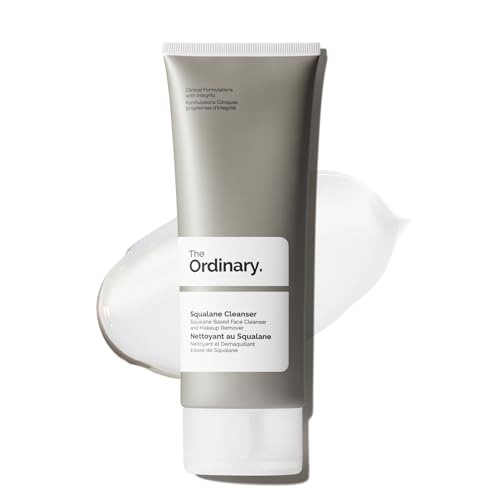
A non-stripping balm cleanser for active-heavy routines
The Ordinary Squalane Cleanser
A soap-free balm that softens on contact and takes makeup and sunscreen off with it. If your actives already leave your face feeling raw, swapping in a cleanser that doesn't strip is the quietest fix in this lineup.
$21fromAmazonThink about how your skin feels right after you wash it. If it's tight and squeaky, your cleanser is doing damage that your serums then have to repair. This one doesn't foam and doesn't contain soap. You warm it in your hands, massage it onto a dry face, and rinse. Skin comes away clean but still soft, which is the point of the whole thing.
It's the best partner for a routine full of acids and retinoids. The tube is fragrance-free, non-comedogenic and accepted by the National Eczema Association, per the listing, which is a meaningful signal if your skin flares easily. Plant-derived squalane does the heavy lifting on makeup and sunscreen. Owners with sensitive and acne-prone skin report that switching to it settled things down without adding another active step.
It's a good makeup remover for everyday wear — foundation, tinted sunscreen, most eye makeup. Really stubborn waterproof mascara may need a second pass or a dedicated remover. The 5.1-ounce tube is bigger than the serum bottles, though a lot of people are surprised at how it looks on arrival, since the balm settles and the tube isn't filled to the cap.
Flaws but not dealbreakers
It can leave a faint film, particularly in hard water. If you wear heavy makeup or a mineral sunscreen, follow it with a gentle gel wash. That defeats some of the simplicity, but the pair is still kinder than one aggressive cleanser.
The tube gets awkward near the end, and the balm melts in a hot bathroom, so it's not the tidiest thing to travel with.
Who this is for
This guide is for anyone building a routine without a prestige budget: beginners who want one good bottle instead of a ten-step regimen, oily and acne-prone people tired of harsh drugstore treatments, and older shoppers who want real actives without prestige pricing. It's also for the tinkerers who'd rather buy niacinamide and azelaic acid separately than pay for a pre-blended "complex" that hides both. If you're happy with what you're using and your skin is calm, there's no reason to switch.
Skip this if you have active, painful cystic acne or a diagnosed condition like moderate rosacea — a dermatologist can prescribe things that work faster and more reliably than anything sold over a counter. We're covering serums, treatments and one cleanser from a single brand. We don't cover sunscreen, which you need regardless, and we don't cover moisturizers, which you'll still want over most of these. And every product here needs weeks of consistent use before a verdict is fair.
How we picked
We started from what's actually in the bottle. Active and strength: we compared each formula's stated concentration against what's typical for the ingredient, and skipped anything carrying a trendy name at a token dose. Skin-type fit: each pick needed a clear audience, with owner feedback showing us who tends to react badly. Routine compatibility: the whole cheap-single-actives model collapses if your bottles fight, so we favored products that layer easily and flagged the ones that don't. Irritation risk: we weighed the brand's own warnings, including its 24-hour patch-test guidance and the strict time limit on the peeling solution. Packaging and stability: droppers and clear glass matter enormously for L-ascorbic acid and hardly at all for niacinamide, so we matched the container to the ingredient.
Other skincare products from the ordinary worth considering
If you want to start retinoids without the peeling: The The Ordinary Granactive Retinoid 2% Emulsion ($12.10) — The Granactive Retinoid 2% Emulsion uses hydroxypinacolone retinoate suspended in an emulsion, which the brand formulates specifically to cut the irritation that comes with traditional retinol. It's a milky lotion rather than a serum, and it goes on at night, after cleansing and before your moisturizer. There's also an anti-irritant extract in the mix. We kept it out of the main picks because retinoids demand patience and discipline in a way our top picks don't — you build up slowly, you can't use it the same night as acids, and sun protection stops being optional. Owners with sensitive skin still report stinging and flaking, so it's gentler, not gentle. But if fine lines are your priority and the peptide serum feels like too much money, start here.
If you want a weekly reset for dull, rough texture: The The Ordinary AHA 30% + BHA 2% ($9.50) — The AHA 30% + BHA 2% Peeling Solution is the brand's viral red mask, and it earns the attention. It's a serious concentration of acids, meant for people who already know how their skin handles exfoliation. The brand's instructions are strict: once or twice a week, on clean dry skin, avoid the eyes, and rinse off after no more than 10 minutes. Don't stretch that. Skin turns bright red while it's on, which alarms first-timers, and it isn't for sensitive or broken skin at all. Sunscreen becomes mandatory during use and for a week after. We didn't make it a pick because most people don't need something this strong, and misuse is common. Use it correctly and occasionally, though, and it does more for dullness than any daily serum.
The competition
This is what our research surfaced, not the whole catalog. The Ordinary sells dozens of products, and plenty of perfectly good ones didn't come up in the shortlist we worked from.
The The Ordinary Dark Spot Collection - Skin ($29.50) — The Dark Spot Collection bundles the Vitamin C Suspension 23% + HA Spheres 2%, Alpha Arbutin 2% + HA, and the same Hyaluronic Acid 2% + B5 serum we recommend above. The logic holds together — direct vitamin C for brightness, alpha arbutin for discoloration, hydration underneath. The problem is the vitamin C suspension itself. It's one of the highest L-ascorbic acid concentrations on the mass market, and that's exactly why it's the fussiest formula the brand makes: gritty on the skin, prone to tingling, and vulnerable to oxidation from light and air once it's open. Paula's Choice ingredient references make the same point about L-ascorbic acid generally. Buying the three separately lets you replace the vitamin C on its own schedule instead of the set's. Get the bundle if you want the convenience and you already know your skin tolerates strong vitamin C.
How to layer and store these
The order is simple: thinnest to thickest. Cleanse, then water-based serums like the niacinamide or hyaluronic acid, then heavier creams like the azelaic acid, then moisturizer, then sunscreen in the morning. Wait a minute between layers and you'll avoid most pilling. Keep the hard stuff apart — direct acids and retinoids belong on alternating nights, not stacked, and the peptide serum shouldn't share a layer with either. Patch test anything new on your jaw 24 hours before you put it on your whole face. Store the droppers out of the bathroom window's light, and pay attention to color: a vitamin C serum that's gone yellow-brown is oxidized and past its useful life. Niacinamide and azelaic acid are far more forgiving.
Questions we get
What order should you apply The Ordinary products in?
Go thinnest to thickest. Cleanser first, then water-based serums like niacinamide or hyaluronic acid, then thicker creams like the azelaic acid suspension, then moisturizer, and sunscreen last in the morning. Give each layer a minute to sink in, or you'll get pilling.
Which products should you avoid mixing?
Don't use direct acids and retinoids on the same night — alternate them instead. The peptide serum's own instructions say to keep it away from direct acids, retinoids and strong antioxidants. Niacinamide and hyaluronic acid are the easygoing ones and layer with almost anything.
Can you use niacinamide and vitamin C together?
Usually, yes. The old warning about the two canceling each other out came from lab conditions that don't reflect how you use a serum. Some people still find the combination stings, so if yours does, put vitamin C on in the morning and niacinamide at night.
Is The Ordinary safe for sensitive skin?
Parts of it. The Squalane Cleanser, the hyaluronic acid serum and the azelaic acid suspension are the gentlest options here, and all are fragrance-free. The peeling solution isn't meant for sensitive skin at all. Whatever you start with, patch test on your jaw 24 hours ahead — the brand recommends it for everything because the concentrations run high.
How often should you use the AHA 30% + BHA 2% Peeling Solution?
Once or twice a week at most, on clean dry skin, rinsed off after no more than 10 minutes. That time limit comes straight from the brand and isn't a suggestion. Wear sunscreen during the period you're using it and for a week after.
Is The Ordinary owned by Estée Lauder?
Effectively, yes. Its parent company, DECIEM, is majority-owned by the Estée Lauder Companies. The formulas and the low pricing have stayed put, and the backing has funded more R&D and quality-control work. The products are cruelty-free and vegan, per the brand's own labeling.
Why you should trust us
For this guide:
- We read The Ordinary's published formulation notes, ingredient concentrations and usage instructions for every product here, including the 10-minute contact limit on the peeling solution and the brand's 24-hour patch-test guidance.
- We cross-checked ingredient claims against reference material such as the Paula's Choice ingredient dictionary, particularly on azelaic acid and the oxidation behavior of L-ascorbic acid.
- We read through recurring themes in owner feedback — pilling, tackiness, texture complaints and who reports irritation — to sort real drawbacks from one-off reactions.
- We read owner reviews on every listing, weighted toward the critical ones, because that is where the recurring failures show up.
- We have a systematic way of automatically fetching the latest prices, so the numbers on this page stay current.
- This is a research-focused guide, so the team may not own every product listed — though we often do own the top winners, which gives us extra context for the recommendations.
- We don't accept free products, and the retailer commission never changes which product we recommend.
Sources
The Ordinary — Official Product Catalog, The Ordinary
DECIEM — Company and Brand Information, DECIEM
Niacinamide — Ingredient Profile and Usage Guidance, INCIDecoder
Azelaic Acid — Ingredient Dictionary Entry, Paula's Choice Ingredient Dictionary
The Ordinary Skincare Reviews and Routine Guides, Byrdie
The Ordinary Product Coverage, Allure
Retinoid vs. Retinol: What Dermatologists Recommend, Healthline
How to Layer Skincare Actives Safely, Good Housekeeping
L-Ascorbic Acid Vitamin C Serums — Stability and Formulation, Paula's Choice Ingredient Dictionary
The Ordinary Coverage and Skincare Trends, Refinery29
Amazon product listings and owner reviews for all 8 products
Manufacturer specification pages for each product
Some passages in this guide may be paraphrased with AI help. Prices are refreshed automatically.
More like this.
Continue exploring beauty reviews and recommendations.

The Best Lip Balms
Lip skin is thin, has almost no oil glands, and takes abuse all day. You lick it, you wipe it, you drink coffee through it, and in a dry room it splits. A…

The Best Ionic Ceramic Hair Dryers
Most of us dry our hair on autopilot: head down, dryer on high, out the door. But the tool you grab every morning does more to your hair over a year than…

The Best At-Home Skincare Devices
A good at-home skincare device does one thing for your evening: it makes five minutes at the bathroom mirror feel worth it. Microcurrent wands nudge…

The Best UV LED Nail Lamps
A gel manicure only works if the gel actually cures. That's the whole job of a nail lamp, and it's why the wrong one can waste an hour of careful…

The Best Retinol Creams for Sensitive Skin
Retinol is the rare skincare ingredient with decades of clinical evidence behind it. It speeds up cell turnover, softens fine lines, and evens out tone…

The Best Self Tanners And Tanning Drops
A good self tanner does one job: it makes you look like you spent a weekend outside, without any of the sun damage. The color comes from DHA, which reacts…