The Best Tool Backpacks
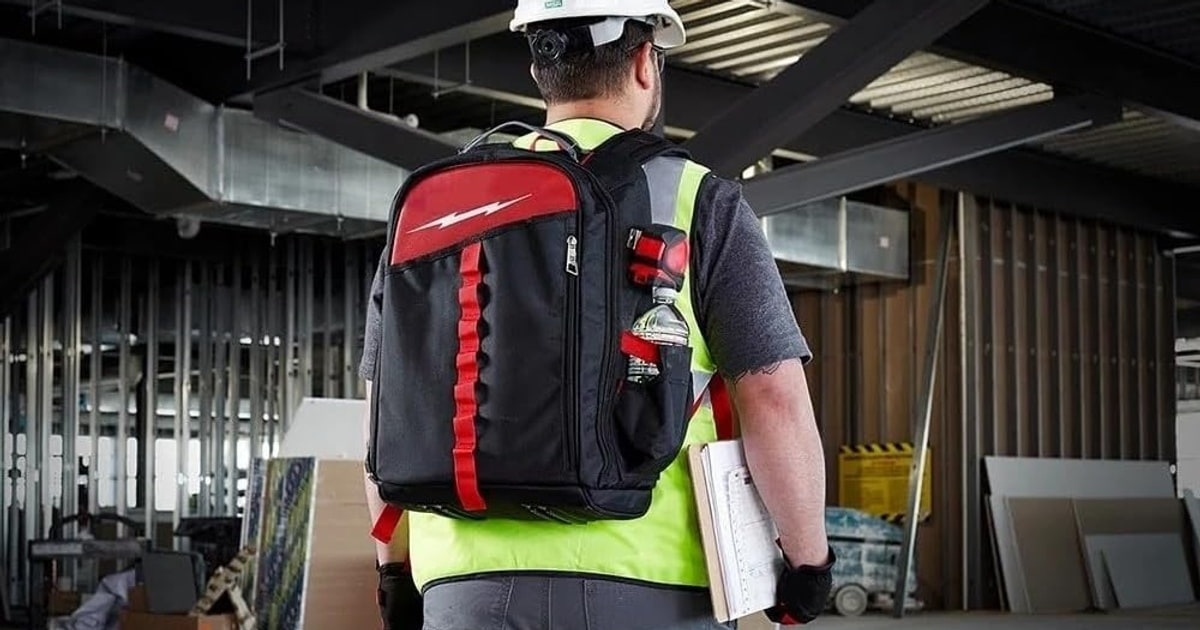
A tool backpack solves a problem a tote never will: it puts both your hands free on a ladder. That matters when you're climbing into an attic in July, or walking three flights up with a service call at the top. It also changes how you pack. Instead of digging through a bucket, you reach for a pocket you've assigned to your linesman pliers and it's there. The good ones stand up on their own when you set them down. The bad ones flop over and spill.
Here's the honest part: every tool backpack is a compromise between organization and weight. Load 40 pockets and you're carrying 35 pounds on your shoulders instead of in your hand. Zippers are the weak point across the whole category — Electrical Contractor Magazine's field testing found zipper failure was the most common failure mode, ahead of torn fabric or busted straps. Nothing here is waterproof either. Molded bases shed a puddle, but a downpour still gets in through the top.
So pick for the base and the fabric first, and let pocket count sort itself out. A rigid molded bottom keeps the pack upright and takes the abuse that kills soft-bottomed bags at the seam. We think that the Klein Tools Tradesman Pro 55421BP-14 is the best tool backpack for most people, and that the Veto Pro Pac Tech Pac is the one to buy if you're in the trades daily and want a pack that outlives several cheaper ones.
Everything we recommend

Deep organization and a molded base, without the premium price
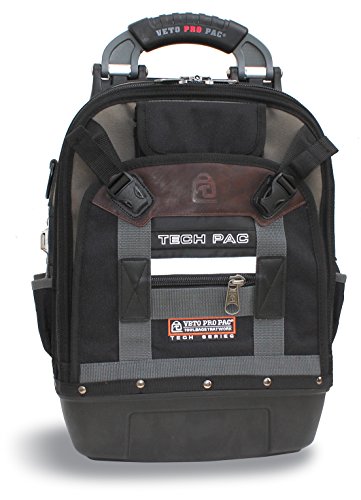
Built to outlast several cheaper packs, if you can pay for it

The one to get if a laptop rides along with the tools

A slimmer pack that doesn't fight you in tight spaces

A lot of pockets and a built-in light, for occasional use
Prices as of Oct 22, 7:36 AM PT · Details
At a glance
| Product | Pockets | Base | Price | |
|---|---|---|---|---|
| Veto Pro Pac Tech Pac Tool BackpackUpgrade pick | 46 | 3mm molded polypro | $314.95 |
| Klein Tools 55421BP-14 Tool BackpackTop pick | 39 | Fully molded bottom | $99.97 |
| DEWALT Tool BackpackAlso great | 43 | Waterproof base | $103.71 |
| 48-22-8202 Tool Backpack for Milwaukee 22-Pocket Low-ProfileAlso great | 22 | Reinforced base | $183.22 |
| CLC Custom Leathercraft L255 Tech Gear 53Budget pick | 53 | Base pad feet | $131.94 |
 | SwissGear Tool Bag BackpackAlso in lineup | 60 solutions | EVA molded bottom | $175 |
 | Klein Tools 62805BPTECH 28-Pocket Laptop Backpack ToolAlso consider | 28 | Curved molded bottom | $129.99 |
 | Veto Pro Pac Tech Pac LT ToolAlso consider | 36 | 3mm molded polypro | $304.95 |
Prices as of Oct 22, 7:36 AM PT · Details
How we picked
Base construction. We treated a molded or reinforced base as close to a requirement, since published reviews and buying guides consistently identify the bottom seam as the first thing to fail. Packs relying only on pad feet had to justify themselves on price.
Fabric and abrasion. We favored 1680D and ballistic-weave nylon over 600D polyester, following Pro Tool Reviews' field work showing markedly less abrasion wear after repeated jobsite drops. Manufacturer spec sheets confirmed denier ratings where listings stated them.
Zippers and hardware. Electrical Contractor Magazine's field testing found zipper failure was the single most common failure mode, ahead of fabric tears and strap failure. We looked for metal zippers, oversized pulls and double-stitched attachment points.
Organization that fits. We compared pocket counts against how each layout is actually sized and oriented, since a low-profile 22-pocket pack can serve a focused kit better than 50 shallow slots. Owner feedback themes about tools tipping out shaped this.
Carry comfort. We compared empty weight, pack depth, strap padding and whether a sternum strap or load-bearing harness was included. Depth mattered as much as weight for anyone working in attics or crawl spaces.
Top pick
Deep organization and a molded base, without the premium price
Klein Tools 55421BP-14 Tool Backpack
The Klein Tradesman Pro gives you 39 interior pockets and a fully molded bottom that keeps the pack standing when you set it down. It's the pack most electricians reach for, and the one that makes the fewest compromises for the money.
$99.97fromAmazonPrices as of Oct 22, 7:36 AM PT · Details
The molded bottom is the reason to buy this one. Klein wraps the whole base in hard molded plastic, so the pack sits upright on wet concrete and doesn't sag when you load it. Family Handyman's buying guide puts a rigid base and reinforced strap stitching ahead of raw pocket count, and that's the right priority. Soft-bottomed packs go first at the bottom seam. This one doesn't have a bottom seam to fail.
Thirty-nine interior pockets sounds like a lot until you're actually assigning tools to them. Klein sizes them for what electricians carry — screwdrivers standing vertically, wrenches in rows, meters and testers in their own slots. The large main opening means you can drop a compact drill in without wrestling it past a zipper. There's a hard molded front pocket for safety glasses, which is the kind of detail you only appreciate after you've cracked a pair.
It's a heavy pack empty, at about six pounds, and that's before you put anything in it. The padded shoulder straps carry the load better than the strap width suggests, and there are grab handles at the top for the short walk from the truck to the door. If you're mostly moving the pack rather than wearing it, that matters more than strap engineering.
Klein is the brand electricians already trust, and that shows up in the details. The interior pockets are sewn deep enough that a long screwdriver doesn't tip out when you swing the pack onto your shoulder. The small zippered pouch handles wire nuts and set screws that otherwise migrate to the bottom of the bag. None of that is exotic. It's just done right, and done consistently.
Flaws but not dealbreakers
It's not water resistant in any meaningful way above the base. The molded bottom keeps ground moisture out, but the fabric body isn't rated, and there's no covered zipper. If you work outdoors in the rain regularly, you'll want a rain cover or a different pack.
There's no laptop compartment. If you're an IT or network tech who needs to carry a machine alongside your tools, this isn't your pack — look at Klein's own 62805BPTECH or the DEWALT instead. Six pounds empty also puts it on the heavy end for a pack you'll wear all day.
Upgrade pick
Built to outlast several cheaper packs, if you can pay for it
Veto Pro Pac Tech Pac Tool Backpack
The Veto Pro Pac Tech Pac is the benchmark premium tool backpack, with a 3mm injection-molded polypropylene base and 46 vertical tool pockets. It costs several times what the Klein does, and it earns that mostly through zipper and base longevity.
$314.95fromAmazonPrices as of Oct 22, 7:36 AM PT · Details
Veto's value is longevity, not features. The 3mm injection-molded polypropylene base is genuinely rigid — this pack stands loaded with 20-plus pounds of tools and doesn't lean. Veto specs industrial-strength double nylon stitching throughout. Owner feedback across the trades consistently comes back to the same thing: these packs get handed down, not thrown out. If you're buying a new backpack every couple of years, the math starts working.
The vertical pocket layout is the other reason people stay in the Veto ecosystem. Forty-six pockets sit upright across two storage bays and four platforms, so you're looking down at tool handles instead of digging sideways. There's a dedicated manifold gauge and hose pocket, which is why HVAC techs gravitate here. A stainless steel tape clip mounts on the outside so your tape isn't eating a pocket.
It's the heaviest pack in this guide at nine pounds empty, and it's noticeably deep front-to-back. On a ladder, that depth pulls you backward more than a low-profile pack does. If you spend your day in crawl spaces and attics, that's a real cost and you should look at the Milwaukee instead.
The zipper story matters more than the spec sheet suggests. Electrical Contractor Magazine's field testing found zippers fail before fabric or straps across the category. Veto's oversized heavy-duty coil zippers with big pull tabs are the part owners mention least — which, for a failure point, is the highest praise available. You can also work them with gloves on.
Flaws but not dealbreakers
The price is a genuine barrier. This is the most expensive pack here by a wide margin, and if you use tools on weekends you will not get your money back out of it. It's a pack for people whose income depends on their tools showing up dry and organized every day.
Nine pounds empty is a lot. Add a meter, a drill, and a working set of hand tools and you're carrying serious weight on two straps. The padded EVA back panel helps, but there's no hip belt to move load off your shoulders.
Also great
The one to get if a laptop rides along with the tools
DEWALT Tool Backpack
The DEWALT DWST560102 pairs 43 pockets with a separate laptop compartment and an IP54 water-resistant section, wrapped in 1680 denier fabric. It's the most sensible pick for field service techs who carry a machine and a toolkit to the same job.
$103.71fromAmazonPrices as of Oct 22, 7:36 AM PT · Details
Most tool backpacks treat a laptop as an afterthought. DEWALT doesn't — there's a separate padded laptop compartment, so your machine isn't sharing space with a set of channel locks. If you're a network tech, an appliance repair tech pulling diagnostics, or anyone whose day includes both a screwdriver and a screen, that separation is the whole point.
The fabric is a step up from most mid-range packs. DEWALT builds this in 1680 denier with a dirt-repellent tarpaulin layer. Pro Tool Reviews' field work found 1680D ballistic-style nylon showed markedly less abrasion wear after repeated jobsite drops than 600D polyester. That's the difference between a pack that looks tired at two years and one that's shredding at the corners.
There's an IP54 water-resistant compartment and a waterproof base, which is more weather protection than the Klein or the Veto claim. IP54 means splashes and dust, not submersion — don't leave it in a downpour. But if you're loading in and out of a truck in wet weather, your paperwork and your laptop stay dry.
Organization is thoughtful rather than maximal. Forty-three pockets, a separate compartment sized for a drill and batteries, a designated bottle pocket, and a section for long tools that would otherwise poke through. The fold-down main pocket is the feature owners like most — you flip it open and see everything at once instead of fishing.
Flaws but not dealbreakers
The base is described as waterproof but it isn't the rigid injection-molded shell you get on the Veto or the Klein. Loaded heavy, this pack is more prone to slumping over time than a fully molded design.
At 19 inches tall and 14.5 wide it's a big pack, and the depth works against you in tight spaces. If your day is mostly attics and crawl spaces, the low profile of the Milwaukee will serve you better.
Also great
A slimmer pack that doesn't fight you in tight spaces
48-22-8202 Tool Backpack for Milwaukee 22-Pocket Low-Profile
Milwaukee designed the 48-22-8202 to cut pack depth rather than add pockets, and at 7.87 inches deep it's the narrowest option here. For techs squeezing through attic hatches and crawl spaces, that's worth more than 20 extra pockets.
$183.22fromAmazonPrices as of Oct 22, 7:36 AM PT · Details
Depth is the spec nobody checks until it's a problem. At 7.87 inches front-to-back, this pack keeps your center of gravity closer to your spine. Milwaukee built it specifically to reduce depth versus competitor backpacks, and that improves your balance on a ladder and lets you turn sideways through a hatch. If you've ever caught a pack on a joist while backing out of an attic, you know exactly what this buys you.
Twenty-two pockets is a deliberate choice, not a shortfall. Eighteen inside, four outside. Techs who carry a focused kit — a meter, a set of drivers, pliers, a few specialty tools — often find pocket-heavy packs mostly hold empty pockets. This one is sized for the kit you actually use every day.
The build spec reads well for the category. 1680D material, a reinforced base, and rugged metal zippers — and given that zippers are the most common failure point, metal hardware is a meaningful upgrade over coil. There's a padded electronics sleeve for a tablet or thin laptop, plus a sternum strap and a load-bearing harness that spreads weight rather than hanging it off two points.
Smaller-framed techs tend to get along with this one better than with the wide packs. The narrower body doesn't hang past your shoulders, and the sternum strap keeps the straps from sliding outward. That's a fit issue that spec sheets never mention and that decides whether you actually wear a pack or just carry it.
Flaws but not dealbreakers
Twenty-two pockets genuinely isn't enough for some trades. If you carry a broad HVAC or general contracting kit, you'll be doubling up tools in pockets, which defeats the purpose. Look at the Veto or the Klein.
This listing sells through a generic storefront rather than Milwaukee directly, so warranty handling and support may not run through Milwaukee's normal channels. Worth understanding before you buy.
Budget pick
A lot of pockets and a built-in light, for occasional use
CLC Custom Leathercraft L255 Tech Gear 53
The CLC L255 Tech Gear packs 53 pockets and a three-level LED light into a soft-sided backpack at a fraction of what the premium packs cost. It's a smart entry point for DIYers and a reasonable second bag for pros.
$131.94fromAmazonPrices as of Oct 22, 7:36 AM PT · Details
The built-in LED is more useful than it sounds. Three output levels let you flood a work area or aim a narrow beam into the pack to find a specific bit. If you've held a flashlight in your teeth while sorting through a dark bag under a sink, you'll use this constantly. It's the kind of feature that shows up on a budget pack precisely because it's cheap to add and genuinely handy.
Fifty-three pockets is the most organization in this guide. CLC splits them into 28 tool pockets, 14 bit pockets, and 11 multi-use slots across a dual-compartment design. There are two straps for a cordless drill and a charger. For a homeowner building a first real kit, having a slot for everything is how you stop losing things.
The base is where the budget shows. Instead of a molded shell, CLC uses large base pad feet to reduce abrasion. That's better than a bare fabric bottom, but it's not the same thing. This Old House editors have noted that soft-bottomed budget backpacks sag and separate at the seam within the first year of daily contractor use. Weekend and light-duty use is a different story.
At five pounds empty it's the lightest full-size pack here, and the padded straps and sternum strap carry it fine. If you're using it a few times a month, the weight savings is a real everyday benefit that the heavier premium packs don't give you.
Flaws but not dealbreakers
If you're in the trades daily, expect this to be a one-to-two-year pack. The soft bottom is the limiting factor, and no amount of careful loading changes that. Budget for replacement or spend more up front.
There's no laptop compartment and no meaningful water resistance rating. It's a tool bag with pockets and a light, not a piece of jobsite gear built for weather.
Who this is for
Buy a tool backpack if you climb ladders, walk long distances from the truck, or carry tools up stairs — anything where you want both hands free. Electricians, HVAC techs, plumbers and field service technicians get the most out of them. So do IT and network techs who need a laptop and a toolkit in one carry. If you're a homeowner assembling a first real kit, a backpack keeps everything sorted in a way a bucket never will.
Skip it if your tools mostly live in a van and get carried a few feet at a time — a tote or a rolling box distributes weight better and is faster to work out of. This guide covers soft-sided tool backpacks in the roughly 20-to-50-pocket range. We're not covering rolling tool bags, hard cases, tool belts, or the modular stacking box systems that several of these brands also sell.
How we picked
We weighted a handful of things heavily and ignored the rest. Base: a molded or reinforced bottom, since that's where packs fail first and what keeps a loaded bag upright. Fabric: 1680D or ballistic weave over 600D polyester, based on published abrasion findings. Hardware: metal zippers and oversized pulls, because zipper failure is the most common way these bags die. Organization: pockets sized and oriented for real tools, not the highest count on the box. Carry: empty weight, pack depth, strap padding and whether there's a sternum strap or harness to spread the load. Tech carry: a genuinely separate padded compartment if you bring a laptop, not a shared sleeve.
Other tool backpacks worth considering
If you want Klein's build with a real laptop compartment: The Klein Tools 62805BPTECH 28-Pocket Laptop Backpack Tool — The Tradesman Pro 62805BPTECH is the tech-focused version of our top pick. You get a padded pocket for laptops up to 17.3 inches, 1680D ballistic weave, a curved molded bottom, and an external USB-C port with a 1.5-foot cord for charging on site. There's even a bracket for a Klein headlamp. The trade-off is pockets: 28 versus 39, with soft neoprene slots sized for meters and testers rather than a full hand-tool kit. It's also heavier than the standard Tradesman Pro. If your day is half diagnostics and half wrenching, this is the better Klein.
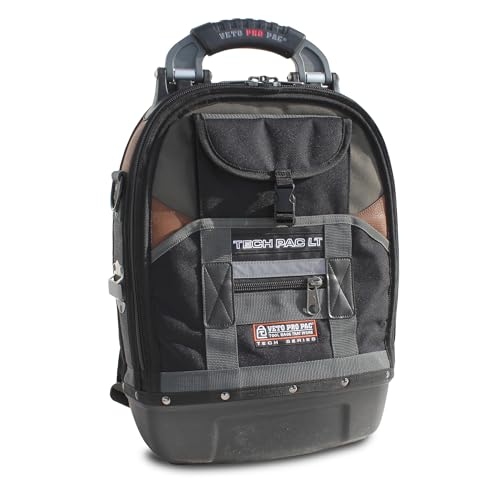
If you want Veto quality in a smaller package: The Veto Pro Pac Tech Pac LT Tool — The Tech Pac LT keeps the same 3mm injection-molded polypropylene base and PVC-impregnated nylon body as the full-size Tech Pac, but shrinks to 36 pockets and a 19.5-inch height. Veto rates it for a 45-pound max payload with 1550 cubic inches of volume, and there's a dedicated back bay for a laptop up to about 15 inches. It's still a heavy pack empty, so this isn't a weight-savings play so much as a size and cost one. Choose it if the full Tech Pac feels like more bag than your kit needs.
The competition
This is what our research surfaced across manufacturer spec sheets, published trade reviews and owner feedback — not a complete map of the category. Plenty of capable packs exist that didn't come up, and several brands here sell variations we didn't look at. Here's the one that came close but didn't make the cut.
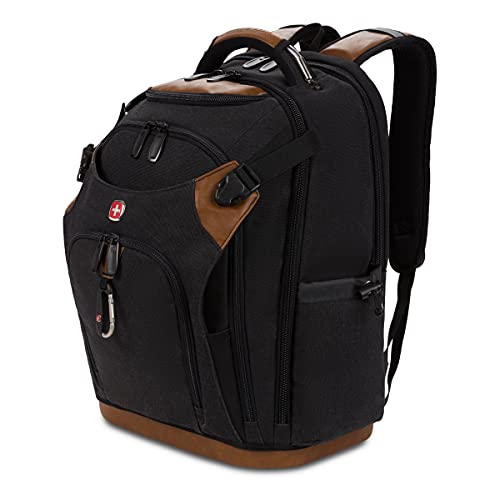
The SwissGear Tool Bag Backpack — The SwissGear Work Pack PRO is a genuinely nice bag that's aimed at a different job than the rest of this lineup. It's built around tech carry — a padded compartment for a 15-inch laptop, a built-in USB charging port, a trolley sleeve for airport travel, and an EVA molded bottom. Sixty storage solutions sounds enormous, but many are cord and card organizers rather than tool pockets. Owners like the durability and the pocket count, though a recurring theme is that it's heavy empty and tends to lean over once loaded with actual tools. Two other notes worth knowing: the black canvas fades, and stitching around the laptop zipper is the spot owners see fail. If you're an IT tech who carries a small kit and travels, it's a strong choice. If you're pulling wire, get a purpose-built tool pack.
Care and maintenance
Zippers kill these packs, so treat them first. Brush grit out of the teeth with a dry toothbrush when the pack comes off a dusty job, and hit them with a dry lubricant or paraffin wax a few times a year — never oil, which holds dirt. Don't force a stuck slider; back it off and clear the track. Empty the pack fully every month or so and shake out the drywall dust and metal shavings that collect in the bottom of the pockets, since that grit is what abrades the fabric from inside. Spot-clean with mild soap and let it air dry standing up, away from a heater. If your pack has a molded base, rinse the mud off it rather than letting it cake. And don't overload past what the straps were built for — blowing out a strap seam is usually a load problem, not a build problem.
Questions we get
What's the best tool backpack for electricians?
The Klein Tradesman Pro 55421BP-14 is our top pick and the one you'll see most on electrical jobs. Its 39 interior pockets are sized and oriented for hand tools, and the fully molded bottom keeps it upright on a wet slab. If you also carry a laptop, Klein's 62805BPTECH is the better version for you.
What's more durable, 600D or 1680D nylon?
1680D, clearly. Pro Tool Reviews' field work found packs built with 1680D ballistic-style nylon showed markedly less abrasion wear after repeated jobsite drops than 600D polyester. Denier measures fiber thickness, so higher numbers resist scuffing against concrete and truck beds better. It's the single spec worth checking before you buy.
Is the Veto Pro Pac worth it over a Klein?
It depends on how often you use it. Veto's advantage is longevity — the 3mm injection-molded base and heavy-duty zippers are what owners say outlast cheaper packs, not extra features. If tools are how you earn a living, the replacement math tends to favor Veto. If you use tools on weekends, the Klein does nearly everything for far less.
Can a tool backpack hold a laptop?
Some can, and it matters that the compartment is separate rather than a shared sleeve. The DEWALT DWST560102 has a dedicated laptop compartment, Klein's 62805BPTECH takes machines up to 17.3 inches, and Veto's Tech Pac LT has a back bay that fits most 15-inch laptops. Our top pick doesn't have one at all.
How many pockets does a good tool backpack need?
Fewer than the marketing suggests. Family Handyman's buying guide recommends prioritizing a rigid base and reinforced strap stitching over raw pocket count, and that's the right call. Count the tools you carry daily, then add a little room. Milwaukee's 22-pocket low-profile pack serves a focused kit better than a 50-pocket bag full of empty slots.
Are tool backpacks water resistant enough for outdoor work?
Mostly they resist water rather than block it. Molded polypropylene bases keep ground moisture and puddles out, and the DEWALT adds an IP54-rated compartment for splashes and dust. But zippers and top openings aren't sealed on any of these. In steady rain you'll want a cover or a trip back to the truck.
Why you should trust us
For this guide:
- We compared manufacturer spec sheets for base construction, fabric denier, pocket counts and empty weight across every pack in this guide.
- We read published trade coverage from Pro Tool Reviews, Electrical Contractor Magazine, This Old House and Family Handyman on abrasion resistance, failure points and what to prioritize when buying.
- We reviewed recurring themes in owner feedback — sagging bases, zipper and stitching failures, and pack weight — and used them to shape the flaws and caveats here rather than the praise.
- We read owner reviews on every listing, weighted toward the critical ones, because that is where the recurring failures show up.
- We have a systematic way of automatically fetching the latest prices, so the numbers on this page stay current.
- This is a research-focused guide, so the team may not own every product listed — though we often do own the top winners, which gives us extra context for the recommendations.
- We don't accept free products, and the retailer commission never changes which product we recommend.
Sources
Veto Pro Pac Tech Pac Product Specifications, Veto Pro Pac
Klein Tools Tradesman Pro Tool Backpack Specs, Klein Tools
Pro Tool Reviews: Best Tool Backpacks, Pro Tool Reviews
Tools In Action: Tool Backpack Comparison and Durability Testing, Tools In Action
DEWALT DGL523 Tool Backpack Product Page, DEWALT
Milwaukee Low-Profile Tool Backpack Product Page, Milwaukee Tool
This Old House: Best Tool Backpacks for Contractors, This Old House
Family Handyman: Tool Backpack Buying Guide, Family Handyman
CLC Custom Leathercraft 1132 Backpack Specifications, CLC Work Gear
Ridgid Pro Gear Tool Backpack Product Page, Ridgid
Electrical Contractor Magazine: Field Test of Tool Bags and Backpacks, Electrical Contractor Magazine
Home Depot: Husky 20 in. Tool Tech Backpack Customer Ratings & Specs, The Home Depot
Amazon product listings and owner reviews for all 8 products
Manufacturer specification pages for each product
Some passages in this guide may be paraphrased with AI help.
Product prices and availability are accurate as of the date/time indicated and are subject to change. Any price and availability information displayed on Amazon.com at the time of purchase will apply to the purchase of this product.
More like this.
Continue exploring home reviews and recommendations.

The Best Sleeping Bags for Camping and Backpacking
A sleeping bag is the one piece of camping gear you notice at 3 a.m. When it's right, you don't think about it at all. When it's wrong, you spend the…

The Best Laptop Backpacks for Commuters
A commuter backpack has one job that matters more than the rest: get your laptop to the office and home again without a scratch. But you feel the other…

The Best Disc Golf Bags and Backpacks
A disc golf bag is the one piece of gear you touch on every single hole. You'll sling it on and off two dozen times a round, dig through it for a putter…

The Best Rolling Backpacks for Students and Commuters
A bag loaded with textbooks, a laptop and a water bottle can easily hit twenty pounds, and your shoulders feel every one of them by the third block.…

The Best Travel Backpacks for Carry-On
A good carry-on backpack ends the part of travel you dread. No baggage claim, no gate-check roulette, no wondering whether your bag made the connection.…

The Best Osprey Backpacks
A backpack is one of the few things you buy that has to fit you, not just hold your stuff. Get the torso length wrong and a loaded pack digs into your…