The Best Vibration Plates for Recovery
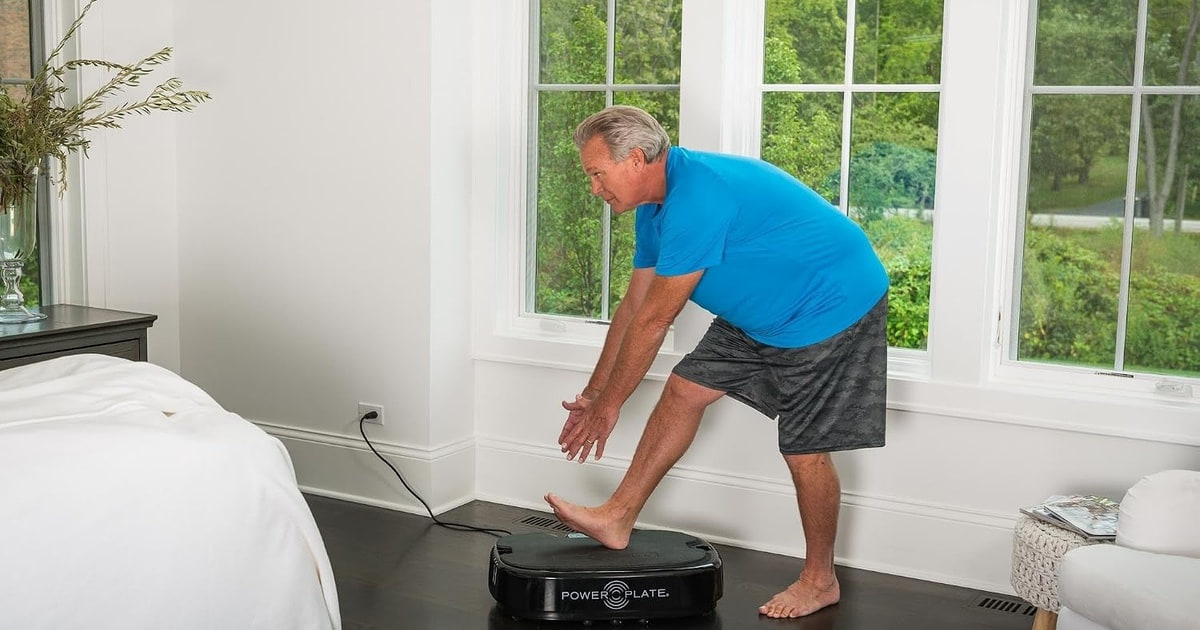
A vibration plate is a simple thing: a motorized deck you stand on while it shakes. For recovery, that shaking is meant to loosen tight muscles, nudge circulation along, and take the edge off next-day soreness. What separates a good plate from a bad one isn't the marketing. It's whether the motor holds a steady frequency under your bodyweight, whether the deck stays put on a hard floor, and whether the controls let you dial intensity down instead of only up. Recovery lives at the low end of the range.
Here's the honest part. The research on whole-body vibration is real but modest. Controlled trials collected in the Journal of Musculoskeletal & Neuronal Interactions found that vibration before or after exercise reduced markers of delayed-onset muscle soreness, and Mayo Clinic notes short-term circulation and flexibility benefits. But evidence for long-term fitness or weight loss stays thin, and no plate here will outperform sleep, water and an easy walk. Treat any of these as a supplement to stretching and foam rolling, not a replacement.
So we focused on the specs that shape a recovery session: the frequency band, how finely you can adjust it, how much deck you get to stand on, and how much user weight the frame is rated to hold. We also weighed footprint, because a plate you have to drag out of a closet gets used less. We think that the Power Plate Move is the best vibration plate for recovery for most people, and that the Power Plate Personal is the one to buy if you need it to disappear under a bed between sessions.
Everything we recommend

Clinic-grade vibration on a deck big enough to move on
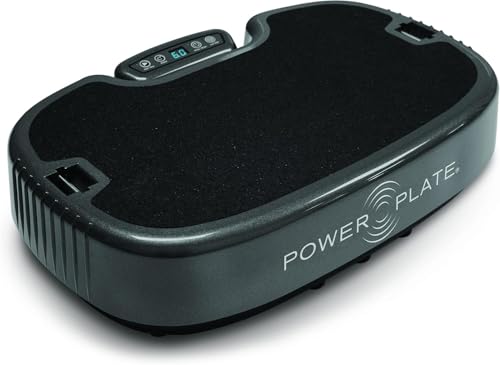
The same harmonic feel, in something you can store under a bed

Three motors and a huge deck for a fraction of the money
Prices as of Oct 24, 6:27 AM PT · Details
At a glance
| Product | Speeds / frequency | Weight capacity | Price | |
|---|---|---|---|---|
| Power Plate Move Vibration Plate Exercise MachineTop pick | 6 levels, 30-40Hz | 300 lbs | $2,976 |
| Power Plate Personal Vibration Plate Exercise MachineRunner-up | Up to 35Hz | 264 lbs | $1,697 |
| LifePro Rumblex Plus 4D Vibration Plate ExerciseBudget pick | 60 speeds, 4-40Hz | 500 lbs | $399.99 |
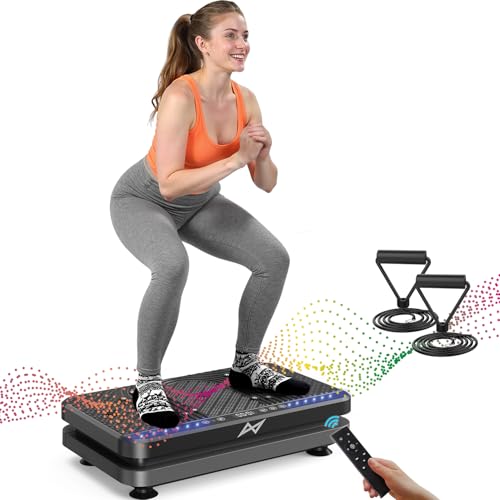 | AXV Vibration Plate Fitness Platform Exercise MachineAlso in lineup | 1-120 speed levels | — | $129.99 |
 | MERACH CV30 Pro Curved Vibration Plate ExerciseAlso consider | 10 speed levels | 400 lbs | $89.99On sale |
Prices as of Oct 24, 6:27 AM PT · Details
How we picked
Frequency and control. We compared published frequency ranges and speed steps across every spec sheet in the lineup. For recovery, being able to work near the bottom of the range matters more than a high ceiling.
Type of motion. Oscillating and multi-plane plates are generally gentler on knees and hips than pure vertical shaking, a distinction Consumer Reports has drawn between budget and commercial-grade machines. We weighted that heavily here.
Stability and size. We read deck dimensions, machine weight and user weight ratings for each model. A plate that creeps across the floor or leaves your heels hanging off the edge is a plate you'll stop using.
Evidence behind it. Some makers have years of published sports-science work behind their platforms and some have none at all. We took that seriously without pretending a budget plate can't help with circulation and soreness.
Living with it. We looked at footprint, storage, remotes, timers and included accessories, plus recurring themes in owner feedback about noise and long-term reliability.
Top pick
Clinic-grade vibration on a deck big enough to move on
Power Plate Move Vibration Plate Exercise Machine
The Move is the plate that physical therapy clinics and pro training rooms actually buy, with a 30-inch-wide deck and six intensity levels between 30 and 40 Hz. It's heavy and it's big, and it costs more than everything else here, but nothing else stays this planted under load.
$2,976fromAmazonPrices as of Oct 24, 6:27 AM PT · Details
The vibration itself is the reason to buy this. Power Plate calls its system PrecisionWave, and the practical upshot is a harmonic shake rather than a rattle. You get six levels from 30 to 40 Hz plus a low or high amplitude switch, so you can sit at the gentle end for circulation work and step it up when you want your legs to fight the platform. That range of control is rare.
The deck is 30 by 24 inches, about 35 percent more surface than the Personal model. That sounds like a small thing until you try a wide-stance squat or a lateral lunge and your heel hangs off the edge. Planks and push-ups work here too, with your hands on the platform and your feet on the floor. You get room to train, not just stand.
At 85 pounds, it doesn't walk across the floor. Cheap plates hop and creep when you shift your weight, and that wobble is what makes people quit using them. The Move's mass keeps it still, even at high amplitude with a 300-pound user on top. It's the difference between a machine you trust with your eyes closed and one you keep glancing down at.
The remote matters more than it sounds. You can change levels while you're lying on the floor with your calves on the deck, which is where a lot of recovery work actually happens. Power Plate includes two straps for upper-body pulls, a rubber mat, and a timer that runs up to nine minutes, which covers the short sessions most guidance points to.
Flaws but not dealbreakers
It's a lot of machine. Eighty-five pounds and a 30-by-24-inch footprint means it lives wherever you put it, and getting it up a flight of stairs is a two-person job. If your recovery corner is also your living room, the Personal makes more sense.
The frequency floor is 30 Hz, higher than the very gentle 5-to-15 Hz band some recovery protocols favor. You're working in Power Plate's circulation range rather than a whisper-soft one, which is fine but worth knowing. It's also the most expensive plate here, and owner feedback on this particular listing is still thin, so there isn't much long-term consumer signal to lean on.
Runner-up
The same harmonic feel, in something you can store under a bed
Power Plate Personal Vibration Plate Exercise Machine
The Personal runs the same PrecisionWave vibration, up to 35 times per second, on a deck just over six inches tall that weighs about 40 pounds. You give up platform size, user weight rating and timer flexibility, but you keep the thing that makes a Power Plate worth owning.
$1,697fromAmazonPrices as of Oct 24, 6:27 AM PT · Details
Most people don't have a spare corner for an 85-pound machine. The Personal measures 27.5 by 18.7 inches and stands 6.2 inches tall, so it slides under a bed or stands on end in a closet. It ships with a soft carrying case, which tells you how the company expects you to live with it. Storage is the whole pitch.
The vibration is the part that didn't get cheapened. It's the same high-fidelity harmonic system, running up to 35 Hz, with the same low and high amplitude choice. Next to a budget plate's loose wobble, the feel underfoot is tighter and more even. That's what you're paying for, and it survived the shrink down to a home-sized frame.
You can do the same catalogue of work here: squats, planks, push-ups, lunges, plus upper-body pulls with the included handles. The remote lets you change settings from the floor without standing up. The rubber mat keeps the plate from creeping on tile or hardwood, which matters more on a 40-pound frame than it does on an 85-pound one.
Think of it as the same medicine in a smaller dose. If you mostly stand, do calf work and stretch on the plate, you'll never miss the extra deck space. If two adults in the house want to squat on it at high amplitude, buy the Move instead and give up the closet.
Flaws but not dealbreakers
The user weight rating drops to 264 pounds, and the platform is narrow enough that a wide stance puts your feet close to the edges. Taller users and anyone near that limit should look at the Move or the Rumblex Plus.
The timer is the strange part: 30 or 60 seconds per press, so a 10-minute session means reaching for the remote again and again. Owner sentiment on this listing also runs more divided than it does on Power Plate's larger machines, so buy from a seller whose return window you can live with. For a small, light plate, it's still expensive.
Budget pick
Three motors and a huge deck for a fraction of the money
LifePro Rumblex Plus 4D Vibration Plate Exercise
The Rumblex Plus stacks oscillating, linear and pulsating motors into one platform, with 60 speed levels spanning 4 to 40 Hz and a 500-pound weight rating. It's the only plate here whose stated range dips into the gentle single digits, and it costs a small fraction of a Power Plate.
$399.99fromAmazonPrices as of Oct 24, 6:27 AM PT · Details
That 4-to-40 Hz range is what makes this a recovery plate. Sixty speed levels give you real room at the bottom, where slow oscillation feels more like a massage than a workout. Start low, stay there for 10 minutes, and you're using vibration roughly the way published guidance suggests. The top of the range is there on days when you'd rather load up and squat.
Three motors do three different jobs. Oscillation rocks you side to side, which is generally easier on knees and hips than straight vertical shaking. Pulsation adds a rolling wave, and the linear motor drives up and down. Seven modes mix them together, and you'll probably settle on two favorites within a week. That's fine, they're the two you'd want anyway.
The platform is 29.5 by 18 inches, close to Move-sized, with a 500-pound rating that comfortably covers larger users. That combination is unusual at this end of the market, and it's the main reason we'd point a heavier or taller shopper here rather than at the Power Plate Personal. Transport wheels make it a one-person job to move.
You also get two handled resistance bands that anchor to the plate, four mini bands, a remote and three presets. The built-in Bluetooth speaker is a gimmick, but a harmless one. None of this is clinic equipment, and LifePro doesn't have decades of sports-science work behind it. For loosening up after a long run, that gap matters less than you'd think.
Flaws but not dealbreakers
A 40-pound frame carrying a 500-pound rating is a compromise, and it shows up as creep on hard floors when a heavier user shifts around at high speed. Keep the included mat under it and stay in the middle of the range. Budget plates also tend to get louder as their motors age, and this one has three of them.
The marketing is loud. The listing sells weight loss and body shaping, and the evidence for that is weak. Mayo Clinic's read is that long-term fitness and weight-loss claims for vibration training remain unsupported. Buy this for circulation, stretching and post-workout looseness, and ignore the rest of the copy.
Who this is for
This guide is for people who want vibration as a recovery tool: sore legs after a long run, stiff hips after eight hours in a chair, or an older adult working on balance and circulation. The American Physical Therapy Association has cited whole-body vibration as a supplementary modality in rehab, particularly for balance training in older adults, and clinical trials published in Osteoporosis International found measurable bone density gains in postmenopausal women using low-magnitude, high-frequency protocols over a year. If that's your goal, a plate can earn its floor space.
It isn't for everyone. Cleveland Clinic advises people with pacemakers, recent surgery, severe diabetes, or who are pregnant to talk to a physician first, and that's worth doing before you buy rather than after. We're only covering standing platforms you can order and set up at home, so massage guns, vibrating rollers and commercial machines sold through clinical distributors are out of scope. If you want vibration for strength and power rather than recovery, you'd shop for a higher frequency ceiling than we prioritized here.
How we picked
Frequency and control: we compared published Hz ranges and speed steps, and favored plates that let you work low, because recovery happens at the gentle end. Type of motion: oscillating and multi-plane platforms are easier on knees and hips than pure vertical shaking, so they got the benefit of the doubt. Stability and size: deck dimensions, machine weight and user weight ratings decide whether a plate stays put and whether your feet fit on it. Evidence behind it: we gave credit to brands with real published research, without dismissing budget plates that can still help circulation. Living with it: footprint, storage, remotes, timers, bands and owner feedback about noise and reliability broke the ties.
Other vibration plates for recovery worth considering
If you want a quiet, curved plate for a small apartment: The MERACH CV30 Pro Curved Vibration Plate Exercise — The MERACH CV30 Pro is the most apartment-friendly plate we'd recommend, at 23.2 by 12.8 inches and under five inches tall, with a curved silicone deck that cups your feet instead of leaving them flat. A 150W motor and 11 mm amplitude give it real punch for the size, and it's rated to support users up to 400 pounds. Auto mode reads your step frequency and adjusts speed on its own, which is genuinely pleasant when you're just marching in place with a podcast on. Bluetooth speakers, an LED panel and a remote round it out. What you give up is precision: ten speed levels and no published frequency range, so you can't target a specific recovery Hz the way you can on the Rumblex Plus or either Power Plate. The deck is also too narrow for squats or planks, so treat it as a standing and marching platform.
The competition
This is what our research surfaced among plates you can buy on Amazon, not a map of the whole category. Several well-regarded recovery platforms sell direct from the manufacturer or through clinical distributors and never appear in a marketplace search. Among what we did look at, one plate didn't earn a recommendation.
The AXV Vibration Plate Fitness Platform Exercise Machine — The AXV is a compact oscillating plate with 120 speed levels, two resistance bands, a remote and an LED display, and at about 20 pounds it's the lightest thing here. That lightness is the problem. A plate this small and this light has little to hold it steady when you shift your weight, and the listing publishes speed numbers instead of a frequency range, so you're guessing at intensity rather than choosing it. The copy promises instant body sculpting and shows a burned-calorie figure on screen, which isn't something a consumer plate can actually measure. If you want something small and cheap to find out whether vibration does anything for you, it'll answer that question. Most people will be happier with the Rumblex Plus.
Setup and session notes
Put the plate on a hard, level floor with the rubber mat underneath. Carpet swallows the vibration and lets the frame creep. Keep your knees soft rather than locked, and start at the lowest setting for a couple of minutes to see how your body answers. Most guidance, including the American Council on Exercise, points to sessions of roughly 10 to 15 minutes, with longer exposure adding nothing and sometimes leaving you rattled. Wipe the deck down afterward, since sweat wears on the non-slip surface over time. Every month or so, check that all the feet are sitting flat and the bolts are snug. If you hear a new knock or buzz, stop and look at it before it turns into a motor problem.
Questions we get
Are vibration plates actually good for muscle recovery?
The evidence is decent for soreness, thinner for everything else. A systematic review in the Journal of Musculoskeletal & Neuronal Interactions found that vibration exposure before or after exercise reduced markers of delayed-onset muscle soreness across multiple controlled trials. Mayo Clinic also notes short-term circulation and flexibility benefits, while cautioning that long-term fitness and weight-loss claims aren't supported. So use it for looseness and soreness, not as a fat-loss machine.
What frequency should I use for recovery versus strength training?
Lower for recovery, higher for strength. Power Plate itself recommends the lower end of its band for circulation and recovery protocols and the higher end for strength work. On a plate with a wide range like the Rumblex Plus, that means staying in the single digits or low teens rather than climbing toward 40 Hz. If you feel your jaw or vision shaking, you're too high.
Is oscillating or linear vibration better for post-workout soreness?
For most people, oscillating. Side-to-side pivotal motion is generally gentler on knees, hips and spine than straight vertical shaking, which is part of why Consumer Reports draws that line between consumer plates and commercial-grade machines. Linear plates transmit more force, which suits power training but can feel harsh on tired legs. Multi-motor platforms let you pick, which is the safest option if you're unsure.
How long should I stand on a vibration plate?
About 10 to 15 minutes is the sweet spot. The American Council on Exercise notes that most vibration training research supports session lengths in that window, with diminishing or even counterproductive returns beyond it. Session length matters more than intensity for recovery, so resist the urge to max out the speed. Two short sessions beat one long one.
Can you use a vibration plate every day?
Daily short sessions are reasonable for most healthy adults, and that's how a lot of circulation and balance protocols are structured. Keep the intensity moderate and the duration in the 10-to-15-minute range rather than stacking long sessions back to back. If you're sore, dizzy or feeling numbness afterward, back off the frequency or take a day. Anyone in rehab should follow their clinician's schedule instead.
Who should avoid vibration plates?
Cleveland Clinic advises that people with pacemakers, recent surgery, severe diabetes, or who are pregnant should consult a physician before using one. The same caution applies if you have retinal problems, blood clots, acute joint injuries or implanted hardware. None of that means a plate is automatically off limits, but it's a conversation to have before you buy. Ask about frequency and session length while you're at it.
Why you should trust us
For this guide:
- We read manufacturer spec sheets and full Amazon listings for every plate in this lineup, comparing frequency ranges, amplitude settings, deck dimensions, machine weight and user weight ratings side by side.
- We reviewed published guidance from Mayo Clinic, Cleveland Clinic, the American Council on Exercise and the American Physical Therapy Association, along with clinical findings reported in the Journal of Musculoskeletal & Neuronal Interactions and Osteoporosis International.
- We looked at recurring themes in owner feedback around stability, noise and long-term motor reliability, and weighed them against what each maker claims.
- We read owner reviews on every listing, weighted toward the critical ones, because that is where the recurring failures show up.
- We have a systematic way of automatically fetching the latest prices, so the numbers on this page stay current.
- This is a research-focused guide, so the team may not own every product listed — though we often do own the top winners, which gives us extra context for the recommendations.
- We don't accept free products, and the retailer commission never changes which product we recommend.
Sources
Whole-Body Vibration Exercise: Physiologic Responses and Diverse Clinical Applications - NIH/PubMed, PubMed / National Library of Medicine
Effects of Whole-Body Vibration on Delayed-Onset Muscle Soreness - Journal of Musculoskeletal & Neuronal Interactions, Journal of Musculoskeletal & Neuronal Interactions
ACE Fitness: Does Vibration Training Work?, American Council on Exercise (ACE Fitness)
Whole Body Vibration - Cleveland Clinic Health Essentials, Cleveland Clinic
Vibration Therapy: Benefits and Risks - Mayo Clinic, Mayo Clinic
Power Plate Research & Science Overview, Power Plate
Marodyne LiV Clinical Evidence and FDA Clearance, Marodyne
Low-Magnitude Mechanical Signals and Bone Density in Postmenopausal Women - Osteoporosis International, Osteoporosis International
Best Vibration Plates 2026 - Consumer Reports, Consumer Reports
How Whole-Body Vibration Training Affects Muscle Recovery - Healthline, Healthline
NASA-Funded Research on Vibration and Musculoskeletal Health, NASA Technology Transfer Program
Physical Therapy Applications of Whole-Body Vibration - American Physical Therapy Association, American Physical Therapy Association (APTA)
Amazon product listings and owner reviews for all 5 products
Manufacturer specification pages for each product
Some passages in this guide may be paraphrased with AI help.
Product prices and availability are accurate as of the date/time indicated and are subject to change. Any price and availability information displayed on Amazon.com at the time of purchase will apply to the purchase of this product.
More like this.
Continue exploring health reviews and recommendations.

The Best Remote Vibration Dog Training Collars
A vibration collar is a tap on the shoulder from across the yard. You press a button, your dog feels a short buzz on the neck, and you get their attention…

The Best Foam Rollers for Muscle Recovery
Foam rolling is the rare recovery habit that actually fits into a normal week. You don't need a table, a therapist, or an appointment. You need ten…

The Best Compression Clothing for Workout Recovery
Compression gear is one of the few pieces of workout equipment you wear when you're not working out. The idea is simple: snug fabric squeezes your legs,…

The Best Off-Road Recovery Boards
Getting stuck isn't really an if. Drop a tire into a sand wash, sink into spring mud on a forest road, or spin out on a snowed-in trailhead approach, and…

The Best Tow Straps and Kinetic Recovery Ropes
Getting stuck is rarely dramatic. You back down a boat ramp that's slicker than it looked, or you pull onto a soft shoulder in the rain, and suddenly your…

The Best Adjustable Weight Benches
A bench doesn't look like much. It's a padded slab on a steel frame. But it's where most of your upper-body work happens - flat presses, incline dumbbell…