The Best Healthy Snacks to Pack for School Lunches
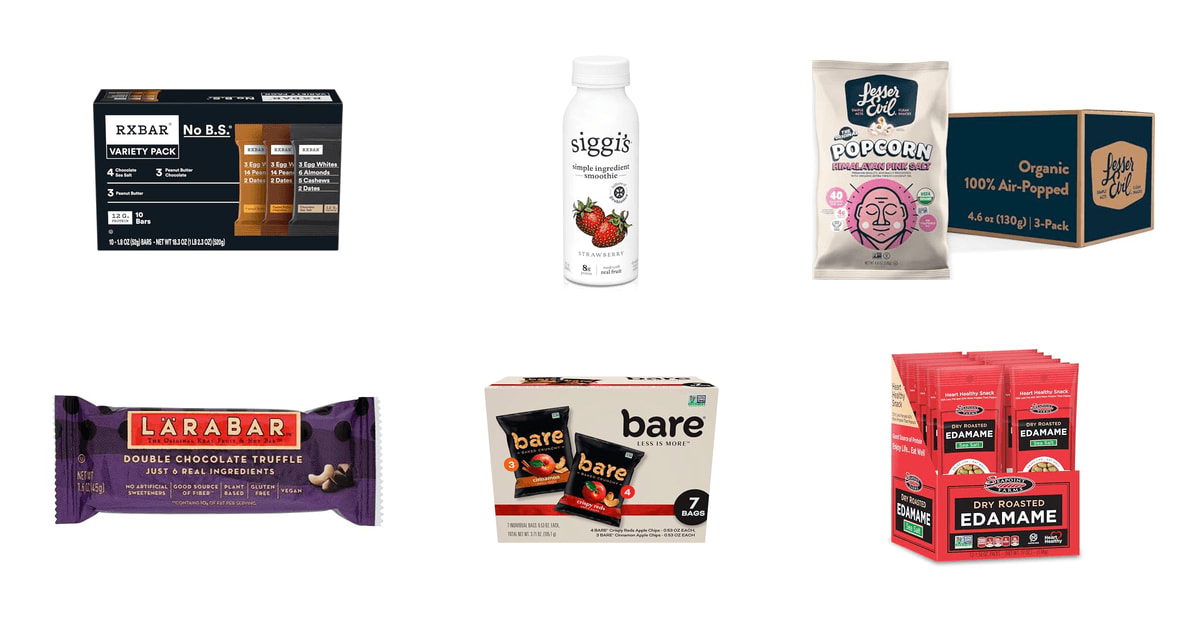
A lunchbox snack has one job: keep your kid going from the cafeteria to the last bell. That's harder than it sounds. Most packaged kid snacks lean hard on sugar, and the crash shows up right when the afternoon math block starts. A 2024 systematic review in Nutrients linked snacks with more than 10g of added sugar to a 14% drop in sustained attention scores in kids ages 6 to 12, compared with protein-rich options. So the snack that actually works is usually the boring-sounding one — protein, fiber, not much sugar.
Here's the honest catch. No packaged snack nails everything at once. The ones with real protein tend to cost more per serving and often carry allergens that your school won't allow. The ones that are allergen-safe and cheap are usually carbohydrates in a crinkly bag. And the healthiest option in the world is worthless if it comes home untouched, which picky eaters will absolutely do. You'll almost certainly end up rotating two or three of these rather than finding one winner.
We looked at nutrition panels, allergen statements, ingredient lists and what owners say about whether kids actually eat this stuff. We weighted nut-free manufacturing heavily, since FARE reports that 1 in 13 U.S. children has a food allergy and over 70% of districts now restrict nuts. We think that the Seapoint Farms Dry Roasted Edamame is the best school-lunch snack for most families, and that the LesserEvil Himalayan Pink Salt Popcorn is the one to buy if your school enforces a strict nut-free policy and your kid wants something crunchy and familiar.
Everything we recommend

The most protein and fiber you can fit in a small bag

Crunchy, familiar and easy for allergen-strict classrooms

A school-safe stand-in for the chocolate spread kids want

One ingredient, real crunch, and no added sugar at all
The most protein per bar, but only for nut-friendly schools
At a glance
| Product | Protein | Units Per Pack | Price | |
|---|---|---|---|---|
| RXBAR Protein BarsUpgrade pick | 12g | 10 Bars | $16.98 |
 | siggi’s Strawberry Probiotic Lowfat Yogurt DrinkAlso consider | — | 1 Bottle | $1.99 |
| LesserEvil Himalayan Pink Salt Organic PopcornRunner-up | — | 3 Bags | $8.82On sale |
 | Larabar Original Real Fruit & Nut BarsAlso in lineup | — | 16 Bars | $29.46 |
| bare Baked Crunchy Apple ChipsBudget pick | — | 7 Bags | $9.95 |
| Seapoint Farms Dry Roasted EdamameTop pick | 20g | 12 Packs | $14.95 |
| SunButter® Chocolate Sunflower Seed ButterAlso great | 6g | 2 Jars | $13.06 |
How we picked
Allergen compliance. We read manufacturer allergen statements rather than relying on ingredient lists alone, and gave weight to dedicated nut-free facilities over "may contain" hedges. With FARE reporting 1 in 13 children has a food allergy and over 70% of districts restricting nuts, this decided which products could even be picks.
Protein and fiber. Published nutrition panels had to show at least 5–7g of protein and 2–3g of fiber per serving, the range research links to steadier afternoon energy. Snacks below that line could still qualify, but only as a crunch item paired with something else.
Added sugar. We compared added sugar against the 6–8g-per-serving ceiling suggested by EWG's Food Scores and the AAP's 25g daily limit. Anything using half a day's sugar allowance in one snack got dropped.
Ingredient transparency. We favored short, recognizable ingredient lists — the clean-label standard of roughly five ingredients or fewer that SPINS data shows growing 23% year over year. Front-of-pack ingredient printing counted for extra.
Lunchbox practicality. We looked for shelf stability without an ice pack, single-serve packaging, and durability in a backpack. We also read owner feedback for whether kids actually finish these, since palatability decides everything.
Top pick
The most protein and fiber you can fit in a small bag
Seapoint Farms Dry Roasted Edamame
These single-serve cups of dry roasted edamame are two ingredients — soybeans and sea salt — and they pack more protein per ounce than almost anything else you can leave in a backpack all morning. They're crunchy and salty, which is the flavor lane most kids already like.
$14.95fromAmazonNothing else in this lineup gives you this much protein and fiber for a snack that needs no refrigeration. Seapoint Farms lists 14g of plant protein and 8g of dietary fiber per half-cup serving. That combination is exactly what the research points to for steady afternoon energy — protein slows digestion, fiber slows it further, and your kid doesn't hit the wall at 1:30. Research in the Journal of Nutrition Education and Behavior found snacks with at least 7g of protein cut caloric intake at the next meal by about 11% in kids 8 to 12.
The single-serve packs matter more than they sound like they should. You aren't scooping from a big tub into a container every morning, and you aren't guessing at portions. Twelve sealed bags go in the pantry, one goes in the lunchbox, done. If you do your lunch prep in one Sunday push, this is the least effort per week of anything here.
The ingredient list is two lines long: roasted edamame and sea salt. No oil, no coating, no flavor system. That puts it squarely in the clean-label category that SPINS data shows grew 23% year over year in 2025 — parents are reading panels, and this panel is short enough to read in three seconds.
Owners describe the texture as genuinely crunchy rather than the styrofoam crunch you get from a lot of baked snacks. That's the part that decides whether a snack comes home eaten or comes home. Salty and crunchy is the same slot chips occupy in a kid's head, and edamame fills it without the empty carbs.
Flaws but not dealbreakers
The chewing is real work. Several owners note these are hard, and one describes husks getting stuck in teeth. For a younger elementary kid, or one with loose teeth, that's a legitimate problem — this is a better fit for older elementary and middle school.
Salt levels get mixed reactions. Some owners find them under-seasoned and want more salt; others think they're just right. It's a plain, savory bean flavor, not an engineered snack flavor, so a kid who only eats bright, sweet things may need a few tries.
Soy is an allergen. It's not one of the two most commonly restricted at school, but if your child's classroom has a soy-restricted policy, this is off the table entirely and you should skip to the popcorn.
Runner-upOn sale
Crunchy, familiar and easy for allergen-strict classrooms
LesserEvil Himalayan Pink Salt Organic Popcorn
LesserEvil's popcorn is organic corn, extra virgin coconut oil and Himalayan pink salt — nothing else. It's a light, salty snack most kids recognize instantly, and it clears the allergen bar at schools where the protein-heavy options can't go.
$8.82fromAmazonList pricePopcorn isn't a protein snack, and we won't pretend otherwise. But it fills the crunchy, salty slot that kids reach for, and this version does it with three ingredients instead of a vegetable-oil blend and a flavor system. If your child's school bans anything that touched a nut, this is one of the easier yeses in the aisle.
The oil choice is the reason this beats the popcorn next to it on the shelf. LesserEvil uses organic extra virgin coconut oil rather than the generic vegetable oils most pre-popped brands rely on. The company also air-pops butterfly kernels before tumbling them, which is why owners consistently describe it as lighter and fluffier than other bagged popcorn.
It's not sweet, and that turns out to be a feature. One owner switched from a kettle-corn-style brand specifically because the sweetness kicked off more cravings later. Salt alone doesn't do that. For a snack that's supposed to hold a kid until dinner, the absence of sugar is the whole point.
Three cups per serving is a lot of volume for very few calories. A kid who feels like they got a real snack — a bag they can dig into, not three bites — is a kid who doesn't come home ravenous. Volume is underrated in a lunchbox.
Flaws but not dealbreakers
This is the lowest-protein pick here by a wide margin. Pair it with something else in the box, or your kid gets crunch and not much staying power.
Popcorn is a choking risk for young children, and pediatric guidance generally says to hold off until around age four. This is a snack for elementary kids and up, not preschool lunchboxes.
It comes in large bags rather than single-serve packs, so you'll portion it into containers yourself. Crushed popcorn at the bottom of a backpack is also a known outcome. The bags are light, and light things get squashed.
Also great
A school-safe stand-in for the chocolate spread kids want
SunButter® Chocolate Sunflower Seed Butter
SunButter's chocolate sunflower seed butter is made in a dedicated peanut-free and tree-nut-free facility, and it hits the chocolate-hazelnut craving without the nuts or the sugar load. It's a spread, so it turns crackers, apple slices or a sandwich into the snack.
$13.06fromAmazonIf your school is nut-free and your kid wants the chocolate spread everyone else has, this is the answer. SunButter runs a dedicated peanut-free and tree-nut-free facility with batch testing — not a shared line with a "may contain" hedge. The company is also free of soy, dairy, gluten, eggs, sesame, fish and shellfish, so it clears almost every school allergen policy in the country.
The sugar math is the reason we'd pick this over the obvious hazelnut spread. SunButter lists 70% less sugar than the leading chocolate spread, with 6g of plant-based protein per serving. Given that Harvard's Nutrition Source puts average U.S. kids at around 19 teaspoons of added sugar a day — triple the AAP's 25g ceiling — swapping the spread is a bigger win than it looks.
It's the most flexible item in this guide. Spread it on whole grain crackers, dip apple slices, make a sandwich, or roll it into energy balls on Sunday for the whole week. One jar covers several different snack shapes, which helps when your kid gets bored of a format after four days.
Parents dealing with a hard transition often cut it with the nut spread their kid already loves and shift the ratio over a few weeks. Owners describe doing exactly this. It's a practical way to get more protein in without a standoff at the kitchen counter.
Flaws but not dealbreakers
The flavor genuinely divides people. It's much less sweet and more cocoa-forward than the hazelnut spread it replaces, and some owners describe it as bitter or find the sunflower flavor too faint behind the chocolate. If your kid expects candy in a jar, expect a fight.
Texture reports are inconsistent. Most owners call it smooth and easy to spread with no oil separation, but a few describe it as grainy. That may come down to jar variation.
Sugar is still the second ingredient. It's much less than the alternative, but this is a treat-adjacent spread, not a health food. Don't treat it as the protein anchor of the lunchbox.
Budget pick
One ingredient, real crunch, and no added sugar at all
bare Baked Crunchy Apple Chips
Bare's baked apple chips are sliced apples baked until they snap — one or two ingredients, no added sugar, no oil. For a kid who wants something sweet in the lunchbox, this is the version that won't wreck the afternoon.
$9.95fromAmazonFruit snacks are where the sugar hides. Fruit roll-ups and leathers average around 11g of added sugar per serving, and EWG's 2025 analysis of more than 1,200 packaged kids' snacks found over half exceeded its 6g-per-serving threshold. These chips have none. The sweetness is just concentrated apple, and it's plenty.
The crunch is what makes this work as a swap rather than a compromise. These are baked, never fried, and owners repeatedly compare the eating experience to candy — crisp, snappy, gone fast. That's the trick with picky eaters: you're not asking them to accept fruit instead of a treat, you're giving them something that eats like a treat.
The 0.53oz bags are pre-portioned, nut-free and shelf-stable, with about 3g of fiber per bag. They weigh almost nothing, which matters when a kid is already hauling a water bottle and a textbook. Toss one in and forget about it.
The variety pack gives you cinnamon and plain, which is a small thing that buys you a couple of extra weeks before the novelty wears off. Rotating flavors within one product is easier than rotating products.
Flaws but not dealbreakers
The bags are small and the price per ounce is high — several owners flag this directly. You're paying for dehydrated apples in a nitrogen-flushed bag, and the math isn't great compared to slicing a real apple.
Chips break. Owners report bags arriving with a lot of small pieces and crumbs, and a lunchbox ride won't help. Your kid may get apple dust by the time they open it.
They're hard for young kids to chew. One owner notes toddlers struggle with them. And with essentially no protein, this needs a partner in the lunchbox to be a real snack.
Upgrade pick
The most protein per bar, but only for nut-friendly schools
RXBAR Protein Bars
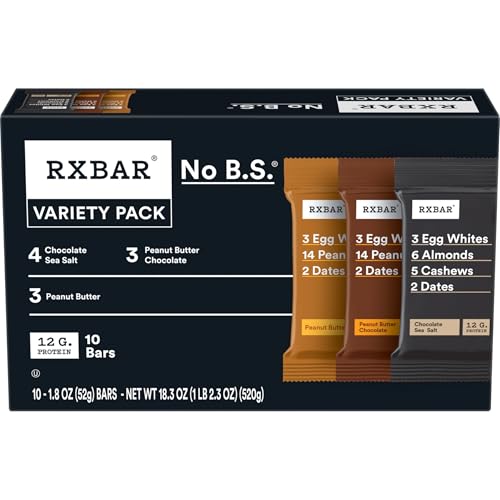
RXBAR packs 12g of egg-white protein into a bar built from a handful of whole-food ingredients printed right on the front of the wrapper. It's the densest, most filling option here — and it contains peanuts, almonds and cashews, so it's only for schools without nut restrictions.
$16.98fromAmazonRead the front of the wrapper and you've read the ingredient list. RXBAR prints its 5 to 7 ingredients on the package, which is a level of transparency almost nothing else on the shelf matches. Egg whites, dates, nuts, cocoa. Zero added sugar. The sweetness comes entirely from dates, which is why it tastes like a treat while the panel says otherwise.
12g of protein is well past the 7g threshold that the Journal of Nutrition Education and Behavior research associates with reduced intake at the next meal. For a middle schooler with a late lunch period, or a kid heading straight from school to practice, this is the one that actually holds. It's a snack that eats like a small meal.
It also solves a specific problem: kids who can't do whey. One owner notes buying these specifically because of a whey allergy and a need to avoid cane sugar. Egg-white protein is an unusual base, and it opens the door for families who've struck out with conventional protein bars.
The three-flavor variety pack helps with rotation, and the bars are gluten-free and kosher pareve. If your school has no nut restrictions, this is the most nutrition per lunchbox slot of anything we looked at.
Flaws but not dealbreakers
It contains cashews, almonds, peanuts and egg. That disqualifies it from most school lunchboxes outright, and it's the single biggest reason it isn't our top pick. Check your school's policy before you order a case.
The texture takes adjustment. Owners consistently call these thick, chewy and sticky, and one dropped to three stars over exactly that. A kid who expects a crumbly granola bar will be surprised.
They soften and separate in heat. One owner describes a box arriving warm during a summer heat wave with visible melting. A lunchbox in a hot classroom won't be as extreme, but these aren't heat-proof.
Who this is for
This guide is for parents packing lunches for elementary and middle school kids who want snacks that hold up in a backpack, clear school allergen rules, and don't dump a day's sugar into one serving. It's especially useful if your district is nut-restricted, if you meal-prep lunchboxes on Sundays, or if you're negotiating with a picky eater. Most of these need no refrigeration, which is the practical constraint that rules out a lot of otherwise good options.
We stuck to shelf-stable, single-serve or easily portioned packaged snacks. That means no refrigerated cheese, yogurt cups or cut produce, and no homemade prep. If your child has a soy, dairy, egg or gluten restriction, read the individual picks carefully — several are out for at least one of those. And if your kid is under four, skip the popcorn and the harder chips entirely on choking grounds.
How we picked
Allergen safety: we read allergen statements and favored dedicated nut-free facilities over "may contain" labels, since most districts now restrict nuts. Protein and fiber: we looked for 5–7g of protein and 2–3g of fiber per serving from published nutrition panels, the pairing that keeps kids steady through the afternoon. Added sugar: anything near or above 8g per serving got cut, measured against the AAP's 25g daily ceiling. Ingredient quality: short, recognizable ingredient lists won over engineered flavor systems. Lunchbox practicality: it has to survive a warm backpack, portion itself, and — most importantly — come home empty.
Other healthy snacks to pack for school lunches worth considering
If you can pack an ice pack: The siggi’s Strawberry Probiotic Lowfat Yogurt Drink ($1.99) — Siggi's drinkable yogurt is the rare kids' yogurt drink with more protein than sugar — 10g of protein against 8g of total sugar per bottle, versus a category average of 18 to 22g. That's a serious gap, and it makes this one of the lowest-sugar options in a category that's mostly candy in a bottle. Owners describe it as tart rather than sweet and thicker than a typical yogurt drink, which cuts both ways: some kids love the smoothie texture, others find it too thick to drink. The real limitation is refrigeration. This needs a cold pack to make it to lunch safely, which is why it's here and not among the picks. If your kid's lunchbox already has an ice pack, it's an easy add.
The competition
This is what our research turned up in this category, not a survey of every snack on the market. The packaged kids' snack aisle is enormous and turns over constantly. The product below is a reasonable choice that lost to our picks on specific grounds, and it may still be the right call depending on your school and your kid.
The Larabar Original Real Fruit & Nut Bars ($29.46) — The Larabar Original Double Chocolate Truffle bar is built on the same minimal-ingredient idea we liked in our other picks — dates, nuts and fruit, no artificial sweeteners, vegan, gluten-free and Non-GMO, with a good amount of fiber. On paper it's an appealing lunchbox bar. Two things pushed it out. It contains nuts, so it's off-limits at the same schools that rule out our upgrade pick, and unlike that bar it doesn't offer 12g of protein in exchange. It also has very little owner feedback, so we can't say much about how it holds up in a warm backpack or whether kids finish it. If your school allows nuts and your child prefers a softer, sweeter date-based bar over a chewy protein bar, it's a fair pick.
Packing and storage notes
Heat is the main enemy in a lunchbox. Bars with chocolate or date bases soften and separate in a hot classroom, so pack those in the coolest part of an insulated bag, away from the side that faces the sun in a locker. Anything crunchy — popcorn, apple chips, edamame — should ride in a rigid container rather than loose in the backpack, or you'll get crumbs. Resealable snack bags lose crispness fast once opened, so portion them the morning of rather than on Sunday if you can. Spreads like sunflower seed butter go in a small sealed container with the crackers or apple slices packed separately, since anything sitting in the spread turns soggy by lunch. Check expiration dates when you buy in bulk; the value of a twelve-pack disappears if half of it goes stale.
Questions we get
What snacks are safe for nut-free schools and still high in protein?
Dry roasted edamame is the strongest answer — it's soy-based, delivers 14g of protein per half-cup serving, and contains no nuts. Sunflower seed butter is the other one, made in a dedicated peanut-free and tree-nut-free facility with batch testing. Always check the manufacturer's allergen statement rather than just the ingredient list, since a "may contain" line means shared equipment and many schools won't accept it.
What are the best healthy snacks for kids that don't need refrigeration?
Roasted edamame, air-popped popcorn, baked apple chips and whole-food protein bars all sit at room temperature for months. That's the practical advantage over yogurt, cheese and cut fruit, which need a cold pack and a reasonably cool locker. Shelf-stable single-serve packs also cut your Sunday prep down to dropping one bag in the box.
What snacks help kids focus and stay energized during afternoon classes?
Protein paired with fiber. A 2024 systematic review in Nutrients found that snacks with more than 10g of added sugar were associated with a 14% drop in sustained attention scores in kids 6 to 12, compared to protein-rich alternatives. Edamame is the clearest example here, with 14g of protein and 8g of fiber in one serving. Sugary fruit snacks and sweetened granola bars are what you want to avoid before an afternoon block.
Are protein bars safe and healthy for elementary school-age kids?
They're fine as an occasional snack if you read the panel. Look for bars with a short ingredient list and no added sugar, rather than candy bars with protein added. The bigger practical issue is allergens — most bars in this style contain peanuts, almonds or cashews, which rules them out at nut-restricted schools. For younger kids, half a bar is often the right portion.
What is the difference between natural sugars and added sugars in kids' snacks?
Natural sugars come with the food — the sugar in apple chips is just apple. Added sugars are put in during manufacturing. It matters because whole-food sugars arrive alongside fiber, which slows absorption and blunts the spike. The AAP's 25g daily limit applies to added sugar specifically, and Harvard's Nutrition Source reports U.S. kids average around 80g a day, mostly from packaged snacks.
What are healthy snacks for picky eaters that kids will actually eat?
Match the texture and flavor they already like, not the nutrition you want. If your kid loves chips, roasted edamame and popcorn fill the salty-crunchy slot. If they want something sweet, apple chips eat like candy with no added sugar. For a chocolate spread holdout, cutting sunflower seed butter with their usual spread and shifting the ratio over a few weeks works better than a straight swap.
Why you should trust us
For this guide:
- We read manufacturer nutrition panels, allergen statements and ingredient lists for every product in this guide.
- We compared those specs against published nutrition research and public health guidance from the AAP, FARE, EWG and Harvard's Nutrition Source.
- We reviewed owner feedback themes for each product to understand texture, flavor and packaging complaints that a spec sheet won't show.
- We read owner reviews on every listing, weighted toward the critical ones, because that is where the recurring failures show up.
- We have a systematic way of automatically fetching the latest prices, so the numbers on this page stay current.
- This is a research-focused guide, so the team may not own every product listed — though we often do own the top winners, which gives us extra context for the recommendations.
- We don't accept free products, and the retailer commission never changes which product we recommend.
Sources
Healthy Snacks for Kids: What Nutritionists Recommend — Healthline, Healthline
Feeding Children: School-Age Nutrition (Ages 6–12) — American Academy of Pediatrics, American Academy of Pediatrics (AAP)
Dietary Guidelines for Americans 2025–2030 — USDA, USDA
Children's Food Scores Database — Environmental Working Group (EWG), Environmental Working Group
Dietary Sugar and Children's Cognitive Performance: A Systematic Review — Nutrients (MDPI), Nutrients, Peer-Reviewed Journal (MDPI)
Added Sugar in the Diet — Harvard T.H. Chan School of Public Health, Harvard T.H. Chan School of Public Health
Food Allergy Facts and Statistics — Food Allergy Research & Education (FARE), FARE
Protein and Satiety in School-Age Children — Journal of Nutrition Education and Behavior, Journal of Nutrition Education and Behavior
Clean Label Snack Market Trends 2025–2026 — SPINS Natural Products Data, SPINS
National School Lunch Program Nutrition Standards — USDA Food and Nutrition Service, USDA Food and Nutrition Service
Best Healthy Snacks for Kids — Verywell Fit, Verywell Fit
SunButter Allergen and Manufacturing FAQ — SunButter, SunButter
Amazon product listings and owner reviews for all 7 products
Manufacturer specification pages for each product
Some passages in this guide may be paraphrased with AI help. Prices are refreshed automatically.
More like this.
Continue exploring health reviews and recommendations.

The Best Pickleball Sets for Your Backyard
A pickleball set lives or dies on how fast you can get it out of the closet. If the net takes twenty minutes to assemble, you'll play twice all summer. If…

The Best Dentist-Recommended Electric Toothbrushes
Brushing is the one health habit you repeat twice a day for your whole life, and most people do it badly. Survey data from the ADA Health Policy Institute…

The Best Yoga Blocks
A yoga block is the least glamorous thing in your gear bag and probably the most useful. It brings the floor up to your hands in a standing forward fold.…

The Best Kettlebells for a Home Gym
A kettlebell is one of the few pieces of gym equipment that earns its floor space. One bell, a corner of the living room, and twenty minutes gets you…

The Best Home Cardio Machines
A cardio machine at home earns its floor space by being the one you'll actually use. No drive, no parking, no waiting on a stranger to finish. Ellipticals…

The Best Pickleball Ball Machines
A ball machine is the only practice partner that never gets tired, never checks its phone, and never wants to just play games instead of drilling. That's…