The Best Car Paint Protection Film Kits
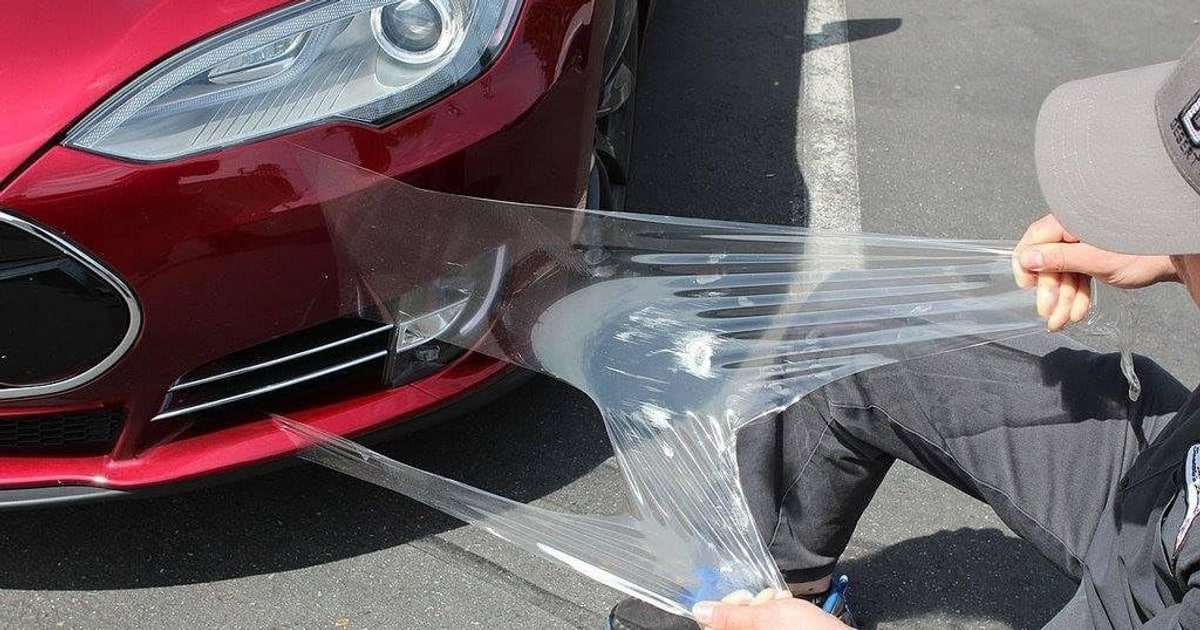
Paint damage on a car almost never arrives all at once. It shows up as a rash of tiny chips on the leading edge of the hood, a scuff where your kid swings the door into a pole, a cloudy patch behind the front wheels from years of grit. Paint protection film is a clear urethane layer that takes those hits instead of your clear coat. It's the difference between a five-year-old car that looks cared for and one that looks used.
Here's the honest part. None of these kits will wrap a whole car, and film doesn't stop dents, door dings or a deep key scratch, as Car and Driver has pointed out. Most of what you can buy off the shelf is a six-inch roll or a small set of strips, which means you're protecting specific trouble spots, not the whole front end. Installation is also unforgiving. Professional detailers blame skipped surface prep for the large majority of failed DIY jobs.
We looked at what's actually available as a kit or roll you can buy and apply yourself, and judged it on thickness, clarity, how much area you get and what owners say after a year or two on the car. We think that the 3M Scotchgard Clear Paint Protection Bulk Film Roll is the best paint protection film kit for most people, and that the 3M Clear Paint Protection Bulk Film Roll 6-by-25-inches is the one to buy if you only have a couple of small spots to cover.
Everything we recommend

Thicker film and a longer roll, for the spots that take hits

Thinner and shorter, but enough for a few small spots

Pre-cut strips for door edges, with self-healing film
At a glance
| Product | Film Size | Thickness | Price | |
|---|---|---|---|---|
| XPEL Clear Paint Protection Film for CarAlso great | 6" x 30" | — | $25.46On sale |
| 3M Clear Paint Protection Bulk Film RollBudget pick | 6" x 25" | 6mil | $14.98 |
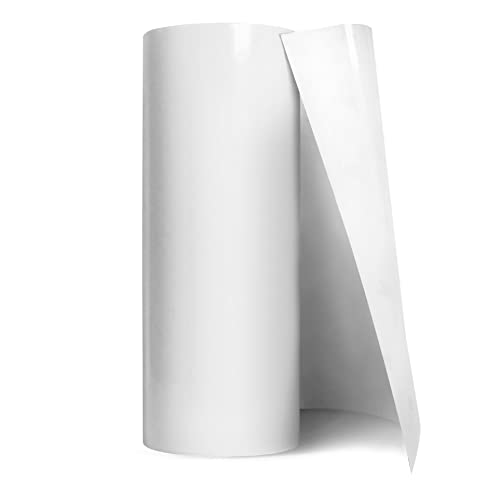 | VViViD Ultra-Conform PPF Clear Gloss Paint ProtectionAlso in lineup | 12" x 48" | — | $11.98 |
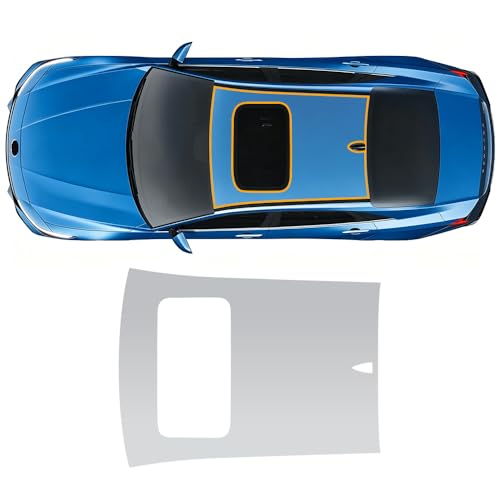 | Precut Clear 8.5Mil TPU PPF Paint ProtectiveAlso consider | Sunroof (5x5x64") | 8.5mil | $199.99 |
| 3M Scotchgard Clear Paint Protection Bulk FilmTop pick | 6" x 48" | 8mil | $19.09 |
How we picked
Film thickness. We compared stated thickness across every listing, because 8-mil and thicker urethane absorbs stone impact that 6-mil film doesn't. Anything thinner than 6 mil we treated as a scuff guard, not chip protection.
Clarity and yellowing. We read manufacturer specs on top coats and UV resistance, then checked owner reports from people who'd had film on a vehicle for a year or more. Long-term haze and yellowing were disqualifying.
Coverage you get. We looked at roll length and strip count against the panels people actually want to protect. A roll too short to do both rocker panels isn't a kit, it's a patch.
How hard it installs. We weighed pre-cut shapes, conformability and adhesive behavior, since detailers attribute the large majority of failed DIY jobs to prep and handling. Film that tears, creases or won't stick got marked down hard.
Adhesive and removal. We checked whether the adhesive is designed to release cleanly from paint, using manufacturer statements and owner accounts of removal after several years. Residue or lifted clear coat is a dealbreaker.
Top pick
Thicker film and a longer roll, for the spots that take hits
3M Scotchgard Clear Paint Protection Bulk Film
This is a 48-inch roll of 8-mil clear urethane with a transparent top coat, and it's the most useful shape a DIY kit comes in. You cut what you need, when you need it, and the extra thickness matters where gravel hits hardest.
$19.09fromAmazonEight mils is the number that separates real chip protection from a scuff guard. Entry-level films run around 6 mil, and that's fine for rubbing and light abrasion. It's less convincing against highway gravel. The 3M Scotchgard roll is 8 mil, which puts it within striking distance of the 8.5-mil films professional shops use on full-front packages. If you're covering a hood edge or rocker panel, you want that.
The 48-inch length is the other reason this one wins. Six inches wide isn't much, but four feet of it gives you enough to do both rocker panels, or a hood leading edge plus the door cups, without ordering twice. Owners keep mentioning leftovers, which is a good sign. You can cut a template out of paper first, then trace it, and still have film in reserve if you botch a piece.
Clarity holds up. The top coat is glossy rather than flat, so on a factory gloss finish the edges mostly disappear once you've squeegeed the slip solution out. Owners who've had it on painted surfaces for a few thousand miles report it still looks clean, without the milky haze cheaper films pick up. It's not the invisible, no-orange-peel finish a top-tier installer film gives you, but it's close enough that nobody notices.
It's genuinely forgiving for a first attempt. The adhesive is tacky enough to hold but not so aggressive that a misaligned piece is ruined. Spray a slip solution, float the film into position, work from the center out. Owners consistently say the same thing: use the slip solution, take your time with the cut, and it goes on clean. That's about as low as the difficulty gets for this kind of work.
Flaws but not dealbreakers
Six inches wide is the hard limit here. You can't do a full hood, a bumper or a fender with a strip this narrow without seams, and seams on a body panel look like seams. This is a spot-protection roll, not a full-front kit, and no amount of patience changes that.
There's no pre-cut template, so every piece is on you. Cut it a hair short and you get a visible edge; cut it long and you get a fold you'll be picking at for a week. A few owners also mention the film feels less tacky out of the box than they expected, though the same people report it stayed put afterward.
Budget pick
Thinner and shorter, but enough for a few small spots
3M Clear Paint Protection Bulk Film Roll
The 6-mil version of 3M's clear film in a 25-inch roll. It costs less because you get less film and less thickness, and for a door cup, a mirror back or a fuel door, that's an easy trade to make.
$14.98fromAmazonMost people don't actually need four feet of film. If your complaint is one scuffed spot behind the door handle, this roll is the right size and you won't have an awkward leftover strip living in a drawer. It's the same clear polyurethane construction with adhesive backing, just thinner and shorter, and it goes virtually invisible on a painted surface the same way the thicker roll does.
The thinner film is easier to work with on curves. Six mils bends into a door cup or around a mirror cap with less fighting than a stiffer 8-mil sheet. That's a real advantage on your first try. Owners have put this on motorcycle tanks, bike frames and small painted panels and describe the application as straightforward, which lines up with what thinner film does.
It's also the piece of the lineup with the longest track record. This roll has been on shelves for years and owner feedback stretches back across a lot of different uses — cars, motorcycles, bicycles, even solar light lenses. The recurring theme is that it stays put and doesn't yellow. That kind of boring consistency is worth more than a spec sheet.
Removal is the quiet benefit. 3M's adhesives are designed to come off painted surfaces cleanly, and owners who've pulled film after a few years report the paint underneath looked the same as the day it went on. If you're leasing, or you just don't want to commit to a permanent film line on your paint, that matters.
Flaws but not dealbreakers
Six mils is meaningfully thinner than what you'd get from a professional install. Against a stone kicked up at highway speed, it'll help, but it won't stop a chip the way an 8-mil film does. Use it where the threat is rubbing and scuffing rather than impact.
Twenty-five inches goes fast. Owners regularly find they measured wrong and ran out, and a couple say it felt small for what it costs relative to the wider roll. Measure the panel twice, then add an inch on every side for the trim allowance.
Also greatOn sale
Pre-cut strips for door edges, with self-healing film
XPEL Clear Paint Protection Film for Car
Four clear gloss strips, each 6 by 30 inches, sized for door panels and door edges. If the damage you're worried about happens in parking lots and driveways rather than on the highway, this is the targeted fix.
$25.46fromAmazonList priceDoor damage is its own category of annoying. It's the dog's paws when she jumps in, the car seat buckle you swing past the sill, the neighbor's door in a tight garage. None of that is rock-chip damage, and none of it lands on the hood. XPEL sells these strips in a four-pack precisely because most people want protection on four doors and nowhere else.
The self-healing top coat is the reason to pay for this one over a plain roll. Light scratches in the film close up when the surface warms — a hot day, a bucket of warm water, a heat gun if you're impatient. XPEL's own documentation puts full healing on their films at roughly 20 to 30 minutes in strong sun. On a door panel that gets scuffed constantly, that means the protection doesn't slowly turn into a hazy patch.
Pre-cut means you skip the part that ruins most DIY jobs. There's no template to trace and no freehand curve to cut. You still need to clean and prep the surface properly, but the geometry is already handled, and the strips are shaped and sized for the job rather than trimmed to fit it.
XPEL is also the brand professional installers reach for, and the film is non-yellowing with a gloss finish tuned to sit next to factory paint. You're getting a small piece of a well-regarded film line without paying for a shop appointment. For a scratch-prone daily driver, that's a sensible place to spend.
Flaws but not dealbreakers
This kit does doors and that's it. Four 6-by-30-inch strips won't touch a hood, a bumper or a fender, so if rock chips are your actual problem you need one of the bulk rolls instead — or both.
You pay noticeably more per square foot than a plain roll, and this listing is newer with little owner feedback behind it. The film line's reputation is strong, but there isn't a long history of reports on this particular pack to lean on.
Who this is for
Buy one of these if you have specific spots you're tired of looking at: chipped hood edges, scuffed door cups, gravel rash behind the front wheels, a fuel door that's been scratched by every set of keys you own. Rolls and strips like these are for targeted protection, and they're a reasonable way to keep a leased car out of end-of-lease damage territory or to keep a new car's resale photos clean.
This guide doesn't cover professional full-front or full-vehicle installations, which are a different purchase entirely — a shop, a booth and a day of labor. If you want the whole hood, bumper, fenders and mirrors covered with no seams, a six-inch roll won't get you there. Call a shop instead. And skip DIY film altogether if your paint is already damaged; film seals in what's underneath, so chips and swirls need fixing first.
How we picked
We judged every kit on five things. Thickness: 8 mil and up for real impact protection, with 6 mil treated as scuff defense only. Clarity: manufacturer specs on top coats plus owner reports on haze and yellowing after a year or more on a vehicle. Coverage: roll length and strip count measured against the panels people actually want protected. Installability: pre-cut shapes, how the film conforms to curves, and how forgiving the adhesive is when you need to reposition a piece. Removal: whether the adhesive is designed to come off paint cleanly, without residue or lifted clear coat.
Other car paint protection film kits worth considering
If you want a pre-cut kit shaped for your specific car: The Precut Clear 8.5Mil TPU PPF Paint Protective ($199.99) — This TESAmpor kit is machine-cut from vehicle data for the current-generation Hyundai Elantra, and it's 8.5-mil TPU — thicker than either 3M roll and the same class of material professional shops use. No trimming, no templates, no guessing at a curve. The catch is obvious: it only fits one car, and the listed configuration covers the sunroof rather than the whole front end. It's also a newer listing without much owner history behind it. If you drive an Elantra and want a precise, thick film on a panel that's hard to cut freehand, it's a smart buy. Everyone else can't use it.
The competition
This is what our research turned up in the DIY paint protection space, not a survey of everything sold. Professional installer films from brands like XPEL, SunTek, LLumar, Avery Dennison and STEK make up most of the market, and they're generally sold through shops by the square foot rather than as consumer kits.
The VViViD Ultra-Conform PPF Clear Gloss Paint Protection ($11.98) — The VViViD Ultra-Conform is pitched as a highly stretchable film that conforms without heat, which would be a real advantage on complex curves. Owner feedback doesn't support the claim. The recurring complaints are serious and consistent: adhesive that barely tacks, film that won't stretch or contour, and a finish some buyers describe as flat rather than gloss. Several owners returned it outright. A film that lifts at the edges is worse than no film, because water and grit get underneath. We'd skip it.
Installation and care
Prep is the whole game. Detailers put the large majority of failed DIY installs down to skipped surface prep, which means washing, claying and then wiping the panel with isopropyl alcohol so nothing is trapped under the adhesive. Mix a slip solution — water with a few drops of baby shampoo — and spray both the panel and the film so you can float the piece into position before you commit. Squeegee from the center outward in overlapping passes, and wrap edges around the panel lip where you can, since exposed edges are what collect dirt. Give it a couple of days before washing. After that, wash the film like paint: pH-neutral soap, no aggressive polish, no pressure washer held close to an edge.
Questions we get
Is paint protection film worth it?
For a car you plan to keep or resell, yes — chips on a hood edge or rocker panel are permanent, and film is the only thing that prevents them. A DIY roll costs a fraction of a professional install and protects the spots that get hit most. Just be realistic about coverage: a six-inch roll handles trouble spots, not a whole front end.
What's the difference between PPF and ceramic coating?
Film is a physical urethane layer, thick enough to absorb an impact. Ceramic coating is a chemical layer measured in microns that adds gloss and makes cleaning easier. Coating won't stop a rock chip, and film won't make your car shinier on its own. Many people use both, with the coating applied over the film.
Can I install paint protection film myself?
On small, mostly flat areas — door cups, rocker panels, a fuel door, a hood edge — yes, if you're patient and prep the surface properly. Complex compound curves like a full bumper are genuinely hard and better left to a shop. Pre-cut kits remove the cutting problem, which is the part most people get wrong.
What is self-healing film and does it actually work?
Self-healing film has an elastomeric top coat that flows back into shape when warmed, closing light surface scratches. XPEL's documentation puts full healing on their films at roughly 20 to 30 minutes in strong sunlight, or seconds with a heat gun. It works on fine swirls and scuffs. It does nothing for a cut that goes through the film.
Does film turn yellow over time?
Older polyurethane films did, badly. Modern films use UV-stable top coats and non-yellowing formulations, and the 3M and XPEL products here are both specified that way. Keeping the film clean helps, since embedded contamination discolors faster than the film itself. If a film does yellow, it's a sign the top coat has failed and it's time to remove it.
Can film be removed without damaging the paint?
On healthy factory paint, yes. Quality adhesives are designed to release cleanly, and owners who've pulled 3M film after several years report no residue and no change to the paint underneath. Warm the film first with a heat gun and pull slowly at a low angle. The risk is with repainted panels or paint that was already failing.
Which areas of a car benefit most?
The leading edge of the hood, the front bumper, the mirror caps and the rocker panels behind the front wheels take the most road debris. Door cups and door edges take the most human damage. If you're buying one roll, start with whichever of those two groups bothers you more.
Why you should trust us
For this guide:
- We compared manufacturer specifications for every film here, including stated thickness, top-coat type and adhesive behavior on painted surfaces.
- We read published guidance from automotive outlets and professional detailers on what film does and doesn't protect against, and on why DIY installs fail.
- We reviewed recurring themes in owner feedback — adhesion, conformability, long-term clarity and clean removal — rather than any single account.
- We read owner reviews on every listing, weighted toward the critical ones, because that is where the recurring failures show up.
- We have a systematic way of automatically fetching the latest prices, so the numbers on this page stay current.
- This is a research-focused guide, so the team may not own every product listed — though we often do own the top winners, which gives us extra context for the recommendations.
- We don't accept free products, and the retailer commission never changes which product we recommend.
Sources
Best Paint Protection Film 2026 – Detailed Car Guy, Detailed Car Guy
XPEL Ultimate Plus Full Review – Auto Detailing Pro, Auto Detailing Pro
Paint Protection Film Buying Guide – The Drive, The Drive
PPF vs. Ceramic Coating: Which is Better? – Car and Driver, Car and Driver
Avery Dennison Supreme Defense Technical Sheet, Avery Dennison
SunTek Ultra PPF Product Specifications, SunTek
3M Paint Protection Film Overview, 3M
DIY PPF Installation Guide – Obsessed Garage, Obsessed Garage
STEK DYNOshield vs. XPEL Ultimate Plus – Vehicle Wraps and PPF Forum, Vehicle Wraps and Signs
LLumar PPF Product Page, LLumar
Paint Protection Film Market Report 2025–2026 – Grand View Research, Grand View Research
Scotchgard Pro Series PPF – AutoZone Product Listing, AutoZone / 3M
Amazon product listings and owner reviews for all 5 products
Manufacturer specification pages for each product
Some passages in this guide may be paraphrased with AI help. Prices are refreshed automatically.
More like this.
Continue exploring electronics reviews and recommendations.

The Best Car Covers for Outdoor Protection
A car that sleeps outside takes a beating you don't really see day to day. Sun bleaches the clear coat, sap drips from whatever tree you parked under, and…

The Best Vinyl Car Wrap Films
A color change used to mean a paint booth, a week without your car, and a bill that made you wince. Vinyl changed that. You can wrap a hood in an…

The Best Ceramic Coating for Car Paint
A ceramic coating is a thin layer of liquid glass that bonds to your clear coat and changes how your car behaves in the weather. Rain sheets off instead…

The Best Car Wax and Paint Sealants
Wax won't make your car faster or safer. It just keeps the paint from looking tired. A coat of wax or sealant is a sacrificial layer that takes the UV,…

The Best DIY Car Window Tint Film
Window tint is one of the few car upgrades you notice every single day. A black interior parked in July stops being an oven. Glare off wet pavement at…

The Best Car Emergency Kits
A car emergency kit is the thing you ignore for years and then need at 11 p.m. on a shoulder with your hazards blinking. The jobs are boring and…