The Best DIY Car Window Tint Film
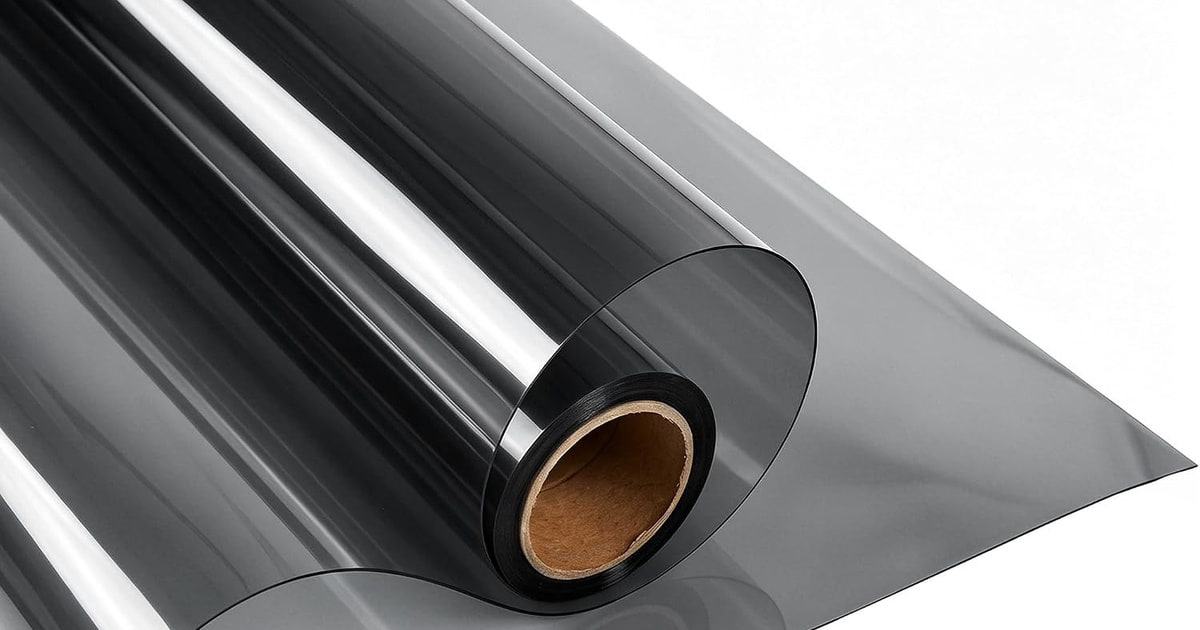
Window tint is one of the few car upgrades you notice every single day. A black interior parked in July stops being an oven. Glare off wet pavement at sunset stops making you squint. And the UV that fades your dash and cooks your left arm on a long drive mostly stops getting through. Doing it yourself costs a small fraction of a shop job, and the rolls you can buy now use the same ceramic technology that pros were charging a premium for not long ago.
Here's the honest part: no roll installs itself, and none of these will forgive a dusty garage. Every film here can end up with bubbles, a crease, or a corner that lifts a week later if you rush the rear glass. Owners of nearly every product in this guide report the same two headaches — film that arrives creased in the box, and edges that won't stay down on curved windows. Budget ceramic can also look faintly hazy in low light. Plan on wasting a piece or two.
So think about your climate, your state's rules, and how much glass you actually need to cover before you think about brand. Front side windows are regulated almost everywhere, rear glass usually isn't, and that's why plenty of people buy two shades instead of one. We think that the MotoShield Pro 25% VLT Nano Ceramic is the best DIY car window tint film for most people, and that the RockRose 35% Nano Ceramic is the one to buy if your state's front-window limit is strict.
Everything we recommend

Real ceramic heat rejection in a size most cars can use

A lighter shade that's easier to keep street legal up front

Blacked-out rear glass without the metal that kills your GPS

Enough film to black out a big SUV and still have some left
Prices as of Oct 22, 7:36 AM PT · Details
At a glance
| Product | Vlt % | Roll Size | Price | |
|---|---|---|---|---|
 | 25% 20 in x 10 Ft DIYAlso in lineup | 25% VLT | 20 Inch x 10 Ft | $19.99 |
 | 3M Safety GlassesAlso in lineup | — | — | $21.83 |
 | DIYSELF Car Window Tint KitAlso in lineup | — | — | Check price |
 | SOLARCONTROL Window Tint Car Film 2PLY 100%Also consider | 20% VLT | 20in x 100ft | $59.99 |
| 5% VLT Ceramic Car Window Tint FilmBudget pick | 5% VLT | 20in x 20ft | $24.56 |
| MotoShield Pro 25% VLT Nano Ceramic WindowTop pick | 25% VLT | 20in x 10ft | $55.99 |
 | Snapguard Solutions 70% VLT Nano Ceramic HomeAlso in lineup | 70% VLT | 40in x 15ft | $83.99 |
 | Gila 50165998 Heat Shield Plus Black WindowAlso consider | 20% VLT | 3ft x 10ft | Check price |
| RockRose 35% Nano Ceramic Car Window TintRunner-up | 35% VLT | 20in x 10ft | $25.99 |
| Mkbrother 2PLY 5% VLT 36" in xAlso great | 5% VLT | 36in x 25ft | Check price |
Prices as of Oct 22, 7:36 AM PT · Details
How we picked
Film technology. We sorted every roll by what it's actually made of — ceramic, carbon or dyed — because that single fact predicts heat rejection and lifespan better than any marketing claim. Ceramic films had to state both UV and infrared rejection figures to make the picks.
Signal transparency. Metalized film interferes with GPS, cellular and radar detectors, so we only considered non-metallic construction. Every product we recommend is confirmed by its manufacturer specs to be metal-free.
Roll size versus your car. We compared each roll's stated dimensions against realistic coverage for a sedan and an SUV, then flagged the ones that quietly require two orders. Width matters as much as length, since a narrow roll forces a seam across large rear glass.
Install forgiveness. Owner feedback across these listings points to the same failure modes: creased rolls, corners that lift on curved glass, and film that won't shrink after it's positioned. We weighted films that owners describe as easy to reposition and shrink.
Legal shade range. We looked for shades that are usable somewhere on a normal car without an automatic ticket. Anything at 5% VLT is treated strictly as a rear-window product here, because it's illegal on front side windows across the US.
Top pick
Real ceramic heat rejection in a size most cars can use
MotoShield Pro 25% VLT Nano Ceramic Window
A 2-ply nano-ceramic film at 25% VLT, sold in a 20-inch by 10-foot roll that matches typical door glass. It blocks the infrared heat that makes a parked car unbearable, and because there's no metal in it, your GPS and phone don't care that it's there.
$55.99fromAmazonPrices as of Oct 22, 7:36 AM PT · Details
Ceramic film turns heat away instead of soaking it up, and that's the whole ballgame. Dyed film absorbs solar energy and then radiates a good chunk of it into the cabin, which is why a dark dyed window can still feel warm to the touch. The ceramic particles here reject infrared before it gets in. MotoShield rates this roll at up to 99% IR rejection and 99.9% UV blocking, and owners in Arizona and south Texas consistently describe seats that stay warm rather than scorching.
You get 2-ply construction, which matters more than it sounds. A single-ply budget film scratches if you look at it wrong and tends to let go at the edges first. The laminated build holds its edge better and survives the squeegee work that a first attempt inevitably involves. It's also thin enough — about 2 mil — that you can actually handle a full door-length piece without fighting it.
The 20-inch width is the practical detail nobody mentions until they're standing in the driveway. Most car door windows fit comfortably inside it, so you're cutting one clean pattern instead of seaming two strips together and hoping the line disappears. Rear glass is the hard part on any vehicle, and this film shrinks with heat well enough that owners regularly report getting a curved backlight down on their second or third try.
At 25% VLT it's the shade that fits the most windows. It's dark enough to give the back seat real privacy and to knock down sunset glare, but light enough that you can still see a curb when you're reversing at night. Check your state before you buy: 25% clears the front-side limit in some states and doesn't in others, and this is right at the line where that question actually matters.
Flaws but not dealbreakers
Ten feet is not much film. On a sedan you'll cover the four door windows and be nervous about the rear glass; on an SUV or a crew cab you're buying two rolls, which changes the math on whether this is still the affordable option. Measure everything and add roughly 15% for trimming waste before you order.
Shipping damage comes up repeatedly in owner feedback — rolls arriving creased or crushed in a beat-up box, and a crease in the film is permanent. A few owners also mention a faint haze that only shows up in low, raking light. And the heat-shrink step is unforgiving: shrink it to size on the outside of the glass first, because there's no slack left to take up once it's on the inside.
Runner-up
A lighter shade that's easier to keep street legal up front
RockRose 35% Nano Ceramic Car Window Tint
Nano-ceramic film in a 35% shade, rated at 99% UV and 85% IR rejection. It's the one to get if your state polices front windows, or if you'd rather not squint at your mirrors in a dark parking garage every night.
$25.99fromAmazonPrices as of Oct 22, 7:36 AM PT · Details
Thirty-five percent is the shade most people should probably be buying. It clears the front-side legal minimum in a lot of states, it visibly cuts glare, and it still gives you enough privacy that a phone on the passenger seat isn't advertising itself. Crucially, you can see out of it after dark. Plenty of people who go straight to a very dark film end up regretting it the first time they parallel park at night.
You're not giving up the technology to get the lighter shade. This is 2-ply nano-ceramic, same category as our top pick, so the UV and infrared rejection doesn't disappear just because more visible light comes through. RockRose specifically claims a haze-free PET layer, which is the thing budget ceramic films most often get wrong — a film that looks fine at noon and turns milky when headlights hit it.
It also shrinks and cuts cleanly, and RockRose sells it as plotter-friendly, which is worth knowing if a friend with a cutting plotter can make you a pattern. For hand-cutting, the 20-inch width behaves the same way our top pick does on ordinary door glass. This is a newer brand without the long durability record of the big names, so treat the multi-year claims with some caution.
Flaws but not dealbreakers
The roll is only ten feet, same constraint as the MotoShield, so a larger vehicle means two rolls. And a lighter shade is a fussier install in one specific way: bubbles, dust specks and knife marks are more visible through 35% film than through something nearly opaque. Work in a closed garage and be patient.
If privacy is your main goal, this isn't the film. At 35% people can see into your back seat in daylight, and no amount of ceramic changes that.
Budget pick
Blacked-out rear glass without the metal that kills your GPS
5% VLT Ceramic Car Window Tint Film
A 5% ceramic film in a generous 20-inch by 20-foot roll, rated at over 99% UV and 95% IR rejection. It's a budget way to get limo-dark rear windows that still block real heat, as long as you accept some quality-control roulette.
$24.56fromAmazonPrices as of Oct 22, 7:36 AM PT · Details
Ceramic at this shade used to mean paying for a name. Dark film is usually where manufacturers cut corners, because buyers assume anything that black must be blocking heat. Dyed 5% film mostly just absorbs it. This one uses ceramic particles instead, so the rear cargo area of a hatchback doesn't turn into a solar oven, and the film itself isn't cooking from the inside out.
There's no metallic layer, so nothing here interferes with GPS, cellular, Bluetooth or a radar detector. That's a genuine advantage over the old metalized limo films that people still find on used cars, and it matters more now that so much of a modern car's electronics lives behind or near the glass. If you drive an EV or hybrid, cutting solar gain in the back also takes some load off the air conditioning.
Twenty feet is enough film to do the rear glass and both rear doors on most vehicles with a spare piece for a mistake. Several owners describe using it on Jeep hardtop panels and rear side windows rather than a full car, which is a sensible way to buy it: pair it with a lighter film up front and you've got a legal car with a properly dark back end.
Flaws but not dealbreakers
Quality control is the trade-off. Owners regularly report rolls that arrive wrinkled or dirty, and a film that shows up creased is scrap. Corner adhesion on curved rear glass comes up often too — the edges tuck down and then creep back a few days later if you didn't get the shrink right.
Pay attention to which way the roll is curled when it arrives; owners have found the curl direction differs between shades, and a film that wants to curl away from the glass fights you the whole install. And 5% is rear-only. It's illegal on front side windows essentially everywhere in the US, so don't buy this as your only roll.
Also great
Enough film to black out a big SUV and still have some left
Mkbrother 2PLY 5% VLT 36" in x
A 36-inch by 25-foot roll of 2-ply 5% film — roughly 62 square feet. If you're tinting a van, a three-row SUV or a truck's rear glass, this is the format that stops you from seaming panels together or ordering twice.
Check priceatAmazonPrices as of Oct 22, 7:36 AM PT · Details
The 36-inch width is the point. Big rear windshields and van quarter glass are exactly where narrow 20-inch rolls fall apart, because you end up with a horizontal seam across the middle of the largest, most visible pane on the vehicle. Here you cut one piece. On most full-size SUVs this roll covers every rear window with film left over for a second vehicle or a future repair.
It's a dyed film, not ceramic, and you should buy it knowing that. Mkbrother claims 99% UV blocking and some heat reduction, which is believable, but this won't match a ceramic film on infrared rejection at the same shade. What you're buying is coverage and darkness per dollar, in a 2-ply build that holds up better than the single-ply rolls at the bottom of the market.
If your rear glass is mostly about privacy — a work van, a camper conversion, a dog in the back on a long drive — that trade is easy to make. Pair it with something ceramic on the windows you actually sit next to and you get most of the comfort benefit where it counts.
Flaws but not dealbreakers
A roll this big needs somewhere to live. Stored on its end or leaned against a wall, it creases, and creases don't come out. Keep it lying flat and in the tube until you're cutting.
Non-ceramic dyed film is also the type most likely to fade or shift color after a few hard summers, especially in high-UV states. And like any 5% film, this is rear-window use only — it's not legal on front sides anywhere in the US.
Who this is for
This guide is for anyone willing to spend a careful afternoon in a clean garage to avoid a shop bill. If you park outside in a hot climate, drive a car with a black interior, or spend a lot of time squinting into low sun, tint changes your daily experience more than most upgrades at this price level. It's also worth it if you're protecting a leather or light-colored interior from UV, or if you regularly have kids or a dog in the back seat.
If you want a flawless result on complex curved rear glass on your first attempt, hire a shop — DIY film rewards patience and punishes impatience, and there's no undo button. We cover uncut bulk rolls that you cut and shrink yourself. We don't cover vehicle-specific precut kits, professional installation, or paint protection film, and we haven't looked at premium professional lines that aren't sold as DIY rolls.
How we picked
We started with what each film is made of and worked outward. Film technology: ceramic and nano-ceramic reject infrared heat rather than absorbing it, so they stay cooler and last longer than dyed film at the same shade. Signal transparency: nothing metalized, because a metal layer can interfere with GPS, cellular and radar detectors. Roll size: we checked stated dimensions against real coverage for a sedan and an SUV, and treated width as seriously as length, since a narrow roll forces a seam across your biggest window. Install forgiveness: owner reports told us which films shrink cleanly, hold their corners on curved glass, and survive shipping without a crease. Legal shade: we made sure every recommendation has a place on a normal car, and we flag the 5% films as rear-window products only.
Other diy car window tint film worth considering
If you want a huge roll to learn on: The SOLARCONTROL Window Tint Car Film 2PLY 100% — This SOLARCONTROL 2-ply dyed film comes in a 20-inch by 100-foot roll at a 20% shade, which is an absurd amount of film for a single car. That's exactly the appeal. Cutting and squeegeeing is a skill, and the fastest way to get good is to have enough material that ruining a piece doesn't hurt. Owners describe using it as a practice roll before graduating to ceramic, and a few experienced installers report clean, bubble-free results with it. What you give up is heat rejection: dyed film absorbs solar energy instead of turning it away, so it runs hotter and ages faster than ceramic in a sunny climate. It also ships with no instructions at all, which trips up first-timers.
If you want to buy it off a shelf: The Gila 50165998 Heat Shield Plus Black Window — Gila's Heat Shield Plus is a 20% VLT film in a 30-inch by 10-foot roll, backed by Eastman — the same parent company behind professional Llumar film. The real advantage is availability: it's stocked at big-box hardware stores, so you can pick it up the same day and take it back if you botch the first window, which no online-only roll lets you do. The film is non-metallic and blocks up to 99% of UV. But heat rejection lags ceramic at a similar price, and the listing dimensions confuse people — several buyers who ordered expecting a full three feet of width found 30 inches instead. Measure your rear glass before you count on it.
The competition
These are the rolls our research turned up alongside the picks, not a survey of everything sold. A few of them are perfectly reasonable buys for a narrow purpose; one is really a different product wearing similar packaging.
The 25% 20 in x 10 Ft DIY — This Myuilor 25% roll is an inexpensive dyed film in the standard 20-inch by 10-foot format, with a 99% UV rejection claim and pre-applied adhesive. Owner feedback splits sharply: some people get three windows out of it with no trouble, while others describe film that crinkles almost immediately and adhesive that stays behind on the glass. It offers little meaningful heat rejection, and no ceramic layer to protect the film from cooking itself. It's a fine roll to practice squeegee technique on, or to use on the rear quarter windows of a garaged car. We wouldn't put it on glass you look through every day.
The Snapguard Solutions 70% VLT Nano Ceramic Home — Snapguard's 70% nano-ceramic film is genuinely capable — a wide 40-inch by 15-foot roll with strong UV and infrared claims and a nearly invisible appearance that would be legal on front windows in any state. The catch is that it's built and sold for residential glass: flat, single-pane windows and sliding doors, not curved automotive rear glass. The manufacturer explicitly warns against double-pane and textured glass, and owners who ignored the fine print have been unhappy. If you want ceramic protection on the front windows of a company vehicle and you're comfortable adapting a home film to car glass, it's an option. Most people should buy a film that's actually meant for a car.
Installation notes
Dust is what ruins DIY tint, not skill. Clean the glass with isopropyl alcohol, then work in a closed garage with the concrete floor dampened to keep airborne dust down — it's what shops do, and it makes a bigger difference than any tool you can buy. Be generous with slip solution so you can still reposition a piece after it's on the glass. Cut and heat-shrink each panel on the outside of the window first, then apply it inside; there's no slack left to shrink once it's in place. Start on the small rear quarter windows, where mistakes are least visible, before you touch a door. Then leave it alone for a few days. Small water bubbles usually clear as the film cures, and picking at them just creates a crease.
Questions we get
Which film should I get for a hot climate like Arizona or Texas?
Get ceramic. Ceramic films reject infrared heat rather than absorbing it, so they keep the cabin measurably cooler than dyed or carbon film at the same shade, and they don't degrade as fast under constant sun. The MotoShield Pro 25% and the RockRose 35% are the two accessible ceramic options here. Owners in both states consistently report a real difference in how hot the seats and dash get.
Can a complete beginner really do this without bubbles?
Yes, but not on the first window. Work in a closed, dust-free space, use plenty of slip solution, and start with the small rear quarter panes before attempting door glass. Nearly every owner who reports a good result describes the same arc: a rough first window, then it clicks. Budget an extra piece or two of film for the learning curve.
What shade is legal in my state?
It varies a lot, and only for front side windows — rear glass is usually unregulated or nearly so. Most states land somewhere between 35% and 50% VLT up front, which is why 35% film is such a common choice. Check your specific state's rule before you buy, because a violation can mean a fine plus mandatory removal at your expense.
Is ceramic film worth it over dyed or carbon?
For most drivers, yes. Ceramic rejects infrared heat instead of absorbing it, which means a cooler cabin and a film that doesn't cook itself from the inside. Dyed film is the one that fades and turns purple after a few summers. The gap has narrowed enough that you no longer need to pay professional-line money to get ceramic construction.
Will tint mess with my GPS, phone signal or radar detector?
Only metalized film does that. Ceramic, nano-ceramic, carbon and dyed films are all signal-transparent, and every film in this guide is non-metallic. If you're replacing very old tint on a used car, though, the film coming off might well be metalized — that's the stuff that caused the reputation.
How long will a DIY install last compared to a shop job?
The film determines lifespan; the install determines whether it looks good. A quality ceramic film applied carefully at home holds up as long as the same film applied by a shop — a matter of years, not months. What fails early is usually dyed film in a hot climate, or edges that were never properly tucked and start lifting.
Why you should trust us
For this guide:
- We compared manufacturer spec sheets for every roll in this guide, focusing on stated UV and infrared rejection, film construction, thickness and roll dimensions.
- We read published coverage of how ceramic, carbon and dyed films differ in heat rejection and longevity, and used it to sort these products by technology rather than by marketing language.
- We worked through owner feedback across all ten listings, looking for repeated failure modes — shipping creases, corner lift on curved glass, haze in low light — rather than one-off complaints.
- We read owner reviews on every listing, weighted toward the critical ones, because that is where the recurring failures show up.
- We have a systematic way of automatically fetching the latest prices, so the numbers on this page stay current.
- This is a research-focused guide, so the team may not own every product listed — though we often do own the top winners, which gives us extra context for the recommendations.
- We don't accept free products, and the retailer commission never changes which product we recommend.
Sources
Best Window Tint for Cars 2025 — Car and Driver, Car and Driver
Best Window Tint Film — Popular Mechanics, Popular Mechanics
Best Window Tint — Family Handyman, Family Handyman
Best Window Tint Film for Cars — Bob Vila, Bob Vila
Best Window Tint — MotorTrend, MotorTrend
Window Tint Laws by State — WindowTintLaws.us, WindowTintLaws.us
XPEL PRIME XR Plus Product Specifications, XPEL
3M Automotive Window Film — Technical Product Guide, 3M
Amazon product listings and owner reviews for all 10 products
Manufacturer specification pages for each product
Some passages in this guide may be paraphrased with AI help.
Product prices and availability are accurate as of the date/time indicated and are subject to change. Any price and availability information displayed on Amazon.com at the time of purchase will apply to the purchase of this product.
More like this.
Continue exploring lifestyle reviews and recommendations.

The Best Vinyl Car Wrap Films
A color change used to mean a paint booth, a week without your car, and a bill that made you wince. Vinyl changed that. You can wrap a hood in an…

The Best Car Paint Protection Film Kits
Paint damage on a car almost never arrives all at once. It shows up as a rash of tiny chips on the leading edge of the hood, a scuff where your kid swings…

The Best Car Window Rain Guards and Vent Visors
Cracking a window is the simplest air conditioning there is. The problem shows up the moment it rains, or the moment you park in a lot and don't want an…

The Best DIY Windshield Repair Kits
A rock kicks off the back of a gravel truck, and a second later there's a small white star in your glass. It looks harmless. Then a cold morning and a…

The Best Laser Levels for DIY Home Projects
A laser level turns a guess-and-check chore into a five-minute job. Hanging a run of upper cabinets, tiling a backsplash, running chair rail, laying out a…

The Best DIY Smart Home Security Systems
A home security system earns its keep on the days nothing happens. You leave for a long weekend, glance at your phone in an airport line, and see every…