The Best Cold Plunge Tubs
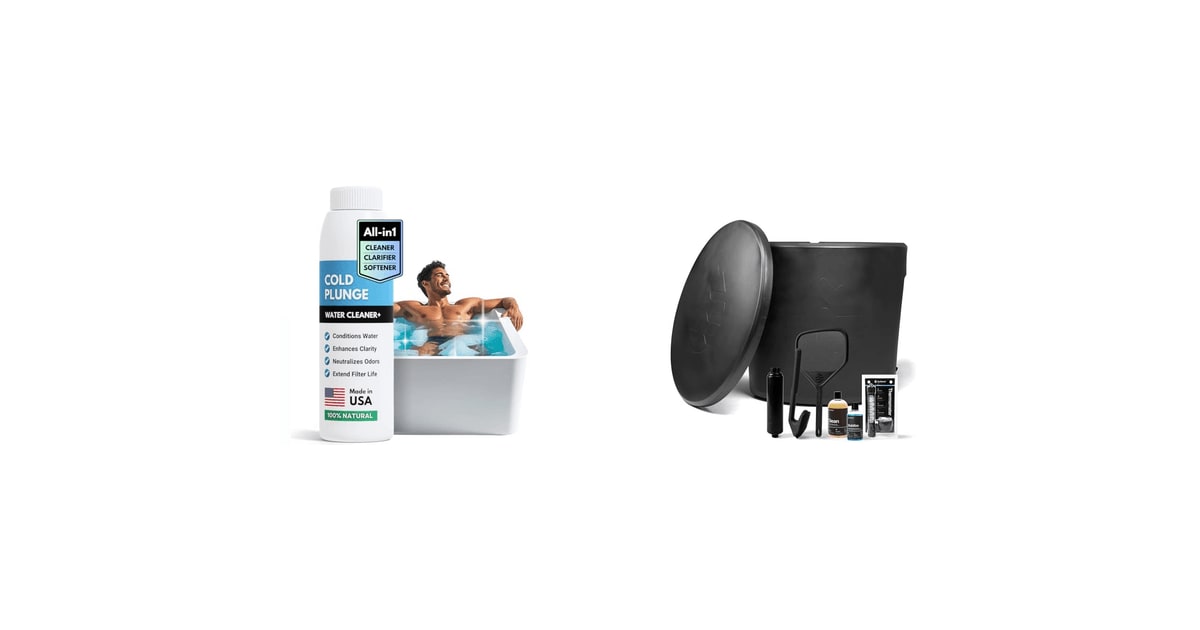
Cold plunging is simple in theory and annoying in practice. You want water somewhere in the 50s, you want it there when you finally have ten free minutes, and you don't want to think about it in between. That last part is where most home setups fall apart. Hauling bags of ice gets old fast, and water that sits for weeks turns cloudy and slick if nothing is filtering or treating it. So the real question isn't how cold a tub can get. It's how much work it asks of you every week.
No product here solves the whole problem alone. A barrel holds cold beautifully but can't make cold, so you're either buying ice or adding a chiller later. A drop-in chiller makes cold but gives you no tub, no cover and no filter. And nothing in this category is silent or free to run — compressors hum, pumps cycle, and your power bill ticks up a little. Plan on assembling a system rather than buying one appliance that does everything.
The upside is real enough to justify the fuss. A meta-analysis of 17 randomized trials found that immersion at or below 59°F for 10 to 15 minutes cut delayed-onset muscle soreness by up to 20% compared with simply resting. Cleveland Clinic sports medicine physicians put the useful range for most adults around 57°F to 60°F, which is warmer than the internet usually implies. We think that the Ice Barrel 300 Cold Plunge Tub & Maintenance Bundle is the best cold plunge tub for most people, and that the Cold Plunge Chiller Pro is the one to buy if you already own a tub you like.
Everything we recommend

Simple, insulated and built to last, if you don't mind ice

Skip the ice runs and keep the tub you've already got
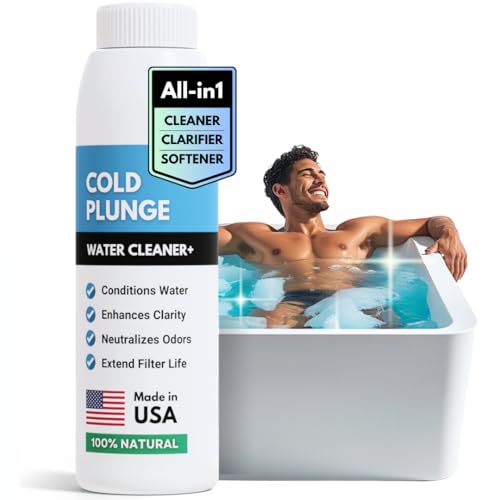
The upkeep piece that keeps water usable between refills
At a glance
| Product | Cooling Method | Dimensions | Price | |
|---|---|---|---|---|
| Alaskey All-in-One Cold Plunge Water TreatmentAlso great | — | 2.5x2.5x10in | $25.99 |
| Ice Barrel 300 Cold Plunge Tub &Top pick | No Ice Required | 30.5x35.5x35.5in | $1,329.98 |
| Cold Plunge Chiller ProUpgrade pick | No Ice Needed | 12.6x15.4x11.8in | $549On sale |
How we picked
Real cold, held steady. We compared manufacturer temperature ratings against the therapeutic window that published research supports — roughly 50°F to 59°F for recovery. Anything that couldn't reliably get and stay under 60°F in a warm room wasn't worth considering.
How the cold happens. We separated tubs that make their own cold from tubs that need ice, because that single difference drives most of what you'll spend and do over a year. Both approaches can work; they just suit different people.
Upkeep you'll actually do. Spec sheets and owner feedback both point the same direction: water care is where home setups fail. We favored products that come with a sanitation plan, a cover, or a drain that makes a refill painless.
Fit and placement. We read listed interior dimensions with taller and broader users in mind, and weighed whether a unit can live outdoors through weather or needs to stay inside. A tub that doesn't fit your body or your space is a very expensive planter.
Support and durability. Cold plunge brands come and go, so we looked at stated warranty terms and at what owners report when something breaks. Responsive service and a shell that survives sun and frost mattered more than feature lists.
Top pick
Simple, insulated and built to last, if you don't mind ice
Ice Barrel 300 Cold Plunge Tub &
The Ice Barrel 300 is an upright, fully insulated tub made from recycled LLDPE, and this bundle adds the cleaning and stabilizing supplies you'd otherwise buy separately. It can't chill water on its own, but it holds cold well enough that one ice run can cover more than a single session.
$1,329.98fromAmazonA rigid insulated shell is the part you shouldn't cheap out on. Inflatable tubs are tempting because they pack away, but they sag, they puncture, and they lose cold fast. The Ice Barrel is molded from recycled LLDPE, the same family of plastic used in medical-grade gear, with insulation built into the wall. That means your ice melts slower and your water stays in range longer, which is the whole ballgame if you're paying for ice.
It also takes up less floor than you'd expect. The barrel stands upright and you plunge seated, so it occupies roughly the footprint of a patio chair instead of a bathtub. That's the right shape for a garage corner, a balcony, or the strip of concrete beside the house. If you're tall or broad, check the listed dimensions carefully — you sit in this, knees up, and you won't be stretching out.
The maintenance kit matters more than it sounds. Cold plunge water goes bad quietly: a film on the wall, then a smell, then a full drain and refill you didn't plan for. Bundling the cleaner and stabilizer with the tub means you start with the right supplies instead of guessing at pool chemicals. With treatment and a cover, the listing puts water changes at roughly every four weeks, and the built-in drain makes that a hose job rather than a bucket job.
Nothing here can break in an expensive way. There's no compressor, no circulation pump, no app, no firmware. That's a limitation, and we'll get to it. But it also means the failure modes are a cracked lid or a worn drain fitting, not a sealed refrigeration system out of warranty. For a beginner who isn't sure cold therapy will stick, that's the safer place to put your money.
Flaws but not dealbreakers
You have to supply the cold. There's no chiller, so getting into the low 50s in a warm garage means real ice — published coverage of Ice Barrel's larger model found roughly 40 pounds of it to hit 50°F in 75°F ambient air. That adds up, in both money and trips to the store. If you plunge most days year-round, a chiller pays for itself sooner than you'd think.
Temperature control is guesswork. You get whatever the ice and the weather give you, and it drifts upward the whole time you're sitting there. Anyone chasing a specific number for a training protocol will find that frustrating.
The seated position is divisive. Some people love the compact upright soak, but if you want your shoulders and legs submerged while lying back, this isn't that. And climbing out of a deep barrel with cold-stiff legs takes a little care, especially on a wet floor.
Upgrade pickOn sale
Skip the ice runs and keep the tub you've already got
Cold Plunge Chiller Pro
The PlungeFit Cold Plunge Chiller Pro is a half-horsepower unit that drops straight into the water — no hoses, no plumbing, no separate loop. It's rated to 39°F, it's controlled from your phone, and it works with a barrel, a stock tank, or the bathtub in your apartment.
$549fromAmazonList priceMost chillers ask you to build a small plumbing project: inlet hose, outlet hose, pump, fittings, leaks. This one goes in the water and plugs into an outlet. Owners consistently describe setup as the surprise — box open, unit in, chiller running the same afternoon. If the thing standing between you and a daily plunge is a Saturday of assembly, that difference is the whole reason to pick this.
It untethers you from ice, which is where the math turns. Ice is a recurring cost and a recurring errand, and both scale with how often you actually use the tub. A chiller front-loads the expense and then charges you a modest amount of electricity. If you plunge a few times a week, the running cost lands well under what regular ice runs cost, and you stop scheduling your recovery around the grocery store.
The app is genuinely useful rather than decorative. You set a target, you set a schedule, and the water is cold when you get home from a workout instead of an hour after. That matters more than it sounds, because the main reason home plunges go unused is that they aren't ready at the moment you're motivated. Being able to check the temperature from your phone before you undress is a small, real luxury.
It's also flexible in a way a fixed tub isn't. Because it cools whatever it's sitting in, you can start with a stock tank or a cheap insulated tub, then upgrade the vessel later without replacing the expensive part. Owners report running it outdoors as well as in, which rules out a lot of competing chillers designed strictly for indoor placement.
Flaws but not dealbreakers
Water needs to move for a drop-in chiller to work well, and this one doesn't circulate the whole tub on its own. Several owners ended up adding a small pump or circulator to keep temperatures even, and at least one reported that support shipped one out to solve exactly that. Budget for it if your tub is large.
The thermostat has a wide swing. Owners note the unit lets water rise about five degrees above the setpoint before kicking back on, which is easier on the compressor but means your actual plunge temperature is a range, not a number. It's fine for recovery. It's imprecise if you're following a strict protocol.
This is a young product from a small brand, and the owner feedback pool is thin. The reports that exist skew positive and describe fast, attentive customer service, including replacements for units that wouldn't hold temperature. That's reassuring on service, but it also tells you some units arrive not working right.
The Cold Plunge Chiller Pro comes with a one-year warranty, and PlungeFit says its support team responds within 24 hours.
Also great
The upkeep piece that keeps water usable between refills
Alaskey All-in-One Cold Plunge Water Treatment
This is a bottled treatment made for cold plunge water rather than for a pool or a heated spa, and you dose it on a schedule instead of waiting for the tub to turn. It won't chill anything and it isn't a filter, but it's the difference between refilling monthly and refilling weekly.
$25.99fromAmazonWater care is the part people skip, and it's the part that quietly ends a home plunge habit. A tub with no treatment goes cloudy in a week or two, then slick along the wall, then it's a full drain you didn't plan for on a Saturday. Adding a dose on a set day takes about a minute. That's a much smaller chore than dragging the hose out every weekend.
Buy something formulated for cold plunges rather than the jug from the pool aisle. Cold water behaves differently from a heated spa, and generic pool chemistry is easy to overdo in a container this small. A product sold for plunge tubs takes the guesswork out of how much to add, which matters a lot when you're the one climbing in a few minutes later.
It's a consumable, so treat it as a running cost rather than a one-time purchase. You'll rebuy it the same way you rebuy filters. If you went with our top pick, the bundle already includes supplies and you can skip this for now. This is for anyone who bought a bare tub, a stock tank, or a chiller with no plan at all for the water.
Flaws but not dealbreakers
It does one job. Treatment slows how fast water goes bad, but it doesn't filter out leaves and hair, and it's no substitute for a cover or a quick shower before you get in. Skip those and you'll still be draining more often than you'd like.
The right dose depends on how many people use the tub and how dirty they are, and no bottle can tell you that. Expect some trial and error in the first month. Judge by looking at the water and running a hand along the wall, not by the calendar alone.
Who this is for
Buy a cold plunge setup if you already know you'll use it — you've been doing cold showers, or icing after long runs, and you're tired of improvising. It suits athletes managing soreness, people with backyard gyms, and anyone whose morning routine benefits from a hard reset. If you're merely curious, start with a basic insulated vessel you can live with and add a chiller only once the habit sticks. Almost nobody regrets buying the tub first and the refrigeration second.
Skip it if you have a heart condition or uncontrolled high blood pressure without talking to your doctor first. The American College of Sports Medicine caps sessions at 15 minutes and warns against plunging alone below 50°F if you have cardiovascular concerns. This guide covers home tubs and the chillers that cool them. It doesn't cover clinical cryotherapy chambers, targeted ice-machine wraps for post-surgical recovery, or hot tubs that happen to run a cold cycle.
How we picked
Cold: the unit has to reach and hold the low-to-mid 50s in a warm room, since that's the range published research links to reduced soreness. Cooling method: we treated ice-based and chiller-based setups as different tools, not better and worse, and weighed the ongoing errand of buying ice against the upfront cost of refrigeration. Upkeep: filtration, treatment supplies, a decent cover and an easy drain, because water care is what quietly kills a home plunge habit. Fit: listed interior dimensions, seated versus reclined posture, and whether the shell survives sun, rain and frost outdoors. Support: stated warranty terms and what owners say happens when a unit arrives wrong.
The competition
This is what our research surfaced on Amazon for this category, not a census of the market. Several well-regarded plunge tubs sell only direct from their makers and never appear here, and the listings that did turn up alongside our picks were mostly accessories and unrelated products rather than competing tubs. If you're shopping beyond this page, the questions to carry with you are the same ones above: how cold it holds, how the cold gets made, and how much weekly work it costs you.
Care and maintenance
Treat the water like a small pool, not a bathtub. Rinse off before you get in — sunscreen, sweat and lotion are what cloud the water and coat the walls. Keep the tub covered between sessions, since sunlight and debris shorten how long a fill lasts. Add a stabilizer or clarifier on the schedule the maker suggests rather than waiting for a smell, and check the water weekly by looking at it and running a hand along the wall. Plan on a full drain, rinse and refill about once a month with regular use, sooner if several people share it. If you run a chiller, keep the intake clear and pull it out before a hard freeze if it isn't rated to sit outside.
Questions we get
What temperature should a cold plunge tub be set to?
For most adults chasing recovery, 57°F to 60°F is the range Cleveland Clinic sports medicine physicians point to. Research on soreness generally uses water at or below 59°F. Colder isn't automatically better — going into the 30s and 40s mostly shortens how long you can safely stay in. Start warmer than you think and work down.
How long should you stay in a cold plunge?
The American College of Sports Medicine caps sessions at 15 minutes, and most of the recovery research uses 10 to 15 minutes. If you're new, two or three minutes is a fine place to start. Get out if you stop shivering, feel dizzy, or lose feeling in your hands and feet.
Is a chiller worth it, or should I just buy ice?
It depends entirely on how often you plunge. Ice makes sense for a few sessions a month or for a trial run before you commit. If you're in the water several times a week, the ice bill and the errands add up quickly, and a chiller starts looking cheaper within the first year of regular use.
Can I use a cold plunge tub in an apartment?
Yes, with caveats. A drop-in chiller like the Cold Plunge Chiller Pro works in a standard bathtub, which sidesteps the space problem entirely. Watch two things: compressor noise, which varies a lot between units and matters through shared walls, and floor loading, since a full tub is heavy. Draining also needs to be easy, or you'll stop doing it.
What's the difference between an ice barrel and a chiller tub?
An ice barrel is an insulated container. It holds cold but doesn't create it, so you supply ice and accept whatever temperature you get. A chiller tub refrigerates the water and holds a set point, so it's ready on a schedule and costs electricity instead of ice. Barrels are cheaper to buy and more work to run.
How do you keep the water clean?
Shower before you get in, keep a cover on the tub, and use a clarifier or stabilizer on a regular schedule rather than reactively. Filtration and ozone or UV sanitation stretch the interval between refills considerably. Even with all that, drain and refill roughly monthly, and more often if the tub gets shared.
Why you should trust us
For this guide:
- We read published reviews and independent coverage of home cold plunge tubs and chillers, and compared manufacturer specifications for cooling capacity, materials, dimensions and sanitation.
- We reviewed guidance from Cleveland Clinic and the American College of Sports Medicine, along with peer-reviewed research on immersion temperature and session length, to set the thresholds we judged products against.
- We read owner feedback for recurring themes — setup difficulty, temperature stability, water circulation and customer service — and used those patterns to shape the flaws and caveats above.
- We read owner reviews on every listing, weighted toward the critical ones, because that is where the recurring failures show up.
- We have a systematic way of automatically fetching the latest prices, so the numbers on this page stay current.
- This is a research-focused guide, so the team may not own every product listed — though we often do own the top winners, which gives us extra context for the recommendations.
- We don't accept free products, and the retailer commission never changes which product we recommend.
Sources
Best Cold Plunge Tubs of 2026 — Wirecutter / NYT, Wirecutter
Cold Water Immersion: Physiology and Applications — PubMed / NCBI, National Library of Medicine
Cold Plunge Tub Reviews & Comparison — Garage Gym Reviews, Garage Gym Reviews
Best Cold Plunge Tubs Reviewed — Healthline, Healthline
Cold Plunge Tub Buyer's Guide — Men's Health, Men's Health
Cold Plunge Tubs: Science, Safety, and Selection — Cleveland Clinic, Cleveland Clinic
Best Cold Plunge Tubs 2026 — Forbes Health, Forbes Health
Ice Bath and Cold Plunge Recovery Research — Journal of Science and Medicine in Sport, Journal of Science and Medicine in Sport
Plunge All-In Product Testing — OutdoorGearLab, OutdoorGearLab
Morozko Forge Performance Review — Onnit Academy / Expert Blog, Onnit Academy
Global Cold Plunge Market Size and Forecast — Grand View Research, Grand View Research
Cold Water Therapy Safety Guidelines — American College of Sports Medicine, American College of Sports Medicine
Amazon product listings and owner reviews for all 3 products
Manufacturer specification pages for each product
Some passages in this guide may be paraphrased with AI help. Prices are refreshed automatically.
More like this.
Continue exploring health reviews and recommendations.

The Best Inflatable Hot Tubs
An inflatable hot tub is one of the few backyard upgrades you can be using the day after it arrives. You unroll it on a flat patch of patio, let the pump…

The Best Cold and Flu Home Care Kits
A cold never schedules itself. It shows up on a Sunday night, and by Monday you're deciding whether you can get through a call without sounding like…

The Best Cold Therapy Knee Wraps
A knee that's just been operated on, twisted on a trail run, or flared up after a long day swells fast. Cold slows that down. But how you deliver the cold…

The Best Cold-Weather Dog Coats
Cold hits some dogs much harder than others. A husky can nap in the snow. A whippet starts shivering on a 40-degree sidewalk, and a 12-year-old terrier…

The Best Cold Air Intakes
A cold air intake is usually the first thing people bolt onto a truck or a commuter car, and it's easy to see why. It trades the factory airbox for a…

The Best Cold Press Juicers
A cold press juicer crushes produce slowly instead of shredding it at high speed. That means less foam, less heat, and juice that holds its color and…