The Best Compression Socks for Circulation
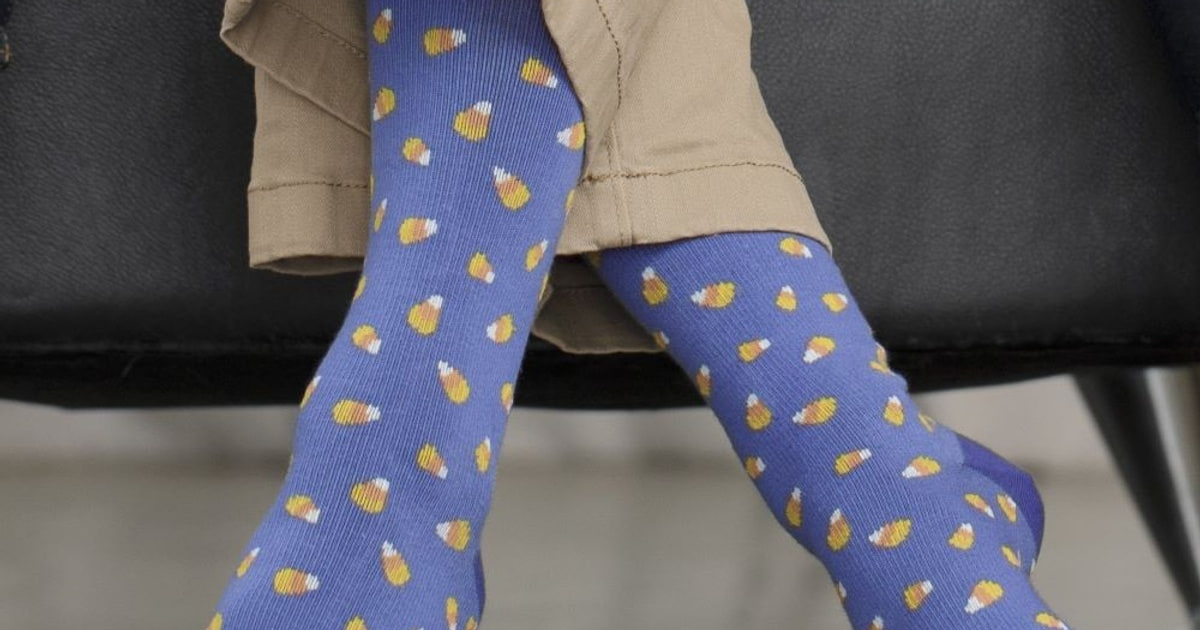
If you're on your feet for twelve hours, or wedged into a middle seat for nine, your calves are doing a lot of quiet work. Compression socks help with that. They squeeze hardest at the ankle and ease off toward the knee, which nudges blood back up your leg instead of letting it pool around your ankles. You feel it as less swelling by dinner and legs that don't feel like sandbags. The good ones do this without cutting into you or looking like hospital issue.
Here's the honest part. No compression sock stays therapeutic forever. The elastic relaxes, and after enough hot washes and tumble dries you're just wearing a firm dress sock. Sizing is the other problem, because brands measure calves differently and a top band that's too tight acts like a tourniquet, making circulation worse rather than better. And none of these treat a disease. They ease aching, heaviness and swelling. If you have arterial disease or neuropathy, talk to a doctor before you start.
So we looked for socks that state a real compression range, come in enough sizes to fit an actual calf, and hold their shape through repeated washing. We leaned on manufacturer specifications, published reviews and recurring themes in owner feedback. For most people the answer is 15–20 mmHg, the everyday range you can buy without a prescription. We think that the Sigvaris Casual Cotton 186 is the best compression sock for circulation for most people, and that the JOBST Activewear is the one to buy if you want a brand your doctor already knows in a broader size range.
Everything we recommend

Real graduated compression in a sock that feels like a sock

A physician-familiar sock that stays dry on long shifts

Mild compression, three pairs, no real commitment

Firm, zoned compression if you run most days
Wide-calf sizing that doesn't skimp on compression
Prices as of Oct 22, 7:36 AM PT · Details
At a glance
| Product | Compression (mmHg) | Sock Length | Price | |
|---|---|---|---|---|
| Sigvaris Men's Casual Cotton 186 Calf HighTop pick | 15-20mmHg | Calf High | $36.76 |
| CEP Core Run Tall Compression Socks 5.0Upgrade pick | 20-30mmHg | Tall | $59.90 |
| JOBST Activewear 15-20 mmHg Knee High CompressionRunner-up | 15-20mmHg | Knee High | $38.25 |
| Comrad Nylon Knee High Socks - 15-20mmHgAlso great | 15-20mmHg | Knee High | $33.99 |
 | Sockwell Men's Elevation Firm Graduated Compression SockAlso consider | 20-30 mmHg | — | $32.95 |
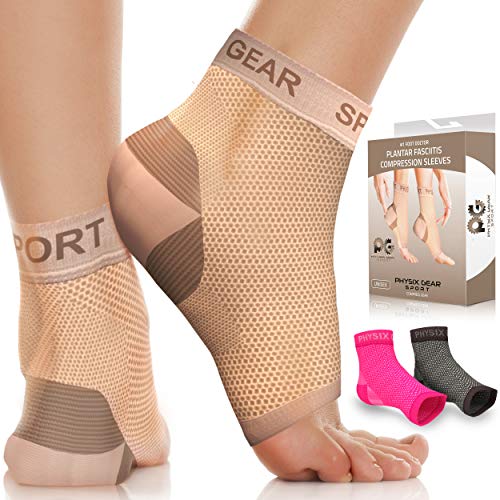 | Physix Gear Sport Plantar Fasciitis Socks withAlso in lineup | — | Ankle | $14.17 |
 | Bombas Women's Knee-High Compression SocksAlso consider | — | Knee-High | $35.99 |
 | THERAFIRM Ease Opaque Open-Toe Knee Highs -Also in lineup | 15-20mmHg | Knee Highs | $40 |
| Amazon Essentials Men's Knee High Graduated CompressionBudget pick | — | Knee High | $11.40 |
 | VIM & VIGR 15-20 mmHg Merino WoolAlso consider | 15-20 mmHg | Ankle To Calf | $38 |
Prices as of Oct 22, 7:36 AM PT · Details
How we picked
Stated compression. We favored socks that publish an mmHg range rather than vague claims about support, and we kept the guide inside 15–20 and 20–30 mmHg. Anything firmer belongs in a doctor's hands, not a shopping list.
Calf fit and sizing. We read every size chart to see whether a brand sizes by calf circumference or only by shoe size. Owner feedback about the top band digging in is the single most common complaint in this category, so wide-calf and short-length options earned real credit.
Fabric and heat. Cotton, nylon and merino behave very differently on a hot day or a long flight, so we compared fiber blends and any moisture-wicking or thermoregulating claims. We also noted where published reviews said a sock ran warm.
Life in the laundry. Compression fades before a sock looks worn out, so we looked for durability claims backed up by owner reports of pressure holding past dozens of washes. Socks that need hand washing got a caveat, not a penalty.
Getting them on. A sock you can't pull up is a sock you won't use, so we weighed stretch, top-band design and any donning-friendly features. This matters most for older buyers and anyone with hand or shoulder trouble.
Top pick
Real graduated compression in a sock that feels like a sock
Sigvaris Men's Casual Cotton 186 Calf High
This is a 15–20 mmHg calf-high built mostly from Supima cotton, so it's soft in a way most compression socks aren't. You get guaranteed graduated pressure, a flat toe seam that doesn't saw at your toes, and enough stretch to get it on without a fight.
$36.76fromAmazonPrices as of Oct 22, 7:36 AM PT · Details
The compression is the whole point, and this is a company that only makes compression. Sigvaris builds medical hosiery, and it guarantees graduated pressure on this style: tightest at the ankle, easing as it climbs your calf. That's the profile vascular specialists point to, because it works with your calf muscle pump instead of just clamping your leg. Published reviews have used Sigvaris as the reference point for years, and the newer brands get measured against it.
Cotton is why you'll actually keep them on. The knit is 66% Supima cotton with nylon and spandex, so it feels closer to a good dress sock than a surgical stocking. A flat, low-friction toe seam keeps the sock from rubbing across your toes over a long day. If past compression socks felt clammy and plasticky by lunch, this is the fix, and comfort is what turns a good sock into one you wear daily.
Getting them on isn't a wrestling match. Sigvaris designed this style with genuine stretch, and it doesn't slip down or pinch once it's up. That matters more than it sounds. A sock you dread putting on is a sock you quietly stop wearing, and compression only helps on the days it's actually on your leg. Anyone who's fought a stiff medical stocking at six in the morning knows exactly what we mean.
The 15–20 mmHg range covers most of what people want. It's the level meant for tired, heavy, restless, aching legs, for standing jobs, for long flights, and for anyone with vein trouble in the family. It's mild enough for daily wear without a prescription and firm enough that you notice the difference by evening. If a doctor has told you to go firmer, start with that conversation instead.
Flaws but not dealbreakers
It's one of the pricier socks here, and it's sold by the pair. Compression works best when you rotate a few pairs so each one gets washed and rested, which means the real cost is a multiple of one sock. Against a multipack, that stings. We still think it's the right buy if you wear compression most days of the week.
Cotton holds heat. In a hot kitchen or a Phoenix summer, you'll feel it. The same softness that makes this sock comfortable also traps warmth in a way merino and open-knit nylon don't. It's not a dealbreaker for most people, but if you run hot, one of the wool options below will suit you better.
Black, and not much else. The color and pattern choice on this style is thin, so if you want compression socks that read as part of an outfit rather than an undergarment, you'll be disappointed. None of that changes how the sock works. It just means you're wearing black.
Runner-up
A physician-familiar sock that stays dry on long shifts
JOBST Activewear 15-20 mmHg Knee High Compression
JOBST is one of the names doctors reach for, and Activewear is its everyday version: 15–20 mmHg, moisture-wicking, and cut for people who move. A wide comfort band at the knee keeps it from sliding, and the cushioned foot makes long days on hard floors easier.
$38.25fromAmazonPrices as of Oct 22, 7:36 AM PT · Details
This is the sock your doctor has probably heard of. JOBST has made compression garments for decades and ranks among the most commonly prescribed brands for chronic venous insufficiency and post-operative recovery. Buying the Activewear line gets you that pedigree without a prescription or a trip to a medical supply counter. If you want something a clinician will recognize by name when you mention it, this is the pick.
It stays dry, which is half of comfort. JOBST uses a Dri-Release knit that wicks moisture, dries fast and keeps odor down. On a twelve-hour shift, that's the difference between socks you forget about and socks you think about all afternoon. The foot is cushioned with a seamless toe, so there's no ridge pressing across your toes while you're walking hard floors.
The band at the top is wide, and that matters more than it sounds. A narrow elastic band bites into the leg and leaves a dent by mid-afternoon. JOBST's wide comfort knee band spreads that load, so the sock stays where you put it without strangling your calf. It also comes in a broad size run, including Large, which helps if standard sizing has never quite worked for you.
Flaws but not dealbreakers
The colors are hospital colors. Cool white and neutral clinical tones dominate the line, so these look like exactly what they are. Under scrubs, nobody cares. If you want compression that disappears under a suit or with a skirt, skip to the also-considers below, where style is part of the design brief.
The knit is stiff enough to be a chore. Published reviews and owner feedback both keep circling back to how firm medical socks are hard to pull on, and this one is no exception. If your hands, hips or shoulders aren't cooperative, factor that in. A donning aid helps, and so does putting them on first thing in the morning before your legs swell.
Budget pick
Mild compression, three pairs, no real commitment
Amazon Essentials Men's Knee High Graduated Compression
This is a three-pack of knee-high graduated compression socks with a cotton blend, mesh venting and a bit of arch support. It's the low-risk way to find out whether compression actually helps your legs before you spend serious money on a medical brand.
$11.40fromAmazonPrices as of Oct 22, 7:36 AM PT · Details
Three pairs means you'll actually wear them. Compression socks need washing after every wear, and a single pair becomes a laundry problem within a week. A multipack solves that on day one. If you're starting out, simply having enough socks to get through a work week matters more than any single feature further down the spec list.
Knee-high is the right shape. A lot of budget compression is sold as ankle sleeves, which cover almost none of the leg where blood actually pools. These run up over the calf with graduated pressure, so you get the coverage that makes compression worth doing at all. Amazon adds mesh panels, zone cushioning and arch support, plus a comfort toe without a bulky seam.
For desk days and flights, mild is enough. Amazon describes the compression as mild graduated, which is the range meant for swelling and leg fatigue rather than diagnosed vein disease. Sitting at a desk, or folded into an economy seat for six hours, that's exactly what you want. Owners mostly buy these for travel and long days standing, and that's the job they do.
Flaws but not dealbreakers
Amazon doesn't publish an mmHg number. The listing says mild graduated compression and stops there, so you can't check it against what a clinician recommended or line it up against the certified brands. For casual use that's tolerable. If a doctor gave you a target range, buy a sock that states one on the package.
They won't last like the medical brands. The fabric is thinner and the elastic gives up sooner, especially if you wash hot and tumble dry. Expect to replace them more often than a Sigvaris or JOBST pair, and expect the compression to fade before the sock looks worn. Sizing is coarse too: one shoe-size band covers a lot of feet, and calf circumference isn't addressed at all.
Upgrade pick
Firm, zoned compression if you run most days
CEP Core Run Tall Compression Socks 5.0
The Core Run Tall 5.0 is a firm 20–30 mmHg running sock with patented compression zones over the calf, ankle, Achilles and arch. It's built for training miles and the sore hours afterward, with breathable air channels, a smooth toe seam and traction along the sole.
$59.90fromAmazonPrices as of Oct 22, 7:36 AM PT · Details
The compression is mapped, not uniform. CEP applies different pressure to the calf, ankle, Achilles and arch, which is what you want when the problem is muscle vibration, shin splints or heel pain rather than general puffiness. At 20–30 mmHg it's firm, and that's the range published research points to for reducing post-run soreness. If you run most days of the week, this is the sock to want.
It handles sweat better than any wool sock here. Breathable air channels and lightweight, fast-drying fabric keep a hot long run from turning your socks into sponges. That's not vanity. Wet fabric plus miles equals blisters, so CEP pairs the quick-drying knit with a smooth toe seam and shock-absorbing cushioning to keep friction and hot spots down.
It's made to survive your wash cycle. CEP builds these to hold shape and support through repeated wear and washing, which is the quiet failure point on cheaper compression socks. Traction zones along the sole also stop your foot sliding around inside the shoe on hard efforts. Across a training block, that durability is most of what you're paying for.
Flaws but not dealbreakers
It's the most expensive option here, by a clear margin. For a running-specific sock you'll rotate with two or three others, the total adds up fast. If you run a couple of times a month, your money does more good in one of the everyday picks. If you're deep in marathon training, it's much easier to justify.
20–30 mmHg is a lot when you're sitting still. Compression that feels supportive on a run can feel like a clamp during a desk afternoon or a long flight, so these aren't all-day socks for most people. Reviewers also note the toe box runs narrow, so size up if your feet are wide or you like room at the front.
Also great
Wide-calf sizing that doesn't skimp on compression
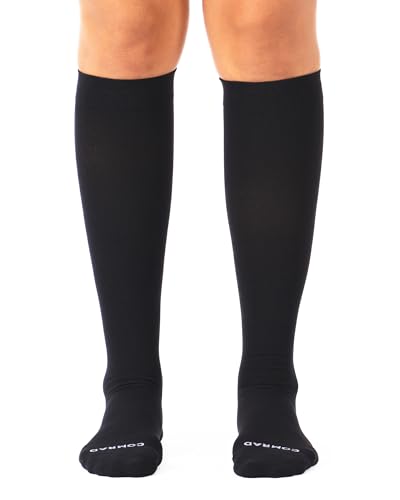
Comrad Nylon Knee High Socks - 15-20mmHg
Comrad's nylon knee-high comes in a wide-calf cut that fits a 14- to 16-inch calf at medium, with 15–20 mmHg true graduated compression. The nylon-spandex knit is soft, stretchy and treated with SmartSilver, so it stays civil through a double shift.
$33.99fromAmazonPrices as of Oct 22, 7:36 AM PT · Details
Wide-calf sizing is where most compression socks fail. Comrad sizes by shoe size and calf circumference together, and the wide-calf medium covers 14 to 16 inches around the calf. If standard socks have left a red ring at the top of your leg, that's the entire problem, and this is the fix. Comrad also tells you to size up when you're between sizes, which is the right advice.
It's built for people who stand for a living. Nurses, teachers and anyone else pacing hard floors turn up constantly in owner feedback on these. The nylon wicks moisture, the leg is contoured to follow your calf instead of fighting it, and the premium yarn stretches enough that you can pull them on before dawn without waking your shoulders up.
The compression is graduated and the odor control is real. Pressure is strongest at the ankle and eases up the leg, which is the profile that actually moves fluid out of your ankles. SmartSilver in the fabric keeps a sock you wore for twelve hours from announcing itself in the laundry basket. Comrad sells these as unisex, so partners can share sizes when shoe ranges line up.
Flaws but not dealbreakers
Nylon breathes less than wool. At 91% nylon, these run warmer than the merino options if your day happens in a hot kitchen or a delivery van with no air conditioning. Indoors most people won't notice. If you overheat easily, VIM & VIGR or Sockwell will treat you better.
Wide calf is the wrong buy if your calves aren't wide. The extra circumference leaves a slack top band on a standard leg, and slack means the graduated profile stops working the way it's designed to. Order the standard cut in that case. These also cost more than generic medical-supply socks with the same stated compression on the label.
Who this is for
Buy compression socks if your legs ache or swell after a long day standing, if you fly or drive for hours at a stretch, if you're pregnant, or if a clinician has mentioned mild venous insufficiency or varicose veins. The 15–20 mmHg picks here are the everyday range, safe for most healthy adults to wear daily without a prescription. If you run seriously and want faster recovery, the firmer 20–30 mmHg options are aimed at you instead.
Skip this guide if a doctor prescribed 30–40 mmHg or higher, or if you have arterial insufficiency, peripheral neuropathy or significant edema. In those cases compression can do harm, and you need a fitting and a professional opinion rather than a shopping recommendation. We've stuck to knee-high and calf-high socks meant for circulation, which means thigh-highs, medical wraps, and ankle sleeves designed purely for heel and arch pain fall outside what we cover here.
How we picked
Stated compression: we only considered socks that publish an mmHg range, and we capped the guide at 20–30 mmHg because anything firmer needs a clinician. Calf fit: we read the size charts to see whether a brand accounts for calf circumference, since a top band that bites is the complaint owners raise most. Fabric and heat: we compared cotton, nylon and merino blends along with any wicking or thermoregulation claims, because a sock that cooks your legs comes off by noon. Laundry life: we looked for evidence in owner feedback that pressure holds through repeated washing, not just that the sock survives. Getting them on: stretch, band design and donning ease decided close calls, especially for older buyers.
Other compression socks for circulation worth considering
If you want merino wool for travel: The VIM & VIGR 15-20 mmHg Merino Wool — VIM & VIGR's Merino Wool 15–20 mmHg sock is the one to pack. Australian merino at a 200-needle count regulates temperature in both directions, so it works on a cold plane and in a warm terminal, and the wool resists odor over a couple of wear days. The toe pocket is flexible rather than tapered, which helps if compression socks usually squeeze your toes flat. VIM & VIGR developed its legwear with vascular surgeons and vein clinics, and the solid black reads as a normal dress sock. You give up easy laundering, since wool wants gentler handling, and a small number of people find any wool itchy against the skin.
If you want firmer compression in a wool sock: The Sockwell Men's Elevation Firm Graduated Compression Sock — Sockwell's Elevation is a four-zone firm 20–30 mmHg over-the-calf sock in a high-performance wool blend, and it's a good middle ground between the everyday picks and a pure running sock. The turn welt top sits comfortably, there's arch support and a light cushion sole, and Sockwell aims it squarely at travel, prolonged standing and recovery. Wool handles temperature swings better than nylon, which is why long-haul flyers like it. The trade-offs are real: firm compression feels like a lot if you're mostly sedentary, the wool needs careful washing to keep its pressure, and this variant only comes in L/XL, so check the shoe-size chart before you commit.
If you want compression socks that don't look medical: The Bombas Women's Knee-High Compression Socks — Bombas makes a women's knee-high compression sock at the everyday 15–20 mmHg level, and it's the one you'd actually wear where people can see it. A honeycomb arch support panel adds structure, and the blister-tab heel cuts the friction that makes plainer compression socks rub during a lot of walking. Colors and patterns go well beyond clinical neutral. What you give up is information and headroom: the listing tells you little about the knit, the moderate compression level isn't meant for serious venous disease, and the women's-specific cut won't suit every leg shape. Style also carries a premium over equivalent compression from a medical brand.
The competition
This is what our research surfaced, not a survey of everything sold. Compression socks are a crowded category full of near-identical listings, so we concentrated on brands with a stated mmHg range, a real size chart and enough published or owner feedback to say something useful. One listing here didn't win an award but still solves a specific problem better than any of our picks.
The THERAFIRM Ease Opaque Open-Toe Knee Highs - — THERAFIRM's Ease Opaque Open-Toe Knee Highs are a mild 15–20 mmHg stocking that the brand says is lab tested for its compression, made in the USA, with CoolMax fibers and extra-stretchy yarn so they go on with less effort than most medical hosiery. The band is designed not to restrict, and there's a short length as well as a long one, which is genuinely rare. It lost to our picks on versatility: the open toe rules out running and most sport, the sand and black palette looks clinical, and the fabric is thick enough to feel warm. Still, choose it if your toes or toenails are sensitive, if pulling a closed-toe sock over your foot hurts, or if standard knee-highs are simply too long for your legs.
Fit and sizing
Measure your calf at its widest point first thing in the morning, before any swelling builds up, and measure your ankle too if the size chart asks for it. A sock that's too small at the top acts like a tourniquet and works against the circulation it's meant to help. If your calf is over about 16 inches, buy something sold specifically as wide calf; standard sizing from even the best brands won't fit properly. Put socks on in the morning, take them off at night, and never sleep in them unless a doctor says to. Wash after every wear in cool water and let them air dry, since heat is what kills elastic. When a pair stops feeling snug at the ankle, it's finished, even if it looks fine.
Questions we get
What mmHg level do I need for poor circulation?
For mild to moderate issues, 15–20 mmHg is the usual recommendation and the range you can buy and wear without supervision. Athletes and people with moderate venous insufficiency or noticeable swelling are often pointed toward 20–30 mmHg. Anything at 30 mmHg or above should come with a doctor's sign-off, because firm compression is contraindicated in some arterial conditions.
Are compression socks safe to wear every day?
For healthy adults, 15–20 mmHg socks are generally fine for daily wear. Put them on in the morning and take them off before bed. If you have arterial insufficiency, peripheral neuropathy or significant edema, get a clinician's opinion first, since compression can make some circulatory problems worse rather than better.
What's best for standing all day as a nurse or teacher?
The Comrad Nylon Knee High is our recommendation for long shifts, mostly because it sizes by calf circumference and offers a wide-calf cut, which is what fails on most socks by hour ten. The JOBST Activewear is the other strong option, with a wide comfort knee band and a moisture-wicking knit. Buy at least three pairs so you're never wearing a pair you washed an hour ago.
Can compression socks help with varicose veins?
They help with the symptoms: the aching, heaviness and swelling that come with veins that don't return blood efficiently. They won't make existing varicosities disappear. Compression is generally the first conservative step doctors suggest before anything procedural, so it's a reasonable thing to try while you wait for an appointment.
Should I wear compression socks on a long flight?
Yes, and 15–20 mmHg is the range usually recommended for travel. Published research on below-knee compression stockings in long-haul passengers found fewer cases of symptom-free deep vein thrombosis. The Sockwell Elevation and the VIM & VIGR merino socks suit flights especially well, since wool copes with a freezing cabin and a humid terminal equally.
Do compression socks actually help running recovery?
The research supports firm 20–30 mmHg compression for reducing post-exercise soreness and improving how your legs feel the next day. The effect is modest, not magic. The CEP Core Run Tall 5.0 is built specifically for this, with mapped pressure over the calf, Achilles and arch, and it's the pick if you're running enough for next-day legs to matter.
Why you should trust us
For this guide:
- We read the manufacturer specifications, fiber blends and size charts for every sock in this guide, paying particular attention to stated mmHg ranges and how each brand handles calf circumference.
- We compared published reviews from health and running publications with recurring themes in owner feedback, especially complaints about the top band, sizing and compression fading after washing.
- We did not use, wear or measure any of these socks, so everything here comes from specifications, published reviews and what owners consistently report.
- We read owner reviews on every listing, weighted toward the critical ones, because that is where the recurring failures show up.
- We have a systematic way of automatically fetching the latest prices, so the numbers on this page stay current.
- This is a research-focused guide, so the team may not own every product listed — though we often do own the top winners, which gives us extra context for the recommendations.
- We don't accept free products, and the retailer commission never changes which product we recommend.
Sources
Compression Stockings for Prevention of Deep Vein Thrombosis in Airline Passengers — Cochrane Review, Cochrane Library
Best Compression Socks — Wirecutter / New York Times, Wirecutter
Compression Therapy: Clinical and Experimental Aspects — Phlebology Journal, Phlebology Journal
Compression Stockings — American College of Phlebology, American College of Phlebology
Best Compression Socks and Stockings Review — Verywell Health, Verywell Health
Compression Therapy for Chronic Venous Disease — Journal of Vascular Surgery, Journal of Vascular Surgery
Compression Hosiery Standards — RAL-GZ 387 and European Standard EN 15987, Hohenstein Institute
Best Compression Socks 2026 — Forbes Health, Forbes Health
Amazon product listings and owner reviews for all 10 products
Manufacturer specification pages for each product
Some passages in this guide may be paraphrased with AI help.
Product prices and availability are accurate as of the date/time indicated and are subject to change. Any price and availability information displayed on Amazon.com at the time of purchase will apply to the purchase of this product.
More like this.
Continue exploring health reviews and recommendations.

The Best Compression Socks for Travel in 2026
Long flights are hard on your legs. You sit still for hours, the cabin pressure drops, and fluid settles in your ankles until your shoes feel a size too…

The Best Heated Compression Knee Massagers
Knee pain rarely shows up at a convenient moment. It's the first ten minutes after you get out of bed, or the ache that settles in after a long drive, a…

The Best Compression Clothing for Workout Recovery
Compression gear is one of the few pieces of workout equipment you wear when you're not working out. The idea is simple: snug fabric squeezes your legs,…

The Best TENS Units
A TENS unit sends mild electrical pulses through sticky pads on your skin, and the point is simple: it gives your nerves something else to pay attention…

The Best Reacher Grabbers for Seniors
A reacher grabber earns its keep by the number of times you don't have to bend down. The dropped sock, the can on the top shelf, the remote that slid…

The Best Lumbar Support Cushions
Your chair's backrest is flat. Your lower back isn't. A lumbar cushion fills that hollow just above your beltline so your spine keeps its natural inward…