The Best TENS Units
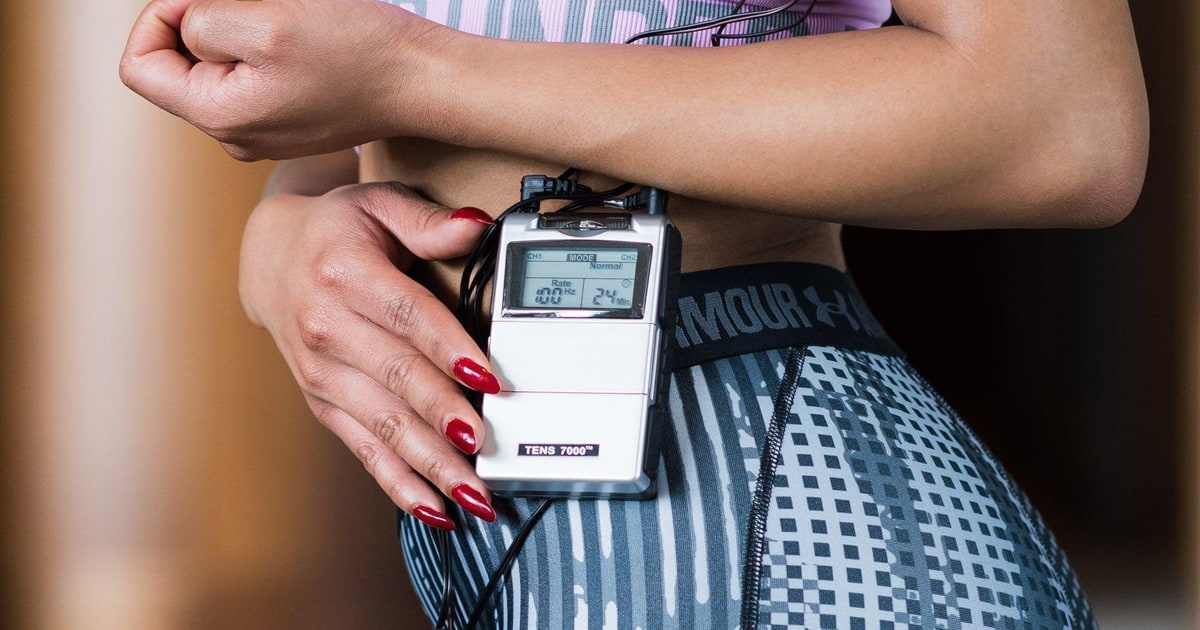
A TENS unit sends mild electrical pulses through sticky pads on your skin, and the point is simple: it gives your nerves something else to pay attention to besides pain. People use them for a stiff lower back after a long drive, an arthritic knee that aches every morning, or a shoulder that never fully recovered. The good ones are easy to grab and switch on in under a minute. That matters more than any spec, because a device you fiddle with is a device you stop using.
Here's the honest part. No TENS unit fixes what's causing your pain, and relief usually fades within a few hours of switching off. Some people feel a lot better, some feel a little, and some feel almost nothing at all. You'll also spend money forever on replacement pads, which lose their grip after a few dozen sessions no matter what the box says. And nearly every unit in this category shares the same clunky button interface and cryptic mode names, so expect a manual and some trial and error.
We looked at manufacturer specifications, published guidance from clinical sources, and what owners report after months of daily use. We think that the TENS 7000 Digital TENS Unit is the best TENS unit for most people, and that the iReliev Wireless TENS + EMS Therapeutic Wearable System is the one to buy if you want muscle stimulation for training and recovery along with pain relief, without wires running down your leg.
Everything we recommend

Simple, proven, and everything you need in one box
Wireless pods and muscle stimulation, at a real premium
Four channels and fine intensity control for very little
The easiest one to hand to someone who hates gadgets
Prices as of Oct 27, 8:28 AM PT · Details
At a glance
| Product | Channels | Modes | Price | |
|---|---|---|---|---|
| TENS 7000 Digital TENS Unit with AccessoriesTop pick | 2 Channels | — | $38.88 |
| iReliev Wireless TENS + EMS Therapeutic WearableUpgrade pick | 2 Pods | 4 Modes | $219.95 |
| OMRON Max Power Relief TENS Unit MuscleAlso great | — | 2 Modes | $49.80 |
 | Discount TENS Brand PowerDot 1.0 Compatible ReplacementAlso in lineup | — | — | $15.95 |
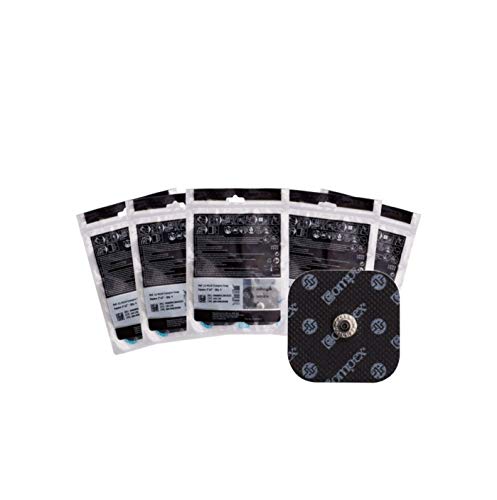 | Compex Easy Snap Electrodes 2in x 2inAlso in lineup | — | — | $43.91 |
 | AUVON Dual Channel TENS Unit 24 ModesAlso in lineup | Dual Channel | 24 Modes | $35.99 |
 | AUVON 4 Outputs TENS Unit Muscle StimulatorAlso consider | 4 Outputs | 24 Modes | $29.99 |
| Belifu 4 Independent Channel TENS EMS UnitBudget pick | 4 Channels | 24 Modes | $29.99On sale |
 | TENS 7000 Pro Rechargeable Tens Unit MuscleAlso consider | 4 Channels | — | $65.29 |
 | iSTIM EV-805 TENS EMS 4 Channel RechargeableAlso consider | 4 Channels | 24 Programs | $125.88 |
Prices as of Oct 27, 8:28 AM PT · Details
How we picked
Channels and coverage. We compared how many body areas each unit can treat at once, since that's the spec that changes your daily routine the most. Dual-channel was our floor; four-channel units earned a look for widespread or bilateral pain.
Intensity steps. TENS only works in a narrow window between too faint and uncomfortable, so we favored units with at least 20 intensity increments. Coarse controls are a common reason owners give up early.
Modes worth having. We read spec sheets for the frequency ranges behind each mode library, looking for both high-frequency patterns that block pain signals and low-frequency ones that work through endorphin release. A long mode list means nothing if the settings all feel the same.
Power and running cost. We weighed rechargeable batteries against disposables based on how often you'd realistically use the device, and factored in the ongoing cost of replacement pads. Owner feedback consistently points to pad adhesion as the first thing to fail.
What's in the box. We favored kits that include enough pads, lead wires and a case to start on day one. Published reviews and owner reports both flag missing accessories as an early frustration.
Top pick
Simple, proven, and everything you need in one box
TENS 7000 Digital TENS Unit with Accessories
The TENS 7000 is a dual-channel unit with seven modes and a straightforward dial-and-button layout. It comes with pads, lead wires, a battery and a hard case, so you can treat two spots at once the day it arrives.
$38.88fromAmazonPrices as of Oct 27, 8:28 AM PT · Details
This is the unit physical therapists have been handing patients for years. Roscoe Medical says more than three million have sold, and the design has barely changed since 2008. That's not nostalgia, it's a sign the basics were right the first time. You get real output strength, not the polite tingle some consumer devices settle for. If a clinic sent you home with a TENS unit, there's a decent chance it looked like this one.
Two channels cover the way back pain actually behaves. You can put one pair of pads on the left of your spine and one on the right, then run both at once. For a lower back that seizes up after yard work, that's the difference between one useful session and two tedious ones. The seven modes cover the standard range: steady high-frequency patterns for blocking pain signals, and slower burst modes that work on endorphin release instead.
Twenty-five intensity steps let you find the setting that doesn't make you flinch. TENS works best at a strong tingle just below the point where it gets uncomfortable, and that line moves depending on the body part. A neck needs far less than a thigh. Coarser dials on cheaper units tend to jump straight from barely noticeable to too much, which is how people end up abandoning the whole idea.
Everything you need is in the box, and the case is genuinely useful. You get the unit, two lead wires, four reusable pads, a battery and a hard carrying case. Nothing else to order before the first session. The case matters more than it sounds, because loose electrode pads dry out and lead wires tangle into knots at the bottom of a drawer.
Flaws but not dealbreakers
It runs on a disposable battery, and you'll feel that if you use it daily. There's no built-in rechargeable pack and no USB port. Twice-a-day sessions mean buying batteries on a schedule, which adds up over a year and has a way of leaving you stuck at the worst moment. If you already know you'll use this every day, the rechargeable TENS 7000 Pro solves exactly this.
The interface is dated and the screen isn't backlit. Mode names are cryptic codes rather than plain descriptions, so you'll keep the manual nearby at first. Reading the display in a dim bedroom is awkward. There's no app, no Bluetooth, and no guided programs to walk you through pad placement.
Getting the pads where they belong takes some practice. Owners regularly report that early sessions feel underwhelming, and placement is usually why. The included guide helps, but a unit like the Omron with labeled body-area presets holds your hand more if that's what you want.
Upgrade pick
Wireless pods and muscle stimulation, at a real premium
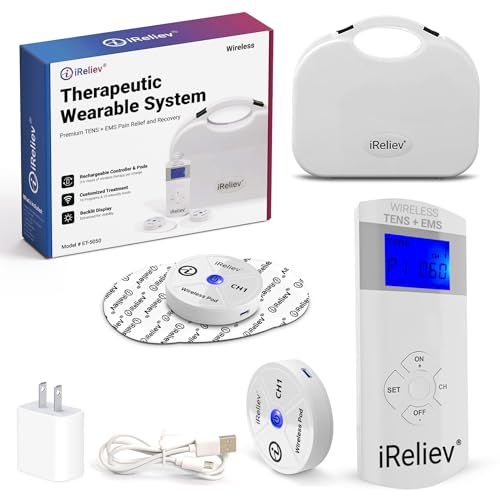
iReliev Wireless TENS + EMS Therapeutic Wearable
The iReliev pairs a small handheld controller with two wireless pods that stick right on the muscle. It does TENS for pain and EMS for muscle contraction, so it works for both a sore back and post-workout recovery.
$219.95fromAmazonPrices as of Oct 27, 8:28 AM PT · Details
No wires means you can actually move while it's running. The pods stick to your skin and take their orders from a small hand control, so nothing runs from your hip to your calf. You can walk to the kitchen, sit at a desk, or fold laundry mid-session. With a corded unit, you're tethered to wherever you sat down, and that's the single biggest reason people cut sessions short.
TENS and EMS are different therapies, and this does both properly. TENS uses higher-frequency current to interrupt pain signals. EMS uses lower-frequency current to make the muscle actually contract, which is what physical therapists use for rebuilding strength after an injury or surgery. If you're rehabbing a knee or a shoulder, you need both, and buying one device instead of two is the whole argument here.
It ships with two pods but scales up to four independent modes. The two included pods act as a unified channel out of the box. Add more pods and you can run separate settings on each, which is useful if your right quad needs something different than your left. The kit includes rechargeable lithium batteries, a USB and AC adapter, two large reusable electrodes and a carrying case.
The app adds structure if you don't know where to start. Guided programs take some of the guesswork out of choosing a mode and a duration, which is a real benefit for anyone who finds the code-named modes on cheaper units baffling. For rehab patients following a therapist's plan, having programs laid out in an interface beats decoding a manual.
Flaws but not dealbreakers
It's by far the most expensive option here, and you're paying for the wireless design. A four-channel corded unit gives you more simultaneous coverage for a fraction of what this costs. If wires genuinely don't bother you and you're only treating pain, the value case gets thin fast.
Charging pods is one more thing to remember. A dead pod means no session, and unlike a AAA unit you can't fix that with a trip to the drawer. Owners who use it daily report the charge routine becomes a habit you have to build.
Without a phone, you lose part of what you paid for. The hand control works on its own, but the guided programs live in the app. If you'd rather not connect a medical device to your phone, a lot of the premium here evaporates.
Budget pickOn sale
Four channels and fine intensity control for very little
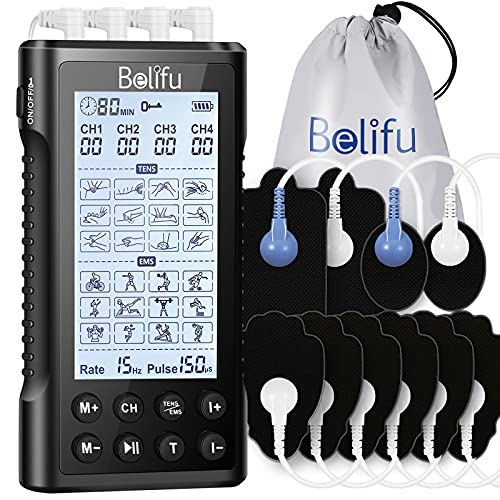
Belifu 4 Independent Channel TENS EMS Unit
The Belifu runs four fully independent channels with 24 modes and 30 intensity steps, plus a rechargeable battery and ten pads. It costs a fraction of the premium units while covering more of your body at once.
$29.99fromAmazonTypical pricePrices as of Oct 27, 8:28 AM PT · Details
Four independent channels for this little money is genuinely unusual. You can treat both knees, both hips, or your lower back and both legs in one sitting instead of running three sessions back to back. Each channel takes its own mode and its own intensity, so a tender spot gets a gentler setting than a thick muscle. That flexibility is normally reserved for units costing several times more.
Thirty intensity levels give you finer control than most units in any price range. More steps mean you can land on the setting that's strong but still comfortable rather than bouncing over it. On a bony area like a wrist or the top of a foot, one increment can be the whole difference between therapeutic and unpleasant.
The rechargeable battery pays for itself quickly if you use it often. It charges from a wall adapter, a power bank, or a laptop USB port, and a level indicator warns you before it dies. For twice-daily use, skipping disposable batteries entirely removes both a running cost and a reason to miss a session.
It clips to your belt and comes with what you need. The kit includes ten reusable self-adhesive pads and five sets of lead wires. It's small enough to run in the car or at a desk, which is the main reason people stick with a device instead of leaving it in a drawer.
Flaws but not dealbreakers
Four channels also means eight pads and a fistful of wires. Setup takes longer than a two-channel unit, and the wires tangle if you don't wrap them. For a single sore shoulder, this is more device than you need.
The small screen packs in a lot of information. Mode numbers, intensity levels and timers all compete for space, and the learning curve is steeper than the interface suggests at first glance. Expect to keep the manual around for a few weeks.
Build quality is where the savings show. Owners report the pads and lead wires wear faster than those on pricier units, and the plastics feel light in hand. There's no app and no guided programs either.
Also great
The easiest one to hand to someone who hates gadgets
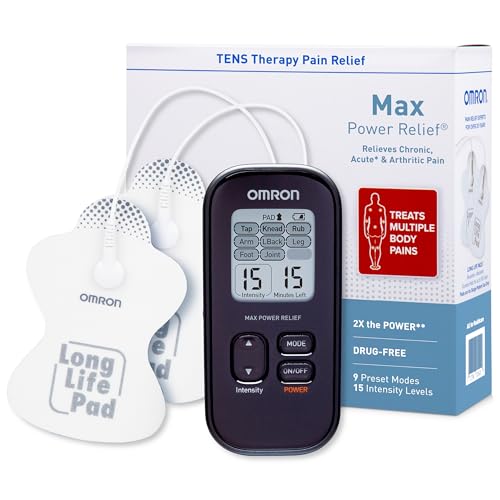
OMRON Max Power Relief TENS Unit Muscle
The Omron PM500 keeps things to a handful of buttons and preset modes for specific body areas. It's a compact single-channel unit from a brand most people already trust for blood pressure monitors.
$49.80fromAmazonPrices as of Oct 27, 8:28 AM PT · Details
You pick a body part and an intensity, and that's the whole operation. There's no frequency to choose and no cryptic mode codes to look up. For an older parent managing arthritis, or anyone who bounced off a more complicated unit, that simplicity is the feature. A device you understand on day one is a device you'll still be using in month three.
Omron built its reputation on home medical devices people trust. It's the same brand behind the blood pressure monitors doctors and pharmacists routinely recommend, and replacement pads are easy to find in any drugstore. That last part matters more than it sounds, since obscure brands can leave you hunting for consumables online.
The Long Life Pads stretch the interval between purchases. Omron says they're washable after every 15 sessions and good for roughly 150 uses total. They also cover a broader area than typical small pads, which means fewer pad changes and less fussing over exact placement.
It's small enough to wear while you go about your day. The unit measures roughly four inches long and weighs under half a pound, and it comes with a pad holder, cords, batteries and a placement guide. The 15-minute session structure gives you a natural stopping point instead of an open-ended timer.
Flaws but not dealbreakers
One channel means one area at a time. If both sides of your lower back hurt, you're running two sessions. Anyone with widespread or bilateral pain should look at a four-channel unit instead.
The simplicity costs you flexibility. Fewer modes than competing units at similar money, and no way to fine-tune beyond picking a preset and an intensity. Once you know what works for your body, you may want more control than this gives you.
It runs on AAA batteries and offers limited feedback. The display shows the essentials and not much more, so you're not getting detailed session information. For daily users, the recurring battery cost adds up.
Who this is for
Buy a TENS unit if you're dealing with ongoing musculoskeletal pain and you'd rather not reach for pills every time it flares. It suits chronic lower back pain, arthritic knees and hips, a stiff neck from desk work, and the tail end of a sports injury or surgery when your therapist has already given you the go-ahead. If you want muscle contraction for strength work or recovery on top of pain relief, look for a unit that does EMS as well. Most people are well served by a dual-channel device, and four channels only earn their keep if pain shows up in several places at once.
Skip it if you have a pacemaker or another implanted electronic device, if you're pregnant, or if you have epilepsy or an active cancer diagnosis, unless a physician has specifically cleared you. Skip it too if you're hoping to fix the underlying problem, because TENS manages symptoms and nothing more. This guide covers over-the-counter home units and the electrode pads that go with them. It doesn't cover prescription-only stimulators, implanted devices, or the professional clinic systems physical therapists run.
How we picked
Channels: we counted how many areas a unit can treat at once, since running one session instead of three is what makes daily therapy sustainable. Intensity control: we looked for at least 20 increments, because TENS lives in a narrow band between too faint to help and too strong to tolerate. Mode range: we read spec sheets for both high-frequency patterns that block pain signals and low-frequency ones that trigger endorphin release, and treated long mode lists with suspicion unless they spanned that range. Power: we weighed rechargeable convenience against the go-anywhere reliability of disposables, based on how often you'd actually run a session. Ongoing cost: replacement pads are the real long-term expense, so we favored units with generous pad counts and widely available refills. Ease of use: owner feedback across brands points to the same thing, which is that a device you find confusing is a device you stop using.
Other tens units worth considering
If you want the TENS 7000 with a rechargeable battery: The TENS 7000 Pro Rechargeable Tens Unit Muscle — The TENS 7000 Pro takes the brand's clinical pedigree and adds a built-in rechargeable battery plus four channels and eight pads. That combination handles sciatica the way it actually presents, with the lumbar origin and the referred pain down the leg treated in the same session. If you've already proven the standard TENS 7000 works for you and disposable batteries have become an annoyance, this is the natural next step. You give up the original's pocketable size, and it costs meaningfully more.
If you want four channels without the learning curve: The AUVON 4 Outputs TENS Unit Muscle Stimulator — The AUVON 4 Outputs unit takes the multi-channel idea and wraps it in the friendliest interface of the group. Buttons are labeled for body parts and therapy types, and an enlarged LCD shows a body map so you're picking a shoulder rather than a program code. It runs 24 modes across TENS and EMS, charges over USB-C with up to 40 hours of standby, includes ten pads in two sizes, and it's FSA and HSA eligible. It's a strong fit for multi-joint arthritis. There's no app, and juggling four active outputs still means a lot of wires.
If you want everything in one box with plenty of spare pads: The iSTIM EV-805 TENS EMS 4 Channel Rechargeable — The iSTIM EV-805 is the most complete kit here, with four channels, five TENS modes, three EMS modes, 24 preset programs, and 24 electrode pads in three sizes. The pads use Japanese gel that owners with sensitive skin tend to get along with. It's rechargeable, backlit, FSA and HSA eligible, and it arrives in a case with everything sorted. The catch is that iSTIM doesn't carry the name recognition of Omron or TENS 7000, and the instructions warn against adding extra gel to the included pads.
The competition
These are the units and accessories our research turned up alongside our picks, not a survey of everything for sale. TENS is a crowded category full of near-identical devices from brands you've never heard of, and new listings appear constantly. We focused on models with enough published coverage and owner feedback to say something useful about.
The AUVON Dual Channel TENS Unit 24 Modes — The AUVON Dual Channel unit is a strong value: 24 modes, 20 intensity levels, independent A and B channels, a rechargeable battery rated for up to 10 hours, and 12 pads with upgraded American adhesive gel. It lost to the Belifu on raw capability, since four channels and 30 intensity steps cost about the same. But if you only ever treat one or two areas and want fewer wires to manage, this is the more sensible box. The button interface takes a lot of taps to navigate, and there's no app.
The Discount TENS Brand PowerDot 1.0 Compatible Replacement — This 12-pack of Discount TENS pads is a straightforward maintenance buy, with eight 2-inch round electrodes and four 2-by-4-inch rectangles on a durable hydrogel layer. The catch is right in the name: these fit PowerDot 1.0 units with snap connectors only, not the magnetic 2.0 or anything else. If you own a PowerDot 1.0, this keeps your per-session cost down. Everyone else should buy pads matched to their own device. Adhesion also depends on clean, dry skin, so wash and dry the area first.
The Compex Easy Snap Electrodes 2in x 2in — Compex Easy Snap electrodes are the official 2-by-2-inch pads for Edge, Performance, Sport Elite and Wireless Compex stimulators, with medical-grade adhesive and a rated life of 15 to 20 sessions each. Electrode size and gel conductivity genuinely affect how deep and how comfortable the stimulation feels, so OEM pads are worth it on a device engineered around them. They cost more than third-party pads and only fit Compex snap-connector hardware. If you don't own a Compex, they're not for you.
Getting good results and staying safe
Start every session at the lowest intensity and creep up until you feel a strong, steady tingle, never a sharp jab. Most sessions run 15 to 30 minutes per area, and clinical guidance caps a single area at about an hour to avoid skin irritation and the gradual fade in effect that happens when your nerves adapt to the same signal. Always put pads on clean, dry skin, and wash off lotion first, since oil is the main reason pads stop sticking. Never place them on the front of your neck, across your chest, over broken skin, or near a pacemaker. When a pad loses grip, replace it; a half-stuck pad concentrates current and stings. Store pads on their plastic backing in a sealed bag so the gel doesn't dry out.
Questions we get
What's the best TENS unit for lower back pain?
The TENS 7000 Digital TENS Unit is our pick for most back pain. Its two channels let you place pads on both sides of your lumbar spine and run them together, and the seven modes cover both acute flare-ups and the low-grade ache of chronic pain. If your pain radiates down a leg, the four-channel TENS 7000 Pro treats the back and the leg in one session.
What's the difference between TENS and EMS, and which do I need?
TENS uses higher-frequency current to interrupt pain signals and prompt endorphin release, so it's for pain management. EMS uses lower-frequency current to make muscles contract, which is a strengthening and recovery tool. If you just want relief, a TENS-only unit like the TENS 7000 is plenty. If you're rehabbing an injury or training seriously, a combination unit like the iReliev makes more sense.
How long should a session last, and how often can I use it?
Most guidance points to 15 to 30 minutes per area, two or three times a day. Clinical sources recommend keeping any single area under about 60 minutes per session to avoid skin irritation and the drop-off in effect that comes from nerve accommodation. Daily use is fine for most healthy adults. Follow your device's manual, and check with a doctor if you have an underlying condition.
Are TENS units safe to use every day?
For most healthy adults, yes, and daily use is common. Don't place pads near your heart, across the front of your neck, on broken or infected skin, or anywhere near an implanted electronic device like a pacemaker. If you have epilepsy or cancer, or you're pregnant, don't use TENS without your doctor's explicit approval.
What's the best TENS unit for sciatica and nerve pain?
The TENS 7000 Pro is the strongest fit, because four channels let you treat the lumbar origin and the referred path down your leg at the same time. The Belifu four-channel unit achieves similar coverage for considerably less. Clinical guidance suggests higher-frequency modes in the 80 to 120 Hz range work best for nerve and referred pain patterns.
Can a TENS unit help arthritis in my hands, knees, or hips?
Yes. Research reviews have found meaningful short-term pain reduction for osteoarthritis compared with sham treatment, and TENS is widely recommended as a drug-free option. If several joints hurt at once, the AUVON 4 Outputs unit lets you treat up to four areas in one sitting, which turns a long routine into a single session.
How often do I need to replace the electrode pads?
Most pads hold up for roughly 20 to 45 uses before the gel stops gripping, and manufacturers vary widely in what they claim. Omron's Long Life Pads are washable and rated for around 150 uses, which is unusual. Budget for pads as a recurring cost the way you would printer ink, and always buy pads matched to your device's connector type.
Why you should trust us
For this guide:
- We read manufacturer specification sheets and listing details for every unit here, comparing channel counts, mode libraries, intensity steps, battery type and included accessories.
- We reviewed published clinical guidance on TENS frequency ranges, session limits and contraindications from established medical sources.
- We looked at recurring themes in owner feedback across these models, particularly around pad adhesion, interface confusion and long-term durability.
- We read owner reviews on every listing, weighted toward the critical ones, because that is where the recurring failures show up.
- We have a systematic way of automatically fetching the latest prices, so the numbers on this page stay current.
- This is a research-focused guide, so the team may not own every product listed — though we often do own the top winners, which gives us extra context for the recommendations.
- We don't accept free products, and the retailer commission never changes which product we recommend.
Sources
Best TENS Units — Healthline, Healthline
Transcutaneous Electrical Nerve Stimulation (TENS) — Mayo Clinic, Mayo Clinic
TENS for Chronic Pain — Cleveland Clinic, Cleveland Clinic
Best TENS Units — Verywell Health, Verywell Health
Transcutaneous Electrical Nerve Stimulation (TENS) for Chronic Pain — Cochrane Library, Cochrane Library
Best TENS Units 2026 — Wirecutter (NYT), Wirecutter / NYT
TENS Devices — FDA Medical Device Classification, U.S. Food & Drug Administration
Transcutaneous Electrical Nerve Stimulation (TENS) — Physiopedia, Physiopedia
Amazon product listings and owner reviews for all 10 products
Manufacturer specification pages for each product
Some passages in this guide may be paraphrased with AI help.
Product prices and availability are accurate as of the date/time indicated and are subject to change. Any price and availability information displayed on Amazon.com at the time of purchase will apply to the purchase of this product.
More like this.
Continue exploring health reviews and recommendations.

The Best Car Stereo Head Units
Your factory stereo is probably the oldest piece of technology you touch every day. Replace it and you get wireless Apple CarPlay or Android Auto, a…

The Best Magnifying Glasses for Seniors
Small print stops being a minor annoyance somewhere around 60. Pill bottles, insurance letters, the ingredient list on a soup can - they all start…

The Best Golf Clubs for Beginners
Your first set of golf clubs has one job: get the ball in the air. That sounds simple. It isn't, and it's why beginner clubs look different from the ones…

The Best Soccer Rebounders for Backyard Training
A rebounder turns a lonely backyard into a practice partner. Your kid kicks, the ball comes back, and the touch-after-touch repetition that builds a first…

The Best Tennis Racquets for Intermediate Players
A racquet is the one piece of tennis gear you feel on every single ball. Once you're rallying with real pace, the differences stop being marketing and…

The Best Yoga Mats
A yoga mat is one of the few pieces of fitness gear you touch with your whole body. You kneel on it, sweat on it, press your palms into it while upside…