The Best Cookbooks for Beginner Home Cooks
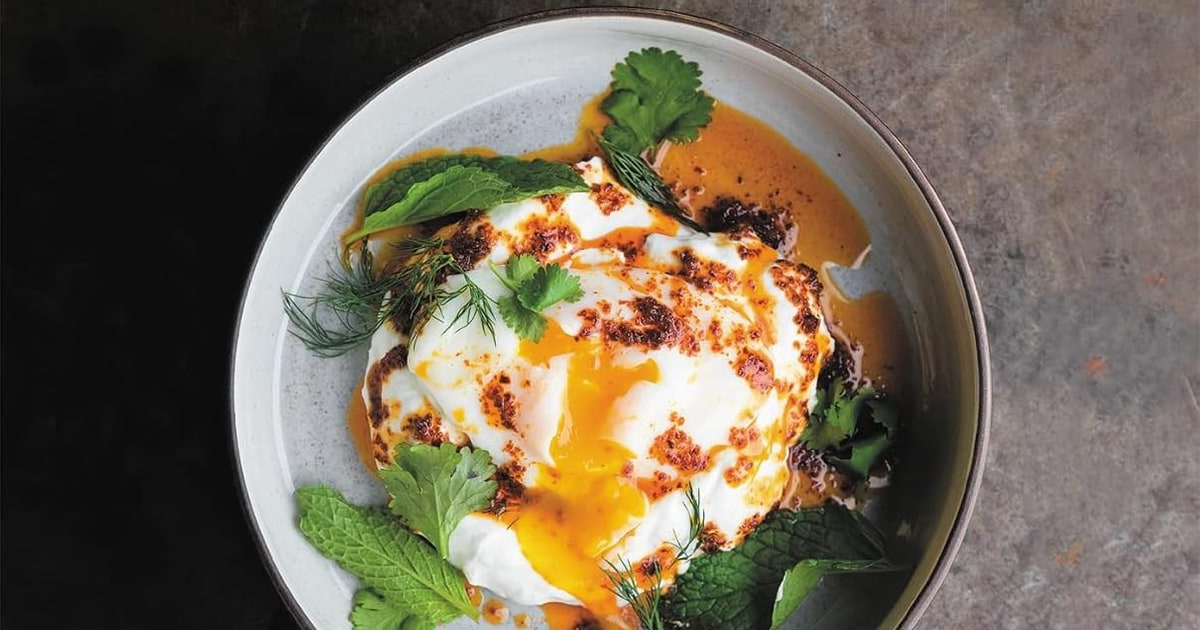
A beginner cookbook earns its shelf space in the first month. You're standing there with chicken thighs, a hot pan and no plan, and you need one clear answer instead of forty browser tabs. The best books for new cooks tell you why the oil has to shimmer, how to tell when the onions are actually done, and what to do when you're out of an ingredient. They lie flat. They use words you already know. And they build, so week six asks more of you than week one did.
No cookbook teaches you timing. That part only shows up at the stove — the sauce breaking while the pasta boils over, the roast needing twenty more minutes when people are already sitting down. Books also can't account for your equipment. A thin pan on a weak burner will undercut a recipe written for a heavy skillet and a strong flame. And every big reference has gaps: the encyclopedic ones skimp on step photos, and the photo-heavy ones skimp on the explanations you'll want later.
So pick for the stage you're at, not the cook you hope to be. If you want one book that answers almost everything, go comprehensive and accept the small print. If you want to feel competent by Sunday, start narrow, with a short list of dishes you'll actually make twice. We think that Joy of Cooking is the best cookbook for beginner home cooks for most people, and that Barefoot Contessa Back to Basics is the one to buy if you'd rather cook six dishes well than browse a thousand.
Everything we recommend

Answers nearly every question, if you can live with small print

Short ingredient lists and real confidence, less reference depth

A small digital starter kit, with no shelf presence

The deepest explanations here, in the heaviest package
Prices as of Oct 22, 7:36 AM PT · Details
At a glance
| Product | Format | Weight | Price | |
|---|---|---|---|---|
 | The Complete Mediterranean Cookbook Gift Edition: 500Also in lineup | — | — | $15.33 |
| How to Cook Everything: 96 Inspired RecipesBudget pick | Kindle eBook | — | $1.99 |
| Joy of Cooking by Irma & MarionTop pick | — | — | $19.96 |
| The Food Lab: Better Home Cooking ThroughUpgrade pick | — | — | $23.25 |
| [Barefoot Contessa Back to Basics: Fabulous FlavorRunner-up | — | — | $31.94 |
Prices as of Oct 22, 7:36 AM PT · Details
How we picked
Recipe reliability. We leaned on publishers with a stated testing process and on owner feedback about whether recipes work the first time. A book that fails a beginner twice gets closed for good.
Technique teaching. We looked for books that explain why a step exists, not just where it falls in the list. The books' own structure and published reviews made this easy to compare.
Layout and readability. We checked binding, type size and whether a book will stay open on a counter, using listing specifications and owner comments about legibility and wear.
Ingredient access. We favored recipes built on supermarket staples. Owner feedback flagged the books that send you hunting for specialty items on a weeknight.
Scope without overwhelm. We weighed page count, dimensions and weight from spec sheets against how much a first-year cook can realistically absorb.
Top pick
Answers nearly every question, if you can live with small print
Joy of Cooking by Irma & Marion
This is the book people keep for thirty years and still open weekly. The recipes are plain and dependable, the short essays explain why each step exists, and the comb binding keeps it open to the page you need while your hands are covered in flour.
$19.96fromAmazonPrices as of Oct 22, 7:36 AM PT · Details
It teaches cooking, not just recipes. Owners come back to the explanatory sections as much as the recipes — the notes on why you sear before braising, why pie dough needs cold butter, what goes wrong when you skip the resting time. That's the difference between following instructions and knowing what you're doing. Once you've read a few of those, you start catching your own mistakes before they cost you dinner.
The comb binding sounds like a small thing. It isn't. A book that lies flat on the counter and stays on the right page is a book you'll actually use on a Tuesday. Hardcover references tend to snap shut or need a plate parked on one corner. Owners who've worn out paperback copies point to the binding as the reason this one survives the abuse.
Coverage is the other reason to start here. You get the basics you'd expect, plus the odd corners — canning, jam, fritter batter, what to do with a cut of meat you've never bought before. Most beginners outgrow a narrow book inside a year. You won't outgrow this one, and you won't end up buying a second book to cover what the first one skipped.
It's the safest gift in this guide. A graduate or a new roommate can open it the first night and cook rice, eggs and a roast chicken without any special equipment. There's no gimmick to explain and no app to set up. If you're buying for someone whose cooking you've never seen, this is the low-risk pick.
Flaws but not dealbreakers
The pages aren't pretty. There are few photos, so if you learn by comparing your dough to a picture of finished dough, you'll be reading your way there instead. Owners also note that the print runs light in places, which is harder on tired eyes in a dim kitchen.
This edition is a reprint, and copies vary. Some arrive with yellowing paper or a cover that feels thin for a book you'll open hundreds of times. It's also a lot of book — learn to use the index, because reading it front to back is a weekend project, not an evening.
Runner-up
Short ingredient lists and real confidence, less reference depth
[Barefoot Contessa Back to Basics: Fabulous Flavor
This is the book for cooking in front of other people. The recipes lean on a handful of good ingredients and few steps, so there's less to go wrong, and the food looks like you meant it — which is most of the battle when you're new.
$31.94fromAmazonPrices as of Oct 22, 7:36 AM PT · Details
Short ingredient lists are a beginner's best friend. Fewer items means fewer things to buy, fewer things to prep and fewer places to lose the thread. Garten's approach is to spend your attention on good butter, lemons and salt rather than on technique you don't have yet. You get food that tastes finished, and that builds the nerve to try something harder next weekend.
Picture the first time you cook for someone's parents. You don't want a sauce that can break and a side that needs the same burner at the same moment. The recipes here are built to be made without a second pair of hands, and plenty of them hold fine if dinner slips half an hour because nobody's drink is empty.
It's narrower than our top pick, and that's part of the appeal. A beginner handed a thousand-page reference often cooks nothing at all. A beginner handed a book of dishes they'd happily order at a restaurant tends to make several of them in a month. Repetition is how technique sticks, and a smaller book invites repetition.
Flaws but not dealbreakers
This isn't a reference. There's no section to look up braising in general, and if your question is what to do with an unfamiliar cut of meat, you'll be reaching for another book. The ingredients also lean toward the nicer end of the grocery store, which adds up if you cook from it every night.
This listing comes from a third-party seller rather than the publisher, and there's very little owner feedback attached to it. The book itself is well established, but condition and edition can vary more than they would with a big-house listing, so look closely at what shows up.
Budget pick
A small digital starter kit, with no shelf presence
How to Cook Everything: 96 Inspired Recipes
This is a short digital collection of 96 recipes from Mark Bittman's own kitchen, not the big reference that shares the name. It's a budget option and a low-commitment one: you can read it on the phone already in your pocket and start cooking tonight.
$1.99fromAmazonPrices as of Oct 22, 7:36 AM PT · Details
Ninety-six recipes is a realistic number. You can read the whole thing in a few evenings and come away with a mental list of dishes you can actually make, which is more than most people get from a reference they dip into twice. Bittman writes short, unfussy instructions, and the recipes don't ask for equipment beyond a pot, a pan and a sheet tray.
Digital is the right call for some kitchens. If you live in a studio with two feet of counter, a book is one more thing you have to find a home for. An ebook isn't. It travels to a dorm, a sublet or a parent's kitchen for a week, and you can bump the text size up when steam fogs your glasses.
Treat it as a first book rather than the only one. It gets you cooking fast and costs little, so it's an easy thing to hand a student who swears they'll never use a cookbook. Most people who stick with cooking want a proper reference next, and starting here doesn't work against that.
Flaws but not dealbreakers
The name causes real confusion. This isn't the thousand-recipe How to Cook Everything that sits on so many shelves — it's a short collection, and if you're expecting the encyclopedia you'll be let down. Buy it for what it is.
Digital has its costs at the stove. A phone screen sleeps mid-step, a tablet picks up oil, and there's nothing to flip back to with a wet thumb. You also lose the browsing that makes a print book useful on a night when you have no idea what you want.
Upgrade pick
The deepest explanations here, in the heaviest package
The Food Lab: Better Home Cooking Through
This is the book for the beginner who keeps asking why. It won the James Beard Award for General Cooking and the IACP Cookbook of the Year, and it spends real pages on what heat does to an egg, a steak or a potato before it hands you the recipe.
$23.25fromAmazonPrices as of Oct 22, 7:36 AM PT · Details
It answers the question behind the question. Why rest the meat, why salt early, why your scrambled eggs turn to rubber — López-Alt works through each one and then gives you a method that follows from the answer. If you're the kind of person who can't follow a step you don't understand, this is the book that ends that argument with yourself.
It's also big. The listing puts it at roughly six and a half pounds, about eight by eleven inches. That's a coffee-table footprint, and it will not perch politely on a narrow counter next to a cutting board. Plan on a stand, a clear stretch of table, or reading it in a chair and cooking from notes you scribbled.
Compared with our top pick, this is the better teacher and the worse quick reference. Joy of Cooking tells you how to make the thing. The Food Lab tells you how the thing works, which takes longer to read and keeps paying off for years. Most beginners end up wanting both, and this is the one to add second.
Flaws but not dealbreakers
This is a lot to hand a nervous beginner. The explanations are the whole point, but they're long, and someone who just wants dinner in forty minutes may bounce off it. If you've never really cooked, start with a plainer book and add this once you have questions of your own.
It's heavy enough to be awkward in a small kitchen, and the science leans American — burgers, steaks, eggs, fries. If you mostly cook beans, grains and vegetables, a fair number of the deep dives won't be the ones you need.
Who this is for
Buy one of these if you can cook maybe three things and want that number to climb. That covers first-apartment cooks, students who are tired of frozen dinners, anyone who has inherited the weeknight dinner job, and gift buyers aiming at a graduation or a housewarming. If you already roast chicken without looking anything up, you don't need a beginner book — you need a book about the thing you want to learn next, and that's a different guide.
We looked at general-purpose books that teach a new cook how to cook. That leaves out a lot on purpose: single-appliance guides, bread books, baking references, diet-specific plans and most single-cuisine collections. Those can be great second or third books. They're a rough first one, because the week you need to learn how to cook an egg is not the week to learn how to shape a sourdough loaf.
How we picked
Reliability: we favored publishers with a stated testing process, plus owner feedback that the recipes work the first time, because two failures in a row kills a beginner's momentum. Teaching: a book had to explain why a step exists, not just list it. Readability: we checked binding, type size and whether the thing stays open on a counter under real kitchen conditions. Ingredients: supermarket staples beat a specialty shopping trip when you're new. Scope: we weighed page count, size and weight from spec sheets against what anyone can absorb in a first year, because the book you finish beats the book you admire from across the room.
The competition
These are the books the research turned up alongside our picks, not a map of everything on the shelf. Whole categories sit outside what we looked at, and plenty of good beginner books simply weren't in this lineup.
The The Complete Mediterranean Cookbook Gift Edition: 500 — The Complete Mediterranean Cookbook is the strongest book here that isn't a beginner book. America's Test Kitchen puts 500 kitchen-tested recipes in it, with substitution notes and explanations of unfamiliar ingredients, and owners say the hit rate is unusually high. But it's organized around one way of eating rather than around skills, and some recipes send you looking for things a basic supermarket doesn't carry. Owners also point out that it skips nutritional information, which matters if you're tracking. If you can already find your way around a stove and want to cook more vegetables, fish and beans, buy it. As a first and only book, it leaves gaps.
Care and everyday use
Treat the book like kitchen equipment, because that's what it is. Keep it off the stretch of counter right beside the stove — grease mists further than you'd think — and resist wiping pages with anything damp. Comb and spiral bindings stay open on their own; hardcovers want a simple acrylic stand, which keeps the spine from cracking and lifts the pages out of the splash zone. Mark the recipes that worked in pencil, right on the page, along with whatever you changed and whether you'd make it again. That's what turns a cookbook into your cookbook. And read a recipe all the way through before you turn on a burner, because half the disasters are just a step you didn't see coming.
Questions we get
What is the best cookbook for a complete beginner?
Joy of Cooking, for most people. It covers nearly everything you'd want to make, the short essays explain why each step matters, and the comb binding keeps it open on the counter. If a thousand-page reference sounds like homework, Back to Basics is the gentler place to start.
Should I buy a cookbook or just use recipes online?
Use both, but a book is better for learning. Online recipes answer one question at a time; a good book puts the fundamentals in order, so you pick up why things work instead of only what to do next. There's also no scrolling, no sleeping screen and no ads while your pan heats.
How many cookbooks does a beginner actually need?
Two. One reference you can look things up in, plus one book of recipes you'll cook over and over. Joy of Cooking and The Food Lab make a strong pair if you want to understand technique rather than memorize steps. Past that, more books mostly mean more shelf and less cooking.
Do I need a cookbook with pictures as a beginner?
Step photos help more than glossy plated shots do. Seeing what dough looks like when it's ready beats reading a paragraph about it. But none of the big references here are photo-heavy, so if you learn visually, plan on looking up a short video for the one step you can't picture.
What cookbook should I give someone moving into their first apartment?
Joy of Cooking is the safe gift. It needs no special equipment, assumes nothing, and still answers questions years later. If you know they're intimidated by the idea of cooking, Back to Basics is less imposing, and it's the one they're more likely to open in the first week.
Are digital or print cookbooks better for beginner cooks?
Print, for cooking from. It stays open, survives a wet thumb and makes browsing easy when you don't know what you want. Digital wins when your counter is two feet wide or you move often — that's the case for the Bittman ebook, which reads fine on the phone you're already holding.
Why you should trust us
For this guide:
- We read publisher descriptions, listing specifications and each book's own stated testing claims across the lineup.
- We compared coverage, binding and physical size book to book, and weighed recurring themes in owner feedback about legibility, ingredient availability and whether recipes work as written.
- We read owner reviews on every listing, weighted toward the critical ones, because that is where the recurring failures show up.
- We have a systematic way of automatically fetching the latest prices, so the numbers on this page stay current.
- This is a research-focused guide, so the team may not own every product listed — though we often do own the top winners, which gives us extra context for the recommendations.
- We don't accept free products, and the retailer commission never changes which product we recommend.
Sources
Best Cookbooks for Beginners - Serious Eats, Serious Eats
America's Test Kitchen Complete Cooking for Beginners - publisher page, America's Test Kitchen
Best Cookbooks - Wirecutter (NYT), Wirecutter
Salt, Fat, Acid, Heat - author site, Samin Nosrat
Budget Bytes - author site, Budget Bytes
Joy of Cooking - official site, Joy of Cooking
Bestsellers and book reviews - Publishers Weekly, Publishers Weekly
Food and Cooking Awards - James Beard Foundation, James Beard Foundation
Amazon product listings and owner reviews for all 5 products
Manufacturer specification pages for each product
Some passages in this guide may be paraphrased with AI help.
Product prices and availability are accurate as of the date/time indicated and are subject to change. Any price and availability information displayed on Amazon.com at the time of purchase will apply to the purchase of this product.
More like this.
Continue exploring lifestyle reviews and recommendations.

The Best Cookbooks for Kids and Beginner Cooks
A kids' cookbook has one job: get a child cooking something they're proud of, without you hovering over every step. The good ones explain why you fold…

The Best Children's Cookbooks for Ages 9 to 12
A kid at this age can do real cooking. Nine- to twelve-year-olds can handle a knife with supervision, read a recipe start to finish, and use a stovetop…

The Best Vegetarian and Plant-Based Cookbooks
A cookbook only earns its shelf space if you actually cook from it. The plant-based ones live or die on a single question: do the recipes taste good…

The Best Cookbooks for Home Chefs
Most cookbooks get used a handful of times. They look great on the shelf, you cook the roast chicken and the brownies, and then the book goes quiet. The…

The Best Cookbook Stands
A cookbook stand does one job: it holds your book open, at an angle you can read, somewhere the sauce can't reach it. That sounds trivial until you're…

The Best Dutch Ovens for Slow Cooking
A Dutch oven earns its shelf space by doing one thing better than anything else in your kitchen: it turns cheap, tough cuts into something worth serving.…