The Best Dog Dental Chews
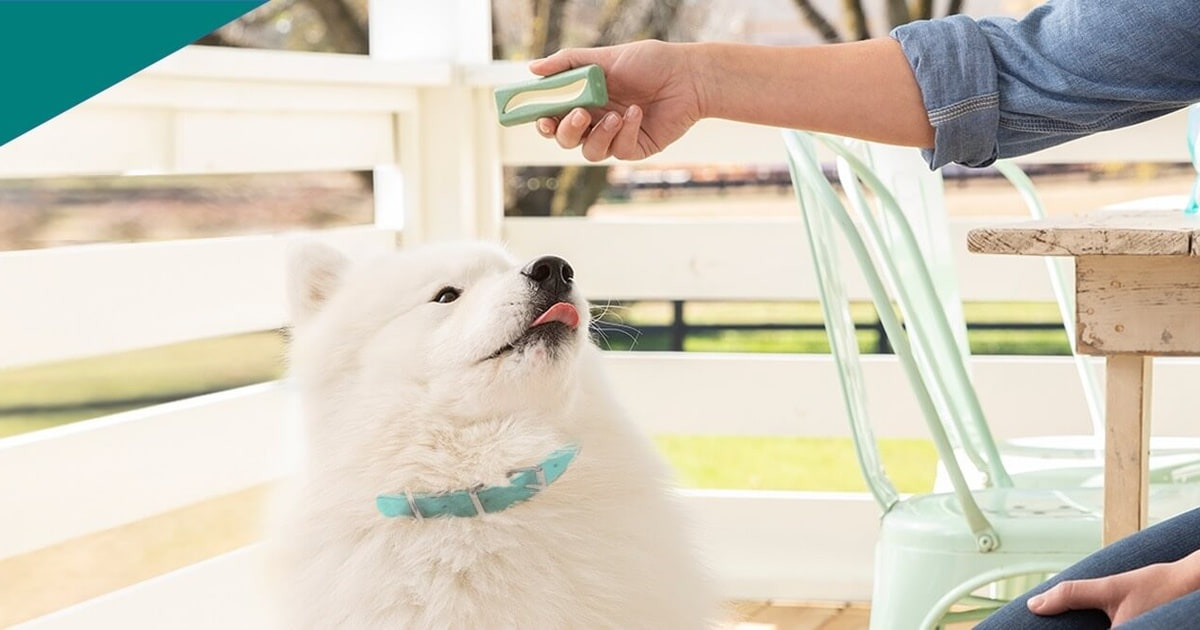
Most dogs don't get their teeth brushed. That's just the reality of living with a dog who'd rather do almost anything than sit still while you poke around in his mouth. By age three, most dogs already show signs of gum disease, and the plaque that causes it starts forming within hours of a meal. A daily dental chew is the fallback plan: it gives your dog something firm to gnaw on, and that chewing action scrapes plaque off the tooth surface before it hardens into tartar. It's a small habit that pays off over years.
Here's the honest part. No chew cleans your dog's mouth the way a toothbrush does, and none of them can touch tartar that's already calcified into hard brown buildup along the gum line. Once it's there, only a veterinary cleaning under anesthesia removes it. Chews also add real calories — often 70 to 120 per chew — so you'll need to trim meal portions a bit. And plenty of products in this aisle are flavored biscuits with dental claims on the bag and nothing behind them.
The filter that actually works is the VOHC seal. The Veterinary Oral Health Council is an independent, vet-run body that requires controlled clinical trials before it accepts a product, so the seal means someone other than the manufacturer checked the math. We leaned on it heavily. We think that the Greenies Veterinarian-Recommended Adult Natural Dental Dog Treats are the best dog dental chews for most people, and that the ORAVET Dental Chews are the ones to buy if your dog builds tartar fast.
Everything we recommend
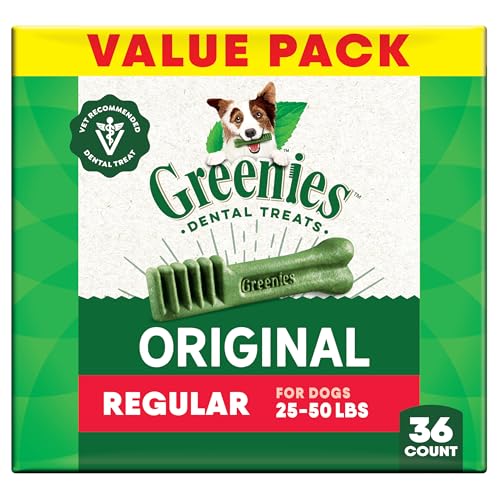
Proven cleaning, the widest size range, a daily habit

Blocks bacteria from sticking, not just scrapes them off

Cheap enough that you'll actually do it every day

A VOHC seal without the vet-brand price tag
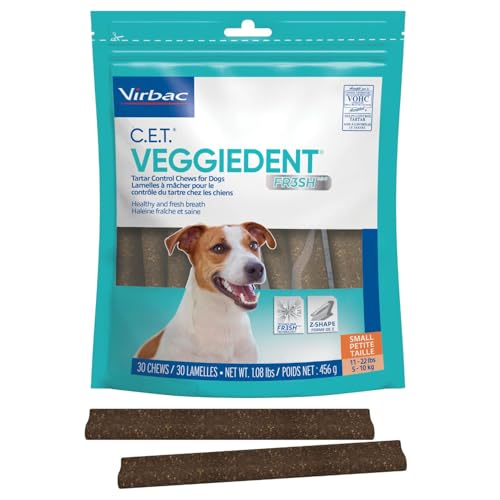
Plant-based and still clinically verified, for allergy dogs
At a glance
| Product | Dog Size | Chew Count | Price | |
|---|---|---|---|---|
| Greenies Veterinarian-Recommended Adult Natural Dental Dog TreatsTop pick | 25-50 lbs | 36 Count | $33.12On sale |
| ORAVET Dental Chews for DogsUpgrade pick | 10-24 lbs | 30 Count | $37.99 |
| Virbac C.E.T. VEGGIEDENT FR3SH Tartar Control ChewsAlso great | 11-22 lbs | 30 Count | $29.59 |
 | WHIMZEES Wellness Value Box Dog Dental TreatsAlso consider | 25-40 lbs | 44 Count | $39.29 |
| Pedigree Dentastix Dental Chews for DogsBudget pick | 7-22 lbs | 51 Count | $8.98 |
| Milk-Bone Brushing Chews Original Chicken Flavor DailyRunner-up | 25-49 lbs | 35 Count | $14.97 |
 | Arm & Hammer for Pets Ringers DentalAlso in lineup | — | 5 Count | $6.64 |
 | Merrick Fresh Kisses Double-Brush Dental Dog TreatsAlso consider | 5-15 lbs | 78 Count | $65.31 |
 | Blue Buffalo Dental Bones Regular Natural DentalAlso in lineup | 25-50 lbs | — | $37.25On sale |
 | Nylabone Advanced Oral Care Dog Dental KitAlso consider | — | 1 Count | $11.09On sale |
 | Zesty Paws Clean Breath Dental Chews forAlso in lineup | — | 120 Count | $29.97 |
How we picked
Independent verification. We treated the VOHC seal as the primary filter, since it's the only third-party standard that requires controlled clinical trials before a product can claim plaque or tartar reduction. Products without it had to earn their place on design and ingredient quality alone.
Size and fit. We checked the published weight range for every listing, because a chew that's too small is a choking risk and one that's too large never gets chewed properly. Brands offering more weight tiers scored higher.
Calories per chew. We compared stated calorie counts against typical daily intake for the target weight range. A daily treat that eats 15% of a dog's calorie budget is a real trade-off, not a footnote.
Ingredients and allergens. We read full ingredient claims for grain, gluten, poultry and meat proteins, and prioritized options that give allergy-prone dogs a genuine path. Clean, short labels counted in a product's favor.
Owner-reported acceptance. We looked at recurring themes in owner feedback for palatability, gulping and digestive upset. A chew dogs refuse or swallow whole doesn't clean anything, no matter what the trial data says.
Top pickOn sale
Proven cleaning, the widest size range, a daily habit
Greenies Veterinarian-Recommended Adult Natural Dental Dog Treats
Greenies are the chew most vets name first, and the clinical data backs it up: less tartar and less plaque over four weeks of daily use. The chewy, tooth-shaped design reaches the gum line, and you can match the size to your dog's weight.
$33.12fromAmazonList priceGreenies clear the bar that matters, and clear it with numbers. The VOHC accepted them, which means an independent veterinary body reviewed controlled trial data before signing off. The manufacturer's own filed data shows 47% less tartar and 40% less plaque after 28 days of daily use. That's not a packaging slogan. Most chews in this aisle can't point to anything comparable, and plenty don't even try.
The texture is the whole trick. A Greenies chew is firm enough that your dog has to work at it, and that work is what scrubs the teeth. Most dogs take about five minutes with a regular-size chew. The tooth-shaped profile lets the edges slide along the gum line and into the gaps between teeth, which is exactly where tartar shows up first. A soft treat your dog swallows in two bites does nothing here.
You can actually get the right size. Greenies sells more weight tiers than anything else in this guide, which sounds boring until you realize size is a safety issue. Too small and it's a choking risk. Too big and your dog can't chew it properly, so no cleaning happens. This listing is the regular size for dogs 25 to 50 pounds, and there's a matching tier for nearly every dog above and below that.
It's the chew your vet has already heard of. Greenies have been around since the late 1990s, and that longevity means most veterinary practices have a settled opinion about them. When a client asks what to do short of brushing, this is usually the answer. If you like walking into your next appointment and having your vet nod instead of squint, that counts for something.
Flaws but not dealbreakers
The calories are real and they add up. A regular Greenies runs about 90 calories. For a 30-pound dog eating around 700 calories a day, that's more than a tenth of the daily budget going to one treat. You'll need to shave meal portions to match. If your dog is on a weight plan, ask your vet before starting a daily chew.
Gulpers need watching. Some dogs bite off a big chunk and swallow it, and owners do report stomach upset when that happens. The formula has been reworked over the years for better digestibility, but the fix is supervision, not chemistry. Sit with your dog the first few times and see how he handles it.
There's wheat in here. If your dog has a grain sensitivity, this one's off the table. That's not a flaw in the chew so much as a limit on who it works for, but it's worth knowing before you buy a month's supply.
Upgrade pick
Blocks bacteria from sticking, not just scrapes them off
ORAVET Dental Chews for Dogs
OraVet is the only dental chew with delmopinol, the same agent used in human plaque-prevention rinses. It works twice: the chewing loosens plaque, and the delmopinol leaves behind a barrier that makes it harder for bacteria to grab hold in the first place.
$37.99fromAmazonThe chemistry here is genuinely different. Every other chew in this guide cleans by abrasion — your dog gnaws, the surface scrapes. OraVet does that too, but it also releases delmopinol, which coats the teeth and makes it harder for bacteria to attach. Boehringer Ingelheim borrowed the ingredient from human oral rinses, where it's been in use for years. You're interrupting plaque earlier in the process instead of only removing it after it forms.
It's VOHC accepted, so the mechanism isn't just a theory. Interesting science and proven results aren't the same thing, and plenty of products stop at the first one. OraVet has independent verification for plaque and tartar reduction, which puts it in the same evidence tier as Greenies while doing something Greenies doesn't. That combination is why it's the upgrade rather than a curiosity.
Individually wrapped chews make the daily habit easy. Each one comes in its own wrapper, so you're not digging through a bag or guessing at freshness. Thirty chews is a month for one dog. The vanilla-and-poultry scent gets most dogs interested, and the chews are formulated to digest easily, which matters for a treat you're giving every single day.
Vets reach for it in specific situations. If your dog builds tartar fast, or if you're trying to stretch the gap between professional cleanings after one, this is the chew that gets recommended. It's positioned as maintenance for dogs whose mouths need more than the baseline. For a dog with an unremarkable mouth, it's more protection than you need.
Flaws but not dealbreakers
It costs more than anything else here, per chew and per year. You're paying for the delmopinol, and daily use for a year adds up fast — more so for a big dog on a larger format. Greenies get you VOHC-verified results for meaningfully less. Unless your dog has a tartar problem or your vet has specifically pushed you here, the premium is hard to justify.
Some dogs need a few tries before they're sold. The texture isn't quite like a normal treat, and owners describe an adjustment period of a few sessions before dogs take it without hesitation. Most come around. But if your dog is picky, don't buy in bulk until you know he'll eat it.
This listing is the small-dog size only. It covers dogs 10 to 24 pounds. Other weight tiers exist, but they're separate purchases — check the number on the pouch against your dog before you order.
Budget pick
Cheap enough that you'll actually do it every day
Pedigree Dentastix Dental Chews for Dogs
Dentastix cost a fraction of what the vet-brand chews do, and a bag holds 51 treats — enough for a month and a half with a small dog. The X-shape is designed to work around the back teeth where tartar starts, though there's no VOHC seal behind it.
$8.98fromAmazonConsistency beats perfection, and this is the chew you'll stick with. A clinically superior treat you stop buying after two months does nothing for your dog's mouth. Dentastix are cheap enough and available enough — grocery stores, big box, online — that the daily habit sticks. For a first-time dog owner or a house with three dogs, that's the whole argument.
The X-shape isn't just a shape. The four arms and the chewy texture are meant to scrape as your dog works the treat toward the back of his mouth, which is where tartar tends to start. It's a real design decision, not decoration. Pedigree developed these through Waltham, the pet nutrition research arm behind a lot of Mars Petcare's formulation work.
Fifty-one treats is a genuinely long runway. For a small dog on one a day, a single bag runs well past a month. That matters more than it sounds like it should, because the most common reason dental routines fall apart is running out and not reordering. Fewer trips means fewer gaps.
This size is properly matched to little dogs. The listing covers toy and small breeds from 7 to 22 pounds, and the treats are portioned for that range. Small dogs actually have worse dental problems than big ones — crowded teeth in a small jaw — so getting them on a daily chew early is worth more than it is for a lab.
Flaws but not dealbreakers
No VOHC seal. Everything the packaging says about tartar and plaque comes from Pedigree, not from an independent reviewer. The design is sensible and the mechanical action is real, but you're trusting the manufacturer. If verified results matter to you, Milk-Bone gets you a seal for not much more.
The ingredient list runs longer and more synthetic than the premium options. If you're the kind of owner who reads every line on the bag, this one won't satisfy you. Whimzees or Blue Buffalo are the cleaner labels.
One size per listing. Buy the wrong bag and you've got treats that are too small to clean anything. Check the weight range on the front before you add to cart.
Runner-up
A VOHC seal without the vet-brand price tag
Milk-Bone Brushing Chews Original Chicken Flavor Daily
Milk-Bone Brushing Chews sit right between the budget sticks and the premium chews: VOHC accepted, with nubs and ridges shaped to work like bristles. If you want verified cleaning for a medium dog and don't want to pay Greenies prices, start here.
$14.97fromAmazonYou get independent verification at a mid-range price, which is rare. Most chews with a VOHC seal are sold through vets and priced accordingly. Milk-Bone is a grocery-store brand that went through the same process and came out the other side accepted for tartar reduction. That's the whole reason this is the runner-up rather than a competition entry.
The nubs do the work a brush would. The surface is covered in raised bumps and ridges meant to flex against the teeth as your dog chews, mimicking bristle action. It's the same basic idea as Greenies — force the dog to work, let the texture scrub — executed differently. Owners generally report dogs finishing them without much coaxing.
Chicken flavor gets eaten. Palatability is the quiet failure point in this category. The best chew in the world is worthless if your dog nudges it under the couch. Chicken is about as broadly accepted as flavors get, and these have a long track record of dogs actually finishing them.
Added calcium is a small, sensible extra. The formula includes calcium to support teeth and bones. It's not the reason to buy these, and it won't fix anything on its own. But it's a reasonable thing to put in a daily treat, and it costs you nothing.
Flaws but not dealbreakers
The size range is narrow. This bag is for dogs 25 to 49 pounds and over six months old. If your dog is 15 pounds or 70 pounds, you're looking at a different product or a different brand entirely — Greenies covers far more of the weight spectrum.
Chicken is a problem for some dogs. Poultry is one of the more common protein sensitivities in dogs. If yours reacts to chicken, skip these and look at VeggieDent or Whimzees, both of which are plant-based and both of which carry the same seal.
Packaging changes between orders. Milk-Bone notes that the bag design varies, and owners sometimes think they received the wrong item. The chews are the same. It's a minor annoyance, not a quality issue.
Also great
Plant-based and still clinically verified, for allergy dogs
Virbac C.E.T. VEGGIEDENT FR3SH Tartar Control Chews
VeggieDent FR3SH is entirely meat-free but still carries a VOHC seal, so a dog with a chicken or beef allergy doesn't have to settle for an unproven chew. The Z-shape is built to reach front teeth, back teeth and everything between.
$29.59fromAmazonAllergy dogs usually get the compromise option. Not here. Most effective dental chews use chicken or beef to drive palatability, which leaves owners of protein-sensitive dogs choosing between a safe treat and a proven one. VeggieDent is fully plant-based and went through the same VOHC process as Greenies and OraVet. You're not trading efficacy for safety.
The Z-shape is a real engineering answer. A straight stick tends to get chewed in one spot. The Z-bend forces the chew to move around the mouth as your dog works it, so the surfaces reach front teeth, back molars and the awkward middle. One chew a day is the intended dose, and the shape is what makes that single chew cover enough ground.
It handles breath at the source. Bad breath in dogs almost always traces back to bacteria in the mouth, not to the stomach. VeggieDent targets those oral causes, and Virbac says the improvement shows from the first day and holds over time. If the daily complaint at your house is the smell, this addresses the actual cause.
There's a prebiotic in the formula. Beyond dental care, these include a prebiotic meant to support healthy gut flora. Dogs with food sensitivities often have digestive issues alongside them, so pairing the two makes practical sense. Each chew is 24 kcal, which is notably light — easier to fit into a daily calorie budget than most chews here.
No gluten, and it's built to digest easily. Virbac formulates these without gluten and describes them as easily digestible, which matters when a chew is going into a sensitive dog every day. Combine that with moderate calories and it's one of the more thoughtfully specified products in the category.
Flaws but not dealbreakers
You may have to go looking for it. These turn up in vet clinics and pet specialty stores more than in grocery aisles. Ordering online solves it, but you can't grab a bag on a Tuesday errand run the way you can with Dentastix.
Some dogs want meat. A plant-based chew is a harder sell to a dog with strong flavor opinions. Most dogs take them fine, but if yours turns his nose up at anything without an animal in it, expect a negotiation.
This bag is for dogs 11 to 22 pounds. Thirty chews, one size. Other weight ranges are separate listings, so confirm the range before ordering.
Who this is for
Buy a dental chew if you're not brushing your dog's teeth daily — which is most people. A once-a-day chew is the highest-value dental habit you can realistically keep up, and it costs a tiny fraction of what a professional cleaning under anesthesia runs. It's especially worth it for small breeds, whose crowded teeth collect tartar early, and for dogs who've just had a cleaning and need to stretch the interval before the next one.
Skip it, or at least talk to your vet first, if your dog already has visible brown buildup, red or bleeding gums, or loose teeth. Chews prevent new plaque; they can't reverse disease that's already established. Same goes for dogs on a supervised weight program, since the calories matter. This guide covers daily edible chews and one durable nylon option — not toothpastes, water additives, enzymatic gels or professional cleaning services, all of which do different jobs.
How we picked
We built this guide around evidence you can check rather than claims on a bag. Verification: we started with the VOHC seal, the only independent standard requiring controlled clinical trials for plaque or tartar reduction, and made everything else prove itself another way. Size and fit: we read every listing's published weight range, since a mismatched chew is either a choking hazard or a useless one. Calories: we weighed stated calorie counts against normal daily intake, because a 90-calorie treat is a real chunk of a small dog's day. Ingredients: we checked for grain, gluten and meat proteins so allergy-prone dogs have honest options. Acceptance: we tracked owner-reported themes around palatability, gulping and stomach upset, because a refused chew cleans nothing.
Other dog dental chews worth considering
If you want the shortest ingredient list: The WHIMZEES Wellness Value Box Dog Dental Treats ($39.29) — Whimzees builds its chews from six natural ingredients, which is remarkable in an aisle where labels routinely run past twenty. They're vegetarian, grain-free, non-GMO and free of artificial colors, flavors and preservatives — and they still target the four things vets check, when chewed daily. The 44-count value box brings the per-chew cost down to roughly Greenies territory, and the shapes (hedgehogs, toothbrushes) get reluctant dogs interested. What you give up is availability and the clinical trial numbers Greenies can quote. This box is calibrated for dogs 25 to 40 pounds, so check your dog's weight first.
If your dog destroys every edible chew in thirty seconds: The Nylabone Advanced Oral Care Dog Dental Kit ($11.09) — Nylabone's approach is different in kind: a durable nylon chew that lasts weeks or months instead of one sitting, with raised nubs and ridges that scrub as your dog works it. No calories, no daily repurchase. This particular listing is the full oral care kit, so you also get a toothbrush with an angled neck, a finger brush and a tube of Denta-C toothpaste formulated to reduce plaque — a decent starter set if you want to try brushing. The catch is serious: nylon doesn't digest, so your dog needs supervision every time, and you should replace the chew when pieces start breaking off. Most vets suggest pairing it with a VOHC-accepted edible chew a few times a week for gum-line coverage the nylon can't reach.
If you need grain-free for a toy breed: The Merrick Fresh Kisses Double-Brush Dental Dog Treats ($65.31) — Merrick Fresh Kisses use a hollow double-brush construction that cleans several tooth surfaces at once instead of just the outer face — the most inventive mechanical design here. Coconut oil plus peppermint, lemongrass and rosemary handle breath naturally, and the recipe is grain-free with only 14 ingredients and no potatoes or gluten. Two packs of 78 treats is a long supply. There's no VOHC seal, so the cleaning claims are Merrick's own, and this listing is sized strictly for dogs 5 to 15 pounds. If your dog is bigger, look elsewhere in the line.
The competition
This is what the research turned up across widely available dental chews, not a survey of everything on the market. The products below are all reasonable purchases for the right dog. They lost to the picks on verification, size flexibility or how narrowly they solve a single problem — but each one has a buyer it fits.
The Blue Buffalo Dental Bones Regular Natural Dental ($37.25) — Blue Buffalo Dental Bones are the sensible pick if you're already feeding Blue Buffalo and want the treats to match. The sourcing commitment is real and checkable: no poultry by-product meals, no corn, wheat or soy, no artificial preservatives or colors including red dye 40. Dogs generally like them and they're described as highly digestible, and the 36-ounce jumbo bag is a lot of chews for dogs 25 to 50 pounds. What's missing is the VOHC seal — the cleaning comes from chewing mechanics alone, with no verified data and no chemical plaque agent. You're buying ingredient quality, not dental proof. That's a legitimate priority, just a different one than our picks serve.
The Arm & Hammer for Pets Ringers Dental ($6.64) — Arm & Hammer Ringers go after one thing: breath. The baking soda formula neutralizes odor-causing bacteria rather than scraping plaque, and the peppermint gives you an immediate improvement you'll notice at face-licking range. The ring shape gives the teeth something to work against, and it's a safer alternative to rawhide since it won't shard into leathery pieces. But five treats per pack means constant reordering if you want a daily habit, and there's no VOHC seal — these are tuned for odor, not tartar. If bad breath is your complaint and your dog's teeth are otherwise in decent shape, they'll do the job. As a primary dental strategy, they won't.
The Zesty Paws Clean Breath Dental Chews for ($29.97) — Zesty Paws Clean Breath Chews treat dental care like a supplement problem rather than a scrubbing problem. Brown kelp is included to work on plaque and tartar biochemically, peppermint oil handles breath, green tea extract adds antioxidant support, and EpiCor yeast fermentate is in there for immune support. The soft format is a genuine advantage for senior dogs or dogs with sore mouths who can't manage a firm chew, and the 120-count tub covers any size dog. The trade-off is mechanical: a soft chew doesn't scrub the way a firm one does, and there's no VOHC acceptance behind the kelp mechanism. Worth a look if your dog can't chew hard treats, or as an add-on rather than a replacement.
Getting the most out of a daily chew
Match the chew to your dog's actual weight, not the size you think he is — every brand publishes a range, and it exists for safety. Give one a day at the same time, ideally after a meal, and subtract the calories from that meal so the habit doesn't quietly add pounds. Watch the first several sessions closely, especially with a gulper: a dog who bites off a big piece and swallows it is the main way these go wrong. Take away anything that's been chewed down to a swallowable stub. With nylon chews, supervise every time and retire the chew once pieces start flaking off. And keep an eye on the gums. If you see brown buildup, redness or bleeding, a chew won't fix it — that's a vet visit.
Questions we get
How often should I give my dog a dental chew?
Once a day is the standard, and it's the protocol the clinical trials used. The Greenies data showing 47% less tartar over 28 days came from daily use, so giving one twice a week gets you proportionally less. Nylon chews are the exception — they're not eaten, so your dog can work on one several times a week without any calorie math.
Can a dental chew replace brushing?
No, but it's the best fallback for a dog who won't tolerate a toothbrush. Daily brushing with an enzymatic dog toothpaste reaches surfaces no chew can, and veterinary dentists still call it the gold standard. That said, a VOHC-accepted chew delivers clinically meaningful plaque and tartar reduction, which is enormously better than doing nothing. Treat it as harm reduction, not a substitute.
What does the VOHC seal actually mean?
It means the product passed controlled clinical trials showing a statistically significant drop in plaque, tartar, or both, reviewed by an independent veterinary-governed council that doesn't charge for the seal. The seal specifies which benefit was proven, so check whether it covers plaque, tartar or both. Products without it are making manufacturer-only claims, however confident the packaging sounds. Greenies, OraVet, VeggieDent, Whimzees and Milk-Bone Brushing Chews all carry it.
When can a puppy start on dental chews?
Most brands say wait until the adult teeth are fully in, which is usually around six months. Puppy teeth are more fragile and the jaw muscles aren't developed, so a firm chew before then risks injury. OraVet, for instance, is labeled for dogs six months and older. Once you're past that point, starting early is genuinely valuable — it heads off the buildup that becomes hard to undo after years.
Do dental chew calories count toward my dog's food?
Yes, and they're not trivial. A regular Greenies is about 90 calories; a VeggieDent small chew is 24; a nylon Nylabone is essentially zero since your dog doesn't eat it. For a 30-pound dog eating 700 calories a day, that Greenies is roughly 13% of the daily budget. Cut the meal portion to match, and check with your vet if your dog is on a supervised weight plan.
Which chews work for a dog with chicken or beef allergies?
Whimzees and Virbac VeggieDent FR3SH are both entirely plant-based, and both carry VOHC acceptance — so managing an allergy doesn't mean giving up proven results. Merrick Fresh Kisses are grain-free, which helps if the sensitivity is to grain rather than protein. Read the full ingredient list either way, since 'natural flavors' can occasionally include trace animal protein.
Why you should trust us
For this guide:
- We compared VOHC acceptance status, published clinical data and manufacturer specifications across every chew in this guide.
- We read manufacturer ingredient claims, stated calorie counts and published weight ranges for each listing side by side.
- We reviewed recurring themes in owner feedback around palatability, gulping and digestive tolerance to sharpen the flaws sections.
- We read owner reviews on every listing, weighted toward the critical ones, because that is where the recurring failures show up.
- We have a systematic way of automatically fetching the latest prices, so the numbers on this page stay current.
- This is a research-focused guide, so the team may not own every product listed — though we often do own the top winners, which gives us extra context for the recommendations.
- We don't accept free products, and the retailer commission never changes which product we recommend.
Sources
VOHC Accepted Products for Dogs — Veterinary Oral Health Council, VOHC
Dental Disease in Dogs — VCA Animal Hospitals, VCA Hospitals
Dog Dental Health: How to Keep Your Dog's Teeth Clean — American Kennel Club, AKC
Best Dog Dental Chews — Wirecutter, New York Times, Wirecutter
Periodontal Disease in Small Animals — Merck Veterinary Manual, Merck Veterinary Manual
Amazon product listings and owner reviews for all 11 products
Manufacturer specification pages for each product
Some passages in this guide may be paraphrased with AI help. Prices are refreshed automatically.
More like this.
Continue exploring pet reviews and recommendations.

The Best Dog Toothbrushes and Dental Chews
Dental disease sneaks up on dogs. It starts as a film you can't see, hardens into tartar along the gumline, and by the time your dog's breath makes you…

The Best Indestructible Dog Toys for Aggressive Chewers
If your dog treats a new toy like a five-minute snack, you know the drill. Stuffing on the carpet, a squeaker in pieces, and a nagging worry about what…

The Best Dry Dog Food
Dog food is the one purchase you make over and over, and your dog eats nothing else. So the small stuff compounds. A bag that's a little too rich can mean…

The Best Dog Car Harnesses and Seat Belts
Most of us drive with our dogs loose. An AAA survey found that 84% of dog owners bring their dogs along, but only 16% use any restraint at all. That's a…

The Best Elevated Dog Bowls and Feeding Stations
Feeding a dog is a floor-level job, and for plenty of dogs that's fine. But if your dog is tall, stiff in the shoulders, or simply old, dropping the head…

The Best Indoor Dog Potty Systems for Apartments
Your dog needs to go out every few hours, and in an apartment that means shoes, a leash, a hallway, an elevator and a sidewalk. An indoor potty shrinks…