The Best Dry Dog Food
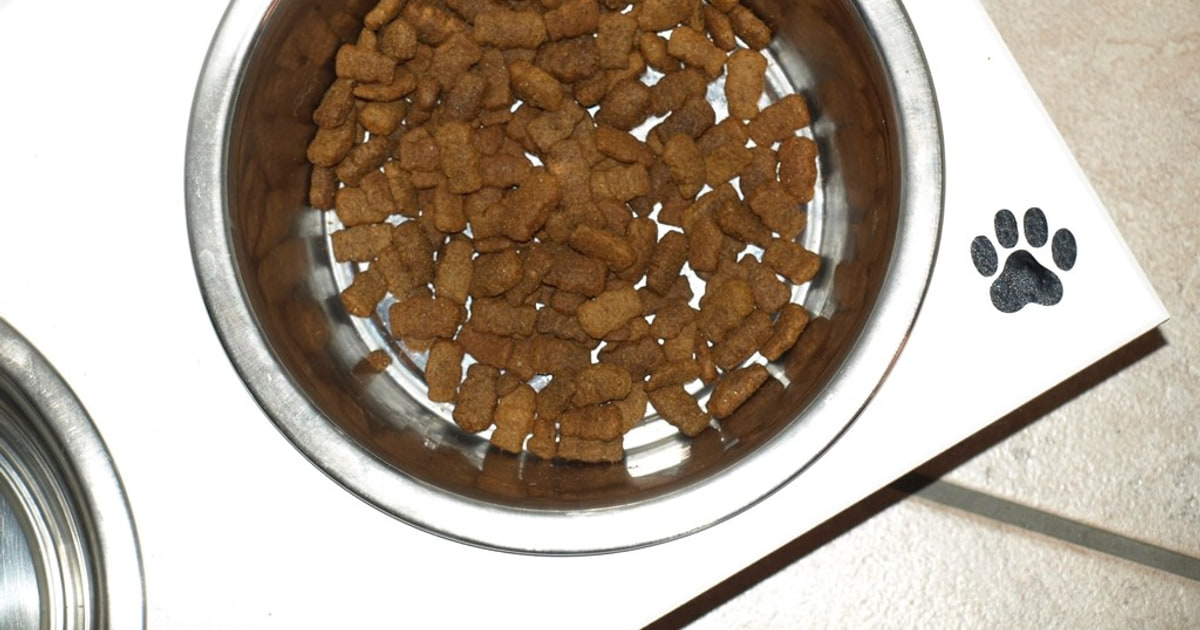
Your dog eats the same thing twice a day, every day, for years. That makes dry food one of the few purchases where consistency matters more than novelty. A good kibble keeps weight steady, stools firm and energy even, and it's cheap enough that you don't dread the reorder. The front of the bag tells you almost nothing useful. Words like holistic, ancestral and human-grade aren't regulated, so they promise nothing. What matters is on the back: the ingredient list, the guaranteed analysis and the AAFCO statement.
Here's the honest part. No bag of kibble can prove it's right for your particular dog, and no brand can show it beats the others for your animal specifically. Feeding trials are the strongest evidence available, and most companies skip them because they're slow and expensive. Ingredient panels rank by weight before cooking, which flatters fresh meat and hides how little of it survives. And the FDA's open look at grain-free, legume-heavy diets and heart disease still hasn't produced a verdict. You're choosing on process and track record, not certainty.
Most dogs don't need a boutique diet. They need a complete-and-balanced formula from a company that manufactures carefully, fed in the right amount, without you swapping brands every few weeks. Spending more reliably buys you better ingredient sourcing and better marketing. It doesn't reliably buy you a healthier dog. We think that the IAMS ProActive Health Adult Minichunks is the best dry dog food for most people, and that the Blue Buffalo Life Protection Formula is the one to buy if you'd rather avoid by-product meals and corn.
Everything we recommend

Solid everyday nutrition, without the boutique ingredient list

Cleaner ingredient panel, with a bumpier quality-control record

Far more animal protein, at the highest cost per day here

Senior-tuned nutrition in a kibble old jaws can manage
At a glance
| Product | Protein % | Life Stage / Main Protein | Price | |
|---|---|---|---|---|
 | Purina Pro Plan Adult Indoor Chicken andAlso in lineup | — | Adult Indoor Chicken | $16.88 |
| Hill's Science Diet Adult 7+Also great | — | Senior Adult 7+ | $51.99 |
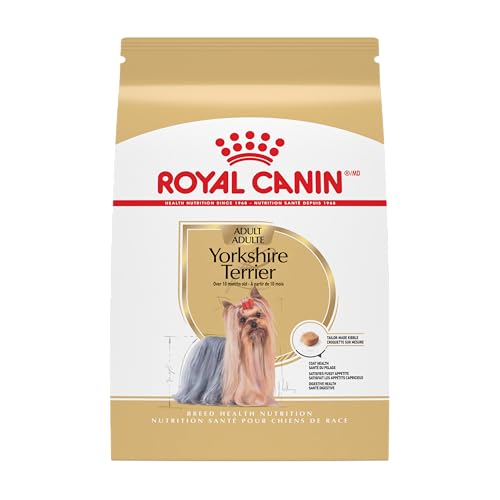 | Royal Canin Breed Health Nutrition Yorkshire TerrierAlso consider | — | Adult | $61.99 |
 | Purina Pro Plan High Protein Puppy FoodAlso consider | — | Puppy | $52.98 |
| ORIJEN Grain Free High Protein Dry DogUpgrade pick | 85% | All Life Stages | $106.99 |
 | Merrick Grain Free Chicken + Sweet PotatoAlso in lineup | 57% | Adult | $23.98 |
| IAMS Proactive Health Adult Minichunks Premium DryTop pick | — | Adult | $46.97 |
| Blue Adult Dry Dog Food Life ProtectionRunner-up | — | Adult | $40.42On sale |
 | Taste of the Wild High Prairie CanineAlso in lineup | 32% | Adult | $58.99 |
 | Wellness CORE Natural Wet Grain Free CannedAlso consider | — | Adult | $52.56 |
How we picked
Nutritional adequacy. Every food here carries an AAFCO complete-and-balanced statement for a defined life stage. We gave extra weight to formulas validated through animal feeding tests rather than paper calculation alone.
Protein sourcing. We looked for a specifically named meat in the first position — chicken, turkey, bison — rather than vague terms like meat or poultry. Named meals are fine as secondary ingredients.
Company research. We favored companies that employ board-certified veterinary nutritionists, fund feeding trials and publish their findings. Very few do all three, and it's the clearest signal available.
Recall history. We reviewed FDA recall records for each manufacturer. Repeated pathogen recalls counted against a brand far more heavily than a one-off labeling correction.
Owner-reported digestion. We read owner feedback for recurring themes around stool quality, gas and refusal to eat. Isolated complaints tell you little; the same complaint hundreds of times tells you a lot.
Top pick
Solid everyday nutrition, without the boutique ingredient list
IAMS Proactive Health Adult Minichunks Premium Dry
This is the plain, complete adult kibble that a huge number of households already feed without drama. Chicken leads the ingredient list, the small pieces suit most mouths, and the fiber blend keeps digestion boring — which is exactly what you want from a food.
$46.97fromAmazonFor a healthy adult dog with no special needs, this is the food we'd reach for first. It's complete and balanced, its protein comes from chicken and egg, and Mars Petcare's manufacturing scale means the bag you buy next month matches the one you're feeding now. Owners stick with it for years at a stretch and report the same unremarkable thing: the dog eats, the coat looks fine, nothing happens. Boring is the point.
The minichunk size does more work than it sounds like it should. Small and medium dogs get a piece they can actually crunch instead of swallowing whole, and older dogs with worn teeth manage it too. Owners of everything from tiny mixes to labs report clean bowls. If you've got a giant breed that inhales dinner in forty seconds, a larger kibble might slow them down better.
The fiber system is the part that shows up in your yard. Beet pulp and prebiotics feed gut bacteria, and owners consistently report firm, predictable stools once the switch settles. Veterinary nutrition guidance treats stool quality as a real signal of how well a food digests, not a cosmetic one. If your current food produces soft, voluminous messes twice a day, this is a sensible thing to try next.
Availability matters more than people admit. You can get this at a grocery store, a warehouse club or online, in the same formula, on short notice. That sounds mundane until the bag runs out early and the boutique brand you switched to needs three days to ship. Shelters, rescues and boarding kennels lean on IAMS for the same reason: it's always there, and it's always the same.
Flaws but not dealbreakers
Corn is a significant ingredient, and crude protein sits around 21% — lower than the premium foods here. For a house dog that walks twice a day, that's plenty. For a working dog or a sport dog in hard training, it's thin. Dogs with a vet-confirmed corn sensitivity should look elsewhere, though true grain allergies are far rarer than the internet would have you believe.
IAMS doesn't publish AAFCO feeding trial data and doesn't employ the in-house nutrition research staff that Hill's, Purina and Royal Canin do. That's a real gap in the evidence, not a nitpick. Some dogs also loosen up for a week or two on the changeover, so take the transition slowly rather than dumping the new bag in on day one.
Runner-upOn sale
Cleaner ingredient panel, with a bumpier quality-control record
Blue Adult Dry Dog Food Life Protection
Blue Buffalo builds this around deboned chicken and brown rice, with no chicken by-product meal anywhere in the recipe. If the ingredient list is the thing you care about most, you get it here without being pushed into a grain-free formula you don't need.
$40.42fromAmazonList priceThe appeal is simple and it's printed on the back of the bag. Deboned chicken first, brown rice second, no by-product meal, no artificial colors or preservatives. Plenty of owners want exactly that and don't want to pay boutique money to get it. Blue Buffalo built one of the largest dry food lines in the country on that pitch, and the underlying formula is genuinely sound for a healthy adult dog.
The LifeSource Bits are the part you'll either appreciate or find on your floor. They're the dark pieces — an antioxidant, vitamin and chelated-mineral blend processed separately so heat doesn't degrade it. The reasoning is good. But a fair number of owners report their dog eating around them and leaving a neat little pile in the bowl, which quietly removes the benefit you paid extra for.
Brown rice is the right call for most dogs. It's a digestible carbohydrate with more fiber than white rice, and it keeps this recipe out of the grain-free category entirely — one less thing to think about given the open questions about legume-heavy diets and heart disease. Peas do appear further down the list, so it isn't legume-free, but they're nowhere near the top of the panel.
This one ships as a multipack of smaller bags rather than one big sack. With one dog, that's genuinely convenient: each bag stays fresh instead of going stale at the bottom of a bin over six weeks. With three retrievers, you'll be tearing open bags constantly and the per-pound math stops working in your favor. Buy the format that matches your household, not the one on sale.
Flaws but not dealbreakers
Blue Buffalo's quality-control history isn't spotless. A past voluntary recall over elevated vitamin D in certain lots is the one owners still bring up, and the company doesn't employ the in-house board-certified nutritionists that the research-heavy brands do. Current production meets regulatory standards. But you're trusting the process rather than published trial data.
The LifeSource blend is proprietary, so the exact antioxidant amounts aren't disclosed anywhere. And multipack orders occasionally turn up short a bag, which is worth counting on the doorstep rather than discovering three weeks later.
Upgrade pick
Far more animal protein, at the highest cost per day here
ORIJEN Grain Free High Protein Dry Dog
ORIJEN packs its original recipe with animal ingredients — chicken, turkey, salmon, herring and chicken liver lead the list — and the kibble is rich enough that stubborn dogs eat it. Buy it for a hard-working or genuinely picky dog if the daily cost doesn't bother you.
$106.99fromAmazonNothing else here comes close on animal content. The original recipe is built around roughly 85% animal ingredients, and its WholePrey approach uses organs and bone rather than muscle meat alone. That's closer to what a dog would actually eat than a panel padded with plant protein. If ingredient sourcing is your primary criterion and you've read enough labels to be cynical, this is the food that answers you.
Picky dogs are where it earns its keep. Owners who've cycled through five or six foods with a dog that sniffs the bowl and walks away report that this one gets eaten. The kibble is softer than most and heavily coated, so it smells like food instead of cereal. If you've been hand-feeding a dog to get calories into them, that's not a small thing.
High protein isn't automatically better, though. A sedentary twelve-year-old doesn't need protein at this level, and the surplus mostly gets metabolized and passed. The dogs that genuinely benefit are the ones running, working or training hard several days a week. For a beagle whose big daily event is the mail carrier, you're paying a real premium for nutrients that end up in the yard.
The evidence gap is the honest trade-off. Champion Petfoods formulates to AAFCO nutrient profiles rather than running documented feeding trials, and it doesn't publish peer-reviewed research the way Hill's and Purina do. That doesn't make the food bad, and the sourcing is legitimately impressive. It means the strongest available proof — real dogs monitored over months — simply isn't on the table.
Flaws but not dealbreakers
It's the most expensive food in this guide by a wide margin, and the gap widens with the size of your dog. Feeding a fifty-pound retriever on this costs a multiple of what the mainstream picks cost per day, every day, forever.
Transitions go badly if you rush them. Jumping from a 21% protein food to this one over three days is a reliable way to buy yourself a week of loose stools; owners who stretch it to ten days report far fewer problems. It's also a grain-free recipe with legume content, so talk to your vet first if your dog's breed carries heart-disease risk.
Also great
Senior-tuned nutrition in a kibble old jaws can manage
Hill's Science Diet Adult 7+
Hill's built this for dogs past seven: smaller, softer pieces, controlled minerals for heart and kidney health, and ingredients chosen to be easy on an aging gut. If your dog is slowing down or has lost teeth, it's the most clinically grounded option here.
$51.99fromAmazonHill's does the research work that most pet food brands skip. It keeps board-certified veterinary nutritionists on staff, runs feeding trials with real dogs, and publishes in peer-reviewed journals. Only a handful of companies clear all three bars. For a senior dog — the life stage where diet mistakes get expensive fastest — that track record is worth more than a prettier ingredient panel on a bag from a brand you've never heard of.
The kibble size is what owners notice first. It's small and not as hard as most adult formulas, which matters enormously when a dog has lost teeth or has a sore mouth. Owners of shih tzus, yorkies and other small seniors report clean bowls from dogs that had started walking away from dinner. It also runs through an automatic feeder without jamming.
Balanced minerals is the quiet part of the pitch. Sodium and phosphorus are controlled with aging hearts and kidneys in mind, and those are the two systems most likely to fail an older dog. Protein stays moderate — enough to hold muscle, not so much that it loads the kidneys. Those are the levers a veterinary nutritionist would pull, and they're pulled deliberately here.
Seven isn't a magic number, though. A lean, bouncy nine-year-old lab may do better on a regular adult formula, and a stiff six-year-old might benefit from senior nutrition early. Go by your dog's body condition and energy rather than the birthday. And if your dog starts gaining weight on a senior food, the portion is the problem, not the recipe.
Flaws but not dealbreakers
It costs more than a general adult formula, and the reduced-calorie senior profile doesn't thrill every dog — some hesitate for the first few days. It also uses chicken by-product meal rather than whole chicken alone, which bothers owners who read panels closely, though by-product meal is a concentrated and perfectly legitimate protein source. And it's grain-inclusive, so it's off the table if your vet has confirmed a grain allergy through a supervised elimination diet.
Who this is for
This guide is for you if you're feeding a healthy dog and want a good everyday kibble without spending a weekend reading ingredient forums. Our picks cover adult maintenance, seniors and puppies, in the sizes most households buy. If your dog is thriving on its current food — steady weight, firm stools, good coat, decent energy — the honest advice is to leave it alone. Switching foods is the most common way owners create a digestive problem they didn't have.
It's not for you if your vet has prescribed a therapeutic diet for kidney disease, pancreatitis, urinary stones or a diagnosed food allergy. Those are medical products and you should buy what you were told to buy. We also don't cover raw, fresh-cooked or homemade diets, or the specific calcium-controlled formulas that large-breed puppies need while their skeletons are growing. If your puppy will top fifty pounds as an adult, buy a large-breed puppy formula and don't improvise.
How we picked
We ranked these on five things. Nutritional adequacy: every food carries an AAFCO complete-and-balanced statement, and we preferred the ones validated through feeding tests rather than calculated on paper. Protein sourcing: a specifically named meat in the first slot, not a vague catch-all term. Company research: in-house board-certified nutritionists, funded feeding trials and published peer-reviewed work, which almost nobody manages all at once. Recall history: we read the FDA record, weighing repeated pathogen recalls far more heavily than a single labeling fix. Owner-reported digestion: recurring themes in owner feedback around stool quality, gas and flat refusal to eat the food at all.
Other dry dog food worth considering
If you're raising a puppy: The Purina Pro Plan High Protein Puppy Food ($52.98) — Adult formulas don't cut it for a growing dog, and this is where we'd point you. It's a shredded blend — crunchy kibble mixed with soft meaty pieces — and that texture is why picky puppies eat it without a standoff. DHA from fish oil supports brain and vision development, and the calcium and phosphorus are set for building bone rather than just filling a belly. Breeders and vets recommend it constantly, and owners moving pups off a starter formula report easy transitions. The shreds leave residue in the bowl, so rinse it properly. If your puppy will grow past fifty pounds, buy the large breed version instead — the calcium ratio genuinely matters there.
If you have a Yorkshire Terrier: The Royal Canin Breed Health Nutrition Yorkshire Terrier ($61.99) — Breed-specific food sounds like marketing, and often it is. This one earns more benefit of the doubt than most. The kibble is shaped for a Yorkie's small, crowded mouth so the dog chews rather than swallows, and the recipe leans on biotin and omega fatty acids for the fine, silky coat the breed is known for. Owners of notoriously picky Yorkies report they eat it, which is not nothing. What you give up is flexibility: it's aimed at adult Yorkies specifically, it costs considerably more per pound than a general adult formula, and it's useless in a multi-dog house where everyone eats from the same bin.
If you want a topper for a dog who won't eat: The Wellness CORE Natural Wet Grain Free Canned ($52.56) — This is canned food, not kibble, so it's a companion to your dry food rather than a replacement for it. A spoonful of turkey-and-chicken pâté stirred into a bowl will get most reluctant dogs eating, and the moisture helps dogs who don't drink enough or live somewhere brutally hot. It's grain-free with no corn, wheat or soy. The catches are real: it costs far more per calorie than kibble, it has to go in the fridge once opened and be used within a few days, and it does nothing for teeth. As a daily sole diet for a big dog, the cost gets silly fast.
The competition
This is what our research surfaced in a very crowded category, not a census of every bag sold. Both of these are decent foods with real followings. They lost to our picks on specific, stated grounds rather than because anything's wrong with them, and either could be the right call for a particular dog.
The Merrick Grain Free Chicken + Sweet Potato ($23.98) — Merrick's grain-free chicken and sweet potato recipe puts real deboned chicken first and adds glucosamine and chondroitin for joints, which is more than most mid-range foods bother with. Owners report picky dogs eating it happily, sometimes mixed into another food. It lost on two counts: this listing is a small bag, so the per-pound cost is high compared with the big sacks our picks come in, and there's little published research behind Merrick's formulations. It's grain-free with legume content too. If your vet has confirmed a grain sensitivity and you want a small bag to trial before committing, it's a reasonable place to start.
The Taste of the Wild High Prairie Canine ($58.99) — Taste of the Wild's High Prairie recipe leads with roasted bison and venison, proteins most dogs have never eaten, and runs 32% protein with a probiotic blend added for digestion. The big bag makes it practical for a large dog, and it costs less per pound than most grain-free foods here. It didn't make the picks because it's legume-heavy grain-free with no published feeding trials, and Diamond Pet Foods has a Salmonella recall in its past, though audits since have found the facilities in good shape. It's still worth considering for a vet-supervised elimination diet — provided your dog has genuinely never had bison or venison before.
Switching foods and storing them
Change food slowly or you'll spend a week cleaning carpets. Give three days at roughly a quarter new food, three days at half, three days at three quarters, then go fully over. If loose stools show up, hold at your current ratio for a couple of extra days instead of pushing on. Puppies and seniors often need closer to two weeks. Storage matters more than people think: leave the kibble in its original bag and put the whole bag inside the bin, because the liner blocks the fat from going rancid and the bag has the lot code you'd need if there's ever a recall. Keep it out of a hot garage, and don't top off a half-full bin with fresh food.
Questions we get
Which dry dog food do vets recommend most?
Purina, Hill's Science Diet and Royal Canin come up most often, because they're the brands that employ board-certified veterinary nutritionists, fund feeding trials with real dogs and publish research. That's an unusually high bar and almost nobody else clears it. It doesn't mean other foods are unsafe — plenty of dogs do beautifully on brands that skip the research. It means those three can show their work.
Is grain-free dog food bad for dogs?
Grain-free isn't inherently bad, and it isn't inherently better either. The FDA has been looking into a possible link between legume-heavy grain-free diets and dilated cardiomyopathy, and no causal link has been established. Veterinary cardiologists generally advise against choosing grain-free unless a vet has confirmed a grain allergy through a supervised elimination diet. If your dog has no diagnosed problem, a grain-inclusive food is the simpler choice.
How do I read a dog food label?
Start with the guaranteed analysis: adult dogs need at least 18% crude protein and 5% crude fat on a dry matter basis, with moisture under 12% for kibble. Then look at the first five ingredients, since they're listed by pre-cooking weight and dominate the recipe — you want a named meat up front. Finally find the AAFCO statement. If it says animal feeding tests, real dogs ate it under observation. If it says formulated to meet, someone did the math.
What does AAFCO approved actually mean?
Nothing, technically — AAFCO doesn't approve or certify any pet food. It publishes the minimum nutrient profiles that define complete and balanced nutrition for each life stage, and manufacturers state on the label how they met them. Feeding-test validation is the stronger claim, because dogs ate the food over a controlled study period and were monitored. Formulation compliance is the minimum acceptable bar.
What should I feed a large dog with joint problems?
Look for added glucosamine and chondroitin, plus EPA and DHA from fish oil rather than flaxseed — dogs convert the plant form poorly. Several of the foods here include joint support, and your vet can point you at a formula built specifically for mobility. But the single most effective dietary thing you can do is keep the dog lean. Portion control beats any supplement for a stiff, overweight dog.
Why you should trust us
For this guide:
- We read AAFCO nutrient profiles, manufacturer spec sheets and guaranteed analysis panels for every food in this guide.
- We compared each brand against published veterinary nutrition guidance on nutritionist staffing, feeding trials and peer-reviewed research, and checked FDA recall records for each manufacturer.
- We read through owner feedback for each listing, looking for repeated themes around stool quality, kibble size and refusal to eat rather than one-off complaints.
- We read owner reviews on every listing, weighted toward the critical ones, because that is where the recurring failures show up.
- We have a systematic way of automatically fetching the latest prices, so the numbers on this page stay current.
- This is a research-focused guide, so the team may not own every product listed — though we often do own the top winners, which gives us extra context for the recommendations.
- We don't accept free products, and the retailer commission never changes which product we recommend.
Sources
Selecting the Best Food for Your Dog — WSAVA Global Nutrition Guidelines (Updated 2021), World Small Animal Veterinary Association
FDA Investigation into Potential Link Between Diet and Canine Dilated Cardiomyopathy, U.S. Food & Drug Administration
Dog Food Nutrition — ASPCA Animal Poison Control Resource Guide, ASPCA
Best Dry Dog Foods 2026 — Wirecutter (The New York Times), Wirecutter / The New York Times
Dog Food Reviews and Ratings — Consumer Reports, Consumer Reports
AAFCO Dog Food Nutrient Profiles and Label Requirements — Consumer Understanding Guide, Association of American Feed Control Officials
Dog Food Advisor — 2026 Best Dry Dog Foods Rankings and Independent Reviews, Dog Food Advisor
Purina Pro Plan Feeding Trials and Nutritional Research Overview, Purina Pro Plan / Nestlé Purina PetCare
Amazon product listings and owner reviews for all 10 products
Manufacturer specification pages for each product
Some passages in this guide may be paraphrased with AI help. Prices are refreshed automatically.
More like this.
Continue exploring pet reviews and recommendations.

The Best Dry Dog Food
Dog food is the one purchase you make over and over, and your dog eats nothing else. So the small stuff compounds. A bag that's a little too rich can mean…

The Best Dog Food Brands
You buy dog food more often than almost anything else you own a decision about. Twice a day, every day, for ten or fifteen years. That repetition is what…

The Best Food Processors
A food processor pays for its counter space in ten-minute chunks. It shreds a block of cheddar before your pan is hot. It turns a pile of onions, carrots…

The Best Baby Food Makers
Making your own baby food sounds ambitious until you do it once. You steam a sweet potato, blend it smooth, spoon it into a tray, and freeze it. That's…

The Best Food Dehydrators
A dehydrator is a slow appliance that quietly saves you money. It pulls 80 to 95 percent of the moisture out of food, which drops water activity below the…

The Best Probiotics and Fermented Foods for Gut Health
Your gut doesn't care much about marketing. It responds to what you feed it, most days, over months. So the useful question isn't which probiotic is…