The Best Hair Straighteners and Flat Irons
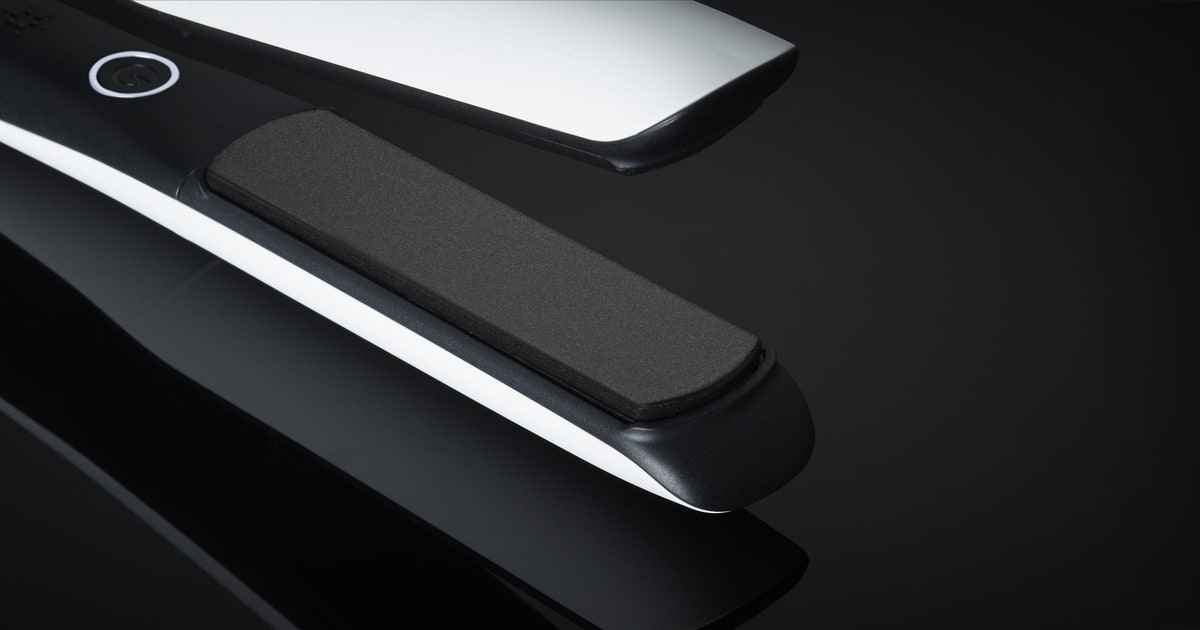
A flat iron is one of the few beauty tools you press directly against your hair, at temperature, over and over. So the things that matter are boring ones. Do the plates glide, or do they catch and tug on a tangle? Does the heat stay put when you're working through a thick section, or does it sag? Can you set it to something sensible for your hair and trust it to stay there? Everything else, including the finish and the color, is decoration.
Here's the part nobody markets: no straightener is good for your hair. Heat breaks down the protein structure that keeps strands strong, and the damage adds up rather than healing. The best irons here just do it more carefully, with steadier heat and fewer passes over the same piece of hair. If you straighten several times a week, the tool matters less than the habits around it, meaning a heat protectant every single time and a temperature that's actually matched to your hair.
We looked at plate material and width, how precisely each iron lets you set heat, what safety features it has, and what reviewers and owners say holds up over years rather than weeks. Some of these are salon tools that assume you know what you're doing. Others make the decision for you. We think that the ghd Platinum+ Styler is the best hair straightener for most people, and that the CHI G2 is the one to buy if you straighten occasionally and don't want to spend much.
Everything we recommend
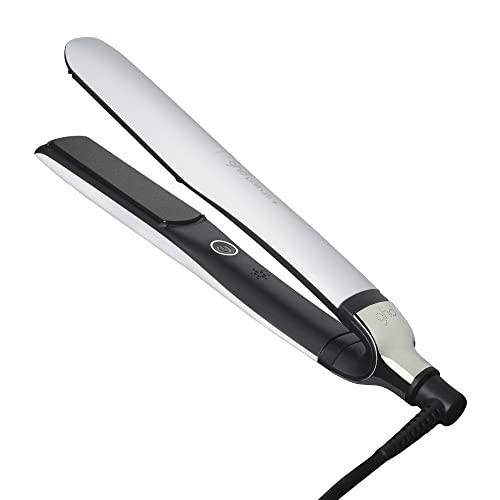
One temperature, chosen for you, and it's the right one

Full temperature control in a plain, dependable package

Cordless styling and gentler plates, if you can justify it

Fast and very hot, for hair that refuses to lie flat
At a glance
| Product | Price | |
|---|---|---|
| ghd Platinum+ Styler ― 1" Flat IronTop pick | $222.99On sale |
| Dyson Corrale™ Hair StraightenerUpgrade pick | $399.99On sale |
| BaBylissPRO Nano Titanium 1 ¼” Prima3000 StainlessAlso great | $146.39 |
 | T3 Women's Lucea 1.5 Straightening & StylingAlso consider | $189.99 |
| CHI G2 Titanium Infused Ceramic 1" FlatBudget pick | $91.69On sale |
How we picked
Heat control. We favored irons that either limit the temperature intelligently or let you set it precisely by hair type. Vague low-medium-high switches were a mark against a product, since published reviews and owner feedback tie most heat damage to a setting chosen by habit.
Plate material and glide. We compared plate specs across ceramic, titanium and hybrid designs, and looked for floating or flexing plates that reduce snagging. Reviewers describe catching and tugging as the most common complaint on cheaper irons, and it causes mechanical breakage on top of heat damage.
Plate width. We wanted the width to match the intended user rather than chase a number. One inch is the versatile default, while 1¼ and 1½ inches cut passes on thick hair at the cost of control around your face.
Safety and shut-off. We checked each spec sheet for an automatic shut-off window, a heat-resistant guard or a safety lock. Anything above roughly an hour, or unstated entirely, counted against a product.
Long-term durability. We read published reviews and owner feedback themes for signs of plates degrading, hinges loosening or cords failing after a year or two. Brands with a long track record in salons got the benefit of the doubt.
Top pickOn sale
One temperature, chosen for you, and it's the right one
ghd Platinum+ Styler ― 1" Flat Iron
The Platinum+ is a 1-inch ceramic iron that runs at a fixed 365°F and adjusts itself as you move. You can't turn it up, which is exactly why it works. For most people, it removes the single biggest cause of heat damage: guessing.
$222.99fromAmazonList priceIt holds one temperature, and that's the entire idea. The Platinum+ is preset at 365°F, and ghd's ultra-zone system monitors the plates and adapts to your hair and how fast you're moving. There's no dial to nudge upward on a morning when your hair won't cooperate. ghd claims up to twice the color protection compared with hotter stylers, and reviewers who straighten colored or fine hair consistently rank it first for that reason.
The rounded barrel means you're buying two tools. Clamp and pull for straight hair. Or wrap a section around the outside of the barrel and you get a loose wave or a soft curl instead. Plenty of flat irons have squared edges that make this awkward. This one doesn't, so if your usual routine is straight roots and bent ends, you won't need a second appliance sitting on the counter.
The plates float, so it doesn't fight you. ghd uses precision-milled ceramic plates on a hinge that lets them tilt slightly as they close. That matters when you hit a small knot near the ends. Instead of catching and yanking, the plates shift and keep moving. Published reviews repeatedly call out the glide and the frizz control on humid days, which is when most people notice a bad iron.
The small stuff is sorted. It shuts off automatically after 30 minutes, which covers the classic did-I-leave-it-on panic in the car. It ships with a heat-resistant plate guard, so you can put it away before it's fully cool. And it's universal voltage, so it works abroad without a transformer. None of these are exciting features. You'll be glad they're there anyway.
Flaws but not dealbreakers
You can't change the temperature, at all. If you have very coarse, tightly coiled, or stubbornly resistant hair, 365°F may not be enough to get the result you want in one pass, and going over the same section repeatedly is its own kind of damage. Some experienced users also just want control. This iron doesn't offer it, and that's a deliberate trade you either accept or don't.
One inch is narrow for a lot of hair. If your hair is long and dense, you'll be working in small sections for a while. A 1¼- or 1½-inch plate covers noticeably more ground per pass. Expect a longer routine here.
It's a serious purchase for occasional use. If you straighten once or twice a month, the heat intelligence you're paying for won't get much of a workout.
Budget pickOn sale
Full temperature control in a plain, dependable package
CHI G2 Titanium Infused Ceramic 1" Flat
The CHI G2 pairs titanium-infused ceramic plates with a digital display and color-coded settings for different hair types. It skips the smart features and the styling versatility, but the fundamentals are solid, and CHI has been making irons like this for a long time.
$91.69fromAmazonList priceYou get real temperature control, not vague low-medium-high. The G2 has a digital display with preset options mapped to hair types, so you can pick a genuinely low setting for fine or bleached hair and a hotter one for thick hair. That's the single most useful feature on an inexpensive iron. Most cheap straighteners give you three unlabeled settings and let you find out the hard way which one scorches.
Titanium-infused ceramic spreads heat more evenly than plain ceramic. The infusion helps the plates hold temperature when you're pulling through a dense section, while the ceramic base keeps the heat distributed rather than concentrated in hot spots. Uneven plates are the usual failure mode in low-cost irons, because one stripe of your hair takes far more heat than the rest without you ever seeing it happen.
It's the sensible choice if you straighten now and then. For touching up ends, smoothing a fringe, or getting through a couple of styling sessions a week, this does the job without asking you to think about it. CHI also builds in far-infrared heat and negative ions, which help tame static and flyaways, which is the kind of thing you notice most in dry winter air.
It's a known quantity. CHI irons have been in salons and bathrooms for years, and durability is where they earn their reputation. Reviewers and long-term owners generally report the plates staying smooth and the unit surviving daily use, which is not something you can assume from an unfamiliar brand selling the same spec sheet.
Flaws but not dealbreakers
It's slower to warm up than the professional irons here. You're waiting closer to half a minute rather than a handful of seconds. Not a dealbreaker at home. Annoying if you're already late.
Nothing limits the heat for you. There are no smart profiles and no ceiling, so if you set it too high for bleached or fine hair, it will happily do what you told it. Owner feedback on irons in this class often traces damage back to a setting chosen out of habit rather than hair type.
It's a straightener, full stop. The housing isn't shaped for wrapping curls, so if you want waves too, you'll need another tool.
Upgrade pickOn sale
Cordless styling and gentler plates, if you can justify it
Dyson Corrale™ Hair Straightener
The Corrale's plates flex to gather hair as they close, which Dyson says lets you get the same style with less heat and half the breakage. It also runs cord-free for up to 30 minutes. It's the most expensive iron here by a wide margin.
$399.99fromAmazonList priceThe plates bend around your hair instead of crushing it. Rigid plates only touch the parts of a section that happen to be flat, so you end up clamping the same piece two or three times to catch what got missed. The Corrale's flexing plates gather the hair as they close, which means more even contact. Dyson's own figures put it at 50% less breakage and the same style at a lower temperature.
Cord-free actually works here. You get up to 30 minutes off the plug, with a full recharge in about 70 minutes and a travel dock that tops it up between uses. If your bathroom has one outlet in an inconvenient spot, or you get ready in a hotel room, that's a real quality-of-life change. And it still runs corded, so a dead battery never strands you halfway through.
The screen removes the guesswork. An OLED display shows your temperature and battery level while you're styling, and there are three set points rather than a continuous dial you can knock out of position. The iron chimes as it heats and when it reaches temperature. If the sounds bother you, hold the power and temperature buttons for five seconds and they're gone.
The safety design is the strictest here. It powers down after 10 minutes of inactivity, well ahead of the usual 30-to-60-minute window, and a safety lock lets you close and stow it immediately after use. If you tend to leave things running, that's worth something on its own.
Flaws but not dealbreakers
Thirty minutes goes quickly if you have a lot of hair. For fine to medium hair, the battery covers a full session comfortably. For long, dense, or tightly textured hair, you'll likely finish on the cord, which turns the headline feature into a nice bonus rather than the reason to buy.
It's heavy, and you feel it. The battery adds real weight compared with a standard iron. During a long session your wrist notices, especially when you're working the back of your head.
It costs far more than anything else here. Unless you specifically want cord-free styling or you're straightening fragile hair several times a week, the gap over the top pick is hard to close on features alone.
Also great
Fast and very hot, for hair that refuses to lie flat
BaBylissPRO Nano Titanium 1 ¼” Prima3000 Stainless
The Prima3000 is a salon tool: nano titanium plates, five settings running up to 465°F, and a 1¼-inch width that moves through dense hair quickly. It's the pick for coarse or tightly coiled hair, and the wrong pick if you're new to this.
$146.39fromAmazonIt runs hotter than anything else here. Five LED settings top out at 465°F, which is the range that actually relaxes coarse and resistant curl patterns in a single pass. If you've been fighting your hair with an iron that maxes out lower, this is the difference between one pass and four, and fewer passes is genuinely better for your hair even at higher heat.
Nano titanium heats fast and stays there. Titanium transfers heat more efficiently than ceramic and recovers more quickly when you pull a thick section through, so the plates don't sag mid-styling the way cheaper irons do. Stylists working back-to-back clients rely on that consistency, and it's the main reason this iron keeps showing up in professional kits.
The 1¼-inch plates cover more hair per pass. It's a smart middle width. Wide enough to get through a dense head of hair without endless sectioning, narrow enough that you can still work near the hairline without burning your forehead. You can also wrap sections around it for loose beachy waves rather than a poker-straight finish.
It's built to travel and to survive. The stainless steel housing is corrosion and warp resistant, which matters in a steamy bathroom, and it's automatic dual voltage, so it works on any outlet worldwide. Ion Multiplier technology helps knock down static and frizz on the pass, which is most noticeable on thick hair that puffs up in humidity.
Flaws but not dealbreakers
465°F will destroy fine or bleached hair. This iron trusts you completely. Set it high on chemically processed strands and the damage is immediate and permanent, and no conditioner walks it back. If you don't already know what temperature your hair needs, start with a gentler iron.
There's no stated auto shut-off. The ghd powers down after 30 minutes and the Dyson after 10. Nothing in this listing promises the same, so you're responsible for unplugging it.
The handle isn't as refined as the premium options. It's a working tool, not a designed object, and titanium plates tend to pick up product residue faster than ceramic, so you'll be wiping them down more often.
Who this is for
This guide is for anyone buying a flat iron for their own bathroom, whether you straighten every morning or twice a month. If you straighten several times a week, spending more on better heat regulation is genuinely worth it, because the difference compounds over years rather than showing up on day one. If your hair is colored, bleached or chemically straightened, prioritize an iron that limits temperature over one that reaches a high number. And if you're buying your first real iron after years of drugstore tools, the top pick is the safest landing spot, since it can't be set wrong.
You should skip all of this if your hair is already badly damaged and breaking; no iron fixes that, and a few weeks without heat will do more than any purchase. We're covering plate-style straighteners only, so hot brushes, straightening combs, blow-dry brushes and multi-styler kits are out of scope. We also aren't ranking these by how well they curl, even though two of them can, because that's a bonus rather than the job.
How we picked
Heat control: we looked for irons that either hold a safe fixed temperature or let you set one precisely by hair type, rather than offering three unlabeled settings. Plates: we compared ceramic, titanium and hybrid surfaces, and gave credit to floating or flexing designs that glide instead of catching on tangles. Width: we matched plate size to the reader, with 1 inch as the versatile default and wider plates reserved for thick hair that needs fewer passes. Safety: we checked every spec sheet for a shut-off window, a plate guard or a lock, and treated an unstated shut-off as a real gap. Durability: we weighed published reviews and owner feedback themes about how these hold up after a year or two of daily use.
Other hair straighteners and flat irons worth considering
If you want wide plates to get through thick hair faster: The T3 Women's Lucea 1.5 Straightening & Styling ($189.99) — The T3 Lucea 1.5 is built around a 1½-inch ceramic plate and is aimed squarely at thick, coarse hair. Wider plates mean fewer sections and fewer passes, which is the fastest way to cut your styling time in half without turning the heat up. You get nine heat settings, so you can dial it down for colored hair rather than accepting whatever the iron defaults to, and the cord rotates so it won't wind itself around your arm. The trade is precision: at an inch and a half, working around your hairline, face-framing pieces and the nape of your neck gets fiddly, and plenty of owners end up keeping a narrower iron for detail work. It's also on the heavy side for a long session. Buy it if the bulk of your hair is the problem and the edges are an afterthought.
The competition
This is what our research surfaced in this lineup, not a survey of every flat iron sold. Plenty of capable irons exist outside it, and the category churns constantly as brands rebadge the same plates in new colors. Everything we looked at here ended up as a pick or a runner-up, which is unusual and mostly reflects a small, strong field: each of these five does something specific well enough to be the right answer for somebody. The differences between them are about your hair, not about quality.
Care and heat protection
Use a heat protectant every single time, without exceptions, and pick one rated to at least 450°F so it covers the hottest iron here. It works by forming a film that raises the temperature your hair can take before its protein structure starts breaking down, and it's the highest-impact thing you can do for your hair. Beyond that, straighten on hair that's completely dry, since trapped water turns to steam inside the strand. Work in sections no more than two inches wide and make one confident pass rather than four nervous ones. Wipe the plates down with a damp cloth once they're cool, because product residue bakes on and eventually drags. And give your hair a couple of heat-free days a week if you can.
Questions we get
Is titanium or ceramic better for a flat iron?
It depends on your hair, not on which is objectively better. Titanium heats faster, climbs higher and recovers temperature quickly under thick or resistant hair, which makes it the right call for coarse and tightly coiled textures. Ceramic heats more evenly with fewer hot spots and a gentler ceiling, so it's safer for fine, damaged or color-treated hair. If you're unsure, a titanium-infused ceramic hybrid splits the difference well.
What temperature should I use for fine or damaged hair?
Stay in the 250°F to 330°F range. Fine hair has a thinner cuticle, so it takes disproportionately more damage at the top of the dial, and hair protein starts degrading with sustained exposure above roughly 365°F. If your iron has hair-type presets, use them rather than eyeballing it. And always apply a heat protectant first.
What's the best straightener for thick, coarse or natural hair?
The BaBylissPRO Prima3000, because it reaches 465°F and holds that heat through dense sections, which is what actually relaxes stubborn curl patterns in one pass. The T3 Lucea 1.5 is the alternative if you'd rather have wider plates and more graduated settings. If you're straightening natural hair regularly and worried about cumulative damage, the Dyson Corrale's flexing plates are designed to get the same result at a lower temperature.
What about color-treated or bleached hair?
Choose an iron that limits heat rather than one that reaches a big number. The ghd Platinum+ is the simplest answer, since its fixed 365°F removes any chance of an accidental high-heat pass, and ghd claims up to twice the color protection versus hotter stylers. Sustained heat above about 400°F weakens the disulfide bonds in chemically processed hair, and conditioning treatments can't rebuild them. Keep titanium irons well below their maximum on bleached hair.
Are the expensive irons actually worth it?
If you straighten three or more times a week, yes, and the reason is heat regulation rather than luxury materials. Irons that hold a steady, sensible temperature spare your hair the repeated spikes that cause the worst damage, and that difference shows up over months. If you straighten once or twice a month, a solid mid-range iron like the CHI G2 will get you the same look for far less.
Can a flat iron cause permanent damage?
Yes. Repeated high heat without protection denatures hair protein, strips its ability to hold moisture, and causes breakage where you clamp hardest, and none of that reverses with conditioner. The preventable version comes from using too high a setting or going over the same section again and again. Match the temperature to your hair, use a protectant every time, and space out your heat styling.
Why you should trust us
For this guide:
- We read the manufacturer spec sheets and listing details for all five irons, comparing plate material, width, heat range, shut-off behavior and voltage claim by claim.
- We reviewed published evaluations from established beauty and consumer publications, along with recurring themes in owner feedback about glide, durability and long-term heat damage.
- We did not use or test any of these straighteners ourselves, so every performance claim here is traced to a specification or to someone else's published findings.
- We read owner reviews on every listing, weighted toward the critical ones, because that is where the recurring failures show up.
- We have a systematic way of automatically fetching the latest prices, so the numbers on this page stay current.
- This is a research-focused guide, so the team may not own every product listed — though we often do own the top winners, which gives us extra context for the recommendations.
- We don't accept free products, and the retailer commission never changes which product we recommend.
Sources
Best Flat Irons of 2026 — Good Housekeeping, Good Housekeeping
The Best Hair Straighteners, Tested by Editors — Allure, Allure
Best Flat Irons Tested 2026 — Forbes Vetted, Forbes Vetted
Best Hair Straighteners UK 2026 — Which?, Which?
GHD Platinum+ Review — Byrdie, Byrdie
Dyson Corrale Review — Cosmopolitan, Cosmopolitan
Best Flat Irons for Every Hair Type — InStyle, InStyle
Hair Straightener Safety & Heat Damage Research — Journal of Cosmetic Dermatology, Journal of Cosmetic Dermatology
Amazon product listings and owner reviews for all 5 products
Manufacturer specification pages for each product
Some passages in this guide may be paraphrased with AI help. Prices are refreshed automatically.
More like this.
Continue exploring beauty reviews and recommendations.

The Best Hair Straightening Brushes
A straightening brush is the tool you reach for when you want smooth hair in ten minutes instead of thirty. You brush, the heated teeth press each section…

The Best Running Shoes for Flat Feet
If your arches collapse when you stand, you already know what mile 18 feels like. The inside edge of your foot rolls in, your knee follows, and by the end…

The Best Curling Irons
A curling iron sits on your bathroom counter and gets maybe eight minutes of your morning. In that time it has to heat up, hold a steady temperature, and…

The Best Ironing Boards
An ironing board is one of those things you don't think about until you're fighting one. The legs skate on tile. The cover slides as you push into a…

The Best Cast Iron Skillets
A cast iron skillet is the rare pan you buy once. It doesn't peel, it doesn't warp under a hot burner, and it doesn't need replacing every three years…

The Best IPL Hair Removal Devices
Home IPL is a slow-burn purchase. You shave, you flash, you wait, and a few weeks later you notice you're shaving less. That's the whole experience. What…