The Best Historical Fiction Books
Historical fiction has one job: to put you somewhere you've never been and make it feel ordinary. The cold of a French farmhouse in winter, the noise of a pachinko parlor in Osaka, the dust behind a cattle herd moving north. When it works, you stop noticing the research and just live there for a few hundred pages. When it doesn't, you can feel the author showing you the homework. The novels that last hide the scaffolding and give you people to care about instead.
No book here does everything. The ones with the deepest research tend to move slowest, and the ones that turn pages fastest can smooth the past into something a little too tidy. Almost all of them are sad, because most of history was. Length is real, too: several of these run well past five hundred pages, which is a few weeks of your life if you read a chapter at bedtime. Pick the trade-off you can live with rather than hoping to dodge it.
So start with the setting. Period detail is most of what you're buying, and a century you find dull on a museum placard won't come alive just because the novelist is good. Read the first page before you commit if you can, since the voice tells you almost everything about whether you'll finish. We think that The Nightingale is the best historical fiction book for most people, and that Pachinko is the one to buy if you want a saga that follows one family across generations and countries.
Everything we recommend

Wrenching, fast-moving wartime drama that trades subtlety for feeling

A four-generation saga that rewards patience more than speed

An unusual narrator and short chapters, fine for younger readers

The longest commitment here, and the one readers reread

Myth retold as a life story, for a gentler way in
At a glance
| Product | Weight | Width | Price | |
|---|---|---|---|---|
| The Nightingale: A NovelTop pick | 1.15 lbs | 1.55 in | $14.14On sale |
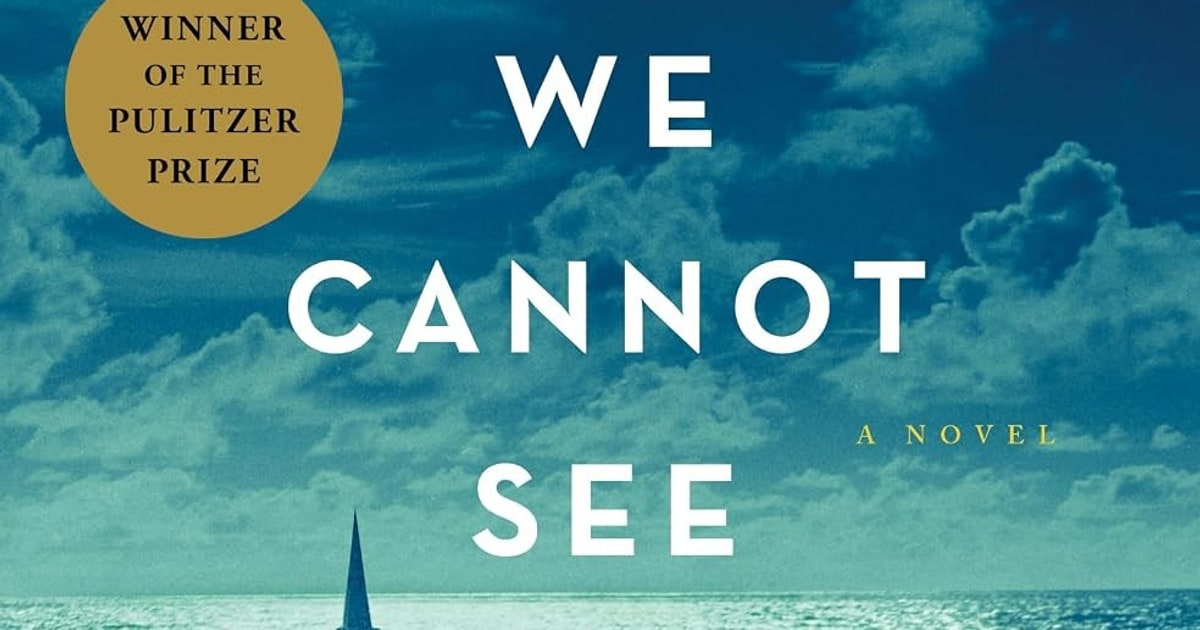
 | All the Light We Cannot See: AAlso consider | 0.95 lbs | 7.91 in | $10.18On sale |
| PachinkoRunner-up | 0.95 lbs | 1.36 in | $8.57On sale |
| The Book ThiefBudget pick | 2.31 lbs | 1.31 in | $8.01On sale |
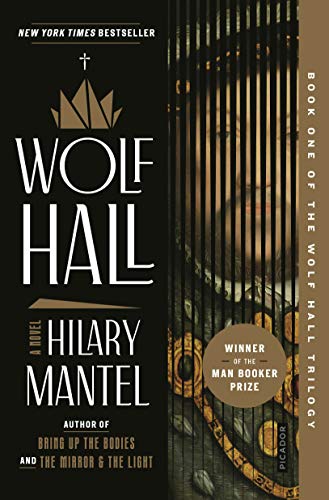 | Wolf HallAlso consider | 1.04 lbs | 1.15 in | $11.48On sale |
| Lonesome Dove: A NovelUpgrade pick | 1.54 lbs | 1.8 in | $15.38On sale |
 | The Pillars of the Earth: A NovelAlso in lineup | 2.64 lbs | 1.73 in | $14.23On sale |
| CirceAlso great | 2.31 lbs | 1.12 in | $9.99On sale |
How we picked
Research that holds. We looked for novels where published reviews and readers familiar with the period praise the accuracy of the detail rather than pick fights with it. Books that get the texture right — food, money, paperwork, weather — stayed in.
Prose you enjoy. Style is the thing you live with for hundreds of pages. We weighed critical assessments of the writing alongside owner feedback about readability, and kept a range from very plain to very lyrical.
Pacing and payoff. A slow opening is fine if readers report the book earns it. We favored titles where owner feedback shows a clear turn, and flagged the ones where the drag never lifts.
Setting variety. Wartime Europe dominates the genre, so we deliberately kept picks set in Japan and Korea, the American West, ancient Greece and Tudor England. Period is the biggest factor in whether you'll finish.
Commitment and format. We noted which books are standalones and which start a series, and how they hold up as audiobooks, since narration quality varies enormously across historical fiction.
Top pickOn sale
Wrenching, fast-moving wartime drama that trades subtlety for feeling
The Nightingale: A Novel
Kristin Hannah's novel follows two sisters in occupied France — one hiding downed airmen in her village house, the other running escape routes over the mountains. It's the rare book that pulls in people who swear they don't like historical fiction, and it wrecks most of them by the last chapter.
$14.14fromAmazonList priceThis is the safest pick here for a reader you don't know well. The scenes are short, the stakes are always clear, and the emotional payoff shows up on time. Owner feedback is full of people who normally skip the genre and then finished this one in a weekend. If you're buying a gift, or choosing for a group with wildly different reading habits, that kind of broad appeal beats any prize sticker.
The war here is the one civilians fought. Vianne stays in the village with a German officer billeted in her house and makes a hundred small compromises to keep her daughter fed. Isabelle goes the other way, guiding airmen across the Pyrenees under a code name. Hannah gives you both sisters, and the book is strongest when it refuses to tell you which one was braver.
Hannah did the reading. The ration cards, the escape lines, the way a small town turns on its own people — that texture comes from the record of women in the French Resistance, and readers who know the period tend to praise the detail rather than argue with it. She's writing melodrama with accurate furniture, and she's clear-eyed about which parts are which.
The opening is slow, and then it isn't. A recurring note in owner feedback is that people nearly quit in the first stretch before the occupation arrives and the book grabs them. If you're a hundred pages in and unconvinced, keep going. That's the most common piece of advice readers give about this novel, and it's the one worth taking.
Flaws but not dealbreakers
The prose is functional rather than beautiful. Hannah writes to move you and she isn't shy about it, so a few scenes reach for the tear duct hard enough that you can see the hand doing it. If you want sentences you'll want to reread, Circe and All the Light We Cannot See are the better buys.
The frame story, narrated decades later by an aging woman, telegraphs its twist early. A lot of readers guess it well before the reveal, and the ending gives up some of its charge as a result.
Runner-upOn sale
A four-generation saga that rewards patience more than speed
Pachinko
Min Jin Lee follows one poor Korean family through four generations of exile in Japan, from a seaside boarding house to the pachinko parlors of Osaka. It was a National Book Award finalist, and it's the quietest, most devastating book on this list.
$8.57fromAmazonList priceMost family sagas lose you around the third generation, when the names start to blur. Lee avoids that by keeping the stakes concrete and legal. Koreans born in Japan still register as foreigners, still carry papers, still get shut out of jobs their grades earned them. The discrimination isn't background — it's the plot, and it renews itself in every generation with a new face.
Buy this one if you want history you almost certainly weren't taught. The Japanese occupation of Korea, and the communities of Koreans who stayed on in Japan afterward, get close to zero space in American classrooms. Lee delivers it through a teenage girl selling kimchi in a market and a grown son who won't say his family name out loud. You'll close the book knowing something real.
It's also the best book club book here. Every major character makes a choice you can argue about for an hour — who passes as Japanese, who marries whom, who takes money from a man everyone else calls a criminal. Lee doesn't rule on any of it. That restraint is why discussions of this novel tend to run long and get personal.
The sentences are plain on purpose. Lee writes in short declaratives that let hard things land without ceremony, which is a real relief after a few hundred pages of grief. If you're coming from lush, image-heavy prose, the first chapters may read as flat. Give it fifty pages and the accumulation starts doing the work.
Flaws but not dealbreakers
It's relentless. Poverty, illness, prejudice and loss arrive in steady rotation, and there's no comic pressure valve. Several readers describe the ending as more of a fade than a resolution, which is honest to the story but leaves you without much lift.
The later generations get thinner. Sunja, the woman at the center of the first half, is so vividly drawn that her grandchildren feel sketched by comparison, and the cast widens faster than the page count can support.
Budget pickOn sale
An unusual narrator and short chapters, fine for younger readers
The Book Thief
Markus Zusak's story of a foster girl in a small German town is narrated by Death, who turns out to be weary, wry and unexpectedly gentle. It's shelved for young adults, but it works as the sturdiest introduction to wartime fiction at any age.
$8.01fromAmazonList priceA girl steals books she can barely read, a Jewish man hides in the basement, and a neighbor teaches her the alphabet on a painted wall. That's most of the plot. Zusak keeps the scope small — one street, one family, a handful of years — which is exactly why the book lands for readers who bounce off sprawling war novels.
The narrator is the whole trick, and it works. Death tells you what's coming, sometimes chapters ahead, so you read the good parts already grieving them. That should be unbearable and instead it's oddly comforting, because it takes the suspense out and leaves the people in. Readers who normally hate gimmicks tend to make an exception here.
It's the easiest of these to find in paperback, and the easiest to replace after you lend it out and never see it again. That matters more than it sounds. This is the book you buy two copies of — one for you, one for the fourteen-year-old who says history is boring — and the reading level makes that a safe bet.
Flaws but not dealbreakers
Zusak's style is heavy on invented imagery and one-line paragraphs, and it can tip into preciousness. Some readers find the metaphors overworked by the middle third, especially compared with the plainer writing in Pachinko.
The young-adult packaging undersells the content. There's death of children, brutal violence and real despair in here, so it's not automatically right for a sensitive younger reader just because it's shelved that way.
Upgrade pickOn sale
The longest commitment here, and the one readers reread
Lonesome Dove: A Novel
Larry McMurtry's cattle-drive epic sends two retired Texas Rangers from a dusty border town all the way to Montana, and takes well past eight hundred pages to get there. It's the book on this list that readers most often call the best novel they've ever finished.
$15.38fromAmazonList priceGus and Call are the reason. One talks constantly and takes nothing seriously, the other says almost nothing and takes everything seriously, and McMurtry spends hundreds of pages letting you learn the difference between them. By the time the drive goes wrong, you know these men well enough that the losses hit like news about someone you've met.
If you think you don't like Westerns, this is the one that changes your mind. McMurtry has no interest in the clean mythology — the heroism is intermittent, the weather does more damage than the villains, and most of the danger is boredom, snakes and bad decisions. It reads less like a genre novel and more like a very long, very funny tragedy.
The length is the feature, not the price of admission. Because you're on the trail for so long, the routine gets under your skin: the same cook, the same river crossings, the same arguments at the fire. Shorter books can't build that. It's the closest thing here to the immersion Ken Follett fans usually go looking for.
Owner feedback about this novel is unusually consistent, and it says two things. It starts slowly, with a lot of porch-sitting before anyone moves. And almost nobody regrets the time once they've finished. That combination — high commitment, near-universal payoff — is why we treat it as the upgrade rather than the entry point.
Flaws but not dealbreakers
The first hundred pages test you. McMurtry lingers in Lonesome Dove before the drive begins, and if you want plot on page one you'll be restless.
The period attitudes are on the page without much authorial comment. Native characters are largely threats rather than people, and violence against women is depicted bluntly and more than once. Some readers read that as honest to the era; others find it a real limitation of the book.
Also greatOn sale
Myth retold as a life story, for a gentler way in
Circe
Madeline Miller retells the life of a minor witch from the Odyssey as a first-person account of a woman learning what she's capable of. It's myth rather than strict history, and it's the softest landing here for anyone who finds war novels heavy going.
$9.99fromAmazonList priceCirce is banished to an island and stays there for most of the book, so the famous names come to her — Daedalus, the Minotaur, Odysseus and his crew. That structure makes it feel like a series of visits rather than a plot you have to track, which is why it reads so easily even if your Greek mythology stopped at grade school.
The sentences are the reason to buy it. Miller writes with a clarity that never turns purple, and readers who come for the story stay to underline passages. If the plainness of Pachinko or the workmanlike prose of The Nightingale left you wanting, this is the corrective.
It's the best crossover book here for fantasy readers. Gods, spells and monsters are all present, so nothing feels like a homework assignment, but the emotional material — a difficult family, a late-arriving sense of self, motherhood — is entirely grown-up. Owners consistently describe it as the book that got them reading outside their usual shelf.
Flaws but not dealbreakers
The middle sags. Circe's isolation is thematically the point, but a stretch of the book is one visitor after another with little pressure between them, and readers who want momentum feel it.
It's not really historical fiction. There's no research into a documented period to speak of, so if you want the pleasure of learning something factual about the past, this isn't the one.
Who this is for
This guide is for someone standing in front of a shelf who wants one good historical novel, not a syllabus. It covers standalone books and series openers that have stayed in print and kept finding readers, in the periods people most often ask about: the Second World War, the American frontier, Tudor England, twentieth-century Japan and Korea, and the ancient Mediterranean. If you already read three of these a month, you know the genre better than this list does.
It's not for everyone. If you want the actual history, buy a history book — every title here invents dialogue, compresses events and puts words in real mouths. We've also left out historical romance, where the love plot is the engine, and straight fantasy with a period costume. And if you have limited reading time, skip the eight-hundred-page picks and start with the shortest thing that interests you, because an unfinished doorstop helps nobody.
How we picked
Research: we favored novels where reviewers and period-savvy readers praise the detail instead of correcting it. Prose: we kept a deliberate spread, from plain declarative sentences to writing you'll want to underline, since neither suits everyone. Pacing: slow openings are acceptable when owner feedback shows the book turns and stays turned; books that never lift got cut. Setting: wartime Europe crowds the genre, so we made room for Japan and Korea, the American West and the ancient world. Commitment: we noted page counts, whether a book starts a series, and how well it works read aloud, because a trilogy and a weekend read are different purchases.
Other historical fiction books worth considering
If you want the most demanding book here: The Wolf Hall ($11.48) — Hilary Mantel's Wolf Hall rebuilds Thomas Cromwell from Henry VIII's villain into the sharpest man in the room, and it won the Booker Prize for good reason. The catch is the style. Mantel writes in present tense and uses he for Cromwell so often that you'll occasionally lose track of who's speaking, and she assumes you remember your Tudor history rather than explaining it. Readers who sync with it call it the best novel they've read in years; readers who don't put it down by page eighty. It's also the first of a trilogy, so a good time means signing up for two more long books.
If you want the prettiest sentences about the same war: The All the Light We Cannot See: A ($10.18) — Anthony Doerr's All the Light We Cannot See braids together a blind French girl fleeing Paris and a German orphan with a gift for radios, and it won the Pulitzer for fiction. The chapters are two or three pages each, which makes a long book feel unusually light in the hand. It's the better choice than The Nightingale if you read for language rather than plot. The trade-off is emotional distance — the beauty of the prose keeps some readers at arm's length — and the ending is the most common complaint in owner feedback, with a late section that many find deflating after everything before it.
The competition
This is what our research surfaced: the historical novels that keep showing up in reader recommendations and have stayed in print long enough to be easy to find. It isn't a survey of everything published in the genre, and a book landing here doesn't mean it's bad.
The The Pillars of the Earth: A Novel ($14.23) — Ken Follett's The Pillars of the Earth is the cathedral-building epic that a lot of people name when you ask them for historical fiction, and it's genuinely hard to stop reading — the construction problems, the church politics and the scheming are addictive in a soap-opera way. It lost to Lonesome Dove as our long-haul pick on craft. The villains are cartoonish, the good characters rarely surprise you, and Follett returns to graphic sexual violence often enough that owner feedback regularly warns about it. It's also the start of the Kingsbridge series. Choose it anyway if medieval England is your period and you want plot above all else.
Formats and content notes
Check the edition before you buy. Some of these paperbacks are printed small enough that readers replace them with large-print or hardcover copies, and the longest titles here are genuinely heavy to hold in bed — an ebook is kinder for those. Audiobooks are worth it in this genre, but narration quality varies more than in almost any other, so listen to the sample before you commit to twenty-plus hours with a voice. Content is the other thing to check: war novels here include the deaths of children, and a few titles depict sexual violence in detail. If you're buying for a teenager or a book club with mixed tastes, look up the content notes first rather than after.
Questions we get
Where should I start if I've never really read historical fiction?
Start with The Nightingale. The chapters are short, the plot is clear, and owner feedback is full of people who don't normally read the genre and finished it in a weekend. If war novels feel like too much, Circe is the gentler option — it reads like a novel first and a period piece second.
Which of these works best for a book club?
Pachinko, easily. Nearly every character makes a decision you can argue about, and Min Jin Lee refuses to tell you who was right. The Nightingale is the safer choice for a group with mixed reading speeds, since it moves quickly and everyone will actually finish it.
What's the best historical fiction novel set during World War II?
It depends on what you want from it. The Nightingale is the most emotionally direct and the most likely to keep a reluctant reader up late. All the Light We Cannot See is the better-written book, with very short chapters and a quieter effect. The Book Thief comes at the same war from inside Germany and suits younger readers.
Do any of these commit me to a series?
Two do. Wolf Hall is the first of a trilogy, and The Pillars of the Earth opens the Kingsbridge books. Both work as standalones if you stop after one. The Nightingale, Pachinko, Lonesome Dove, Circe, The Book Thief and All the Light We Cannot See are all self-contained.
Are the audiobooks worth it?
Often, but check the narrator first. Historical fiction leans on accents, period diction and large casts, and narration quality in the genre swings hard between excellent and distracting. Play the sample and read narrator-specific feedback before you buy. Books with intricate prose, like All the Light We Cannot See, tend to reward listening most.
What's the difference between historical fiction, historical romance and historical fantasy?
Historical fiction puts invented characters into a real, researched past, and the history drives the story. Historical romance uses the period as a setting while the relationship carries the plot. Historical fantasy adds magic or myth to a real era. Circe sits closest to that last category, which is why it's such a comfortable crossover from fantasy.
Why you should trust us
For this guide:
- We read published reviews, prize citations and publisher descriptions for every novel here, then compared them against recurring themes in owner feedback.
- We weighed award records from the Pulitzer, Booker and National Book Award alongside which titles readers keep recommending long after publication.
- We paid particular attention to repeated complaints — slow openings, difficult prose, hard content — because those are what determine whether a book gets finished.
- We read owner reviews on every listing, weighted toward the critical ones, because that is where the recurring failures show up.
- We have a systematic way of automatically fetching the latest prices, so the numbers on this page stay current.
- This is a research-focused guide, so the team may not own every product listed — though we often do own the top winners, which gives us extra context for the recommendations.
- We don't accept free products, and the retailer commission never changes which product we recommend.
Sources
The Pulitzer Prize for Fiction: Winners and Finalists Archive, The Pulitzer Prize Foundation — confirms James by Percival Everett won the 2024 Pulitzer Prize for Fiction
The Booker Prize 2024: Longlist, Shortlist, and Winner, The Booker Prize Foundation — documents the 2024 prize year results and judging criteria
Goodreads Choice Awards: Best Historical Fiction, Goodreads — crowd-sourced data from millions of readers on the top historical fiction titles of 2024
New York Times Book Review: Bestseller Lists — Fiction, The New York Times — authoritative bestseller tracking used throughout the publishing industry
NPR Books We Love 2024, NPR Books — curated annual list from NPR critics and contributors covering top fiction titles
Kirkus Reviews: Best Fiction of 2024, Kirkus Reviews — trade publication whose starred reviews are cited by booksellers and librarians
Publishers Weekly Best Books of 2024, Publishers Weekly — industry trade journal tracking sales data, starred reviews, and publisher performance
Literary Hub: Most Anticipated Books of 2025, Literary Hub — widely read literary publication aggregating critics' and authors' anticipated reads
The Guardian: Best Historical Novels of 2024, The Guardian Books — major UK publication with strong literary criticism and historical fiction coverage
Oprah's Book Club: Historical Fiction Selections, Oprah's Book Club — one of the most commercially influential book recommendation platforms in the US
BookPage: Historical Fiction Reviews, BookPage — consumer-facing review outlet trusted by public library systems and general readers
Audio Publishers Association: Audiobook Industry Statistics 2024, Audio Publishers Association — annual data on audiobook sales trends by genre
Amazon product listings and owner reviews for all 8 products
Manufacturer specification pages for each product
Some passages in this guide may be paraphrased with AI help. Prices are refreshed automatically.
More like this.
Continue exploring lifestyle reviews and recommendations.

The Best Literary Fiction Books and Discussion Guides for Book Clubs
Picking the book is the hardest job in any book club. You need something that a fast reader and a slow reader can both finish in a month, that gives…

The Best Books for Anxiety and Mental Health
An anxiety book has one job: to give you something to do at 3 a.m. when your chest is tight and your brain won't stop looping. That's a different job than…

The Best Self-Help Books for Personal Growth
A self-help book only works if you finish it and then do something with it. That sounds obvious. It's also the step most buyers skip. You buy the title…

The Best Self-Help Books for Mental Health
A mental health book has to work on your worst week, not your best one. That's the real test. You'll pick it up at 11 at night, read four pages, and put…

The Best Science Books for Curious Readers
A good science book has to do two jobs at once. It has to be accurate, and it has to keep you turning pages on a Tuesday night when you're tired. Most…

The Best Health and Longevity Books
Most health books tell you to eat better and move more. The useful ones tell you what to eat, how to move, and how to know it's working. That's the…