The Best Lacrosse Sticks for Beginners
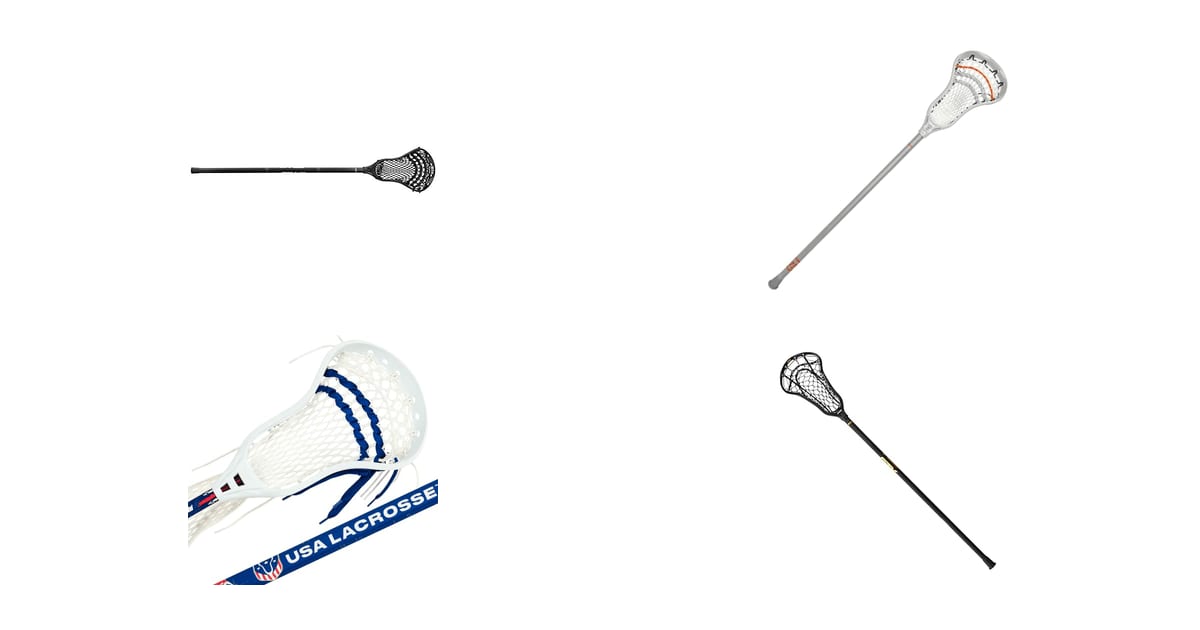
A first lacrosse stick has one job: make the ball stay in the pocket long enough for a kid to learn what cradling feels like. Everything else is secondary. A beginner who can scoop a ground ball and hold onto it through three steps will keep playing. One who drops it every time gets frustrated and quits by week three. That's why pocket quality matters more than shaft material, brand prestige, or anything a product page brags about. A pre-strung complete stick — head and shaft already assembled, mesh already broken in — gets a new player onto the field the same day it arrives.
Here's the honest part: no stick in this category will last long. Kids grow, leagues change rules, and a player who sticks with the sport will want a real head and shaft inside two seasons. Mesh also sags with use, so even a good pocket needs adjusting after a few months of hard play. And the rules are a maze. Boys' and girls' lacrosse use different heads, different legal pocket depths, and different length ranges, and a stick that's perfect for a backyard is sometimes illegal in a sanctioned game. Check with the league before you buy.
We read manufacturer specs, published guidance from USA Lacrosse and the high-school rule books, and owner feedback across six complete sticks and related gear to sort out which ones actually suit a beginner. Fit, pocket forgiveness, and league legality drove every call. We think that the STX Stallion 200 is the best lacrosse stick for most beginners, and that the StringKing Complete 2 Junior is the one to buy if your player is 10 or under and you want the pocket that holds its shape longest.
Everything we recommend
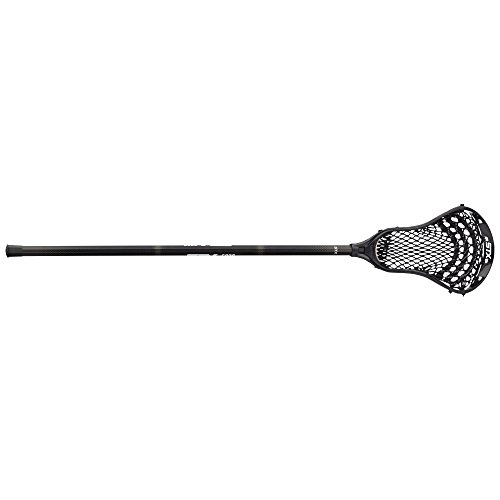
A full-length starter stick that's legal where it counts

The best-holding pocket for a player 10 and under

A real women's stick, if your player has already committed

Fine for the backyard, not for a sanctioned game
At a glance
| Product | Length | Price | ||
|---|---|---|---|---|
| STX Lacrosse Stallion 200 A/M Boys CompleteTop pick | 41 in | Soft mesh | $43.99On sale |
 | WARRIOR Lacrosse BNAC1 Burn Next Complete StickAlso consider | 12 & Under size | — | $45 |
| Franklin Sports USA Lacrosse Aluminum Youth StickBudget pick | 36 in | 10-diamond semi-soft | $59.99 |
| STX Crux Pro Women's Complete Elite LacrosseUpgrade pick | — | Lock Pocket | $199.99 |
| StringKing Complete 2 Junior Boy's Youth 10UAlso great | 38 in shaft | Type 3 mesh | $99.99 |
How we picked
Pocket forgiveness. We prioritized sticks that arrive pre-strung with soft or semi-soft mesh, since owner feedback across every model points to pocket hold as the difference between a kid who keeps playing and one who quits. Sticks needing significant stringing work before first use got marked down.
League legality. We checked manufacturer statements against NFHS and NCAA rules on head width and stick length, plus USA Lacrosse youth guidance. Any stick limited to a specific age bracket or flagged by owners as non-regulation is called out explicitly.
Fit for the player. Shaft length and diameter had to match the age group the stick is sold for. We favored youth-specific shafts for kids under about ten and full-length shafts only where a player can reasonably grow into them.
Boys' vs. girls' rules. Women's lacrosse regulates pocket depth more tightly than the men's game, so we treated girls' sticks as a separate category rather than a variant. We only recommend a women's complete for a girls' or women's team.
Cost versus outgrowing. We weighed each stick against how long a growing player will use it. Premium construction earns its keep only when a player is committed enough to use the stick for more than a season.
Top pickOn sale
A full-length starter stick that's legal where it counts
STX Lacrosse Stallion 200 A/M Boys Complete
The Stallion 200 is a pre-strung complete stick with a soft-mesh pocket and an alloy handle, built on a head shape borrowed from STX's elite men's line. It's light enough for a grade-schooler to swing and legal for NCAA and NFHS play, so it won't get flagged when your player moves up.
$43.99fromAmazonList priceThis is the stick that gets the most kids through their first season. The soft mesh catches easily, which is the whole ballgame for a beginner. Owners buying for 6- and 7-year-olds report their kids grow into the full-length shaft rather than struggling with it, and the head holds the ball through a clumsy cradle. That forgiveness is what keeps a new player from quitting.
The head shape comes from the STX Stallion U550, the company's advanced men's head, scaled and strung for entry-level players. That matters in a practical way. A kid who learns to scoop and shoot with this pocket isn't relearning everything when they upgrade — the geometry feels familiar. STX lists it as meeting NCAA and NFHS rules, so it's legal for school play, not just the backyard.
At 0.8 pounds and 41 inches, it sits in standard attack and midfield territory. The 6000 series alloy handle has tonal memory-marker graphics, which sounds like nothing but actually helps a kid learn consistent hand placement. Owners describe it as sturdy through plenty of checks without bending. For a stick at this end of the market, that's genuinely good.
You'll probably need to tighten the pocket out of the box. Several owners found the pocket shallow and the shooting strings slack on arrival — a ten-minute fix with a YouTube video, not a defect. Once adjusted, feedback turns consistently positive. If you've never touched lacrosse stringing, ask a coach or a teammate's parent to look at it before the first practice.
Flaws but not dealbreakers
The shipped stringing is inconsistent. Some sticks arrive with a usable pocket and some arrive shallow with loose shooters, so plan on adjusting it. That's an annoying thing to discover the morning of a first game.
It's a full-length stick, which means it's too long for most kids under about seven. If your player is in that range, the shorter options here are a better fit. And while the alloy handle holds up, it isn't as light as composite — a stronger player will eventually notice.
Also great
The best-holding pocket for a player 10 and under
StringKing Complete 2 Junior Boy's Youth 10U
StringKing's Complete 2 Junior pairs a 38-inch youth shaft with a Type 3 mesh pocket strung at the factory. The pocket keeps its shape far longer than typical starter mesh, which means less sag, fewer restrings, and a more consistent release for a kid still figuring out mechanics.
$99.99fromAmazonIf the pocket is the most important part of a beginner's stick, this is the pocket to buy. StringKing strings every Complete 2 Junior with Type 3 mesh, and the practical payoff is consistency: the ball sits in the same spot week after week instead of drifting deeper as the mesh stretches. Owners with developing players single out how much easier it is to scoop and cradle with this head.
The shaft is where this one earns its place for younger kids. It's 38 inches instead of a longer adult handle, and it's thinner in diameter, so small hands actually wrap around it. If you've watched a seven-year-old try to control a full-size stick with an adult-width shaft, you know how much this matters. Control improves immediately.
StringKing is clear that this stick is legal for youth league play up to 10U, and nothing beyond that. That's a real limit, not a technicality. For a player in that age bracket, it's a well-matched tool. For anyone older, it's the wrong stick and the league will say so.
Less restringing is a hidden saving. A sagging pocket is the most common reason a parent ends up at a lacrosse shop paying for stringing work mid-season. This mesh holds its shape, which pushes that expense further out — and keeps your kid's throws predictable in the meantime.
Flaws but not dealbreakers
The 10U ceiling is the big one. The moment your player ages past that bracket, this stick stops being league-legal and you're shopping again. If your kid is already nine, you may get one season out of it.
It also costs more than most first sticks, which is a hard sell for a child who might lose interest after a few practices. And the youth-specific shaft isn't something a sibling will inherit unless they're in the same age range.
Upgrade pick
A real women's stick, if your player has already committed
STX Crux Pro Women's Complete Elite Lacrosse
The STX Crux Pro is a complete women's stick with a composite handle and a lightweight head, strung with STX's adjustable Lock Pocket. It's built for attackers and it's the most expensive stick here — the right buy for a girl who's past the trying-it-out stage.
$199.99fromAmazonGirls' and women's lacrosse isn't boys' lacrosse with a different sticker. The pocket rules are stricter — the ball has to stay visible above the sidewall when the stick is held flat — which means women's heads are shallower and demand better technique. Buying a boys' complete for a girl's team is a common and expensive mistake. This is a purpose-built women's stick.
The Lock Pocket is the reason to pick this over a basic women's complete. It comes ready to play and it's adjustable, so a coach can tune the hold as your player's cradle improves instead of fighting a fixed pocket. Owners describe it as easy to scoop with, which is exactly the skill a women's shallow pocket makes hardest for a newcomer.
The composite handle is 7/8 inch with extra grip texture and a molded end cap that can't pull off. Small thing, big annoyance avoided — loose end caps are a weekly irritation on cheaper sticks. Owners consistently call the stick light and well balanced, and more than one notes that whole teams end up carrying it.
Be clear-eyed about who this is for. It's an elite-tier stick made for attacking players, and that's overkill for a kid's first week in a rec clinic. But for a middle-schooler moving into competitive play who already loves the sport, spending here buys equipment that won't need replacing for reasons other than growth.
Flaws but not dealbreakers
The price is the obvious objection, and owners say so plainly — it's a lot to spend on a stick a growing player may outgrow. If there's any chance your daughter tries one season and moves on, start cheaper.
It's also tuned for attackers specifically. A defender or a goalie needs different equipment, so don't assume one complete covers every position on a girls' roster.
Budget pick
Fine for the backyard, not for a sanctioned game
Franklin Sports USA Lacrosse Aluminum Youth Stick
Franklin's 36-inch aluminum youth stick arrives pre-strung with 10-diamond semi-soft mesh and a textured grip, carrying official USA Lacrosse branding. It's the least expensive way to find out whether your kid likes the sport before you commit real money to equipment.
$59.99fromAmazonBuy this one to test the waters, not to play a season. At 36 inches with a light aluminum shaft, it's sized for a kid rather than scaled down from an adult stick, and the pre-strung semi-soft mesh breaks in fast. Owners buying for six- to ten-year-olds consistently describe it as ready out of the box and easy for a small player to swing.
The textured Neo-Grip shaft does more than it sounds like it should. New players slide their hands constantly, and a grippy shaft gives them a reference point for where the top hand belongs. Owners mention that the setup nudges kids toward proper hand placement, which is one of the first habits a coach has to fix.
Here's the catch, and it's the whole story on this stick: at least one owner flags it as a backyard stick rather than a regulation one for real games. Franklin markets it for attack and midfield play, but if your child is joining an organized league, confirm with the coach before the first practice. For driveway catch and park scrimmages, that distinction doesn't matter.
The included QR code links to USA Lacrosse drills and training content. Small bonus, but genuinely useful if you've never played and don't know what to practice with your kid in the yard.
Flaws but not dealbreakers
League legality is the real limitation. Owner feedback suggests it isn't the stick you'd want in a sanctioned game, so treat it as practice and backyard gear unless your league says otherwise.
The 36-inch length is also short for a growing player — a kid will pass through it quickly. And it has far less owner feedback behind it than the Stallion, so there's less signal on long-term durability.
Who this is for
This guide is for parents buying a first stick for a kid in a rec or school league, for adult beginners joining a club, and for middle-schoolers stepping up to competitive play. If that's you, a pre-strung complete stick is almost always the right call — you get a matched head and shaft for less than buying the pieces separately, and you skip the stringing learning curve entirely. Buy now if your player's season starts soon; a stick that needs restringing the week of the first game is a bad week.
Skip these if you're shopping for an experienced player who knows what head and pocket they want, or for a goalie — goalie heads are a different piece of equipment and nothing here covers that position. We also don't cover protective gear, which every player needs and which league rules spell out separately. And one caution: confirm your league's equipment rules before ordering, especially head width for boys' play and pocket depth for girls'. A stick that's legal in one bracket is sometimes illegal in the next one up.
How we picked
We built the shortlist around what actually keeps a new player in the sport. Pocket forgiveness: pre-strung soft or semi-soft mesh that holds a ball through a messy cradle, since a kid who drops everything stops having fun. League legality: manufacturer claims checked against NFHS and NCAA head-width and length rules, with age-bracket limits stated plainly. Fit: shaft length and diameter matched to the player's age, not scaled down from an adult stick. Boys' vs. girls': women's rules regulate pocket depth more tightly, so we treat girls' sticks as their own category. Cost versus outgrowing: premium construction only earns its price when a player will keep the stick longer than one growth spurt.
Other lacrosse sticks for beginners worth considering
If you want a size-specific complete for a player 12 and under: The WARRIOR Lacrosse BNAC1 Burn Next Complete Stick ($45) — Warrior's Burn Next Complete comes in a 12-and-under size, which takes the guesswork out of fit for a middle-school-aged player. Warrior is a mainstream lacrosse brand and the Burn line has a long history, so this is a legitimate third option alongside the STX and StringKing completes. The problem is evidence: this listing has almost no owner feedback, and the page doesn't spell out the head, the mesh, or the shaft material. You're buying on brand reputation rather than on anything specific. If you already know and trust Warrior gear, that may be enough. If this is your first lacrosse purchase, the better-documented picks are the safer choice.
The competition
This is what our research surfaced in this category, not a map of everything for sale. Lacrosse completes turn over frequently and brands rename lines season to season, so a model you saw last spring may no longer be listed. The products below came up in our search but didn't make the picks.
Care and restringing
A beginner's pocket needs more attention than most parents expect. New mesh stretches as it gets wet and takes impact, so check the pocket depth every few weeks — hold the stick flat and see where the ball sits. If it's sagging below the sidewall, tighten the sidewall strings and the shooters. For girls' sticks, the ball has to stay visible above the sidewall, so a sagging pocket can make the stick illegal, not just inaccurate. Let a wet stick air-dry rather than leaving it in a hot car, which hardens mesh and warps plastic heads. Most players need a full restring after a season or two of hard play, and any lacrosse shop will do it. Check the end cap periodically too — a loose one lets the shaft dig into a palm.
Questions we get
What's the best lacrosse stick for a beginner?
A pre-strung complete stick, almost always. You get a matched head and shaft for less than buying them separately, and the pocket is ready to use. For boys' and men's beginners we'd start with the STX Stallion 200; for a girls' team, buy a women's-specific complete.
How long should a youth lacrosse stick be?
It depends on age and position, and leagues set the range. Men's and boys' field sticks have legal minimum and maximum overall lengths, with defensive sticks allowed to be longer than attack and midfield sticks. Youth sticks run shorter — StringKing's 10U complete uses a 38-inch shaft and Franklin's youth stick is 36 inches. Check your league's rule book for the exact range.
Should I buy a complete stick or a head and shaft separately?
Buy a complete for a first stick. It's cheaper, it arrives ready to play, and you don't need to know anything about pockets to use it. Once a player develops a preference for a specific head shape or pocket style — usually after a season or two — buying the pieces separately starts making sense.
What's the difference between boys' and girls' lacrosse sticks?
They're genuinely different equipment. Girls' and women's rules regulate pocket depth so the ball stays visible above the sidewall when the stick is held flat, which makes women's heads shallower and the catching technique different. Boys' rules set minimum and maximum head widths instead. Buy for the game your player is actually playing.
Are expensive lacrosse sticks worth it for beginners?
Usually not. Fit and a forgiving pocket matter far more than brand or construction for a new player, and kids outgrow equipment fast. A mid-priced complete is the sweet spot. Spending up makes sense once a player is committed and has stopped growing through a stick every season.
Can adults use youth lacrosse sticks?
An adult beginner should use a full-length adult stick, not a youth one. Youth sticks like the StringKing Complete 2 Junior have shorter, thinner shafts specifically sized for small hands, and they're often restricted to a youth age bracket for league play. A full-length complete such as the Stallion 200 is the better starting point for a grown-up joining a club.
Why you should trust us
For this guide:
- We read manufacturer specifications and listing details for every complete stick in this guide, including shaft length, head origin and stated pocket type.
- We compared those claims against published NFHS, NCAA and USA Lacrosse guidance on stick length, head width and pocket depth.
- We reviewed recurring themes in owner feedback — shipped pocket quality, shaft weight, grip and league legality — to shape the flaws and caveats above.
- We read owner reviews on every listing, weighted toward the critical ones, because that is where the recurring failures show up.
- We have a systematic way of automatically fetching the latest prices, so the numbers on this page stay current.
- This is a research-focused guide, so the team may not own every product listed — though we often do own the top winners, which gives us extra context for the recommendations.
- We don't accept free products, and the retailer commission never changes which product we recommend.
Sources
US Lacrosse - Equipment and Rules Resources, US Lacrosse
NFHS Lacrosse Rules (stick specifications), NFHS
NCAA Lacrosse Rules and Interpretations, NCAA
US Lacrosse Youth Guidelines, US Lacrosse
STX Lacrosse product pages, STX (manufacturer specs)
Warrior Lacrosse product pages, Warrior (manufacturer specs)
Maverik Lacrosse product pages, Maverik (manufacturer specs)
StringKing product pages, StringKing (manufacturer specs)
Amazon product listings and owner reviews for all 5 products
Manufacturer specification pages for each product
Some passages in this guide may be paraphrased with AI help. Prices are refreshed automatically.
More like this.
Continue exploring undefined reviews and recommendations.

The Best Lightweight Cordless Stick Vacuums
A cordless stick vacuum earns its place by being the vacuum you actually reach for. It hangs on a wall or leans in a closet, and you grab it when the dog…

The Best Yoga Blocks and Props for Beginners
A yoga block is just a brick you can't fall through, and that's the whole point. When your hamstrings won't let your hand reach the floor in Triangle, a…

The Best Cookbooks for Beginner Home Cooks
A beginner cookbook earns its shelf space in the first month. You're standing there with chicken thighs, a hot pan and no plan, and you need one clear…

The Best Turntables for Beginners
A turntable is one of the few gadgets you still operate with your hands. You choose a record, set it down, drop the needle, and then you're committed to…

The Best Kayaks for Beginners
The first hour in a kayak decides whether you'll go back. If the boat wobbles under you every time you shift your hips, you'll spend the whole paddle…

The Best Telescopes for Beginners
The hardest part of owning a telescope isn't the optics. It's finding anything in the dark. You step outside, point the tube at a patch of sky, look…