The Best Pickleball Shoes for Court Support
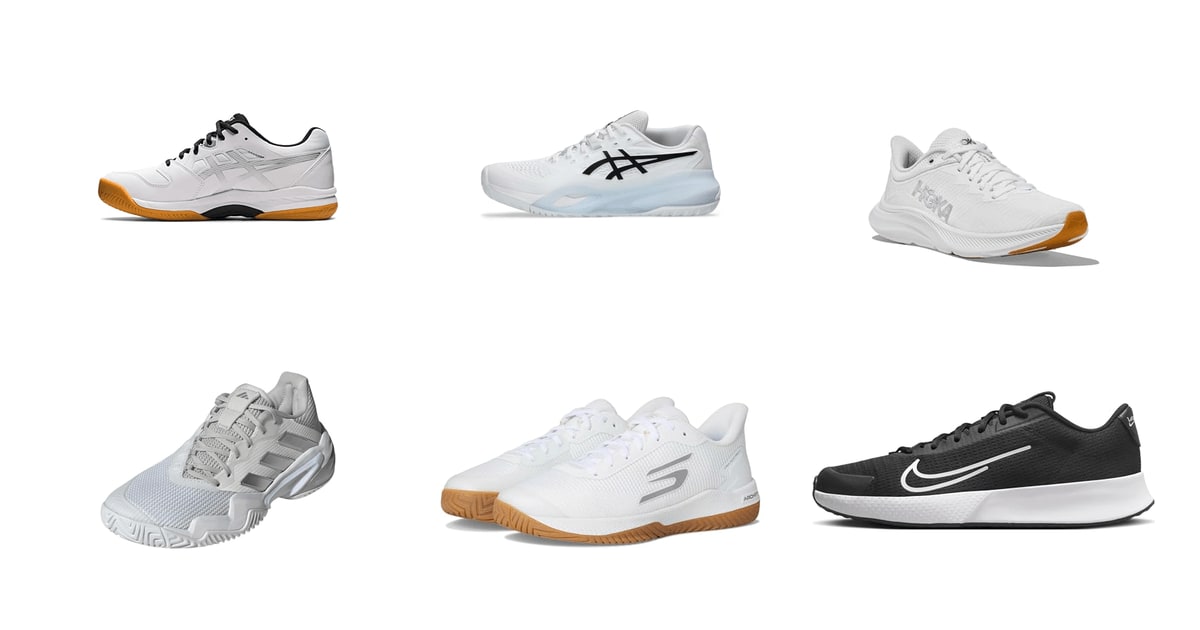
Pickleball looks gentle until you're three steps into a crosscourt dink rally and your foot slides out from under you. The sport is mostly short, sharp side-to-side movement — a split step, a lunge, a scramble back to the line. That's exactly what running shoes handle worst. Their midsoles are tall and soft, built to roll your foot forward, and they let your ankle tip when you cut. A court shoe sits lower, spreads wider under your foot, and holds your heel still. That's the whole idea behind court support.
Here's the honest part: no court shoe is going to save an ankle that's already going over. Stability hardware shifts the odds — it doesn't make you injury-proof. And every shoe here trades something away. The stiff, supportive models feel heavy and need a break-in period. The light, nimble ones wear through at the toe faster, especially on outdoor concrete. Cushioning that saves your knees costs you court feel. You're picking which compromise you'd rather live with, not finding a shoe without one.
We read manufacturer spec sheets, published court-shoe reviews and owner feedback to sort out which shoes earn their stability claims and which just look sturdy. We leaned toward a firm heel counter, a wide base and a real midfoot shank, because those matter more for support than a plush midsole does. Width counted too, since a narrow shoe undercuts every other stability feature it has. We think that the ASICS Gel-RENMA is the best pickleball shoe for court support for most people, and that the Adidas Barricade 13 is the one to buy if you wear through outsoles fast.
Everything we recommend

Steady and grippy, but still light enough to stay quick

Tougher and more locked-in, at the cost of some weight

Roomier and softer, with a little less lateral bite

Maximum lateral support, if you'll put up with a stiff shoe
At a glance
| Product | Stability tech | Outsole | Price | |
|---|---|---|---|---|
| ASICS Men's Gel-RENMA Indoor ShoeTop pick | TRUSSTIC | — | $76.50On sale |
| ASICS Men's Gel-Resolution X Tennis ShoesAlso great | DYNAWALL | — | $139.95On sale |
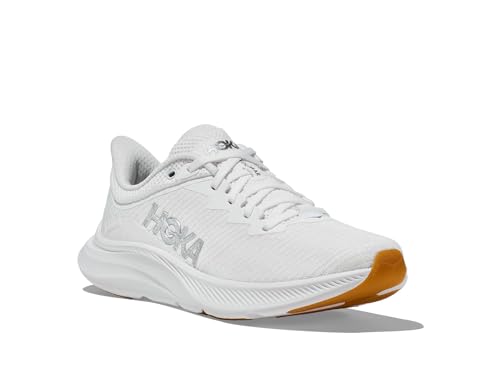 | Hoka Men's Solimar White/White 8 MediumAlso consider | — | — | $132.81 |
| Adidas Women's Barricade 13Runner-up | GEOFIT SENSEPODS | Adiwear | $104.95On sale |
| Skechers Men's Pickleball Viper Court Pro 2.0Budget pick | — | Goodyear Gold | $94.90On sale |
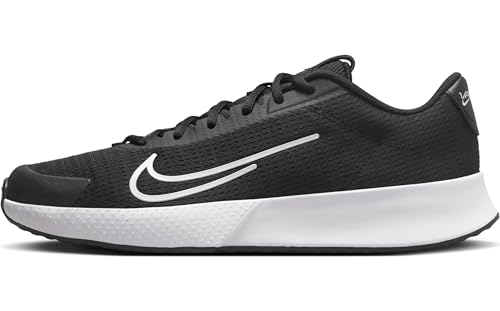 | NikeCourt Vapor Lite 2Also in lineup | Full-length foot frame | — | $70 |
How we picked
Lateral stability. We looked for a firm heel counter, a shank or plate under the arch, and a base that sits wider than your foot. Spec sheets and published court-shoe reviews made it clear which shoes have real structure and which just have stiff-looking overlays.
Traction and grip. We favored court-specific rubber compounds over general-purpose soles. Owner feedback about grip on dusty outdoor courts and polished gym floors broke most of the ties.
Outsole durability. Toe drag is what ends most court shoes. We weighted reinforced forefoot panels and hard rubber compounds heavily, and we read owner reports on how long soles survive several sessions a week.
Fit and width. A narrow shoe cancels out its own stability features. We checked each manufacturer's fit notes and looked for repeated owner patterns around toe-box room and width.
Cushion vs court feel. Support shoes shouldn't feel like boards. We wanted enough forefoot cushioning to get through a two-hour session without stacking the midsole so high that it gets tippy.
Top pickOn sale
Steady and grippy, but still light enough to stay quick
ASICS Men's Gel-RENMA Indoor Shoe
This is ASICS' indoor-court shoe, and it covers the things that matter for support: a TRUSSTIC plate under the arch, a wrap-up outsole that flares wider than your foot, and forefoot GEL under the ball. It runs narrow, so skip it if you need width.
$76.50fromAmazonList priceThe Gel-RENMA gets the support fundamentals right without feeling like a brick. The TRUSSTIC piece under the arch resists twisting, so the shoe doesn't fold when you push off sideways. The outsole wraps up the sidewalls and sits on a wider gauge than your foot, which gives you something to land on when you lunge wide for a ball you probably shouldn't chase. You feel planted rather than propped up.
It's an indoor-court design first, and that shows in how it moves. Flex grooves cut into the outsole let you roll onto your toes and shuffle without fighting the shoe. Forefoot GEL sits under the ball of your foot, where you take the worst of a hard stop. Your heel stays low and close to the ground, which is most of what separates a court shoe from the trainers you've been playing in.
Compared with the Barricade, this is a less dramatic shoe. No heel pod system, no armor plating, nothing that announces itself. But synthetic leather overlays cover the high-wear zones on the upper, and the build is conventional in a good way — there's not much exotic here to break down. For a recreational player putting in two or three sessions a week, that's enough shoe.
If you play indoors on a gym floor, this is the easy call. The outsole is built for that surface, and the wrap-up shape grips without the awkward stick-and-slip you get from a lugged running sole. It works outside too, though exposed concrete chews through any court outsole faster than tile does. If you split your time evenly, two pairs will outlast one.
Flaws but not dealbreakers
The fit is the problem. ASICS says outright that this shoe runs narrow, and a narrow shoe is a worse stability shoe — if your foot spills over the edge of the midsole on a hard cut, none of the support hardware can do its job. If you normally buy wide, look at the Skechers instead.
It's also fairly plain underfoot. The GEL is in the forefoot only, so heel landings feel firmer than they do in the Hoka. Players with cranky knees or heel pain will probably want more foam than this.
Runner-upOn sale
Tougher and more locked-in, at the cost of some weight
Adidas Women's Barricade 13
The Barricade is for players who destroy outsoles. Adiwear rubber is about as hard-wearing as court rubber gets, foam Sensepods pack out the gaps around your heel, and the whole shoe holds your foot in place through hard changes of direction.
$104.95fromAmazonList priceBarricades have been the durability benchmark in court shoes for a long time, and this version keeps the reputation. The Adiwear outsole uses a hard compound built for high-wear areas, which matters if you're on outdoor concrete several times a week. Toe drag is what ends most court shoes, and this one holds out longer than the lighter models here. You pay for that in weight, not in sole life.
Lockdown is the real reason to buy it. The GEOFIT Sensepods are foam pads in the heel collar that fill the empty space around your ankle bones, so your heel doesn't lift and slide inside the shoe. That's the difference between support you can feel and support that only exists on the spec sheet. Owners playing indoor pickleball consistently describe the grip as sticky, with no skating on gym floors.
The REPETITOR midsole keeps it from feeling dead. It's a lighter foam than older Barricades used, and there's enough give that two hours doesn't leave your heels aching. Still, this is a firm shoe by current standards. You get court feel and a stable platform instead of plushness, which is the right trade in a support shoe.
Owner feedback skews toward people with medium-to-wide forefeet who finally found something that fits, and plenty of them come back for a second pair. A few report calluses along the outer edge of the upper, which suggests the toe box is roomy but the midfoot isn't especially wide. Try it on in person if you have the option.
Flaws but not dealbreakers
It's heavy. The Barricade carries more material than anything else here, and a quick, light-footed player who likes feeling the court will find it like overkill. Coming straight from running shoes, expect a few sessions before it stops feeling clunky.
Adidas sells this as a tennis shoe, not a pickleball model, so you're buying on transferable qualities — grip, lockdown, outsole life — rather than on anything designed around pickleball specifically. That's fine in practice, but it means no pickleball-oriented fit tweaks.
Budget pickOn sale
Roomier and softer, with a little less lateral bite
Skechers Men's Pickleball Viper Court Pro 2.0
Skechers builds this one for pickleball specifically, with a Goodyear Gold outsole meant for controlled slides and an Arch Fit insole carrying the APMA Seal of Acceptance. It's the pick if you want a court shoe that feels broken in on day one.
$94.90fromAmazonList priceThis is the shoe to start with if you've never owned court shoes. It's forgiving. The ULTRA GO foam midsole is soft enough that the switch from walking shoes barely registers, the mesh upper has give, and owners consistently report no break-in at all. Handing a brand-new player a stiff tennis shoe is how a lot of people decide court shoes aren't for them.
The outsole is the part that surprises people. Goodyear makes the compound, and it's built to let you slide in a controlled way rather than grab and stop you dead. Owner feedback is good on both indoor tile and outdoor hard courts, and several people playing three or four times a week report the soles lasting around a year before giving up.
Width is the other reason it makes the list. The toe box is genuinely roomy, and owners with D-width feet describe real space without the shoe feeling sloppy around the midfoot. The Arch Fit insole lifts out, too, so if you wear orthotics you've got somewhere to put them. That's not true of every court shoe on this page.
It's also the most convenient shoe here for someone who plays a few other things. Skechers lists it for padel and tennis as well, and the outsole pattern is general enough to work across those. If pickleball is one of three sports in your week, this spares you from owning three pairs.
Flaws but not dealbreakers
The support is good, not great. A soft midsole and a forgiving upper mean more side-to-side give than you get from the Barricade or the Gel-Resolution X, and players who cut hard will feel the shoe shift under them. If you've sprained ankles before, spend more and buy the stiffer shoe.
Fit feedback runs in both directions — some owners say it runs small, others say it's generous, and a few with genuinely wide feet report rubbing at the outer forefoot. Several also mention the sole leaving marks on indoor courts when new. It scrubs off, but it can annoy whoever runs the gym.
Also greatOn sale
Maximum lateral support, if you'll put up with a stiff shoe
ASICS Men's Gel-Resolution X Tennis Shoes
The Gel-Resolution line is the reference point for lateral stability in court shoes, and the X adds DYNAWALL sidewalls and a two-piece midsole for steadier landings. Buy it if your ankles are the reason you went shopping in the first place.
$139.95fromAmazonList priceIf you've rolled an ankle before, this is the shoe we'd point you to. DYNAWALL stiffens the sidewall so the upper resists folding over the midsole when you plant hard. The two-piece midsole widens the landing platform underneath you, and DYNALACING pulls the midfoot tight so your foot stays put. Owners new to court sports describe the stability as obvious within the first session.
Durability is the other half of the pitch. AHARPLUS is ASICS' hard-wearing outsole rubber, and PGUARD armors the inside forefoot where toe drag does its damage. Owners playing six to eight hours a week on outdoor courts report getting about a year out of a pair before the sole wears through, which sits at the good end of what court shoes manage.
All that structure has a cost, and you'll feel it. This is a stiff, substantial shoe, and some owners find it heavy and hard underfoot — welcome if you need the support, tiring if you don't. Give it a couple of sessions before judging; it softens up, but it never becomes a casual shoe.
It's a tennis shoe rather than a pickleball model, which matters less than you'd think. Pickleball's movements are tennis movements compressed into a smaller box, and an all-court tennis outsole works fine on a pickleball court. Owners use this one for both and don't report any trouble switching back and forth.
Flaws but not dealbreakers
Sizing is a mess. ASICS says to go down half a size and owner reports back that up, but the shape is also pointy through the toe, and several owners with wide feet say it pinches across the top no matter which size they order. Buy somewhere with easy returns.
Fans of the previous Gel-Resolution generation are the harshest critics here. Some report the padding and comfort feel worse than the model it replaced, even though the stability is still there. If the older version suited your foot, this isn't an automatic upgrade.
Who this is for
This guide is for anyone playing pickleball on a hard surface more than once in a while who's still wearing running shoes, cross-trainers or whatever was by the door. If your ankles have gone over before, if your knees complain by the second hour, or if you're just tired of sliding at the kitchen line, a court shoe is one of the few easy fixes that genuinely works. Beginners count too — you don't have to earn court shoes by getting good first.
We're covering low-top court shoes for hard courts, indoor gym floors and sport court tile. We're not covering clay-specific soles, high-tops, or running shoes — including the ones marketed as stability runners, since stability for forward motion means something different from stability in a side-to-side cut. If you play a few times a year on a driveway, your current shoes are probably fine, and nothing here will change your life.
How we picked
Lateral stability: a firm heel counter, a shank or plate under the arch, and a base wider than your foot — the things that keep you upright on a hard cut. Traction: court-specific rubber that grips dusty outdoor concrete and smooth gym floors without grabbing so hard it twists your knee. Durability: reinforced forefoot panels and hard compounds, because toe drag is what kills these shoes first. Fit and width: manufacturer fit notes and repeated owner patterns, since a narrow shoe undoes its own support. Cushioning: enough to carry you through a long session, not so much that the midsole gets tall and unstable.
Other pickleball shoes for court support worth considering
If you want a softer ride for sore joints: The Hoka Men's Solimar White/White 8 Medium ($132.81) — The Solimar is Hoka's court shoe, and it brings what you'd expect from the brand — more foam under you than anything else here, sitting on a base wide enough to stay steady. That's genuinely useful if you're older, carrying a bit more weight, or playing on heels and knees that hurt by the second game. The trade is feedback. You sit higher off the ground, and quick players will find it less precise than the Gel-RENMA when they need to change direction in a hurry. The listing is also thin on detail and there's far less owner feedback to lean on than for our picks, so you're buying partly on Hoka's reputation rather than a documented stability package.
The competition
This is what our research turned up, not a map of the whole market. Court shoe lineups turn over fast, and plenty of capable models from other brands weren't in the set we could confirm. Here's the one shoe we looked at closely that didn't make the cut.
The NikeCourt Vapor Lite 2 ($70) — The NikeCourt Vapor Lite 2 is the lightweight, low-profile option in this group, and on paper it does the right things: a herringbone outsole for grip that still lets you slide, a molded rubber overlay at the toe to fight drag, and a full-length foot frame along the outside edge to steady quick cuts. It's a sensible pick if you hate feeling weighed down and you already know Nike court shoes fit your foot. But it's a lighter-duty build than the Barricade or the Gel-Resolution X, with less structure for anyone who actually needs ankle support, and there's very little owner feedback on this listing to tell us how it holds up. For a similar low-slung feel with more support underneath, we'd take the Gel-RENMA.
Care and replacement
Court shoes die from the sole up, and the outsole usually goes first — check the forefoot and the inside edge near your big toe, where drag flattens the tread. Common guidance from sports-medicine sources is to replace court shoes every six to twelve months of regular play, or roughly 45 to 60 hours on court, whichever comes first. Don't wait for holes. Once the tread goes smooth you lose grip, and once the midsole packs out you lose the stable base you paid for. If you play both indoors and outside, two pairs will stretch the life of each, because concrete is much rougher on rubber than tile is. And keep them out of the dryer — heat warps midsoles and loosens glue.
Questions we get
Can I wear running shoes to play pickleball?
You can, but it's the worst shoe choice for the sport. Running shoes are built for forward motion, with tall, soft midsoles that compress unevenly the moment you move sideways — which is most of what pickleball asks of you. That height and softness let your ankle tip further than it should. Sports-medicine guidance consistently flags lateral support as the thing court sports need and running shoes don't provide.
Are tennis shoes good for pickleball?
Yes. Tennis and pickleball ask for the same movements — split steps, lateral slides, hard stops — and tennis shoes have been built around them for decades. Two of our picks are tennis models. Just buy a hard-court or all-court outsole rather than a clay-specific one, and check that the sole is non-marking if you play on indoor gym floors.
What's the best pickleball shoe for wide feet?
The Skechers Viper Court Pro 2.0 is the easiest call; owners with wide forefeet single out the toe-box room again and again, and the insole lifts out if you need more depth. Skip the Gel-RENMA, which ASICS itself says runs narrow, and be cautious with the Gel-Resolution X and its pointy toe shape. A shoe that squeezes your foot is a worse stability shoe, whatever the spec sheet claims.
Are high-top shoes better for preventing ankle sprains?
Not as much as people assume. A firm heel counter, a wide base and a locked-down midfoot do more for you than collar height does, and a taller cuff can restrict the ankle motion you need to move quickly. If you have a history of sprains, you'll likely get more out of a stiff low-top like the Gel-Resolution X paired with a proper ankle brace.
Are indoor and outdoor pickleball shoes different?
The outsole is the difference. Indoor courts call for softer, non-marking rubber that grips a smooth gym floor, while outdoor concrete shreds that compound and rewards harder rubber like Adiwear or AHARPLUS. Most of our picks are all-court designs that handle both. If you split your time evenly, two pairs will outlast one pair worn everywhere.
How often should I replace my pickleball shoes?
Common guidance is every six to twelve months of regular play, or about 45 to 60 hours on court. Heavy players on outdoor concrete land at the short end of that range; once-a-week indoor players stretch it out. Judge by the outsole tread and whether the midsole still feels springy, not by how clean the upper looks.
Why you should trust us
For this guide:
- We compared manufacturer spec sheets and listing details for every shoe here, focusing on the stability hardware — heel counters, midfoot shanks, sidewall reinforcement and outsole compounds.
- We read published court-shoe reviews and sorted owner feedback for recurring themes around fit, width, grip and how quickly the outsoles wear.
- We set aside listings that turned out to be running shoes or junior sizing rather than adult court shoes.
- We read owner reviews on every listing, weighted toward the critical ones, because that is where the recurring failures show up.
- We have a systematic way of automatically fetching the latest prices, so the numbers on this page stay current.
- This is a research-focused guide, so the team may not own every product listed — though we often do own the top winners, which gives us extra context for the recommendations.
- We don't accept free products, and the retailer commission never changes which product we recommend.
Sources
Best Pickleball Shoes - Wirecutter (NYT), Wirecutter
Best Pickleball Shoes - RunRepeat, RunRepeat
Best Pickleball Shoes - Pickleball Magazine / Pickleball Union / Pickleball Effect gear tests, Pickleball Union
Tennis Warehouse Playtests - Gel-Resolution 9 / Barricade 13, Tennis Warehouse
Pickleball injury research (Journal literature / NIH PubMed), NIH PubMed
2025/2026 Pickleball Participation Report - SFIA / APP, SFIA / Association of Pickleball Professionals
Foot and ankle injury guidance - American Podiatric Medical Association, APMA
Pickleball Injuries - American Academy of Orthopaedic Surgeons (OrthoInfo), AAOS OrthoInfo
Manufacturer specs - ASICS Gel-Renma / Gel-Resolution 9, ASICS
Manufacturer specs - Hoka Solimar, Hoka
Amazon product listings and owner reviews for all 6 products
Manufacturer specification pages for each product
Some passages in this guide may be paraphrased with AI help. Prices are refreshed automatically.
More like this.
Continue exploring health reviews and recommendations.

The Best Lumbar Support Cushions
Your chair's backrest is flat. Your lower back isn't. A lumbar cushion fills that hollow just above your beltline so your spine keeps its natural inward…

The Best Pickleball Ball Machines
A ball machine is the only practice partner that never gets tired, never checks its phone, and never wants to just play games instead of drilling. That's…

The Best Pickleball Sets for Your Backyard
A pickleball set lives or dies on how fast you can get it out of the closet. If the net takes twenty minutes to assemble, you'll play twice all summer. If…

The Best Pickleball Gear for Beginners
Pickleball is easy to start and hard to shop for. You show up at a public court, borrow somebody's spare paddle, have a great time, and then discover…

The Best Running Shoes for Men and Women
A running shoe is the only piece of gear that touches you on every single stride. Over an hour-long run that's thousands of landings, and a shoe that's…

The Best Climbing Shoes for Beginner Boulderers
Your first pair of climbing shoes changes how bouldering feels. Rental shoes are soft, stretched out and shaped by a hundred other feet. Your own pair…