The Best Climbing Shoes for Beginner Boulderers
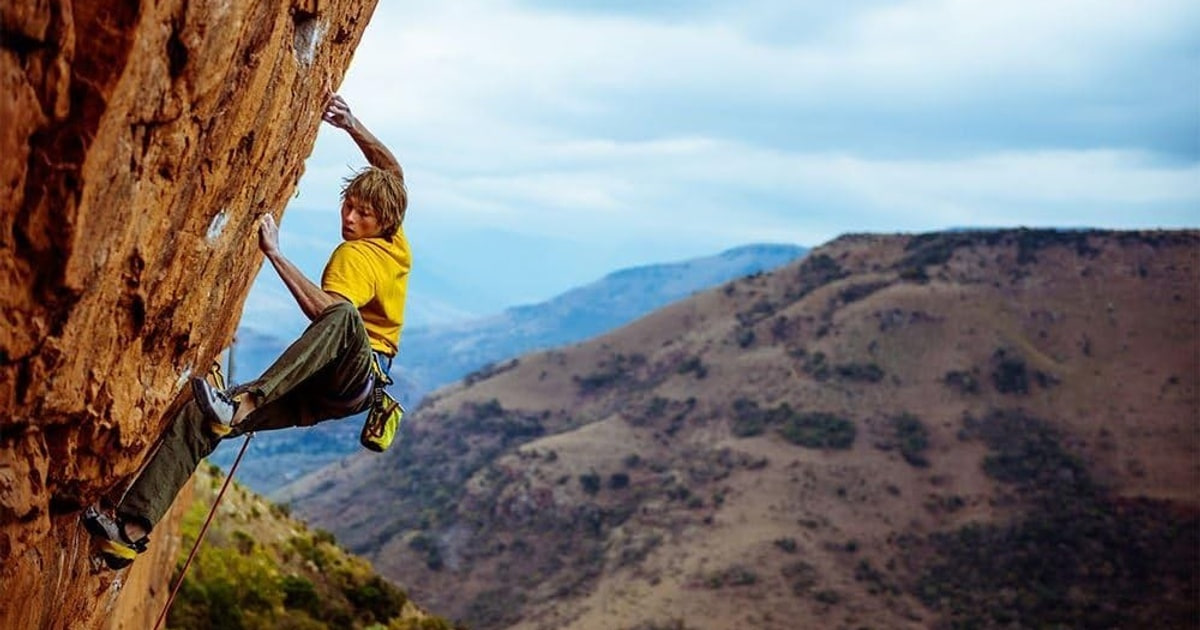
Your first pair of climbing shoes changes how bouldering feels. Rental shoes are soft, stretched out and shaped by a hundred other feet. Your own pair holds your heel, keeps your toes where you put them, and lets you trust a small foothold instead of scrabbling at it. But the shoe that helps a beginner isn't the pointy, banana-shaped thing the strong kid in your gym wears. You want something flat, snug, and comfortable enough that you'll actually keep it on between problems.
Here's the honest part: no beginner shoe does everything, and fit beats every spec on the box. The same model can feel perfect on one foot and like a vise on another. Sizing advice swings wildly between brands — some run big, some run small, and almost none match your street shoe. Soft, comfortable shoes smear well and edge poorly. Stiffer shoes do the reverse. Nothing here escapes that trade-off, so buy from somewhere with easy returns and plan on sending a pair back.
We focused on the shoes beginners actually get pointed toward: flat or mildly cambered models from the big climbing brands, the kind most first pairs come from. We read manufacturer fit guidance, compared spec sheets for last shape and rubber, and looked for repeated themes in what owners say after a few months of gym sessions. We think that the La Sportiva Tarantula is the best climbing shoe for beginner boulderers for most people, and that the Scarpa Origin is the one to buy if you have wide feet or your toes are the reason you stop climbing.
Everything we recommend

Comfortable and forgiving, with enough edge to keep improving on

A roomier, flatter shoe for wide feet and sore toes

A slightly more cambered starter shoe, if sizing cooperates

More edge and sensitivity for someone progressing fast
At a glance
| Product | Closure | Fit and sizing | Price | |
|---|---|---|---|---|
| EVOLV Defy Rock Climbing Shoes - Gray/BlackBudget pick | Strap | — | $119 |
| La Sportiva Mens Tarantula Rock Climbing ShoesTop pick | — | Size down 1 full size | $118.95 |
| SCARPA Men's Origin Rock Climbing Shoes -Runner-up | — | — | $128.95 |
 | La Sportiva Mens Finale Rock Climbing ShoesAlso consider | — | Size down 1/2 | $138.95 |
 | Butora Endeavor Climbing ShoeAlso consider | Hook-and-loop | Narrow fit | $93.32 |
 | Tenaya Mundaka Climbing Shoe Green/Black Mens 8.5/WomensAlso in lineup | Hook and loop | — | $214.99 |
| SCARPA Men's Veloce Rock Climbing Shoes -Upgrade pick | — | Wide toe box | $158 |
How we picked
Fit and foot shape. We read each manufacturer's own fit notes for last width, volume and asymmetry, and kept shoes that are described as fitting a range of feet rather than one narrow ideal. Anything built for a specialist foot shape went to the back of the line.
Flat over aggressive. Retailer and brand guidance for new climbers points the same way: flat or mildly downturned, not aggressive. We only considered shoes whose spec sheets describe a flat last or slight camber.
Closure and on-off. Bouldering means taking your shoes off every few minutes, so we gave weight to hook-and-loop closures and pull tabs. Lace-ups stayed in the running for people who want a more precise fit and don't mind the extra fuss.
Stiffness and rubber. We compared midsole construction and rubber compound across listings, looking for enough torsional stiffness to stand on a small foothold without the shoe folding. Durable rubber mattered more than the stickiest possible compound.
Sizing clarity. Brands disagree wildly about how to size, so we checked each shoe's published advice against the themes in owner feedback. Shoes where the two line up are far easier to buy online.
Top pick
Comfortable and forgiving, with enough edge to keep improving on
La Sportiva Mens Tarantula Rock Climbing Shoes
A flat, leather, two-strap shoe that fits a lot of different feet without punishing beginner footwork. It smears fine on big gym volumes, edges better than most soft starter shoes, and the straps come off fast between burns.
$118.95fromAmazonThe Tarantula is the safest first pair you can buy. La Sportiva builds it on a flat last with a rounded forefoot and higher volume, which is a polite way of saying it's shaped to fit a lot of different feet instead of one ideal foot. For a beginner, that matters more than anything on the spec sheet. You can stand flat-footed on a big gym volume for a whole session without your toes screaming.
Two hook-and-loop straps handle the part of bouldering nobody warns you about: you'll pull these off and put them back on a dozen times a session. There are two heel pull-tabs and a tongue tab, so you're not wrestling with the heel while your partner waits. The straps also let you run them loose while you rest and cinch them down for an attempt.
The upper is all leather and unlined, with a stretch insert that conforms to your forefoot. It softens over the first few sessions, which is why La Sportiva says the shoe runs big and tells you to size down a full size from your street shoe. Owners broadly agree, and plenty land another half size below that once the leather settles in.
The rubber is the part that quietly earns its keep. FriXion RS is grippy without feeling gummy, and La Sportiva wraps an aggressive rand around the heel for heel hooks. A thin LaSpoFlex midsole gives the shoe real torsional stiffness, so when you step onto a tiny screw-on foothold, it doesn't just fold under you. That's unusual in a shoe this comfortable.
Flaws but not dealbreakers
Sizing is the whole game here, and it's genuinely confusing. The shoe runs big, the leather stretches, and owner reports scatter across a size and a half as people chase the right fit. If you can't try a pair on in a shop, order from somewhere that makes returns painless and expect to swap at least once.
It's a comfort shoe, and that ceiling is real. On steep overhangs where you need to pull in with your toes, the flat last and soft forefoot give you nothing to hook with. A few owners have also received pairs that arrived chalky and scuffed rather than new, so look the shoes over before you climb in them.
Runner-up
A roomier, flatter shoe for wide feet and sore toes
SCARPA Men's Origin Rock Climbing Shoes -
A wide, high-volume, flat-lasted shoe for people whose feet don't fit anything. The heel system spreads pressure instead of digging into your Achilles, and the sole makes smearing on slabby gym walls feel obvious rather than like a leap of faith.
$128.95fromAmazonIf your first few sessions ended with you ripping your shoes off at the mat, the Origin is the fix. Scarpa builds it flat-lasted with a wide last, high volume and only slight asymmetry — a shoe shaped around a normal human foot. It also spreads heel tension across the whole heel pocket instead of loading one spot on your Achilles, which is where a lot of beginners hurt first.
Comfortable doesn't mean useless on the wall. The flat profile puts your whole foot on the hold, and owners consistently mention how much the rubber grabs when you smear — the kind of thing you notice on a slab problem where there's no edge to stand on at all. For learning to weight your feet and trust friction, that's exactly the feedback you want.
Sizing runs the opposite direction from most climbing shoes, and Scarpa says so plainly: it runs small, and street shoe size or larger is the recommendation. Owner reports back that up, with most landing at street size or a half up. If you've absorbed the generic advice to size down two from your sneakers, ignore it here.
The leather upper stretches with wear, so a pair that feels snug-but-fine on day one usually settles into something you can wear for a full session. That's the trade for a shoe with this much room: it gets roomier. Buy it tight enough that there's no dead space at your toes and let it come to you.
Flaws but not dealbreakers
The conflicting sizing advice makes this a hard shoe to order blind. Runs small, stretches later, and the sweet spot is narrow. Owners describe going through two attempts before landing it, which is fine with free returns and miserable without.
It's soft and vague on small edges, and owners who progress past beginner problems tend to say the same thing: great through the first stage, limiting after it. If you're climbing three or four times a week and improving fast, you'll feel the shoe hold you back within a year.
Budget pick
A slightly more cambered starter shoe, if sizing cooperates
EVOLV Defy Rock Climbing Shoes - Gray/Black
A strap shoe with slight camber and more asymmetry than most entry-level models, so it points your toes a little without turning into a performance shoe. Sizing is the catch: Evolv tells you to add sizes rather than drop them, and owners say go further still.
$119fromAmazonThe Defy is a starter shoe with a bit of ambition. Evolv gives it slight camber and more asymmetry than a typical flat beginner shoe, which puts a little more of your weight over your big toe. The strap version is softer than the lace-up, so you get more sensitivity through the sole. On Evolv's own 1-to-10 scale it sits at 4 — versatile for both smearing and edging.
For gym bouldering, that mix works. You'll feel the texture of a volume under your foot, and the mild camber helps on the slightly overhanging problems where a dead-flat shoe starts sliding off. It's still forgiving enough that your arches aren't cramping by the third problem. Think of it as half a step toward a real performance shoe.
Sizing deserves its own paragraph. Evolv says its shoes aren't designed to be downsized at all: street size for the tightest performance fit, a half to a full size up for a snug fit, more than that for comfort. Owners go further — most who are happy with theirs went a full size or two above their street shoe, and the people who ignored that returned them.
Flaws but not dealbreakers
Even with the warnings, the length catches people out. Some owners went two sizes up and still called them snug; others went up one and crushed their toes. If you have long toes or a high-volume foot, treat the first pair as a fitting and keep the box.
Camber and asymmetry are less forgiving than a flat last on a long session, so if your footwork is still raw and you're climbing for two hours, the flatter shoes here will treat you better. Evolv also sells low-volume and medium-volume versions, so pick deliberately rather than taking whatever's in stock.
Upgrade pick
More edge and sensitivity for someone progressing fast
SCARPA Men's Veloce Rock Climbing Shoes -
A softer, more technical gym shoe with a wide toe box, aimed at beginners already climbing harder than their first pair allows. You get better edging and more feel underfoot; you give up some rubber life, and it costs more than the rest of our picks.
$158fromAmazonScarpa says what this shoe is for: the gym, and climbers moving from beginner to intermediate who want something more technical that still works for a long session. The wide toe box is the part that makes that possible. Most shoes get precise by getting narrow, and your toes pay. This one keeps room across the front of your foot.
Buy it if you're already outgrowing your first pair. The classic beginner trap is replacing worn-out rentals with another comfort shoe and then hitting the same wall six months later. If you're climbing a few times a week and your feet keep popping off small holds, a softer, more sensitive shoe with a real edge is the upgrade that actually changes what you can stand on.
The breathable construction matters more than it sounds for indoor climbing. Gym sessions are long, warm and repetitive, and a shoe you can leave on between problems is a shoe you'll use more. This one is built for exactly that pattern rather than for a day of multi-pitch.
Flaws but not dealbreakers
Owner feedback on this one is more mixed than on our other picks — some people love the fit and others clearly didn't get along with it. Scarpa also publishes less detail about the build than it does for the Origin, so there's less to go on before you try a pair.
It's the most expensive shoe among our picks, and softer technical shoes wear through at the toe faster than stiff comfort shoes. As a true first pair it's a gamble: while your footwork is still rough, you'll drag the toe rubber off a sensitive shoe quickly and learn less than you would in something more forgiving.
Who this is for
This guide is for someone who has climbed in rentals a few times and is ready to stop. If you're going more than once or twice a month, your own shoes will do more for your climbing than any other purchase, because rentals are soft, blown out and sized for nobody in particular. If you've been exactly twice and aren't sure the sport will stick, keep renting a little longer — a shoe that sits in a closet is wasted either way. We stuck to flat and mildly cambered shoes for gym bouldering, mostly in men's or unisex sizing. Aggressive performance shoes, approach shoes, trad and multi-pitch shoes, and kids' sizes are out of scope.
Foot shape should drive your choice more than brand loyalty. Wide or high-volume feet should start with the Scarpa Origin or the Scarpa Veloce, both of which are built with room across the toes. Narrow feet have fewer options, which is why the Butora Endeavor's separate narrow fit is worth a look. Parents buying for a teen should size for a shoe that will be snug now and outgrown in a year, and should expect to replace it rather than resole it. And if you're buying online at all, buy from a retailer with painless returns — fit varies enough by brand that one order rarely does it.
How we picked
We built the list around what actually keeps a new boulderer climbing. Fit: we read each brand's own last, width and volume notes and favored shoes described as fitting a range of feet. Shape: flat or slightly cambered only, because retailer and manufacturer guidance for beginners is consistent on this and aggressive shoes punish developing footwork. Closure: hook-and-loop earned points for coming off fast between problems, with lace-ups kept in for anyone who wants a more precise fit. Stiffness and rubber: we compared midsoles and rubber compounds for enough torsional support to hold a small foothold, plus rubber that survives gym mileage. Sizing clarity: shoes whose published sizing advice matches the themes in owner feedback are far easier to order without trying them on.
Other climbing shoes for beginner boulderers worth considering
If you want laces instead of straps: The La Sportiva Mens Finale Rock Climbing Shoes ($138.95) — The La Sportiva Finale is the comfort-first lace-up, and full-length lacing is genuinely useful if your foot is an awkward shape — you can snug the midfoot and leave the toes alone, which straps can't do. The upper is soft unlined leather that molds to you, the padded mesh tongue is built for long days, and the half sole of Vibram XS Edge resoles easily. It's the pick if you're heading outside onto routes as well as boulders. What you give up is speed: lacing up fifteen times a session gets old fast at a bouldering gym. La Sportiva also says this one runs big, so order a half size down.
If you have narrow feet: The Butora Endeavor Climbing Shoe ($93.32) — Butora sells the Endeavor in separate narrow and wide fits, and this listing is the narrow one — a rare and genuinely useful option if every shoe you try leaves gaps along the sides of your foot. The microsuede upper with hemp lining barely stretches, so what you buy is what you keep, and a 3D injection-molded ABS midsole makes it one of the stiffer, more supportive shoes here. That suits standing on edges and heavier climbers. The trade-offs: Butora's NEO Fuse rubber doesn't have the reputation of Vibram or FriXion, one owner found the grip a little weaker than hoped, and a stiff shoe feels dead when you're learning to smear. Butora is also a smaller brand, so there's less written about this shoe than about the La Sportiva and Scarpa models.
The competition
This is what our research surfaced for beginner bouldering, not a census of the market. Plenty of good starter shoes aren't here, and neither are the women's-specific or low-volume versions of the models above, which often fit better if a standard shoe swims on your foot. Here's the shoe we looked at closely and set aside, and why.
The Tenaya Mundaka Climbing Shoe Green/Black Mens 8.5/Womens ($214.99) — The Tenaya Mundaka is the nicest shoe in this group and the hardest one to recommend to a beginner. It pairs a leather-and-microfiber upper with a cotton TXT lining, a doubled midsole, Tenaya's Draxtor hook-and-loop system and Vibram XS Grip rubber — soft, sticky and clearly built for people who already know what they want from a shoe. Owners with wide feet and very large feet report it fits them where other brands don't, and that the toe rubber lasts. It lost to our picks on two counts: it costs more than they do, and Tenaya sizing runs so small that some owners drop two full sizes to get it right, which is a rough way to start buying climbing shoes online. If you've already put a season into rentals and know your foot well, it's a reasonable first purchase.
Break-in and care
New climbing shoes feel wrong for the first few sessions, and that's normal. Snug and slightly uncomfortable is the target. Sharp pain, numb toes or a pinched Achilles is not — that's the wrong size or the wrong shape, and no amount of break-in fixes it. Wear them in short stretches, take them off between problems, and give a leather upper a few sessions to mold before you decide. Skip socks unless you're sharing shoes or your heel slips. Air them out after every session, because a damp shoe in a sealed bag is how climbing shoes start to smell permanently. When the toe rubber wears thin but the upper's still intact, get them resoled instead of replaced — it costs a fraction of a new pair.
Questions we get
How tight should beginner climbing shoes fit?
Snug everywhere, with no dead space at the toes, but not painful. Your toes should touch the end and may curl slightly; they shouldn't be crushed or going numb. If you can't keep the shoe on for ten minutes at the gym, it's too small. Pain isn't a sign of a performance fit — it's a sign you'll climb less.
Should beginners buy aggressive or flat climbing shoes?
Flat, or at most slightly cambered. Retailer and manufacturer guidance for new climbers is consistent on this. Aggressive downturned shoes are built to pull on steep overhangs, and they're uncomfortable and unhelpful while you're still learning to weight your feet on slabs and vertical walls. Save the banana shape for when you can tell the difference.
Do I need Velcro, lace-up or slipper shoes for bouldering?
Hook-and-loop straps are the easy default for bouldering. You'll take your shoes off between problems constantly, and straps make that painless. Lace-ups give you a more precise fit across an awkward foot and are worth it if you're also climbing routes. Slippers are the most sensitive and the least supportive, which is the wrong trade for a beginner.
What size climbing shoe should I buy compared with my street shoe?
There's no single answer, which is why this trips people up. Climbing shoes generally run tighter than street shoes, often a half to two sizes down, but it varies a lot by brand and model. In this guide alone, La Sportiva says the Tarantula runs big and to size down a full size, Scarpa says the Origin runs small and to go street size or larger, and Evolv says not to downsize its shoes at all. Read the specific model's guidance and order from somewhere with easy returns.
Are rental shoes good enough for a beginner?
For your first few visits, yes. After that they hold you back. Rentals are soft, stretched out by other feet, and sized loosely so they fit a crowd, which means your foot moves inside the shoe exactly when you need it not to. Your own snug pair will make small footholds feel usable almost immediately.
Can I resole beginner climbing shoes, and is it worth it?
Usually yes, as long as the upper and the rand are still intact. Resoling costs a fraction of a new pair and keeps a shoe you've already broken in. The catch is timing: once you've worn through the rubber into the rand, the repair gets more involved and more expensive. If you're climbing a few times a week, check your toe rubber every month or so.
Do leather climbing shoes stretch more than synthetic ones?
Yes, noticeably. Unlined leather uppers soften and mold to your foot and can relax by roughly a half size, which is why brands tell you to size leather shoes tighter than they feel comfortable on day one. Synthetic and lined uppers barely move, so buy those at the fit you want to keep. Our top pick and runner-up are both leather; the Butora Endeavor's microsuede is the opposite case.
Why you should trust us
For this guide:
- We read the manufacturer fit and sizing guidance for every shoe here, since the brands openly disagree with each other about how far to size down.
- We compared the published specs across these listings for last shape, closure, upper material, midsole construction and rubber compound.
- We looked for repeated themes in owner feedback, especially sizing surprises, break-in comfort and how each shoe held up over months of gym sessions.
- We read owner reviews on every listing, weighted toward the critical ones, because that is where the recurring failures show up.
- We have a systematic way of automatically fetching the latest prices, so the numbers on this page stay current.
- This is a research-focused guide, so the team may not own every product listed — though we often do own the top winners, which gives us extra context for the recommendations.
- We don't accept free products, and the retailer commission never changes which product we recommend.
Sources
Rock climbing shoe reviews - OutdoorGearLab, OutdoorGearLab
Climbing shoe reviews - Climbing magazine, Climbing
Climbing shoe reviews - Gripped, Gripped
Rock climbing shoe reviews - Switchback Travel, Switchback Travel
Climbing shoe guide - REI Expert Advice, REI
La Sportiva Tarantula - manufacturer specs, La Sportiva
Scarpa Origin and Veloce - manufacturer specs, Scarpa
Evolv Defy - manufacturer specs, Evolv
Black Diamond Momentum - manufacturer specs, Black Diamond
Climbing shoe guide - 99Boulders, 99Boulders
Amazon product listings and owner reviews for all 7 products
Manufacturer specification pages for each product
Some passages in this guide may be paraphrased with AI help. Prices are refreshed automatically.
More like this.
Continue exploring health reviews and recommendations.

The Best Stair Climbers for Home Gyms
Climbing stairs is one of the few cardio movements that feels hard right away. There's no coasting, no downhill, no long warm-up - you step, and your legs…

The Best Running Shoes for Plantar Fasciitis
If you've got plantar fasciitis, you already know the worst part: those first few steps out of bed, when your heel feels like it's splitting. Plantar…

The Best Running Shoes for Men and Women
A running shoe is the only piece of gear that touches you on every single stride. Over an hour-long run that's thousands of landings, and a shoe that's…

The Best Pickleball Shoes for Court Support
Pickleball looks gentle until you're three steps into a crosscourt dink rally and your foot slides out from under you. The sport is mostly short, sharp…

The Best Rock Climbing Harnesses
A harness is the piece of gear you notice least when it's right and constantly when it's wrong. You hang in it at the anchor. You sit in it while your…

The Best Crampons For Ice Climbing And Mountaineering
Crampons are one of the few pieces of gear where the wrong choice isn't just annoying - it's dangerous. A good pair bites into hard blue ice, stays put on…