The Best Smartwatches and Fitness Trackers
A smartwatch earns its place on your wrist in small moments. It taps you when a text lands so you don't dig out your phone. It counts a swim, logs a run, nudges you off the couch, and quietly watches your heart all night. The good ones fade into the background. The mediocre ones nag you, drop workouts, or die halfway through a Saturday hike. What separates them isn't the length of the sensor list. It's how well the watch talks to the phone you already carry.
Here's the part the boxes don't tell you. Every watch here is a screening tool, not a doctor — an ECG reading or a sleep apnea alert is a reason to call someone, not a diagnosis. Battery numbers come from manufacturer conditions, and heavy GPS use cuts them hard. Ecosystem lock-in is real, too. Apple Watches do essentially nothing useful on Android, and Samsung's smartest health tricks want a Galaxy phone nearby. Buy across ecosystems and you'll pay for things you never get to use.
So start with your phone, then argue about specs. If you carry an iPhone, your shortlist is three Apple models and nothing else. If you carry an Android phone, it's Samsung, Google, or Garmin. Garmin and Fitbit work with both, which makes them the sane choice for a split household. We think that the Apple Watch Series 10 is the best smartwatch for most people, and that the Samsung Galaxy Watch 7 is the one to buy if your phone runs Android.
Everything we recommend

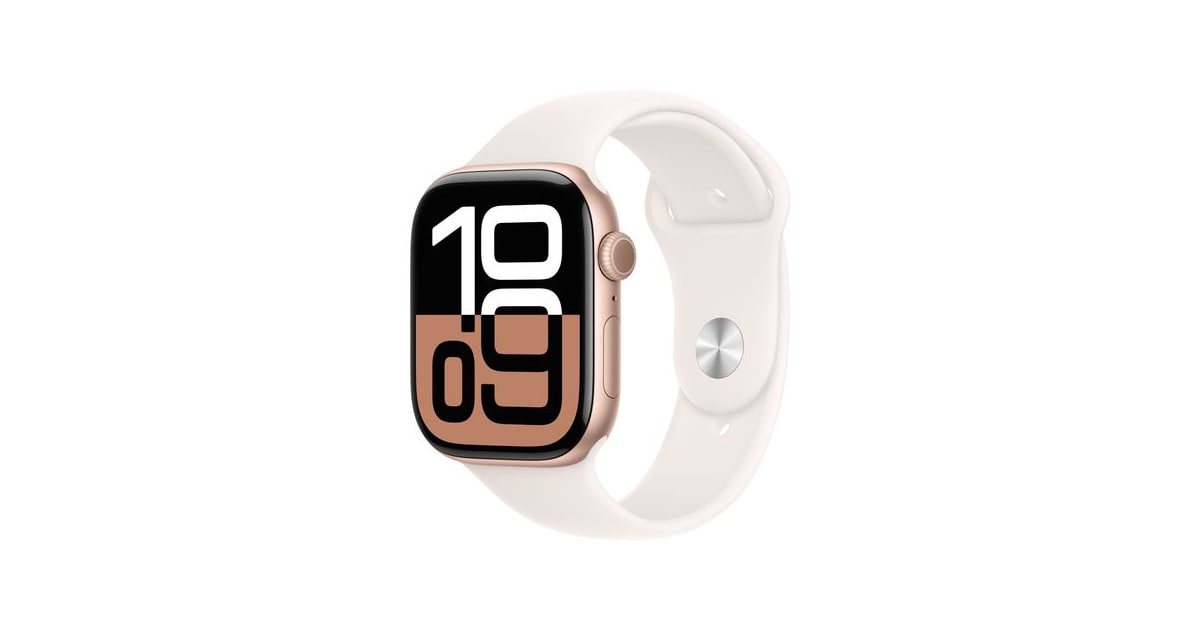
Complete health tracking for iPhone owners who charge nightly

The best all-around choice if your phone runs Android
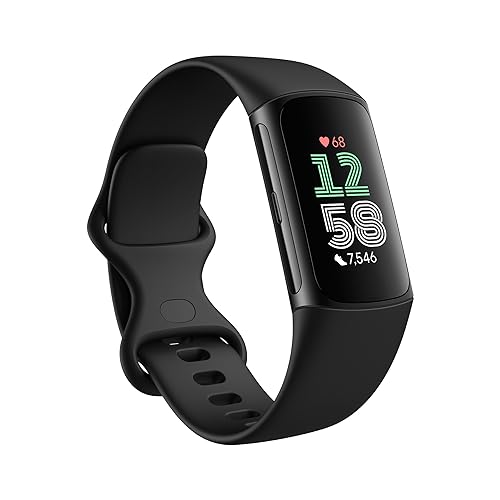
A week of battery and real health tools in a slim band

Weeks of battery and dive-rated toughness, if you'll pay for it

The safety features that matter, minus the flagship sensors
At a glance
| Product | Battery Life | Case Size | Price | |
|---|---|---|---|---|
| Apple Watch Series 10 [GPSTop pick | — | 46mm | $289.99 |
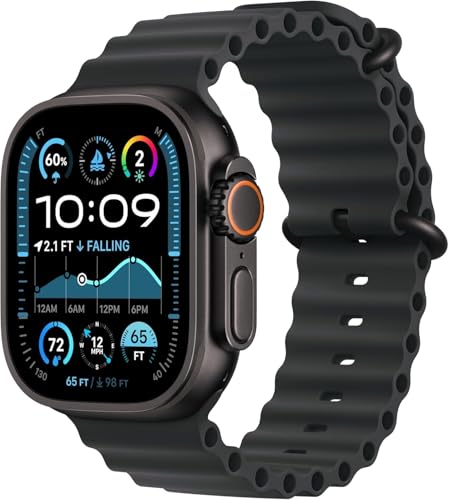 | Apple Watch Ultra 2Also consider | — | 49mm | $579.97 |
| Apple Watch SE 3 [GPS 40mm] SmartwatchAlso great | 18 Hours | 40mm | $176.67 |
| Samsung Galaxy Watch 7 40mm Bluetooth AIRunner-up | — | 40mm | $159 |
 | Samsung Galaxy Watch UltraAlso consider | — | 47mm | $496.43On sale |
| Garmin fēnix® 8Upgrade pick | — | 47mm | $742.48On sale |
 | Garmin Forerunner® 965 Running SmartwatchAlso consider | 23 Days | — | $529.95On sale |
 | Garmin Venu 3 Slate Stainless Steel BezelAlso consider | 14 Days | 45mm | $279.99 |
 | Google Pixel Watch 3Also in lineup | 24 Hours | 45mm | $259.99 |
| Fitbit Charge 6 Fitness Tracker with GoogleBudget pick | — | — | $132.50On sale |
How we picked
Ecosystem fit. We treated phone compatibility as a gate, not a feature. A watch that loses its health alerts, payments or emergency routing on your phone didn't qualify as a recommendation for that reader.
Health sensors. We compared manufacturer spec sheets for ECG, blood oxygen, temperature and sleep apnea detection, and gave weight to features with regulatory clearance rather than marketing language.
Battery you can live with. We sorted the lineup into daily-charge watches, week-long bands and multi-week GPS watches, then matched each to the kind of person who won't resent the charging routine.
GPS accuracy. Published route-tracking comparisons from endurance reviewers show multi-band GPS holding accuracy under tree cover and in canyons where single-band units drift, so we reserved outdoor recommendations for multi-band models.
Owner-reported durability. We read recurring themes in owner feedback about scratched cases, band wear, sensor dropouts and battery decline, and weighted repeated complaints more heavily than one-off gripes.
Top pick
Complete health tracking for iPhone owners who charge nightly
Apple Watch Series 10 [GPS
This is Apple's mainstream flagship in a 46mm aluminum case, sold here as a professionally inspected renewed unit. You get the full sensor set — ECG, blood oxygen, skin temperature and sleep apnea notifications — plus the thinnest, lightest Apple Watch body yet.
$289.99fromAmazonThe sensor set is the whole argument for this watch. You get an ECG app, blood oxygen, skin temperature, high and low heart rate alerts, irregular rhythm notifications, and sleep apnea detection that reviewers singled out as a genuine first for the line. None of it replaces a doctor. But if you want one device that flags something worth asking about, this is the most complete option Apple sells to iPhone owners.
At 9.7mm, it's thin enough that you'll actually sleep in it. That matters more than it sounds. Sleep tracking only works if you keep the watch on overnight, and bulky watches come off at bedtime. The Series 10 case is the slimmest Apple has shipped, and the aluminum version weighs almost nothing. Owners who've upgraded from older Apple Watches consistently mention the comfort before anything else.
Charging is quick enough to slot into your routine. Apple rates it at roughly zero to 80 percent in about half an hour. So you top it off while you shower or make dinner, then wear it to bed. That's the trick to living with an 18-hour watch, and it's the difference between useful sleep data and an empty wrist every morning.
The always-on display is readable from odd angles. Apple widened the viewing angle on this generation, so a glance mid-run or mid-grocery-aisle actually tells you the time. Small thing. But you look at this screen dozens of times a day, and a screen you have to square up to your face gets old fast.
Buying renewed is the sensible way into a flagship. Amazon's renewed listings are inspected, cleaned and tested by qualified suppliers, with no cosmetic flaws visible at arm's length and a battery rated above 80 percent of new capacity. You're getting current-generation health hardware without paying current-generation money.
Flaws but not dealbreakers
Renewed means compromises, and you should know them going in. These units aren't Apple certified. The battery has already lived part of its life, the accessories won't be Apple originals, and the box may be plain. Everything works, but a watch you charge nightly is a watch whose battery degradation you'll notice sooner than you would on a new one.
You'll charge it every day, no exceptions. Apple still rates the Series 10 at 18 hours. Add a GPS workout and you're watching the percentage drop. If the idea of another nightly cable annoys you, a Garmin or the Fitbit Charge 6 will suit you far better.
It's iPhone-only, and the aluminum scratches. Pair it with an Android phone and you get essentially nothing. And the anodized aluminum case picks up scuffs from doorframes and gym equipment over time — titanium holds up better, but it costs considerably more.
This is a renewed listing, so instead of a standard Apple warranty it carries a 90-day replacement-or-refund window from the date you receive it.
Runner-up
The best all-around choice if your phone runs Android
Samsung Galaxy Watch 7 40mm Bluetooth AI
Samsung's mainstream watch pairs a three-in-one health sensor with Galaxy AI coaching that scores how recovered you are each morning. It runs Wear OS, so the app library is deep, and two days between charges is realistic for most people.
$159fromAmazonThe Energy Score is the feature you'll actually use. Every morning it reads yesterday's sleep, heart rate variability and activity load, then tells you whether to push or back off. Plenty of watches dump numbers on you. This one turns them into a single call you can act on before coffee, which is roughly what most people want from health tracking.
One sensor stack covers heart rate, blood oxygen and body composition. Samsung's BioActive sensor reads all three from the same spot on your wrist. Body composition is a trend tool, not a lab scale, so watch the direction rather than the digits. The heart rate tracking is the part that matters daily, and Samsung filters out arm movement to clean up readings during a run.
Two days of battery changes how you live with it. At roughly 40 hours, you can skip a night on the charger without stress. Forget it once and the watch is still tracking your sleep. That's a real quality-of-life gap between this and any Apple Watch, and it's the most common thing owners praise.
Wear OS means you're not stuck with Samsung's apps. Google Play access gets you Maps, Wallet, Spotify and whatever running app you already like. Sleep tracking includes moderate-to-severe sleep apnea detection, so the overnight side is close to what Apple offers.
Flaws but not dealbreakers
The best features quietly assume you own a Galaxy phone. Blood pressure monitoring and the fullest version of Galaxy AI coaching are Samsung-phone territory, and blood pressure needs periodic recalibration against a real cuff anyway. On a Pixel or a OnePlus you get a very good Wear OS watch — just not the one in the ads.
The 40mm case is small if you're used to a big screen. It suits slimmer wrists nicely. But if you're coming from a 45mm watch, workout data and notifications will feel cramped, and you'll be scrolling more than you'd like.
This US version comes with a one-year manufacturer warranty.
Budget pickOn sale
A week of battery and real health tools in a slim band
Fitbit Charge 6 Fitness Tracker with Google
The Charge 6 is a thin fitness band with built-in GPS, an FDA-cleared ECG app, and about a week of battery. It works with both iPhone and Android, and it's light enough that you'll forget you're wearing it overnight.
$132.50fromAmazonList priceWeekly charging is the reason to choose a band over a watch. Roughly seven days per charge means you plug it in on Sunday and stop thinking about it. Sleep tracking gets far more useful when the device is never off your wrist, and that's the quiet advantage this thing has over every smartwatch here.
Built-in GPS means you can leave the phone at home. Head out for a run or a ride and the Charge 6 maps the route on its own. Google Maps turn-by-turn directions show up on the screen, and Google Wallet handles the coffee afterward. For a band this small, that's a lot of independence.
An FDA-cleared ECG app in a band is unusual. Most trackers at this end of the market stop at optical heart rate. This one can screen for atrial fibrillation and read your heart rate off compatible gym equipment, which fixes the classic problem of wrist sensors losing the plot during weights.
It's comfortable in a way chunky watches aren't. The slim band disappears under a sleeve and doesn't dig in when you sleep on your side. If you've bounced off smartwatches because they felt like wearing a wall clock, start here.
Flaws but not dealbreakers
The screen is small, and that limits what you can do. Maps are cramped, workout data comes a couple of fields at a time, and reading a long notification is a chore. It's a tracker with a display, not a wrist computer.
The best analytics sit behind a subscription. Six months of Fitbit Premium comes in the box. After that, detailed sleep breakdowns and long-term trend data need a paid plan, so factor that in before you commit to Fitbit's ecosystem.
There's no on-device music storage. You can control what's playing on your phone, but you can't leave the phone behind and still have a soundtrack. Runners who train to music will find that annoying.
Upgrade pickOn sale
Weeks of battery and dive-rated toughness, if you'll pay for it
Garmin fēnix® 8
The Fenix 8 is a multisport GPS watch with a 1.4-inch AMOLED screen, multi-band GPS, a dive rating and a built-in flashlight. It lasts weeks between charges, which is why backcountry users keep choosing Garmin over everything else.
$742.48fromAmazonList priceNothing else here comes close on battery. Garmin rates the Fenix 8 for weeks in smartwatch mode, not hours. On a thru-hike or a week away from outlets, that's the difference between a watch and a bracelet. It also means overnight health tracking never competes with your charging schedule.
Multi-band GPS holds its line where cheap GPS wanders. Under tree cover, in canyons, between tall buildings — that's where single-band watches drift and inflate your distance. Reviewers who log routes for a living rate Garmin's multi-band tracking as the most accurate you can buy in a consumer watch, and this is the best version Garmin has shipped.
The extras aren't gimmicks if you're actually outside. There's a real LED flashlight with variable brightness for alpine starts and dark trail runs. It's dive-rated and tested to US military standards. Dynamic round-trip routing builds you a loop of the distance you want from wherever you're standing. Garmin Pay and onboard music round it out.
Body Battery makes the training data legible. Garmin tracks your energy 24/7 and shows it as one climbing-and-draining number. Sport-specific strength workouts, multisport profiles and detailed recovery metrics sit underneath. You don't have to be a coach to read it, but there's plenty there if you are.
Flaws but not dealbreakers
It's big, heavy and unmistakably a sports watch. The 47mm case reads as an instrument on the wrist, not jewelry. Under a dress shirt it's conspicuous, and smaller wrists will feel every gram of it.
The smart features trail Apple and Samsung. Third-party apps, voice assistants and streaming all work better on the other platforms. Garmin's menus also have a genuine learning curve — expect a week of hunting through nested settings before it clicks.
This particular listing is a bundle. Along with the watch you get an adapter, a cleaning cloth, a power bank and a set of wireless earbuds from a third party. The watch is the real product here; treat the rest as packaging, and don't judge the bundle accessories by Garmin's standards.
Also great
The safety features that matter, minus the flagship sensors
Apple Watch SE 3 [GPS 40mm] Smartwatch
The SE 3 is the least expensive way into the Apple Watch world, and it keeps the parts that matter most: fall detection, crash detection, an always-on display and sleep apnea notifications. It's the right pick for a teen, a parent or a first watch.
$176.67fromAmazonThe safety features are the reason to buy this for someone you love. It detects a hard fall or a severe car crash and can connect the wearer to emergency services automatically, then notify their emergency contacts. Check In can tell a family member they got home. For an older parent or a new driver, that's worth more than any training metric.
It kept the always-on display, which used to be a flagship-only perk. You can read the time without flicking your wrist. That sounds trivial until you're carrying groceries or holding a toddler, and it's the single biggest usability gap the older SE models had.
The overnight health tools are more complete than you'd expect. You get a daily sleep score, sleep apnea notifications, temperature sensing that feeds the Vitals app and retrospective ovulation estimates, plus high, low and irregular heart rate alerts. That's a real health picture from Apple's entry model.
Charging is fast, which papers over the 18-hour battery. Apple rates it at up to eight hours of use from a 15-minute top-up, roughly twice as fast as the previous SE. Fifteen minutes while you get dressed is enough to carry you through a night of sleep tracking.
Flaws but not dealbreakers
Apple doesn't list an ECG app or a blood oxygen sensor for this model. If cardiac screening is the reason you're buying a watch at all, that's the line that should push you up to the Series 10. Heart rate alerts still catch a lot, but they aren't the same thing.
The 40mm case is small and the chip is a generation behind. It suits younger and smaller wrists well. On a larger wrist it looks undersized, and app launches are a beat slower than on the Series 10.
It's iPhone-only, same as every Apple Watch. This GPS model also leans on your iPhone or Wi-Fi for connectivity, so it isn't the one to buy for someone who wants to leave their phone behind.
Who this is for
Buy now if you want one device that handles notifications, workouts and overnight health tracking, and you're clear about which phone you'll pair it with. This guide covers wrist-worn smartwatches and fitness bands sold for general consumer use, from slim trackers to expedition-grade GPS watches. It doesn't cover dedicated medical monitors, chest straps, smart rings or kids' locator watches, all of which solve narrower problems better.
Skip it if you're shopping for a diagnosis. Every ECG app and apnea notification here is a screening tool that tells you to call a doctor, not one that answers your question. And if you already own a watch from the last couple of generations, the honest advice is to wait — the sensors haven't changed enough to justify replacing something that still works. One more group should hold off: anyone about to switch phone platforms. Buy the watch after you've picked the phone.
How we picked
Ecosystem fit: we checked which features survive on your actual phone, because an Apple Watch on Android and a Galaxy Watch away from a Samsung phone both lose things you paid for. Health sensors: we compared spec sheets for ECG, blood oxygen, temperature and sleep apnea detection, favoring cleared features over marketing claims. Battery: we grouped the lineup into nightly-charge watches, week-long bands and multi-week GPS units, then matched each to a charging habit. GPS accuracy: published route comparisons show multi-band tracking holding up in forest and canyon conditions where single-band drifts, so outdoor picks needed it. Durability: we looked for repeated owner complaints about scratches, band wear and sensor dropouts rather than isolated bad luck.
Other smartwatches and fitness trackers worth considering
If you want the toughest Apple Watch: The Apple Watch Ultra 2 ($579.97) — The Ultra 2 is the one to get if your iPhone comes with you up mountains and into open water. Titanium case, 100m water resistance, a 3,000-nit screen you can read in alpine glare, dual-frequency GPS that holds its line in canyons, and around 60 hours in low-power mode. The Action Button starts a workout with one press, no screen-tapping in gloves. It's bulky on a smaller wrist, it's overkill if you mostly go to the gym, and this listing is a renewed unit with a used battery. But for the sports it's built for, nothing else Apple makes is close.
If you're training for a marathon or a triathlon: The Garmin Forerunner® 965 Running Smartwatch ($529.95) — The Forerunner 965 is the running specialist. Garmin rates it at up to 23 days in smartwatch mode and 31 hours with GPS running, so a hundred-miler won't outlast it. Full-color maps, multi-band GPS, a training readiness score built from sleep, recovery, load and HRV, and daily suggested workouts that adapt after every run. A titanium bezel keeps it light enough for a dinner meeting. Against the Fenix 8 you give up the dive rating and the flashlight, and it's less rugged. For anyone building toward a goal race, that's a trade worth making.
If sleep and everyday health matter more than sport: The Garmin Venu 3 Slate Stainless Steel Bezel ($279.99) — The Venu 3 is the friendliest Garmin. A 1.4-inch AMOLED screen, roughly two weeks of battery, a speaker and mic for calls, and animated on-screen workouts you can follow without a phone. Its sleep analysis is the most detailed here, with multi-stage scoring, HRV status and nap detection that adjusts your recovery score mid-afternoon. Wheelchair activity tracking makes it genuinely inclusive in a way rivals aren't. You give up multi-band GPS, so technical trails aren't its strength, and the app library is thinner than Apple's or Samsung's.
If you want an Ultra but carry an Android phone: The Samsung Galaxy Watch Ultra ($496.43) — Samsung's Galaxy Watch Ultra answers the Apple Watch Ultra with a titanium case, 10ATM water resistance, dual-frequency GPS and Samsung's longest-lasting battery. Advanced Sleep Coaching goes deeper than the standard Galaxy Watch, and Running Coach builds sessions around your age, weight, oxygen levels and heart rate. The Now Bar puts weather, timers and directions on the main screen so you're not digging through menus with cold hands. It's heavy, it's the priciest Samsung watch, and the full health picture still wants a Galaxy phone and Samsung Health. Two-year warranty coverage softens that.
The competition
This is what our research surfaced, not a census of the market. New models land constantly, and a watch that isn't here may still be right for you. The one below is a capable device that lost out for specific reasons.
The Google Pixel Watch 3 ($259.99) — The Google Pixel Watch 3 in 45mm is the cleanest expression of Wear OS, and its loss-of-pulse detection — which can call for help if your heart activity stops — carries an FDA breakthrough device designation that nothing else at this level matches. Fitbit's readiness scoring, cardio load and advanced running guidance are genuinely good coaching layers, and the larger screen is much brighter than the previous generation. It lost to the Galaxy Watch 7 on endurance: about 24 hours of battery is a nightly charge, and its GPS runtime is a fraction of what Garmin offers for similar money. Choose it anyway if you live in Google's apps and want the tightest Assistant, Maps and Wallet integration on a wrist.
Care and battery life
Wrist sensors read best against clean, dry skin, so wipe the underside of the watch and rinse the band after workouts. Sunscreen and lotion are the usual culprits behind flaky heart rate data. Silicone bands stretch and stain over time; swapping one is cheap and makes an older watch feel new. Lithium batteries age fastest when they sit at 100 percent in a hot car or drain to zero repeatedly, so top up in the gaps of your day rather than charging overnight to full. Aluminum cases pick up scuffs from doorframes and gym equipment — a thin screen protector is worth it if that bothers you. And if you buy renewed, expect the battery to have less headroom than a new unit from day one.
Questions we get
What's the best smartwatch for an iPhone?
The Apple Watch Series 10 is the one to get. It has the full sensor set — ECG, blood oxygen, temperature and sleep apnea notifications — in the thinnest Apple Watch body yet. If your budget is tighter or you're buying for a teen or a parent, the SE 3 keeps fall detection, crash detection and the always-on display.
What's the best smartwatch for an Android phone?
The Samsung Galaxy Watch 7 is the best all-rounder, with Energy Score coaching, a combined heart rate and body composition sensor, and about two days of battery. If you want rugged hardware and the longest Samsung battery, step up to the Galaxy Watch Ultra. If you prefer Google's apps and Fitbit's coaching, the Pixel Watch 3 is the alternative.
Which watch lasts longest between charges?
Garmin, by a wide margin. The Fenix 8 runs for weeks in smartwatch mode and the Forerunner 965 is rated up to 23 days, dropping to around 31 hours with GPS active. Among premium multisport watches, the Apple Watch Ultra 2 and Galaxy Watch Ultra both claim roughly 60 hours in low-power modes. Every mainstream smartwatch here needs a daily charge.
Can a smartwatch detect AFib?
Several here include an ECG app cleared to screen for irregular rhythms including atrial fibrillation, among them the Series 10, the Ultra 2, the Galaxy Watch 7 and the Fitbit Charge 6. These are screening tools, not diagnostic devices. A flagged reading is a reason to see a physician, and a clean reading doesn't rule anything out.
Which one is best for sleep tracking?
The Garmin Venu 3 gives the most detailed picture, with multi-stage sleep scoring, HRV status, overnight blood oxygen and nap detection that adjusts your recovery score during the day. For iPhone owners, the Series 10's sleep apnea notifications add something clinically meaningful. Whichever you pick, the watch has to stay on your wrist all night, which is why battery life matters so much here.
Is a fitness band enough, or do I need a full smartwatch?
If you mainly want step counts, heart rate, sleep data and GPS for runs, a band like the Fitbit Charge 6 covers it and lasts about a week per charge. You need a smartwatch when you want to reply to messages, run third-party apps, store music, or rely on fall and crash detection. Buy the band if the phone stays in your pocket anyway.
Why you should trust us
For this guide:
- We read published reviews from wearable and endurance-sports specialists alongside each manufacturer's own spec sheet, and flagged claims that only one of those two sources supported.
- We compared battery ratings, GPS bands, water resistance and health-sensor clearances across all ten listings so the trade-offs line up like for like.
- We looked for recurring themes in owner feedback — case scratches, band wear, sensor dropouts and battery decline on renewed units — and let those shape the flaws we describe.
- We read owner reviews on every listing, weighted toward the critical ones, because that is where the recurring failures show up.
- We have a systematic way of automatically fetching the latest prices, so the numbers on this page stay current.
- This is a research-focused guide, so the team may not own every product listed — though we often do own the top winners, which gives us extra context for the recommendations.
- We don't accept free products, and the retailer commission never changes which product we recommend.
Sources
Best Smartwatches 2026 — Wareable, Wareable
Best Fitness Trackers 2026 — Tom's Guide, Tom's Guide
Best Smartwatches 2026 — PCMag, PCMag
Best Fitness Trackers — Wirecutter (NYT), Wirecutter
Best Smartwatches — CNET, CNET
Garmin Fenix 8 & Forerunner 965 In-Depth Review — DC Rainmaker, DC Rainmaker
Apple Watch Series 10 — Official Health Features Overview, Apple
Samsung Galaxy Watch 7 & Ultra — Official Specs, Samsung
Amazon product listings and owner reviews for all 10 products
Manufacturer specification pages for each product
Some passages in this guide may be paraphrased with AI help. Prices are refreshed automatically.
More like this.
Continue exploring electronics reviews and recommendations.

The Best Fitness Trackers and Heart Rate Monitors
A fitness tracker only helps if you actually wear it. That sounds obvious, but it's the thing most people get wrong. The band that counts every calorie is…

The Best Fitness Trackers for Sleep Tracking
You spend about a third of your life asleep, and until recently you had almost no way to know what happened during those hours. A sleep tracker changes…

The Best Fitness Trackers and Activity Bands
A fitness tracker earns its keep in the small moments. You glance down and see you've been sitting for three hours. You wake up and find out why you feel…

The Best Smartwatches
A smartwatch earns its place on your wrist in small moments. It taps you when a text matters and stays quiet when it doesn't. It counts your laps, nags…

The Best Smart Fitness Watches
A fitness watch earns its place on your wrist by being useful before you think about it. It tells you that you slept badly before you've had coffee. It…

The Best Bluetooth Trackers for Luggage and Keys
A Bluetooth tracker earns its keep in about four seconds - the moment you tap your phone, hear a chirp from under the couch cushion, and stop tearing the…