The Best Window Well Covers

A window well is a small pit that fills with whatever falls into it. Leaves, rain, a stray tennis ball, the occasional frog. Left open, it collects water against your foundation, and that water goes looking for the weakest seam it can find — usually the basement window frame. A cover stops that from happening, and it takes an afternoon. It also keeps kids and pets from stepping into a two-foot drop, and it keeps you from cleaning out wet leaves every fall.
Here's the honest part: no cover fixes a wet basement on its own. Covers handle surface water. They do nothing about a rising water table, hydrostatic pressure pushing through the foundation, or a sump pump that's given up. And almost nobody in this category publishes a real snow load rating, so if you live somewhere with heavy winters, you're taking the manufacturer's word for it. Sizing is where most people go wrong — a cover that's an inch short leaves the exact gap you were trying to close.
So measure first, then buy. Most wells are rectangular and shallow, which is why one cover fits the majority of homes. Curved wells need a curved panel. Egress wells need something that opens from the inside. We think that the Just Cover It Basement Window Well Cover is the best window well cover for most people, and that the QIPRAONO Polycarbonate Window Well Cover is the one to buy if your well is wider than a standard opening.
Everything we recommend

Clear, UV-coated, and sized for the well most homes have

For wide and egress wells, with the best UV spec here

The right shape for curved and D-shaped wells

Stainless drainage and load capacity, but no light at all
At a glance
| Product | Cover Size | Material | Price | |
|---|---|---|---|---|
| Just Cover It Basement Window Well CoversTop pick | 40"W x 17"L | Polycarbonate | $128 |
 | Bilco ScapeWEL Emergency Egress Window Well -Also consider | 66in x 48in | — | $1,440.14 |
| Clear Polycarbonate Window Well Cover Sloped Semi-CircleAlso great | 39"W x 16"L | Polycarbonate | $158 |
| Doorhighpeak Outdoor Drain Grate Cover and FrameBudget pick | 20x20cm | Stainless Steel | $64 |
| QIPRAONO Polycarbonate Window Well Cover OutsideUpgrade pick | 54" x 38" | Polycarbonate | $339.99 |
How we picked
.
.
.
.
.
Top pick
Clear, UV-coated, and sized for the well most homes have
Just Cover It Basement Window Well Covers
A clear polycarbonate panel sized 40 by 17 inches, which covers the most common rectangular well in American homes. It comes with the mounting hardware, a UV coating to fight yellowing, and a built-in lip that pushes water away from your foundation instead of into it.
$128fromAmazonIt fits the well most houses actually have. Rectangular wells on homes built from the 1980s through the 2000s typically run 32 to 42 inches wide and 12 to 18 inches deep. At 40 by 17 inches, this panel lands right in that range. That matters more than any feature on the box. A cover that doesn't overlap the frame on all sides leaves a channel for water, and then you've bought a very expensive leaf catcher.
The hardware comes in the box. This sounds small until you're standing in your side yard at 4pm on a Saturday realizing you need clips and anchors. Window Well Supply includes what you need to mount it, and the design is meant to go on in about fifteen minutes with basic tools. For a job most people do once, that's the difference between finishing today and finishing next weekend.
The built-in backsplash does real work. The panel has a 1.5-inch raised lip along the back edge. It stiffens the whole panel, so it flexes less under snow or a fallen branch. More importantly, it directs runoff from the foundation wall out and away rather than letting it puddle right at the window. Plenty of flat panels skip this and just sit there while water pools where you least want it.
Polycarbonate keeps your basement from feeling like a cave. Clear polycarbonate passes roughly 82% of daylight — close enough to glass that you won't notice the difference from inside. If you've got a finished basement, a laundry room, or a home office down there, that light is the whole reason to pick a panel over a steel grate. The UV coating is what keeps it clear; untreated polycarbonate goes yellow and brittle in a few years of sun.
Flaws but not dealbreakers
Seventeen inches deep is a hard ceiling. This is the number people get wrong. Measure the projection — foundation wall to the front lip of the well — before you order anything. If your well is deeper than 17 inches, this panel won't reach and you'll have a gap along the front edge. Deep egress wells and oversized wells are simply out of range here.
There's no published snow load number. Window Well Supply doesn't list a PSF rating for this panel, so you can't cross-check it against your region's ground snow load. If you're somewhere that gets more than 30 inches of snow a year, ask the manufacturer for load data before you count on it through a hard winter. Don't stand on it either.
It's a flat rectangle, so curved wells are out. Set a flat panel over a semi-circular well and you get crescent-shaped gaps at the back arc — right where water running down the foundation collects. That defeats the purpose entirely. If your well curves, skip to the semi-circle panel below.
Upgrade pick
For wide and egress wells, with the best UV spec here
QIPRAONO Polycarbonate Window Well Cover Outside
A 54-by-38-inch polycarbonate panel for wells too wide for a standard cover. Its double UV coating is specified at 50 microns, the most concrete longevity claim of anything here, and the box includes a drill bit and metal clips so you can mount it the day it arrives.
$339.99fromAmazonIt covers wells that standard panels leave hanging. Egress wells are usually 36 to 54 inches wide so someone can actually climb out. A 40-inch cover on a 50-inch well leaves gaps on both sides, and gaps are how water gets in. At 54 by 38 inches, this panel spans the wide openings without a custom fabrication order, which is where this problem usually sends people.
The UV spec is unusually specific. Most covers say "UV-resistant" and stop there. QIPRAONO specifies a 50-micron double coating on both surfaces. That's a real inhibitor layer rather than a spray-on treatment, and it targets polycarbonate's main failure mode — surface photodegradation that turns a clear panel cloudy and brittle. Coated panels generally hold up 10 to 15 years in most U.S. climates. Uncoated ones start yellowing in two to four.
You get more usable daylight than any other option here. The panel is clear, low-profile, and large. On a wide egress well serving a basement bedroom, that's a meaningful amount of light coming through a window that would otherwise sit under a steel grate or a tarp. If you're finishing a basement and the room needs to feel like a room, this is the panel that helps.
The included hardware is thought through. A drill bit and metal clips ship with it, so you're not guessing at fastener sizes or making a hardware store run mid-install. Clips grip the well lip and hold the panel down in normal weather. In genuinely windy country, you'll want sleeve anchors into the masonry instead, but for most homes the clips are enough.
Flaws but not dealbreakers
It's the most expensive panel-only option here by a wide margin. You're paying for footprint and coating, not for a system. If your well is a standard 40 inches, you're spending considerably more for coverage you don't need. Measure before you talk yourself into the bigger panel.
No PSF rating, same as the rest. QIPRAONO doesn't publish a static or snow load figure either. The panel is rigid and the coating is well specified, but neither of those is a load certification. In a heavy-snow region, ask before you buy.
Availability has been thin. Stock on this listing runs low, and it comes in only two sizes — 54 by 38 and 59 by 38. If your well falls between the standard sizes and these, you're back to custom fabrication.
Also great
The right shape for curved and D-shaped wells
Clear Polycarbonate Window Well Cover Sloped Semi-Circle
A sloped semi-circle panel, 39 by 16 inches, built for the curved wells common on homes from the 1990s onward. Aluminum bracing keeps it rigid without rusting, and the slope sheds rain to the sides instead of letting it sit against your foundation.
$158fromAmazonShape is the whole point. Curved and D-shaped wells are everywhere, and a flat panel over one leaves crescent gaps along the back arc. That's exactly where water sheeting down the foundation wall ends up. This panel matches the curve, so the perimeter actually seals. No amount of quality in a flat panel fixes a geometry mismatch.
The slope does the work passively. Rain hits the panel and runs off to the sides rather than pooling in the middle. There's nothing to maintain and nothing to adjust. Debris tends to slide off too, which means fewer trips out with a leaf blower after a windy week.
Aluminum bracing outlasts steel brackets where it stays damp. North-facing wells and shaded side yards hold moisture and grow algae. Powder-coated steel eventually chips and rusts in that environment; aluminum doesn't. Window Well Supply braces this panel with aluminum, which is a genuine upgrade over covers relying on the plastic alone for stiffness.
It's rated to hold 500 pounds. That's the manufacturer's figure, and it's more than most panel makers will commit to in writing. It's not a snow load rating and it doesn't mean you should stand on it. But it does suggest the bracing is doing something, and it's reassuring if a branch comes down.
Flaws but not dealbreakers
It only fits curved wells. Put this over a flat-back rectangular well and you'll have gaps at the corners — the mirror image of the problem it solves. Know your well shape before ordering.
Sixteen inches is shallow, even by this category's standards. Measure the projection carefully. Non-standard or oversized curved wells will need custom fabrication, since cutting a pre-formed sloped panel weakens the cut edge and voids the warranty.
Budget pick
Stainless drainage and load capacity, but no light at all
Doorhighpeak Outdoor Drain Grate Cover and Frame
A stainless steel drain grate with its own frame, built to take a car rolling over it. It's the right call for a well next to a driveway or a well that already ties into a drain, and the wrong call anywhere you want daylight or a weather seal.
$64fromAmazonIt handles loads that would shatter a plastic panel. The stainless structure is rated for vehicle roll-over without deforming. No polycarbonate cover here comes close. If your well sits next to a driveway, a garage apron, or anywhere a delivery truck might swing wide, a plastic panel is the wrong tool and this grate is the right one.
Stainless beats galvanized and cast iron in a wet pit. Window wells stay damp — that's their job. Galvanized coatings wear through and painted carbon steel rusts from the edges. Stainless just keeps going. For a well that holds standing water after every storm, the material choice matters more than anything else on the spec sheet.
Maintenance is genuinely easy. The lid opens without removing the frame, so clearing sediment or checking a drain connection takes a minute rather than an afternoon. Dense mesh filtering catches leaves before they reach the drain line, which is what keeps a sub-drain from clogging in the first place.
It's the honest answer for wells that already drain. If you've got a French drain or a sump line tied into the well floor, you don't need to keep water out — you need to let it through fast and keep debris from plugging the line. That's exactly what this does.
Flaws but not dealbreakers
Zero daylight reaches your window. An open steel grate blocks essentially all natural light. If there's a finished room down there, this is a non-starter. That's the trade, and it's absolute.
It's not a weather cover. Rain, snowmelt, insects and airborne debris all pass straight through. It only makes sense when the well drains properly. Over a well with no drain, it just delivers water to your foundation more efficiently.
Fit needs verification. This is a channel and catch-basin grate sold in multiple sizes with customization available, not a purpose-built window well cover. Measure your well frame and confirm dimensions with the seller before ordering.
Who this is for
Buy a cover if your window well is open to the sky and sits against a foundation you'd rather keep dry. That's most homes with basement windows. It's especially worth doing if you've ever seen standing water in the well after a storm, if you're finishing the basement, or if you've got small kids or a dog who could step into an open pit. Installation is a one-afternoon job for anyone comfortable with a drill.
Don't buy one expecting it to fix a basement that already floods. If water comes up through the slab or seeps through the walls, that's groundwater pressure and a cover won't touch it — you need drainage work and probably a sump pump. This guide covers panels and grates that sit on an existing well, plus one complete egress system. It doesn't cover well liners, the corrugated steel walls that form the well itself, and it doesn't cover custom fabrication for odd shapes.
How we picked
We compared these covers on the things that decide whether one lasts fifteen years or three. Fit and overlap: the panel has to extend at least two inches past the well frame on every side, because gaps are where water gets in and mismatched geometry is the most common reason a cover fails. Material and light: polycarbonate passes roughly 82% of daylight and takes a hail strike; steel grates take vehicle loads but block light entirely, so the choice depends on what's below the window. Water management: a raised backsplash, a sloped profile or a drainage channel that pushes runoff away from the foundation rather than into it. Load and durability: we looked for a published PSF rating and mostly didn't find one, so we weighted bracing material, panel rigidity and corrosion resistance instead. Egress safety: any cover on an escape-route window must open from inside without tools or keys, per IRC Section R310.
Other window well covers worth considering
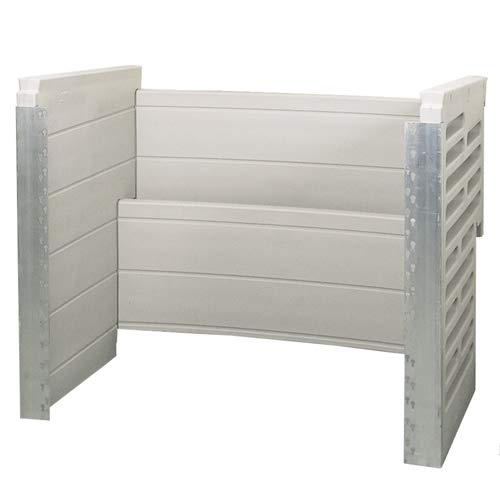
If you're adding a code-compliant egress window: The Bilco ScapeWEL Emergency Egress Window Well - ($1,440.14) — The Bilco ScapeWEL 4048-66 isn't a cover — it's the entire well. You get a 66-inch-wide enclosure with terraced steps, a 41-inch projection, and a hinged polycarbonate cover that opens from the inside without tools or keys, which is what IRC Section R310 requires. The steps matter more than they sound: in a fire, someone disoriented by smoke can climb out on footholds rather than scrabbling up a smooth steel wall. Bilco is what egress contractors specify by default, and the materials won't rust or rot. What you give up is simplicity and money. This is excavation, framing and waterproofing backfill — a professional trade job, and the system itself ships in three to four weeks, so it has to be planned around your construction schedule. If you just want to cover a well you already have, one of the panels above is the right purchase.
The competition
This is what our research surfaced in a category that's mostly small manufacturers and unbranded imports, not a survey of everything sold. Every product in this guide earned a recommendation for some specific situation, which says less about how good they all are than about how narrow the use cases get. Window well covers are one of the few product categories where the correct choice is decided almost entirely by two measurements and the shape of a hole in your yard. A panel that's perfect for your neighbor may be useless for you.
Measuring and installation notes
Measure before you shop, every time. You need three numbers: the inside width at the widest point, the inside projection from the foundation wall to the front lip, and the height of the well frame above grade. Add two inches on each side for overlap. For curved wells, measure the full inside diameter, not the chord across the front. Write all of it on painter's tape stuck to the well frame — it takes a minute and prevents the most common return in this category. When you install, clips work for normal weather, but sleeve anchors into masonry are the answer where wind gusts past 60 mph. Never padlock a cover over an egress window. And clear leaves out of the well before you seal it up, or you're just composting against your foundation.
Questions we get
What size cover do I need for a standard basement window?
Most wells on U.S. homes built between the 1970s and 2000s run 32 to 42 inches wide and 12 to 18 inches deep front-to-back. Measure the inside width at its widest point and the inside projection, then add at least two inches on each side for overlap. The Just Cover It 40 by 17 fits the most common rectangular profile. Egress wells are wider — typically 48 to 66 inches — to allow a code-compliant exit.
Do window well covers actually prevent basement flooding?
For surface water, yes. A properly fitted cover with two inches of overlap on all sides stops rain from pooling in the well and working through the window frame. But covers do nothing about hydrostatic pressure, a rising water table, or a sump pump that's failed. If your flooding has a groundwater component, pair a sealed cover with a French drain or sump tie-in rather than expecting the cover to solve it.
Polycarbonate, steel, or plastic — which material is best?
Polycarbonate for most people. It passes roughly 82% of daylight, shrugs off hail, and sheds water when it's sloped. Stainless grates like the Doorhighpeak are right for driveway-adjacent wells where load capacity beats light. Basic polypropylene is fine only for short-term use, since it yellows and turns brittle fast under sun.
Does an egress cover have to open from the inside?
Yes, and it's not optional. IRC Section R310 requires emergency escape openings — including any cover over them — to operate from inside without tools, keys, or special knowledge. Never padlock a cover on an egress window. Smoke impairs fine motor skills within seconds, and a lock you installed yourself becomes a barrier for whoever's trying to get out.
Can someone stand on a window well cover?
Depends entirely on the product, and mostly the answer is no. The Doorhighpeak grate is rated for vehicle roll-over, so a person is nothing. Polycarbonate panels vary a lot — residential-grade panels typically support 200 to 400 pounds when the perimeter is supported, and the semi-circle panel here is rated by its maker to 500. Unless a specific load figure is published for your panel, treat it as something that keeps water out, not a floor.
How long before a polycarbonate cover yellows and cracks?
Without UV protection, noticeable yellowing starts in two to four years of direct sun and brittleness follows within five to seven. A real UV inhibitor coating stretches service life to 10 to 15 years in most U.S. climates. Look for a specified coating thickness rather than vague "UV-resistant" wording — the QIPRAONO's 50-micron double coating is the most concrete claim here.
Why you should trust us
For this guide:
- We read manufacturer specification sheets for every cover here, comparing published dimensions, materials, bracing, coating thickness and stated load figures.
- We cross-referenced egress requirements against IRC Section R310 and checked which products make code-compliance claims and which don't.
- We reviewed owner feedback themes across the category to identify the failure modes that come up repeatedly — sizing mismatches, yellowing panels, and covers that blow off in wind.
- We read owner reviews on every listing, weighted toward the critical ones, because that is where the recurring failures show up.
- We have a systematic way of automatically fetching the latest prices, so the numbers on this page stay current.
- This is a research-focused guide, so the team may not own every product listed — though we often do own the top winners, which gives us extra context for the recommendations.
- We don't accept free products, and the retailer commission never changes which product we recommend.
Sources
IRC Section R310 — Emergency Escape and Rescue Openings (2021 Edition), International Code Council
Best Window Well Covers — Tested and Reviewed, Bob Vila
Best Window Well Covers for Your Basement, The Spruce
Best Window Well Covers — Expert Reviews, This Old House
How to Install a Window Well Cover — Step-by-Step Guide, Family Handyman
Amazon product listings and owner reviews for all 5 products
Manufacturer specification pages for each product
Some passages in this guide may be paraphrased with AI help. Prices are refreshed automatically.
More like this.
Continue exploring home reviews and recommendations.

The Best Robot Window Cleaners
We evaluated ten suction-mounted window robots on grip, finish and reach, for anyone tired of ladders and…

The Best Cordless Window Vacuums
Cleaning glass by hand is a losing battle. You spray, you wipe, and the water runs down the frame and dries into gray streaks you only see at sunset. A…

The Best Window Insulation Kits and Draft Stoppers
A drafty house doesn't announce itself. You just notice that the room with the big window stays cold no matter how high you set the thermostat, or that…

The Best Outlet Covers and Plug Protectors
A crawling baby finds the outlet behind the couch faster than you'd think. Electrical outlets and cords sit near the top of the home hazard list for kids…

The Best Attic Stair Insulation Covers
A pull-down attic stair is a hole in your ceiling with a thin piece of plywood over it. That panel does almost nothing thermally - think single-pane…

The Best Radiator Covers and Heat Deflectors
A cast iron radiator is a strange piece of furniture. It's hot, it's heavy, it sits under the window in the best spot in the room, and it looks like it…