The Best Noise-Cancelling Wireless Earbuds
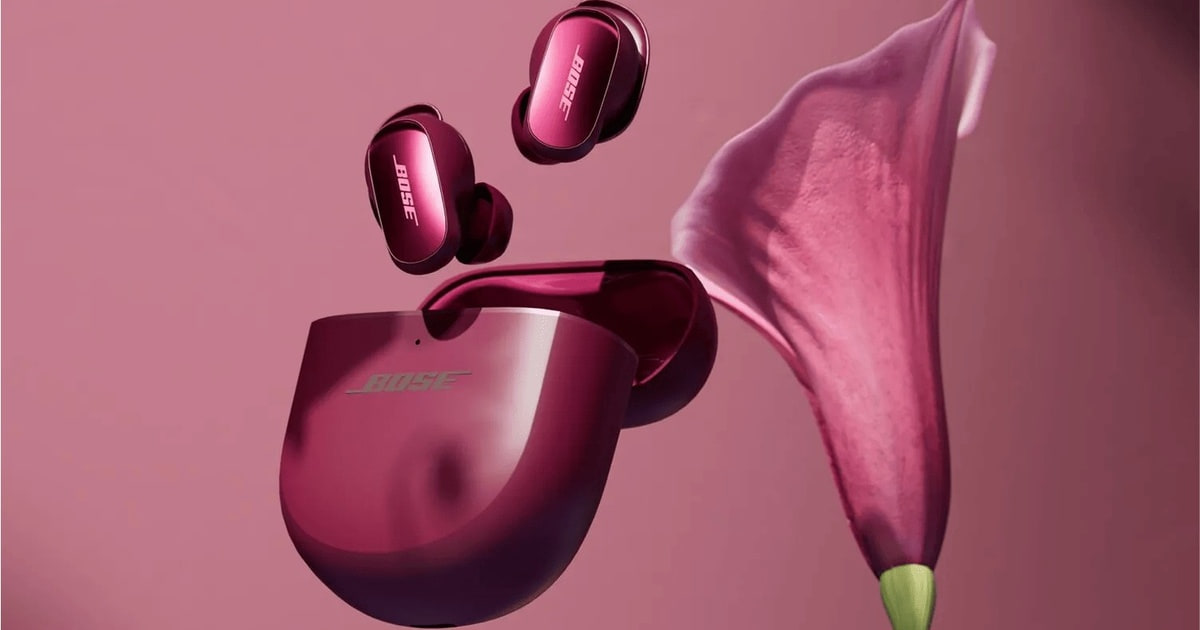
Good noise cancelling changes how a commute feels. The train rumble drops away, an airplane's engine drone turns into a soft hush, and the open-plan office fades to something you can think through. You stop cranking the volume just to hear a podcast over the road. The best sets do this without making your ears feel stuffed or pressurized, and they let the world back in when you need it — a gate announcement, a barista, a car coming up behind you on a run.
Here's the honest part: no earbud silences everything. ANC works best on steady low-frequency noise, like engines, HVAC and tire hum. Voices are much harder, so the coworker two desks over still gets through on nearly every pair here. Switching ANC on also costs you battery, usually 20 to 35 percent per charge, so the headline number on the box isn't the one you'll live with. And all of it rides on the seal. If the tips don't fit your ear canals, even a great set sounds thin and leaks noise.
We spent our time on the sets that show up again and again in published reviews and measurement roundups, then read owner feedback to find the problems that only surface after a few months. Some picks here lean on ecosystem features that only matter if you carry the matching phone. Others are simply quiet, comfortable and good at calls. We think that the Sony WF-1000XM5 is the best noise-cancelling wireless earbud for most people, and that the Bose QuietComfort Ultra Earbuds are the ones to buy if you want the most comfortable seal and the deepest hush.
Everything we recommend

The deepest quiet for planes and trains, if the fit works

Custom-calibrated quiet and a comfier seal, at a battery cost

Most of the quiet for a lot less money, with rough edges
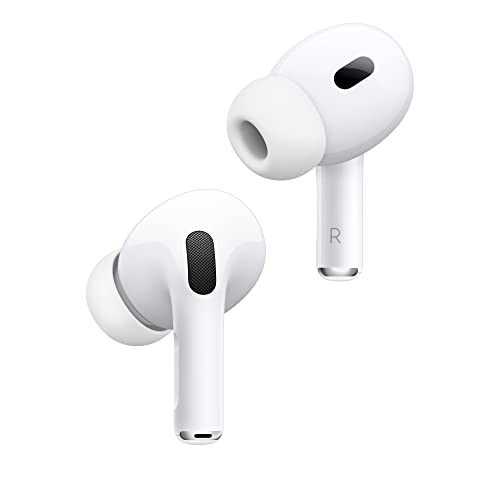
The easy answer if everything you own is Apple
Prices as of Oct 27, 8:28 AM PT · Details
At a glance
| Product | Battery (Buds/Case) | ANC Rating | Price | |
|---|---|---|---|---|
| Sony WF-1000XM5 Premium Noise Cancelling Truly WirelessTop pick | 8H/24H | — | $248 |
| Apple AirPods ProAlso great | — | — | $155 |
| Bose QuietComfort Ultra EarbudsRunner-up | 6H Buds | — | $299 |
 | SAMSUNG Galaxy Buds3 ProAlso in lineup | 5-8H Buds | — | $133.49 |
 | Sennheiser Momentum True Wireless 4 Smart EarbudsAlso consider | 30H Total | Adaptive ANC | $290 |
| Nothing EarBudget pick | 42.5H Total | 45dB | $59On sale |
 | Soundcore Liberty 4 Pro by Anker NoiseAlso consider | 10H/40H | 3x Reduction | $109.99 |
Prices as of Oct 27, 8:28 AM PT · Details
How we picked
Cancelling depth. We leaned on independent measurement roundups and published reviews to compare attenuation across low, mid and high frequencies. Deep-bass performance separates the tiers, but we gave weight to mid-range results too, since that's where office chatter lives.
Honest battery numbers. We compared ANC-on runtime rather than the larger ANC-off figure manufacturers put on the box. Anything under about 6 hours per charge had to earn its place another way.
Comfort and seal. We looked at how many tip and wing options each set includes and what owners say after weeks of wear, since cancelling collapses without a proper seal. Pressure sensitivity came up often enough that we noted which designs ease it.
Calls and multipoint. We compared microphone counts, wind-rejection claims and owner reports about call clarity, plus whether the earbuds hold two devices at once and switch cleanly. Hybrid workers live or die on this.
Codec and app support. We checked codec support against spec sheets, since LDAC and Hi-Res certification only pay off on Android. We also weighed whether the companion app offers real EQ control and firmware updates rather than a settings menu.
Top pick
The deepest quiet for planes and trains, if the fit works
Sony WF-1000XM5 Premium Noise Cancelling Truly Wireless
The WF-1000XM5 shuts down low-frequency noise about as thoroughly as any earbud gets, and it does it in a small, light shell. You get 8 hours with ANC on, LDAC for Android listeners, and a quick charge that buys an hour of playback in three minutes.
$248fromAmazonPrices as of Oct 27, 8:28 AM PT · Details
Nothing else here flattens an airplane cabin quite this well. RTINGS measured roughly 35dB of attenuation at 125Hz from the XM5 — deep-bass performance that lines up with full-size over-ear headphones, and among the highest ever recorded from a true wireless earbud. That's the exact band engine drone, bus rumble and building HVAC live in. On a long flight, the difference between this and a mid-tier set isn't subtle. You notice it in your shoulders.
Sound is the other half of the case. Sony's LDAC codec pushes up to 990kbps over Bluetooth, roughly three times what standard SBC manages, which is what makes 24-bit/96kHz Hi-Res streaming possible from a phone. You'll only get that from an Android device — iPhones cap out at AAC, so an iPhone owner is buying the ANC, not the codec. The app's EQ is deep enough to fix a sound signature you don't love.
Battery is a real 8 hours with cancellation running, not a marketing figure that assumes you left ANC off, and the case adds up to 24. That's about 20 percent better per charge than the previous generation. Three minutes on the cable gets you an hour of playback, which covers the sprint to the gate when you forgot to dock them the night before.
The seal is what makes or breaks these. Sony's fit is fussier than Bose's, and owner feedback splits along exactly that line: people who land on the right tip size describe a night-and-day change, and people who don't complain that the bass is thin and the cancelling underwhelms. Work through every tip in the box before you decide, and use the app's fit check. It takes ten minutes and it's the difference between a great earbud and a returned one.
Flaws but not dealbreakers
The upgrade from the previous generation isn't universally loved. A meaningful slice of owner feedback comes from people moving up from the WF-1000XM4 who don't hear a clear improvement in cancelling and feel they paid a lot for a lateral move. If you already own the XM4 and like them, sit this one out.
There's also a durability thread worth knowing about. Some owners report battery capacity fading noticeably inside the first year or two, and out-of-warranty repair on earbuds this small is rarely worth it. Water resistance is IPX4-class, which handles sweat and a light drizzle but nothing more — don't take these anywhere near a pool.
These are the most expensive earbuds among our picks, and the gap between them and our budget pick is much larger than the gap in everyday listening quality. You're paying for the last few decibels of quiet.
Runner-up
Custom-calibrated quiet and a comfier seal, at a battery cost
Bose QuietComfort Ultra Earbuds
Bose's QuietComfort Ultra Earbuds calibrate their cancelling and sound to the shape of your ear canal, and the nine tip-and-band combinations mean most people find a comfortable seal fast. The tradeoff is battery: up to 6 hours a charge, the shortest among our picks.
$299fromAmazonPrices as of Oct 27, 8:28 AM PT · Details
Bose built its reputation on quiet, and this is the company's strongest earbud cancelling to date. What separates it from the field is CustomTune. When you put them in, the earbuds play an inaudible test tone, listen to how it bounces back off your ear canal with internal mics, and tune both the ANC and the sound profile to your anatomy — all in under a tenth of a second. You never notice it happening.
Comfort is the reason to choose these over the Sony. You get nine combinations of umbrella-shaped tips and stability bands, so instead of hunting for the one size that seals, you're choosing between several that do. That matters if you wear earbuds through a whole workday or a transatlantic flight. Owner feedback on long-session comfort is consistently warm, even from people who find most in-ear designs unbearable after an hour.
The extras are genuinely useful rather than checkbox filler. Noise control lets you dial cancelling up or down on a slider instead of flipping between fixed modes, so you can leave a little of the room in without going full transparency. Immersive Audio pushes the soundstage out in front of you, which makes podcasts and live recordings feel less like they're happening inside your skull. SpeechClarity uses noise-rejecting mics to keep your voice intelligible on windy sidewalks.
For calls, these are the pick among our top two. You can take a call on one earbud and leave the other in the case, which sounds minor until you're on a two-hour meeting and want one ear free. The mics filter background noise and wind aggressively enough that callers stop asking where you are.
Flaws but not dealbreakers
Battery is the clear weak spot. Up to 6 hours per charge is short next to the Sony's 8 and the Sennheiser's 7.5, and heavy Immersive Audio use eats into that further. If your day involves back-to-back calls, you'll be docking them at lunch.
They're big. Owner feedback repeatedly flags how far these stick out of the ear and how bulky the case is compared with the competition, and a few people find the ergonomics of the touch controls frustrating. Some owners also report the app being finicky, including trouble getting to settings when the phone is in airplane mode — annoying precisely when you're on a plane.
Water resistance is IPX4, which is sweat-and-splash only. That's normal for this tier, but it's less than what the Jabra offers.
Budget pickOn sale
Most of the quiet for a lot less money, with rough edges
Nothing Ear
Nothing's Ear (a) pairs an 11mm driver with adaptive cancelling rated at 45dB, and it monitors the seal in your ear and compensates when it detects leakage. You give up some polish and long-term battery confidence, but the day-to-day gap to the premium sets is smaller than the price gap.
$59fromAmazonList pricePrices as of Oct 27, 8:28 AM PT · Details
This is the pair to buy if the flagship prices make you wince. The Ear (a) runs an 11mm driver with roughly twice the output of the previous Ear (2), which shows up as real low end rather than the thin, scooped sound cheap earbuds usually settle for. Nothing rates the hybrid cancelling at 45dB, and it adapts: the earbuds watch the seal against your ear canal and push harder when they detect leakage, which is the same idea premium sets charge a lot more for.
Battery is generous. You get 42.5 hours of total playtime with the case, and ten minutes on the charger buys about ten hours with cancelling off. There's dual-device connectivity for jumping between a laptop and a phone, a low-latency mode for gaming, and six mics with a dedicated talk mic plus an airflow channel down the stem to cut wind noise on calls.
The transparent shell is the thing people either love or ignore, and it's a fair reason to pick these when everything at this level performs similarly. The Nothing X app handles EQ, ANC modes and firmware, and it includes voice-driven ChatGPT access from the earbuds if that's something you'd actually use. Most people won't, and nothing about the earbuds depends on it.
Flaws but not dealbreakers
Longevity is the recurring complaint. Owner feedback includes a steady thread about battery life degrading faster than expected and case charging behaving inconsistently after several months. These are the least expensive earbuds among our picks and that shows up in the parts you can't see.
Cancelling holds its own against the flagships on engine rumble but falls behind on mid-range noise like nearby conversation — which is exactly the noise an open-plan office throws at you. And you need the app for anything beyond basic playback, so if you dislike installing a phone app to configure hardware, look elsewhere.
Also great
The easy answer if everything you own is Apple
Apple AirPods Pro
The AirPods Pro 2 hand off between your iPhone, Mac and iPad without you thinking about it, and the H2 chip drives cancelling that Apple rates at twice the strength of the original AirPods Pro. This particular listing is a renewed unit, not a factory-new one.
$155fromAmazonPrices as of Oct 27, 8:28 AM PT · Details
If you're already carrying an iPhone, the ecosystem case is hard to argue with. Pairing takes one tap, audio follows you from phone to laptop to tablet, and Find My works on the earbuds themselves. Personalized Spatial Audio with dynamic head tracking is the most convincing implementation any of these companies ship, and it only works properly on Apple hardware. None of that shows up on a spec sheet, and all of it matters daily.
Adaptive Transparency is the underrated feature here. Instead of just piping the outside world in, the H2 chip clamps down on sudden loud sounds in real time — a siren, a subway brake squeal, a passing jackhammer — while leaving conversation audible. If you walk through a city with earbuds in, you'll notice. Apple credits the H2 with double the computational headroom of the previous chip, and cancelling roughly twice as strong as the first-generation Pro.
Battery is where the ANC tax is most visible. These run about 9 hours with cancelling off and about 6 with it on, a 33 percent drop. That's fine for a commute and a workday of calls, but it's the shortest per-charge figure among the sets we'd recommend to a heavy listener, so plan on the case being nearby.
Flaws but not dealbreakers
This listing is a renewed unit. It's been inspected, tested and cleaned by Amazon-qualified suppliers, but it isn't Apple certified, and owner feedback reflects the usual refurbished lottery — most units arrive clean and work like new, while some show up missing the full set of ear tips or with a battery that's already seen a couple of years. Order tips separately if the seal matters to you, which it does.
On Android these are just decent earbuds. You lose spatial audio personalization, automatic switching and Find My, and you're stuck on AAC. Anyone on a Galaxy or Pixel should buy something else.
Who this is for
Buy now if you commute, fly, or work somewhere noisy enough that you turn your music up to drown it out. That's the case where cancelling earns its cost every single day, and where the difference between a flagship and a cheap pair is obvious within a minute. This guide also covers people who take a lot of calls and need mics that hold up on a windy sidewalk, and Android owners who want LDAC and Hi-Res playback rather than the AAC ceiling an iPhone imposes.
Skip this category if you mostly listen at home in a quiet room — you'll get better sound for less from open-back wired headphones, and you won't need the cancelling at all. If in-ear pressure gives you headaches, be cautious: every pick here is a sealed in-ear design, and the pressure sensation is a real thing that no firmware update fixes. We've stuck to true wireless earbuds with active cancelling, so over-ear headphones, open-ear and bone-conduction designs, and earbuds without ANC are all out of scope.
How we picked
Cancelling depth: we compared published measurements and reviews across the frequency range, not just the deep bass every set handles well. Battery: we compared ANC-on runtime, since switching cancelling on typically costs 20 to 35 percent per charge. Comfort and seal: we weighed how many tip and stability-band options come in the box and what owners report after weeks of wear. Calls: microphone count, wind rejection and clean multipoint switching between a laptop and a phone. Codec and app: LDAC and Hi-Res support for Android listeners, plus an app with genuine EQ control and firmware updates. Water resistance: IPX4 as a floor for sweat, higher if you're rough on gear.
Other noise-cancelling wireless earbuds worth considering
If you want the best sound and the longest total battery: The Sennheiser Momentum True Wireless 4 Smart Earbuds — The Sennheiser MOMENTUM True Wireless 4 is the audiophile choice here. Its 7mm TrueResponse drivers support LDAC at up to 990kbps, which means genuine Hi-Res playback from an Android phone, and it runs 7.5 hours with cancelling on for 30 hours total with the case — about 25 percent better per charge than the previous generation. Bluetooth 5.4 brings multipoint, LE Audio and Auracast, so it's the most future-proof set here. What you give up is cancelling depth: owner feedback consistently rates the ANC as fine rather than exceptional, and a few people report warranty and reliability headaches.
If you want serious cancelling without spending flagship money: The Soundcore Liberty 4 Pro by Anker Noise — The Soundcore Liberty 4 Pro packs seven sensors — six for sound, one barometric — and re-tunes its cancelling roughly three times a second as your surroundings change. It supports LDAC and carries Hi-Res certification, features that used to be reserved for far more expensive earbuds, and it runs 10 hours per charge for 40 with the case, with a five-minute top-up worth about four hours. The case has a touch bar and display for adjusting ANC without your phone. Owner feedback flags case battery life and touch-control reliability as the weak points, and it's chunkier than our budget pick.
The competition
This is what our research surfaced, not a census of the market. Plenty of capable earbuds aren't here simply because they didn't come up often enough in the reviews and spec comparisons we worked from.
The SAMSUNG Galaxy Buds3 Pro — The Samsung Galaxy Buds3 Pro is the Android counterpart to the AirPods Pro, and if you carry a Galaxy phone it's a reasonable buy. You get 360 Audio with Dolby head tracking, Intelligent ANC that modulates cancelling depth based on ambient noise, SSC HiFi and UHQ codecs at 24-bit/96kHz, Bluetooth 5.4 and real-time language interpretation. The catch is that most of that is gated behind Galaxy hardware and Galaxy AI, so on a Pixel or an iPhone you're buying a fraction of the product. Battery is also modest at 5 to 8 hours depending on ANC, and 18 hours with the case — the shortest total here. This particular listing is an international model sold without domestic warranty coverage, which is the main reason it isn't a pick. If you're all-in on Galaxy and comfortable with that, it's a strong fit.
Fit, seal, and upkeep
Spend ten minutes on tips before you judge any of these. Try every size in the box, including asymmetric combinations — plenty of people need a different size in each ear — and run the fit test in the companion app if there is one. A poor seal costs you bass and most of the cancelling at once. After that, the maintenance is simple: wipe the nozzles and mesh with a dry cloth weekly, since earwax buildup muffles sound and gets blamed on the earbuds. Pull the tips off every month or so and rinse them separately, then dry them fully before reattaching. Don't store the case in a hot car, which is the fastest way to kill a lithium battery, and top the case up before it hits empty rather than running it flat.
Questions we get
Are noise-cancelling earbuds worth it for a daily commute?
If your commute involves a train, bus, subway or highway, yes. Those are all steady low-frequency sounds, which is exactly what ANC handles best, and the practical payoff is that you stop raising the volume to compete with the noise. If you walk to work through a quiet neighborhood, the benefit is much smaller.
Which of these blocks the most airplane noise?
The Sony WF-1000XM5. RTINGS measured roughly 35dB of attenuation at 125Hz, which is the band jet engine drone occupies, and that's among the highest figures ever recorded from a true wireless earbud. The Bose QuietComfort Ultra Earbuds are close behind and more comfortable over a long flight, so pick based on which matters more to you.
What's the difference between active noise cancelling and passive isolation?
Passive isolation is physical: the ear tip plugs your ear canal and blocks sound the way an earplug does. Active cancelling uses microphones to sample incoming noise and plays an inverted waveform to cancel it. ANC excels at low, steady sound like engines; passive isolation does more of the work on higher frequencies like voices and clattering dishes. You need both, which is why the seal matters so much.
What is LDAC, and do I need it?
LDAC is Sony's Bluetooth codec, and it moves audio at up to 990kbps — roughly three times standard SBC — which is what allows 24-bit/96kHz Hi-Res streaming over a wireless connection. It only works from an Android device or another compatible source, so iPhone owners are capped at AAC no matter which earbuds they buy. If you're on Android and listen to lossless files or a Hi-Res streaming tier, it's a real upgrade. Otherwise it's a nice extra.
How much battery does noise cancelling actually cost?
Expect to lose 20 to 35 percent of your per-charge runtime with ANC switched on. The AirPods Pro 2 are a clean example: about 9 hours with cancelling off, about 6 with it on. Always shop on the ANC-on figure, because that's the number you'll live with.
Can I safely run outdoors with these?
Use transparency mode rather than cancelling when you're near traffic — it pipes ambient sound through the mics so you can hear cars and cyclists. The Bose and Apple sets have the most natural-sounding passthrough. For sweat, IPX4 handles a normal workout, but the Jabra Elite 10's IP57 rating is the only one here that survives heavy rain or a full soaking.
Why you should trust us
For this guide:
- We read published reviews and independent measurement roundups covering noise attenuation across low, mid and high frequencies for every set in this guide.
- We compared manufacturer spec sheets on codec support, ANC-on battery ratings, microphone counts and water-resistance ratings rather than relying on marketing claims.
- We read owner feedback across each listing to find the problems that only appear after months of use, such as battery fade, case reliability and app frustrations.
- We read owner reviews on every listing, weighted toward the critical ones, because that is where the recurring failures show up.
- We have a systematic way of automatically fetching the latest prices, so the numbers on this page stay current.
- This is a research-focused guide, so the team may not own every product listed — though we often do own the top winners, which gives us extra context for the recommendations.
- We don't accept free products, and the retailer commission never changes which product we recommend.
Sources
Best Wireless Earbuds 2026 — Wirecutter, Wirecutter (NY Times)
Sony WF-1000XM5 Full Review — RTINGS.com, RTINGS.com
Apple AirPods Pro 2 Full Review — RTINGS.com, RTINGS.com
Bose QuietComfort Ultra Earbuds Review — RTINGS.com, RTINGS.com
Best Noise-Cancelling Earbuds 2026 — SoundGuys, SoundGuys
Best Wireless Earbuds — The Verge, The Verge
Best Noise-Cancelling Earbuds 2026 — What Hi-Fi, What Hi-Fi
Best Earbuds of 2026 — CNET, CNET
Best True Wireless Earbuds 2026 — TechRadar, TechRadar
LDAC Technology Overview — Sony, Sony
Amazon product listings and owner reviews for all 7 products
Manufacturer specification pages for each product
Some passages in this guide may be paraphrased with AI help.
Product prices and availability are accurate as of the date/time indicated and are subject to change. Any price and availability information displayed on Amazon.com at the time of purchase will apply to the purchase of this product.
More like this.
Continue exploring electronics reviews and recommendations.

The Best Noise-Cancelling Wireless Earbuds
Good noise cancellation changes what a commute feels like. The subway rumble drops away, the plane engine turns into a distant hush, and the guy on…

The Best Noise-Canceling Wireless Earbuds
Noise-canceling earbuds earn their keep in the boring moments. The drone of a plane cabin at cruising altitude. A neighbor's leaf blower during your…

The Best Noise-Cancelling Headphones for Focus and Deep Work
Most of us don't get to pick where we work. The open-plan office hums, the espresso machine shrieks, and the guy two desks over takes every call on…

The Best Noise Canceling Earbuds
Noise canceling earbuds earn their keep in a handful of specific moments. The rumble of a subway car. An open-plan office where three people type like…

The Best Wireless Earbuds
Wireless earbuds have quietly become the thing you reach for more than any other gadget. You wear them on the bus, on a work call, while loading the…

The Best Wireless Earbuds for Working Out
Workout earbuds live a hard life. They get soaked in sweat, yanked out by a hoodie, bounced around during sprints, and dropped on rubber gym flooring more…