The Best Zero-Turn Mower Accessories and Attachments
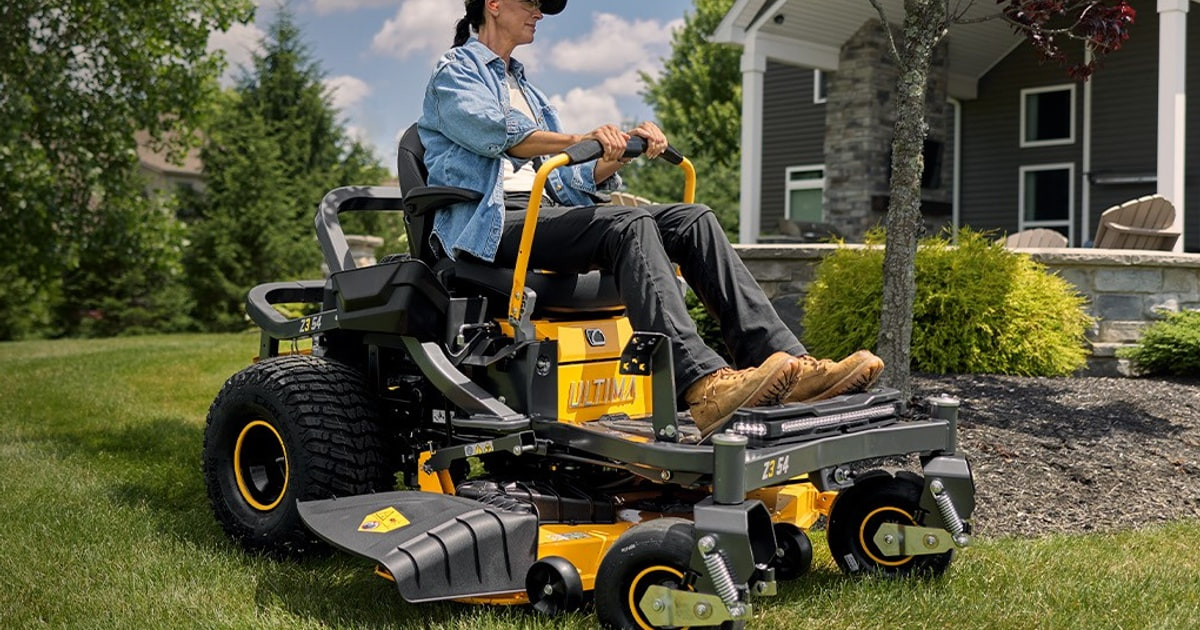
A zero-turn mower is a big purchase, and most of them ship set up for one job: throwing clippings out the side. The accessories that matter change what the machine actually does for you. A mulch kit stops you from bagging every week. A fresh set of blades makes the cut look clean instead of ragged. Anti-scalp rollers keep the deck from gouging your high spots. None of it is glamorous, but the difference shows up on your lawn the first weekend you use it.
Here's the honest catch: almost nothing in this category fits every machine. Deck widths, bolt patterns, spindle holes and chute geometry vary by brand and often by model year within a brand. Owner feedback across these listings keeps circling the same complaint — the part arrived, the holes didn't line up, and somebody ended up drilling. Even parts sold as OEM for a specific deck draw fitment complaints. So the single most useful thing you can do before buying any of this is look up your model number and deck size, then check them against the compatibility list.
Blades and mulch kits give you the most improvement for the least money and the least hassle, so that's where we'd start. We think that the Oregon 598-629 Gator G5 Mulching Blades are the best zero-turn mower accessory for most people, and that the Husqvarna 46-Inch Mulch Kit is the one to buy if you want to stop bagging clippings on a 46-inch deck.
Everything we recommend
A finer cut and longer edge life, for very little money

Turns a 46-inch deck into a mulching deck in a few minutes

OEM blades for big Ariens and Gravely decks, without dealer pricing

Stops the deck from gouging your high spots on bumpy ground
At a glance
| Product | Deck Size Fit | Weight | Price | |
|---|---|---|---|---|
| Husqvarna 46-Inch Mulch Kit for Lawn TractorAlso great | 46-Inch | 6.5 lbs | $39.95 |
 | Toro TimeCutter MXAlso in lineup | 50-Inch | 5 lbs | $269.85 |
| Oregon 598-629 Gator G5 21-3/16" Mulching BladesTop pick | 42-Inch (RZT-42) | 0.000625 lb | $41.95 |
 | Lawn Striping Kit for EGO 21" WalkAlso in lineup | 21-Inch (EGO) | 9 lbs | $49.99On sale |
| 2 Pack 422478 Deck Anti-Scalp Wheel BracketBudget pick | — | — | $45.99 |
| Ariens 3PK Genuine OEM Gravely 04771200 52"Runner-up | 52-Inch | 1 lb | $47.99 |
How we picked
Fitment clarity. We favored listings that state exact deck widths, part numbers and model compatibility rather than vague universal claims. Owner feedback across this category is dominated by fitment complaints, so a precise spec sheet is a genuine feature.
Effect on the cut. We weighted accessories that change how the grass actually looks after you mow — clipping size, clumping, scalping — above cosmetic or convenience add-ons. Published testing on mulching kits and manufacturer data on blade serration informed this.
Build and materials. Steel thickness, edge treatment and bracket construction separate parts that survive a season from parts that bend on the first hidden root. We looked at stated dimensions and at durability themes in owner feedback.
Install difficulty. Accessories that need deck removal, drilling or fabrication get used less. We preferred bolt-on and clip-on designs, and we flagged the products where owners report having to drill new holes.
Breadth of use. Parts that fit a wide range of machines, or that stay useful all season, earned an edge over single-model or single-purpose attachments. That's why blades and mulch kits lead this guide.
Top pick
A finer cut and longer edge life, for very little money
Oregon 598-629 Gator G5 21-3/16" Mulching Blades
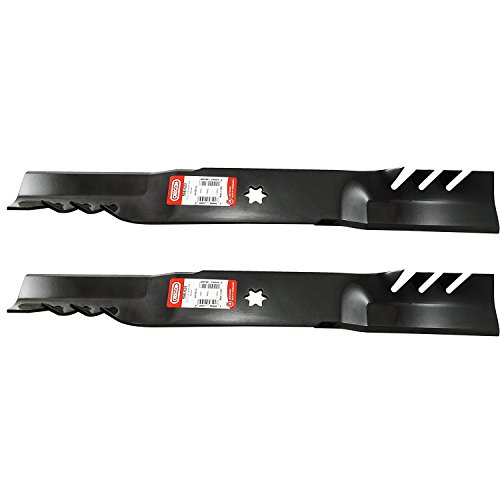
These Gator G5 blades have serrated upper edges that chop clippings a second time before they land, so the lawn looks tidier without bagging. They're thicker than most factory blades and carbide-fused at the cutting edge, which is why owners get more than a season out of one sharpening.
$41.95fromAmazonIf you buy one thing for your mower, buy better blades. Everything else in this guide sits downstream of the blade. A mulch kit with dull blades still leaves stringy clumps. A striping roller on a poorly cut lawn just makes the ragged tips more visible. Oregon's G5 Gator blades cut the grass once at the leading edge, then the serrations along the upper wing shred the clipping again while it's still circulating under the deck.
The physical spec is the easy part to verify: these run 21-3/16 inches long, 3 inches wide and .164 inches thick, with a 6-point star center hole. That thickness is the number to notice. Owners who've swapped from factory MTD and Cub Cadet blades consistently describe these as noticeably heavier and more rigid, and heavier blades hold their geometry better when you clip a hidden root or a chunk of gravel.
The edge is tungsten carbide fused to the steel, which is Oregon's whole pitch for the Fusion line. In practice, owner feedback points the same direction over and over — the blades keep a usable edge through a full mowing season, including fall leaf duty, which is the job that dulls ordinary blades fastest. That matters more than it sounds. University of Florida IFAS Extension recommends sharpening every 20 to 25 hours, and a dull blade tears grass instead of slicing it, opening the door to disease.
Oregon says the secondary serrations shorten clippings by roughly 35 percent compared with standard lift blades. Shorter clippings break down faster and are less likely to mat into thatch. If you've been raking or bagging mostly because your lawn looks messy afterward, a blade change alone might solve it — and it's a fifteen-minute job with a socket wrench and a block of wood to stop the spindle.
Flaws but not dealbreakers
The star hole is the whole ballgame here. These fit a 6-point star mounting hole, and if your spindle uses a different pattern, they simply won't go on. Oregon spells this out on the listing, and it's worth taking seriously — measure or pull one blade before ordering.
This is a 2-pack sized for 42-inch MTD and Cub Cadet decks. Larger decks need three blades and a different length, so this specific part number won't cover a 52- or 61-inch machine.
Packaging draws complaints. Several owners report blades shipped in nothing but wrapping, with sharp ends poking through. Nobody's been hurt in the feedback we read, but open the parcel carefully.
Also great
Turns a 46-inch deck into a mulching deck in a few minutes
Husqvarna 46-Inch Mulch Kit for Lawn Tractor
This kit pairs a steel mulch plate with two matched Husqvarna blades and the hardware to bolt it on, so clippings stay under the deck and get recut instead of shooting out the chute. It's the cleanest way to stop bagging on a 46-inch Husqvarna tractor or ZTR.
$39.95fromAmazonA mulch kit is what finally ends the weekly bagging routine. Blades alone help, but they can only do so much when the deck is designed to fling clippings sideways. The plate closes off the discharge path so grass circulates under the deck long enough for the blades to hit it two or three times. Consumer Reports found that zero-turns running OEM mulching kits scored Good or Excellent for mulching in 88 percent of cases, against 47 percent for standard discharge setups.
Installation is the surprise. This is a 6.5-pound plate with two blades and mounting hardware, and owners routinely describe getting it on in a couple of minutes with the deck still on the machine. That's a real advantage over the bolt-through kits that expect you to pull the deck first. If you dread wrenching, this is about as gentle an upgrade as this category gets.
Fitment is specific and clearly stated: 46-inch decks, part MK46. Husqvarna sells it for its own tractors and ZTRs, and owner feedback shows it landing correctly on Husqvarna riding mowers and, in at least some cases, on 46-inch Craftsman decks of a similar vintage. It's still a measure-first purchase, but the compatibility story here is less muddled than most.
One design quirk worth knowing up front: the mulch cover is meant to work with the original discharge chute left in place, not to replace it. Some owners expect the chute to come off and are briefly confused. Leave the chute mounted, and the cover seats the way it's supposed to.
Flaws but not dealbreakers
A handful of owners report clippings blowing back around the edges of the cover. The common fix is a strip of adhesive weather stripping around the perimeter, which several people say seals it well — but it's a small annoyance on an otherwise finished product.
Fit isn't always perfect. At least one owner had to drill a hole in the deck wheel bracket so the front clip would catch. Not hard, but plan for the possibility of a drill.
Mulching asks more of you than bagging does. You'll want to mow more often and never take off more than a third of the blade height at once, or you'll leave clumps no matter how good the kit is.
Runner-up
OEM blades for big Ariens and Gravely decks, without dealer pricing
Ariens 3PK Genuine OEM Gravely 04771200 52"
This is a genuine three-blade OEM set for 52-inch Ariens IKON and Gravely ZT decks, sold under Ariens' own part number. If you own one of those machines, it's the straightforward way to get factory blades without a trip to the dealer counter.
$47.99fromAmazonBlade sets are brand-locked in a way that's frustrating until you find the right part number. This one is Gravely 04771200, a set of three, cut for 52-inch decks on the IKON X, IKON XL, ZT X and ZT XL. If that's your machine, the guesswork ends here.
Genuine parts matter more on a big deck than a small one. Three blades spinning on a 52-inch deck put real load on the spindles, and a blade that's slightly out of balance or slightly off-weight shows up as vibration through the frame. Owners who've compared these against dealer-counter blades describe them as identical in appearance and build — same steel, same thickness — which is the reassurance you actually want.
The blades arrive with a light protective oil and a factory edge. Owner feedback is consistent that they're sharp enough out of the box to mow with, though not razor-honed, and that they hold up through hard yards without folding. Several people order a spare set after the first one, which is the quiet form of a recommendation.
Worth being clear about what these are not: they're standard high-lift-style OEM blades, not serrated mulching blades. If you're chasing finer clippings and you own a Cub Cadet or MTD-pattern deck, the Gator blades are the better tool. If you own a 52-inch Ariens or Gravely, this set is the correct part and the simpler decision.
Flaws but not dealbreakers
The compatibility list is short and strict — 52-inch IKON and ZT decks. Anything else, including 42- and 48-inch versions of the same machines, needs a different set.
There's no mulching serration here, so clippings stay longer than they would with Gator-style blades. Pair them with a mulch plug if your deck accepts one and you want a finer finish.
Budget pick
Stops the deck from gouging your high spots on bumpy ground
2 Pack 422478 Deck Anti-Scalp Wheel Bracket
This two-pack replaces the anti-scalp wheel brackets and rollers on Scag decks, and it ships with the bolts and lock nuts to do it. If your lawn has crowns and dips that leave brown scrape marks after mowing, this is the simplest fix in the guide.
$45.99fromAmazonScalping is the damage most people don't realize they're causing. On a lawn with grade changes, the deck bottoms out over crowns and shaves the grass to dirt, leaving brown patches that take weeks to fill back in. Anti-scalp rollers hold the deck a fixed distance off the ground so it rides over the bump instead of into it. Scag's dealer materials cite up to a 70 percent reduction in deck-ground contact on grades of 10 degrees or more.
This is a rebuild kit, not just wheels. The pack covers part 422478 for the bracket, 481632 for the wheel, plus the 04003-26 bolt and 04021-05 lock nut for each position. That completeness is the point — worn brackets are usually why the old rollers are hanging crooked, and swapping only the wheels leaves you where you started.
The compatibility list runs long and covers a wide swath of Scag riding mowers, from SCR and SCZ walk-behind and stand-on machines through the STT and SMST families. Used-mower buyers seem to be a natural audience. Owner feedback includes people who bought a Scag secondhand, found the previous owner had stripped the rollers off, and bolted these on with no modification.
It's also the least disruptive install here. You're removing a bolt, sliding a bracket onto the deck skirt and torquing it back down — no deck removal, no drilling, no chute geometry to worry about. That's rare in this category.
Flaws but not dealbreakers
These are aftermarket parts, not Scag-branded, and the listing itself carries only a handful of ratings. The reported fit is good, but there's much less owner history to lean on than with the blade sets here.
Rollers help with grade changes, not with mowing too low. If you're scalping because your cut height is set at an inch and a half, no roller kit will save the lawn — raise the deck first.
Who this is for
This guide is for anyone who already owns a zero-turn or a riding mower and wants it to cut better without buying a new machine. If you have one to three acres and you're tired of the lawn looking chewed up, or you're bagging every week and wondering whether you have to, the blades and mulch kit here are the fix. Pros mowing several hours a day will find the same logic applies, just with more frequent blade changes.
It's not for you if you don't know your model number and deck width — go find them first, because nearly every product here is fitment-specific and returns on heavy steel parts are a headache. We've also kept this to parts that bolt to the mower itself. Trailer racks, storage gear and shop equipment sit outside the scope, and so do accessories for walk-behind mowers, which use entirely different mounting hardware.
How we picked
We built the shortlist around what actually changes your Saturday. Fitment clarity: exact deck widths, part numbers and model lists beat any universal-fit promise, because misfit is the single most common complaint owners raise in this category. Effect on the cut: we prioritized parts that change clipping size, clumping or scalping over ones that only add convenience. Build and materials: blade thickness, edge treatment and bracket construction decide whether a part lasts a season or bends on a buried root. Install difficulty: bolt-on and clip-on wins over anything that needs the deck pulled or new holes drilled. Breadth of use: parts that fit many machines, or stay useful past mowing season, moved up the list.
The competition
These are the products our research surfaced for this category, not a survey of everything sold. Zero-turn accessories are heavily brand-specific, and there are OEM mulch kits, roller kits and baggers for Toro, John Deere, Bad Boy, Exmark and others that never made this shortlist simply because a listing wasn't confirmed. If you own a brand not represented here, start at your dealer's parts catalog with your deck width in hand.
The Toro TimeCutter MX ($269.85) — The Toro TimeCutter MX mulch kit, part 79024, is the factory answer for 50-inch TimeCutter decks, and the owners who get a clean fit report exactly the fine mulching you'd want. But fitment feedback on this listing is genuinely split, with multiple owners saying the plate didn't line up with their pre-drilled deck holes, some reporting missing parts, and one noting the kit works on fabricated decks specifically. Others had to drill fresh holes. Toro's own instruction is to check your owner's manual for compatibility before ordering, and here that's not boilerplate — it's the whole decision. If you have a 50-inch fabricated TimeCutter MX deck and you can confirm the part number against your manual, it's still the OEM option.
The Lawn Striping Kit for EGO 21" Walk ($49.99) — This DACK striping kit is a well-made roller — a 16-inch steel drum with a water fill port that takes it up to about 20 pounds, plus a pivot spring so it tracks through turns instead of dragging. The problem for this guide is the mount: it's built for EGO's 21-inch LM2100-series walk-behind mowers, not for a zero-turn deck. Owner feedback is mixed even within its intended use, with reports of assembly taking longer than advertised and the roller wandering sideways on turns. If you mow a small lawn with an EGO push mower and want stripes, it's worth a look. It won't bolt to a ZTR.
Installation and maintenance notes
Before you order anything here, find your model number and deck width — they're usually on a sticker under the seat or on the deck itself — and check them against the listing's compatibility list. For blade changes, disconnect the spark plug or battery first, wedge a block of wood against the blade to stop the spindle, and note which way the blade faces before you pull it. Sharpen every 20 to 25 hours of mowing; a dull blade tears the grass and opens the door to disease. Keep blade balance in mind after sharpening, since an out-of-balance blade shakes the spindle bearings apart over time. If you're running a mulch kit, mow more often and take off no more than a third of the grass height, or you'll leave clumps no matter how good the kit is.
Questions we get
What accessory should I buy first for a new zero-turn mower?
A good set of blades, every time. Blades set the ceiling for everything else — a mulch kit or striping roller can't overcome a dull or bent blade. Once the cut looks clean, add a mulch kit if you want to stop bagging.
Are aftermarket blades as good as OEM blades?
Often, yes, and sometimes better. Oregon's Gator blades are aftermarket and add serrations that factory blades usually lack. The thing to check isn't the brand but the fit: length, width, thickness and the center hole pattern all have to match.
Can I run a mulch kit and a bagger on the same mower?
Not at the same time. A mulch kit closes the discharge path so clippings stay under the deck, which is exactly the path a bagger needs open. Most people swap between them seasonally — mulch through summer, bag for fall leaves.
How do I stop my mower from scalping on uneven ground?
First, raise the cutting height. Most scalping comes from mowing too low for the terrain. If it still happens on crowns and grade changes, add or replace the deck's anti-scalp rollers, which hold the deck off the ground as it passes over high spots.
How often should I sharpen or replace my blades?
Plan on sharpening about every 20 to 25 hours of mowing, per University of Florida IFAS Extension guidance. Replace a blade outright if it's bent, cracked, or worn thin enough that the trailing wing has lost its shape. Balance the blade after every sharpening.
Do lawn striping kits work on every zero-turn?
No, and the mount is the limiting factor. Rollers bolt to specific deck geometries, and kits built for walk-behind mowers won't attach to a ZTR at all. Stripes also only show up on a dense, healthy lawn — a thin lawn just looks thin in two directions.
Why you should trust us
For this guide:
- We read manufacturer specifications and part-number compatibility lists for every accessory here, and compared them against the deck sizes and model families each one claims to fit.
- We reviewed published research on mulching performance and blade maintenance, including Consumer Reports mulching-kit findings and University of Florida IFAS Extension guidance on sharpening intervals.
- We looked for recurring themes in owner feedback — especially fitment problems, drilling requirements and durability over a full season — rather than isolated complaints.
- We read owner reviews on every listing, weighted toward the critical ones, because that is where the recurring failures show up.
- We have a systematic way of automatically fetching the latest prices, so the numbers on this page stay current.
- This is a research-focused guide, so the team may not own every product listed — though we often do own the top winners, which gives us extra context for the recommendations.
- We don't accept free products, and the retailer commission never changes which product we recommend.
Sources
Zero-Turn Mower Accessories Buying Guide — Husqvarna Official, Husqvarna
Best Zero-Turn Mower Accessories — Toro Product Library, Toro
Oregon G5 Gator Blade Testing & Performance — Oregon Products, Oregon Products
Zero-Turn Mower Buying Guide & Accessories Overview — Consumer Reports 2025, Consumer Reports
Best Lawn Striping Kits — Lawn Love Expert Review 2026, Lawn Love
Zero-Turn Mower Mulching vs. Bagging — The Lawn Care Nut (YouTube/Blog), The Lawn Care Nut
Scag Power Equipment Accessories Catalog 2025–2026, Scag Power Equipment
Gravely / Ariens ZTR Attachment Guide — Ariens Official, Ariens
Zero-Turn Mower Forum: Best Aftermarket Accessories — LawnSite.com Community, LawnSite.com
Jungle Jim's Professional Lawn Care Equipment Review — ProLandscaper Magazine, ProLandscaper Magazine
ZTR Mower Suspension and Ergonomics Research — Turf Magazine 2025, Turf Magazine
Best Mowing Accessories Ranked — This Old House Reviews 2026, This Old House
Amazon product listings and owner reviews for all 6 products
Manufacturer specification pages for each product
Some passages in this guide may be paraphrased with AI help. Prices are refreshed automatically.
More like this.
Continue exploring lifestyle reviews and recommendations.

The Best Lawn Mowers
A lawn mower is one of the few tools you use on a schedule, whether you feel like it or not. So the boring stuff matters most: whether it starts on the…

The Best Lawn Mowers
Mowing is a chore you repeat 25 or 30 times a season, so the small annoyances matter more than the spec sheet. How hard is it to start? Can you get up the…

The Best Robot Lawn Mowers
A robot mower changes the chore, not just the tool. Instead of one sweaty hour every Saturday, a small machine shaves a couple of millimeters off your…

The Best Lawn Mowers
Mowing is a chore you repeat 25 or 30 times a season, so small annoyances compound fast. A mower that starts on the first try, cuts evenly, and doesn't…

The Best Stand Mixer Attachments
Your stand mixer is a motor with a bowl bolted to it. That motor spends most of its life whipping cream and kneading bread, but the little hub on the…

The Best Camera Lens Attachments for iPhone
Your iPhone already has three cameras, so the question isn't whether you need more glass - it's whether an add-on lens gets you something the phone…