The Best Adjustable Weight Benches
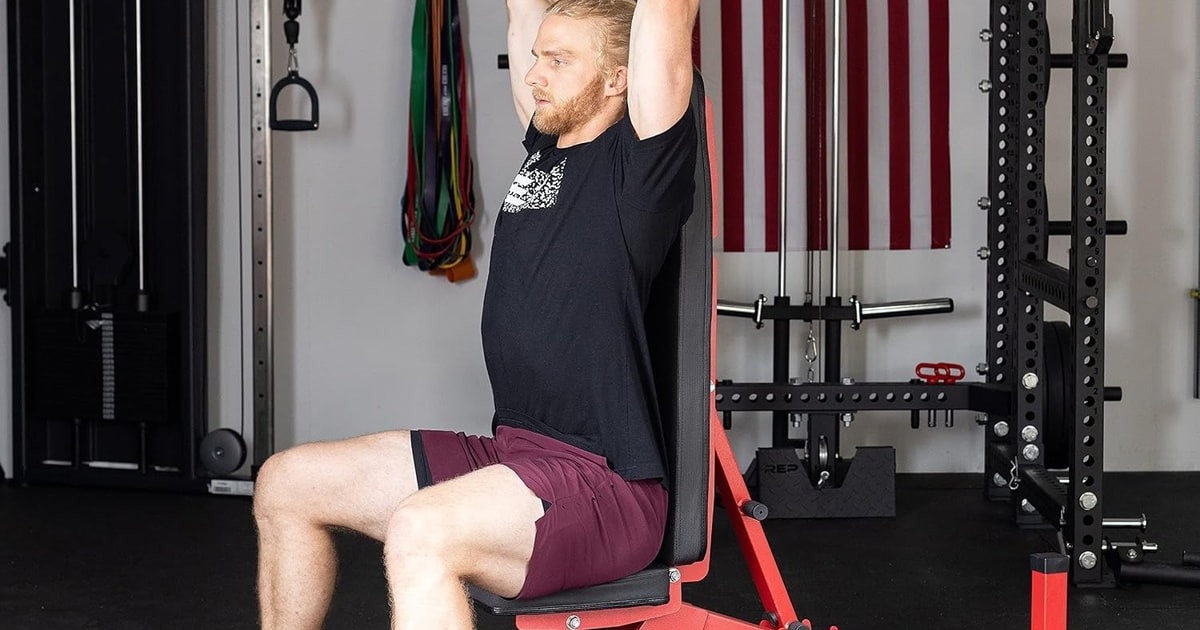
A bench is the piece of gear that turns a pile of dumbbells into an actual gym. Flat, incline, decline — change the angle and you change which part of your chest, shoulders, or back does the work. Healthline's fitness panel calls a quality adjustable bench the highest-leverage purchase for a home gym after the dumbbells themselves, unlocking more than 50 distinct exercises from one frame. But the thing you'll actually notice day to day is simpler. Does it wobble when you press heavy? Does the pad dig into your shoulder blades?
Here's the honest catch: no adjustable bench is as solid as a dedicated flat bench, because the hinge and the ladder that let it move are also the places it can shift. Something has to give. Folding benches trade rigidity for a smaller footprint. Heavy commercial frames stay planted but are miserable to move, and the seriously stable ones start around 75 pounds and climb from there. Pad foam is another quiet compromise — Wirecutter's bench research flagged that budget models use thinner standard foam that compresses noticeably once your bodyweight and the weight you're holding stack up.
Adjustment speed matters more than you'd think, too. Men's Health found ladder-style mechanisms swap positions in under three seconds versus 8 to 12 for pop-pin designs, which adds up fast during supersets. We think that the Rep Nighthawk is the best adjustable weight bench for most people, and that the FLYBIRD WB5 is the one to buy if you need to fold your bench away after every session.
Everything we recommend

Rock-solid under heavy weight, and it still folds away

Folds into a closet, and it's plenty for dumbbell work

A tank of a frame with the thickest pad here

Commercial-gym construction, if you have the floor space

REP build quality in a lighter, simpler package
At a glance
| Product | Capacity | Positions | Price | |
|---|---|---|---|---|
| Rep Nighthawk Adjustable Weight BenchTop pick | — | — | $449.99 |
| FLYBIRD WB5 Weight BenchBudget pick | 800 lbs | 144 Positions | $149.98 |
| Major Fitness Weight Bench - 1300LBS WeightRunner-up | 1300 lbs | 36 Positions | $249.99 |
| REP AB-3100 Adjustable Weight BenchAlso great | — | — | $269.99 |
 | Bowflex 3.1S Adjustable & Stowable BenchAlso consider | 480 lbs | 4 Angles | $199.98 |
 | Titan Fitness TITAN Series FID BenchAlso consider | 600 lbs | 70 Angles | $539.99 |
| Body SolidUpgrade pick | 600 lbs | 7 Positions | $530 |
 | Marcy Multi-Position Workout Utility Bench for HomeAlso in lineup | — | 6 Positions | $91.89On sale |
How we picked
Stability under load. We weighed static capacity ratings against frame design, favoring wide four-point bases and triangulated steel. Published testing and owner feedback both point to 1,000 pounds as the threshold for confident barbell work, with sub-500-pound benches best kept to dumbbells.
Adjustment speed and range. We compared ladder mechanisms against pop-pin designs using published measurements, which put ladders at under three seconds per change versus 8 to 12 for pins. We also counted back and seat positions and looked for a genuine decline.
Pad width and foam. Independent pad-width measurements show about a full inch separating budget benches from premium ones, which changes how planted you feel when you retract your shoulder blades. We favored thicker, high-density foam that resists compressing under sustained load.
Storage and weight. We noted folded dimensions and bench weight from manufacturer specs, since a bench that can't be stored gets sold. We treated vertical folding and transport wheels as meaningful advantages for garage and apartment setups.
Warranty and support. We read the coverage terms each brand publishes and the owner feedback themes around getting problems resolved. Longer parts coverage and responsive support broke ties between otherwise similar benches.
Top pick
Rock-solid under heavy weight, and it still folds away
Rep Nighthawk Adjustable Weight Bench
The Nighthawk pairs a commercial-grade steel frame with a closed ladder adjustment that snaps between flat, incline, and decline in seconds. It folds upright for storage, which almost no bench this sturdy manages to do.
$449.99fromAmazonThis is the rare bench that doesn't make you choose between stability and storage. Most benches that fold are light, and most benches that stay planted under a loaded barbell are permanent furniture. The Nighthawk weighs 88 pounds and uses a heavy steel frame, but it stands up vertically when you're done. If your gym is also your garage or a spare bedroom, that combination is the whole ballgame.
The closed ladder adjustment is the part you'll appreciate every session. There's no pin to pull, line up, and shove back in — you lift the pad, slide it to the notch you want, and it seats itself. Men's Health's research put ladder mechanisms at under three seconds for a full position change. When you're moving from incline press to flat between sets, that's the difference between keeping your rhythm and standing around.
REP built the back pad wider than most, which sounds like a small thing until you press heavy. A wider pad gives you a stable platform to drive your shoulder blades into, and owners describe it as rock solid with no shifting under load. The firmness surprises some buyers — it's not a couch cushion. That's deliberate. Dense foam holds its shape instead of sinking and letting your shoulders roll forward mid-set.
The decline setting rounds it out. Fewer than 15 mainstream adjustable benches include a real decline position, according to SET FOR SET's market survey, and having it here means you're not buying a second bench later for decline presses or weighted sit-ups. Between the incline positions, flat, and decline, you can run a full chest and shoulder program without leaving the frame.
Flaws but not dealbreakers
It's heavy. Owners who love it still mention that 88 pounds is a lot of bench to wrestle out of the box and into position, and one person specifically flagged it as something to know going in. The vertical fold and wheels help once it's assembled, but if you have stairs between the delivery truck and your gym, get a second set of hands.
REP's accessory ecosystem for this bench is thin. If you're the sort of person who wants a leg developer, a preacher curl attachment, or a wide-grip lat pad, you'll be hunting third-party parts or going without. The bench itself is complete — the add-ons just aren't there yet.
Budget pick
Folds into a closet, and it's plenty for dumbbell work
FLYBIRD WB5 Weight Bench
The WB5 weighs under 30 pounds, folds down to about nine inches wide, and still carries an ASTM certification and an 800-pound rating. For dumbbell training in a small apartment, it covers nearly everything the expensive benches do.
$149.98fromAmazonIf your bench has to disappear between workouts, start here. Folded, the WB5 needs roughly nine inches of width — it slides beside a sofa or under a bed. At 28.5 pounds, you can carry it one-handed. That's the entire pitch, and for a lot of apartment lifters it's the only spec that matters, because a bench you can't store is a bench you won't keep.
The adjustment range is genuinely wide. It runs from -30 degrees up to 90 degrees upright, with a spring-lock that resets in about a second. The gentle -10 decline is a nice on-ramp if you've never trained decline before. Flybird also puts an adjustable leveling footpad on the base, which matters more than you'd guess on an uneven garage slab or an old hardwood floor.
Owners repeatedly describe it as sturdier than they expected from a folding bench — no rattle, no creak, comparable to what they use at a commercial gym. The 30-inch backrest gives your head real support instead of leaving it hanging off the end. And Flybird backs it with a one-year frame replacement and three years on parts, which is more coverage than most budget equipment carries.
That said, understand the ceiling. Garage Gym Reviews measured the Flybird pad at 10.8 inches wide against 11.8 for a premium REP bench. Narrower pads free up your shoulder blades, but they also feel less planted if you're new to pressing. Owners note some wobble creeps in once you're moving real weight — around 110 pounds on the bar, by one account. For dumbbell work it's fine. For a heavy barbell program it isn't the right tool.
Flaws but not dealbreakers
It sits taller than a standard bench — a few inches higher — and shorter lifters report their feet don't plant flat on the floor. If you're under about five foot eight, you'll want a pair of small platforms or plates under your feet to get a proper leg drive.
The wobble under heavy barbell loads is real and worth taking seriously. This is a dumbbell-and-moderate-weight bench. If your bench press is climbing past a couple hundred pounds, treat the WB5 as a stopgap rather than the last bench you'll buy.
Flybird covers the WB5 with a one-year frame replacement and three years of parts coverage.
Runner-up
A tank of a frame with the thickest pad here
Major Fitness Weight Bench - 1300LBS Weight
The Major Fitness bench is rated to 1,300 pounds and uses 2.5-inch padding on a 31.5-inch backrest. It's the pick if you want maximum stability and don't need the bench to fold flat for storage.
$249.99fromAmazonThe headline number is a 1,300-pound capacity, built on a triangular frame of commercial-grade square steel. That's well past the 1,000-pound benchmark that serious barbell pressing calls for, and it means the frame isn't the weak link in your setup — you are. Owners with intermediate and advanced numbers consistently say they have zero concerns about the rating.
The padding is the real reason to pick this one. At 2.5 inches, it's thicker than nearly anything else here, and it sits on a 31.5-inch backrest that fully supports your head. Wirecutter's research identified foam density as the single biggest quality gap between premium and budget benches, and this is the premium side of that line — it holds shape instead of bottoming out when your bodyweight and the bar stack up.
Adjustment uses a C-shaped lock catch instead of pins, so you're not fumbling with a pull-and-align routine between sets. You get nine backrest positions and four seat positions, covering incline, flat, and decline. Assembly gets consistent praise — parts arrive organized, tools are included, and most people report about half an hour of tightening bolts before their first session.
It's also easier to move than 59 pounds suggests, thanks to a front handle and rear wheels. Several owners stand it vertically to reclaim floor space in a small garage. It doesn't fold the way the Nighthawk or the Flybird do, but for a bench of this build it's more maneuverable than you'd expect.
Flaws but not dealbreakers
Very tall lifters run out of pad. One owner at six foot four wanted a longer backrest for full head support and found the pad narrower than ideal at the shoulders. If you're well over six feet, measure before you commit.
Major Fitness offers a one-year component replacement warranty. That's standard for the category but noticeably shorter than what the commercial-grade construction might lead you to expect, and shorter than the parts coverage on our budget pick.
Major Fitness includes a one-year component replacement warranty.
Upgrade pick
Commercial-gym construction, if you have the floor space
Body Solid
The Body-Solid GFID71B is built from 11-gauge, 2x3-inch steel with ultra-thick DuraFirm pads and a true -15-degree decline. It's a gym-floor bench that happens to be sold for homes.
$530fromAmazonThis is the bench you buy when you want to stop buying benches. Body-Solid has been making commercial strength equipment for more than 30 years, and the GFID71B is built to that standard: 11-gauge steel in 2x3-inch tubing, a 600-pound rating, and pads that owners describe as plenty thick and supportive after years of use. One owner benching over 300 pounds regularly reports no rocking at all.
The decline is the genuine article. The back pad steps through -15, 0, 25, 45, 60, and 80 degrees on a ladder mechanism, which puts it in the small group SET FOR SET counted at fewer than 15 adjustable benches with a real decline setting. A T-bar leg hold-down comes included, so decline presses and weighted ab work are secured properly rather than improvised.
It's long — 70 inches — and that length is a feature if you're tall. Where other benches leave your head unsupported or your feet dangling, this one gives you room. Transport wheels are built in, which you'll need, because at 101 pounds this isn't something you slide around casually.
Ownership feedback is more mixed here than for our other picks, and it's worth being clear about why. The complaints cluster around two things: assembly instructions and customer service, not the bench itself. People who got it together are overwhelmingly happy with how it performs.
Flaws but not dealbreakers
Assembly is a genuine chore. Owners describe confusing instructions, many similar-looking hardware types, and at least one report of parts arriving loose in the box. Budget an afternoon and a helper, and inventory the hardware before you start.
There's a roughly five-inch gap between the seat and back pads that some owners find larger than on other incline benches. Depending on your torso length, you may feel it on incline work. The optional leg developer attachment also draws complaints from tall users for being too short, and Body-Solid's support has frustrated buyers trying to sort that out.
Also great
REP build quality in a lighter, simpler package
REP AB-3100 Adjustable Weight Bench
The AB-3100 gives you REP's steel frame, high-density foam, and vertical folding at a step below the Nighthawk. It's the sensible middle ground for lifters who want a bench that lasts without the top-tier heft.
$269.99fromAmazonREP's reputation rests on details, and the AB-3100 has them. Owners open the box and immediately notice the packaging, the paint quality, and the fit of the parts. Assembly takes a few steps and the instructions are clear — several people describe it as easier than a piece of flat-pack furniture. That's a low bar, but plenty of benches fail it.
Stability is what people keep coming back to. Lifters using it for barbell bench, dumbbell work, shoulder press, and step-ups consistently report no rock and no wiggle under load. At about 75 pounds it's substantial without being immovable, and it folds vertically for storage, so a small garage or spare room still works.
The pad is wide and long enough that a six-foot-one lifter has room to spare for his head. REP uses high-density foam under sweat-resistant vinyl, which wipes clean and doesn't compress the way cheaper foam does. It's the same material philosophy as the Nighthawk in a simpler frame.
So who should pick this over our top pick? Anyone who doesn't need the Nighthawk's extra capacity, its wider pad, or its closed-ladder mechanism, and would rather have less bench to move around. It handles flat, incline, and decline, and it comes in blue if you're tired of black steel.
Flaws but not dealbreakers
The lowest incline setting is steeper than some lifters want. One owner wished the first notch sat 10 to 15 degrees shallower, which is a fair complaint if you like a low incline for upper-chest work. Check the angle steps against how you actually train before you order.
Who this is for
Buy an adjustable bench if you own dumbbells and are tired of doing every press on the floor. It's the piece that opens up incline work, rows, step-ups, and core training all at once, and it's the natural second purchase after a set of adjustable dumbbells. If you're setting up a first home gym on a tight budget, or you live somewhere the bench has to fold away after every session, there's a good option here for you. If you already own a solid flat bench and only press flat, you can skip this category entirely.
This guide covers benches that adjust — flat, incline, and in most cases decline. We're not covering fixed flat benches, Olympic bench press stations with built-in uprights, or full power racks with attached benches. We also stayed away from combo machines that bolt a leg curl or preacher pad onto a bench frame, since those compromise the bench to serve the attachment. If your training is mostly heavy barbell work, weight your decision toward the four-point, non-folding frames here; if it's dumbbells and bodyweight, a folding bench will serve you fine.
How we picked
Stability: We looked for wide, triangulated frames and static ratings at or above 1,000 pounds for barbell work, treating sub-500-pound benches as dumbbell-only. Adjustment: Ladder mechanisms change positions in under three seconds versus 8 to 12 for pop-pins, so we favored ladders and counted usable back and seat angles. Padding: We compared published pad widths and foam thickness, since roughly an inch of width changes how planted your shoulder blades feel and thin foam compresses under real load. Storage: Folded dimensions, bench weight, transport wheels, and whether the frame stands vertically all mattered for garage and apartment gyms. Support: We read each brand's published warranty terms and the owner feedback themes around getting parts and problems handled.
Other adjustable weight benches worth considering
If you want the most adjustment positions: The Titan Fitness TITAN Series FID Bench ($539.99) — The Titan Series FID Bench offers 7 seat positions and 10 back positions — up to 70 combinations, which is more granularity than anything else here. It's rated to 600 pounds, uses a double-frame design, and comes with transport wheels and a handle. Owners who've used Rogue and REP benches say the build holds up next to them without the wait times those brands sometimes carry. The catch is consistency: one long-term owner reported screws backing out, stitching tearing, and adjustable parts bending after a year. The listed 143-pound shipping weight also means moving this thing is a project.
If you already own Bowflex SelectTech dumbbells: The Bowflex 3.1S Adjustable & Stowable Bench ($199.98) — The Bowflex 3.1S stows with a button press and reclaims over half its footprint, and it includes a -20-degree decline plus a removable leg hold-down brace. At 33 pounds it's easy to move, and owners find it more stable than they expected for something this light. But the 480-pound capacity puts it firmly in dumbbell territory, and the adjustment works by unscrewing and re-tightening a knob rather than lifting a pad — slow enough that owners specifically wish they'd bought the quick-adjust version instead.
The competition
These are the benches our research surfaced alongside the picks, not a survey of everything sold. The adjustable bench market is crowded and growing — SET FOR SET tracks the segment expanding at roughly 6 percent a year, with FID models taking the biggest share of online sales. Plenty of capable benches exist that we didn't look at.
The Marcy Multi-Position Workout Utility Bench for Home ($91.89) — The Marcy SB-10115 is the entry point for the category: a powder-coated steel frame, six seat and back positions covering incline, decline, flat, and military, and foam leg rollers for ab work. It weighs 30 pounds and folds down. Owners are broadly happy — assembly runs about half an hour with a socket wrench, and several people who expected junk were pleasantly surprised. It lost to the Flybird on capacity, pad support, and how flat it folds. But if you're buying your first bench for light dumbbell work and want to spend as little as possible, this one does the job without embarrassing itself.
Setup and maintenance
Set your bench on a level surface and check it before every heavy session — a bench that's fine on carpet can rock on a garage slab, and some models include leveling footpads for exactly that reason. Bolts loosen over time. Go around with the included wrench once a month, or after any session where you noticed a new creak, and snug everything back down. Wipe the vinyl after you sweat on it; sweat sitting on upholstery breaks down the seams and the material over months, and one owner reported mold on a bench that stayed damp. If you fold and store yours vertically, make sure the lock engages fully before you walk away, and keep it somewhere it can't get bumped over. Store it away from direct sun and standing humidity if you can.
Questions we get
What weight capacity do I need for a bench press bench?
For barbell pressing, look for a 1,000-pound static rating. That's the benchmark serious lifters use, and it accounts for your bodyweight plus the bar plus the shock of racking and unracking. Benches rated under 500 pounds are best kept to dumbbell work. Remember the rating covers you and the weight together, not just the weight.
Are foldable weight benches as stable as non-folding benches?
No, and it's a real tradeoff. The hinge that lets a bench fold is also a place it can flex, so folding models generally show more movement under heavy barbell loads. For dumbbell training and moderate weight, a good folding bench is perfectly stable. If you're pressing seriously heavy, a four-leg non-folding frame is the safer choice.
What's the difference between a flat bench and an adjustable FID bench?
A flat bench does one thing, and it does it with total rigidity because there's nothing to move. An FID bench adjusts through flat, incline, and decline, which lets you hit your upper chest, shoulders, and lower chest from one frame. FID benches unlock far more exercises. Flat benches are more stable and usually cheaper.
How many incline positions does a good adjustable bench need?
Six back positions covers essentially everything most people train — flat, a low incline, a couple of mid inclines, a steep incline, and upright at 90 degrees. More positions aren't harmful, and some benches here offer nine or ten. But past six the additions are small refinements rather than new exercises.
How wide should a bench pad be for comfortable pressing?
Premium benches typically run 11.5 to 12 inches wide, while budget models sit closer to 10.8. Narrower pads let your shoulder blades move more freely, which experienced lifters often prefer. Wider pads feel more planted and secure, which helps if pressing is new to you. Neither is wrong — it's a preference worth knowing before you order.
Can I use an adjustable bench for barbell bench press or only dumbbells?
You can absolutely use one for barbell pressing, provided the capacity and frame support it. Pair a 1,000-pound-rated bench with a rack or stands and you have a real bench press setup. Lighter folding benches under 500 pounds should stay in dumbbell territory. Match the bench to the heaviest thing you plan to lift on it.
Which adjustable benches include a decline position?
Fewer than you'd expect — SET FOR SET counts under 15 mainstream adjustable benches with a genuine decline, in a market where more than 80 percent offer only flat and incline. The Body-Solid GFID71B goes to -15 degrees, the Flybird WB5 reaches -30, and the Rep Nighthawk includes decline as well. If decline matters to you, confirm the angle before buying, since some listings count a barely-negative setting.
Why you should trust us
For this guide:
- We read published bench evaluations from BarBend, Garage Gym Reviews, Men's Health, Wirecutter, Healthline, and SET FOR SET, along with each manufacturer's own specification sheets.
- We compared capacity ratings, pad dimensions, foam thickness, adjustment mechanisms, folded footprints, and warranty terms across every bench in this guide.
- We read through owner feedback for each model and looked for patterns that showed up repeatedly rather than one-off complaints.
- We read owner reviews on every listing, weighted toward the critical ones, because that is where the recurring failures show up.
- We have a systematic way of automatically fetching the latest prices, so the numbers on this page stay current.
- This is a research-focused guide, so the team may not own every product listed — though we often do own the top winners, which gives us extra context for the recommendations.
- We don't accept free products, and the retailer commission never changes which product we recommend.
Sources
Best Adjustable Weight Benches 2026 — Garage Gym Reviews, Garage Gym Reviews
Best Adjustable Benches Tested by Our Expert Team — BarBend, BarBend
Best Adjustable Weight Benches for Your Home Gym — SET FOR SET, SET FOR SET
Best Weight Benches 2026 — Men's Health, Men's Health
Best Weight Bench Picks for Every Budget — Wirecutter (NYT), Wirecutter
REP Fitness AB-5200 Adjustable Bench — Official Product Specifications, REP Fitness
Rogue Adjustable Bench 2.0 — Official Product Page, Rogue Fitness
Best Adjustable Weight Benches for Home Gyms — Healthline, Healthline
Bowflex SelectTech 5.1 Bench — Official Product Specifications, Bowflex
Titan Fitness Adjustable FID Bench V2 — Official Product Page, Titan Fitness
Amazon product listings and owner reviews for all 8 products
Manufacturer specification pages for each product
Some passages in this guide may be paraphrased with AI help. Prices are refreshed automatically.
More like this.
Continue exploring health reviews and recommendations.

The Best Adjustable Weight Benches
A bench doesn't look like much. It's a padded slab on a steel frame. But it's where most of your upper-body work happens - flat presses, incline dumbbell…

The Best Adjustable Dumbbells
A pair of adjustable dumbbells is the closest thing a home gym has to a cheat code. Two handles sit in the corner of a bedroom, and suddenly you've got…

The Best Adjustable Carbon SUP Paddles
Your paddle is the one piece of SUP gear you hold the entire time you're out. You'll lift it a few thousand times on a two-hour cruise, so weight you…

The Best Adjustable Bed Bases
An adjustable base changes how you use your bed the rest of the day. You raise the head to read without stacking four pillows. You lift your feet after a…

The Best Pickleball Sets for Your Backyard
A pickleball set lives or dies on how fast you can get it out of the closet. If the net takes twenty minutes to assemble, you'll play twice all summer. If…

The Best Portable Backyard Volleyball Nets
A backyard volleyball net earns its keep by staying put. You want to stake it, pull the lines tight, and then forget it exists for three hours while…