The Best Anti-Snoring Mouthpieces and Devices
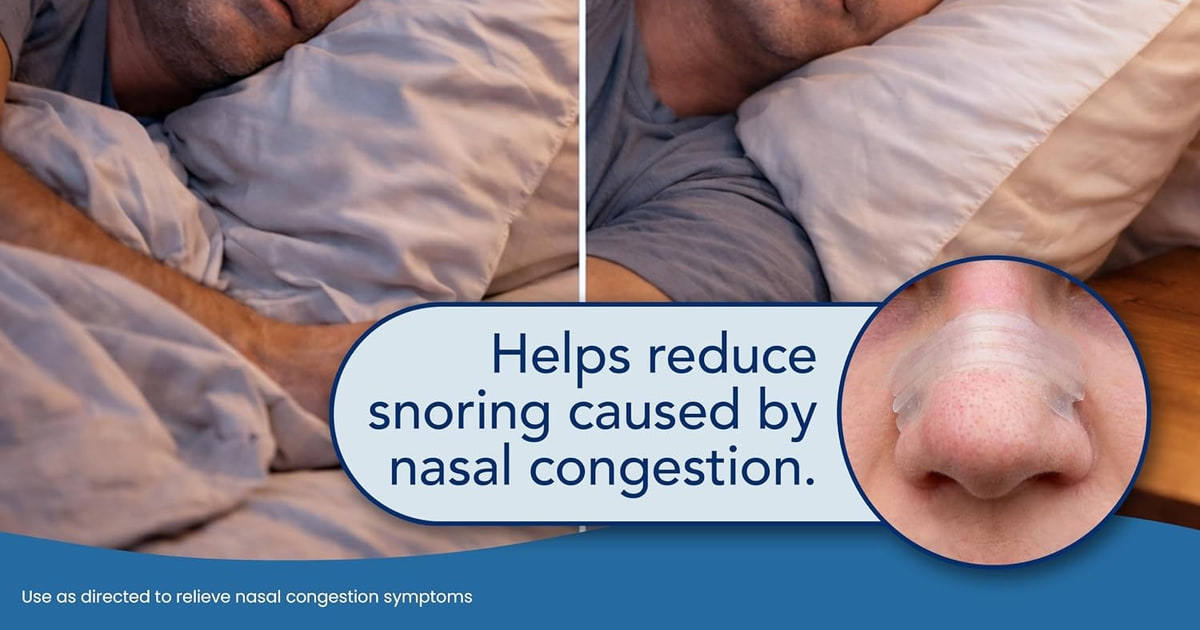
Snoring is one of those problems you rarely notice yourself. Your partner does. And once it's a nightly thing, the fixes people reach for first — a different pillow, an elbow to the ribs, moving to the couch — stop working fast. The devices that actually change the noise fall into a few buckets: mouthpieces that hold your lower jaw forward, a soft bulb that holds your tongue forward, and nasal openers that widen your airway at the nostril. Which one helps depends entirely on where your snore is coming from.
Here's the honest part. No device in this category is comfortable at first, and none of them work for everyone. Jaw-advancement mouthpieces cause sore teeth and morning jaw ache for a real share of users, and some people never adapt. Tongue-retaining devices can rub your gums raw. Nasal openers do nothing at all if your snore comes from soft tissue in your throat rather than a blocked nose. Owner feedback across every product here splits hard — the same device gets called life-changing and useless in the same week.
We'd also flag the bigger issue underneath. The American Sleep Apnea Association estimates 22 million Americans have sleep apnea, and up to 80% of moderate-to-severe cases go undiagnosed. None of these devices treat that. If you gasp, choke or wake up exhausted, see a doctor before you shop. That said, we think the ZQuiet Anti-Snoring Mouthpiece 2-Size Starter Pack is the best anti-snoring device for most people, and that the Good Morning Snore Solution is the one to buy if jaw pain, TMJ or dentures rule out a mouthpiece.
Everything we recommend

Two sizes to try, no molding, and you can still talk

Nothing touches your jaw, so dentures and TMJ aren't a problem

For nose-blocked snoring, without anything in your mouth

The simplest nasal fix, if adhesive on your face is fine
At a glance
| Product | Device Type | Size/Count | Price | |
|---|---|---|---|---|
| ZQuiet Anti-Snoring Mouthpiece 2-Size Starter PackTop pick | Mouthpiece | 2 Count | $59.95 |
 | Anti Snore Mouthpiece - FDA Cleared SnoringAlso consider | Mouthpiece | — | $49.99 |
| Good Morning Snore Solution Anti Snoring DeviceAlso great | Mouthpiece | Regular | $83.94 |
| Breathe Right Nasal StripsRunner-up | Nasal Strip | 44 Count | $16.97On sale |
| Rhinomed Mute Nasal Dilators for SleepBudget pick | Nasal Dilator | 3 Pack Starter | $17.99 |
How we picked
Root cause match. We sorted devices by which anatomical problem they actually address — jaw position, tongue position or nasal airflow — because a device aimed at the wrong cause simply won't work. Our lineup covers each category so you can pick based on your own snoring pattern.
Clearance and evidence. We favored devices with 510(k) FDA clearance stated on the listing over ones citing vaguer 'registered' language, and gave extra weight to designs evaluated in peer-reviewed research. Published meta-analyses in the Journal of Clinical Sleep Medicine show mandibular advancement devices cut snoring frequency by 45–75% in mild-to-moderate apnea patients.
Fit and adjustability. We looked for devices that let you start conservatively and escalate, since excessive jaw advancement is the main cause of morning soreness. Multi-size starter packs and adjustable stents scored higher than fixed, one-size designs.
Dental compatibility. We made sure the lineup includes options for people that jaw-advancement devices exclude — denture wearers, people with TMJ disorder, and anyone with extensive crowns or implants. Materials had to be BPA-free and medical grade.
Upkeep and cost per night. We compared how long each device lasts and what cleaning it demands, from disposable strips to reusable dilators rated for ten nights to mouthpieces that run for many months. A device that's a chore to clean is a device you'll stop using.
Top pick
Two sizes to try, no molding, and you can still talk
ZQuiet Anti-Snoring Mouthpiece 2-Size Starter Pack
The ZQuiet starter pack gives you two pre-set jaw positions so you can begin with the gentler one and move up only if you need to. The hinged design lets your mouth open and close normally, which makes the first few nights far less claustrophobic than a fused mouthpiece.
$59.95fromAmazonStarting gentle is the whole point of this kit. Size 1 advances your jaw about 2mm; Size 2 goes to roughly 6mm. Dental sleep practitioners generally endorse this approach — start with the least intrusive fit, escalate only if snoring persists. Most jaw soreness comes from too much advancement too soon. With a single-size device you don't get that choice, and if it's wrong for you, you're done.
The hinge matters more than it sounds. Most jaw-advancement mouthpieces lock your upper and lower trays together, so your mouth stays clamped shut all night. ZQuiet's living hinge lets your jaw open and close, which means you can sip water, talk to your partner, and breathe through your mouth if your nose stuffs up at 3 a.m. For anyone who feels trapped by a fixed appliance, that's the difference between using it and abandoning it in a drawer.
There's no boiling, no molding, no waiting. You open the case and put it in. That sounds minor until you've botched a boil-and-bite fit and permanently set a mouthpiece to the wrong bite. The trays are soft medical-grade material, BPA-free, and the listing states FDA clearance — which is the meaningful signal here, as opposed to the vaguer 'FDA registered' language a lot of snoring devices lean on.
Owner feedback is genuinely mixed, and we want you to know that going in. Plenty of people report their snoring dropped sharply from the first week. Plenty of others report tooth and jaw pain bad enough to quit. That split is normal for this whole category, not unique to ZQuiet — but the two-size approach at least gives you a lower-intensity option to fall back on before you give up entirely.
Flaws but not dealbreakers
Jaw and tooth soreness is the recurring complaint, and it's not rare. Some people adapt over a week or two; some never do. If you have TMJ problems, loose crowns, implants or extensive dental work, skip this and talk to your dentist first — jaw advancement puts steady pressure on your teeth every night.
It's bulkier in your mouth than a slim custom appliance, and drooling in the first few nights is common. The pack also isn't cheap for what amounts to two pieces of molded plastic, and the return situation on marketplace purchases has frustrated buyers who wanted out after a bad week.
The listing doesn't state a warranty term, so check the return window before you buy.
Also great
Nothing touches your jaw, so dentures and TMJ aren't a problem
Good Morning Snore Solution Anti Snoring Device
The Good Morning Snore Solution holds your tongue forward with light suction instead of pushing your lower jaw forward. That makes it the option to consider if you wear dentures, have TMJ pain, or simply can't tolerate a jaw-advancement mouthpiece.
$83.94fromAmazonThis is the pick for people that mandibular devices exclude. It sits between your lips and your front teeth and applies gentle suction to the tip of your tongue, pulling it forward and away from the back of your throat. Your jaw stays where it is. So do your teeth. If you wear dentures, have crowns you'd rather not stress, or your dentist has already told you no to jaw advancement, this is the category that's still open to you.
It has real research behind it, which is unusual here. Published peer-reviewed evaluation of this tongue-stabilizing design found reductions in both the Apnea-Hypopnea Index and snoring intensity in patients with mild obstructive sleep apnea. Most over-the-counter snoring devices have nothing like that. It doesn't guarantee it'll work for you — but it puts this one in a different tier of evidence than a generic plastic tray.
The build is about as simple as a sleep device gets. One piece of soft, flexible resin. No batteries, no straps, no hex keys, no boil-and-bite step to get wrong. You rinse it and you're done. Several long-term owners report using the same style of device for years, replacing it only when the material finally wears out, which spreads the cost thinner than the sticker suggests.
Flaws but not dealbreakers
The adjustment period is genuinely long — the manufacturer says several weeks, and owner feedback backs that up. The most common early complaint is the device rubbing against gums or the inside of the lips, sometimes badly enough to cause sores. A smaller size helps some people, so contact support before you write it off.
It's also the device most likely to fall out. If your tongue relaxes and breaks the suction, you'll wake up with it on the pillow. And like every device here, it won't fix snoring driven by severe obstructive sleep apnea — owners with serious apnea consistently report no change at all.
Budget pick
For nose-blocked snoring, without anything in your mouth
Rhinomed Mute Nasal Dilators for Sleep
Mute's nasal dilator sits inside your nostrils and props them open with adjustable stents. If your snoring comes from a stuffy nose, allergies or a collapsing nasal valve, this does more for you than any mouthpiece will.
$17.99fromAmazonNasal snoring and throat snoring are different problems, and this only solves the first one. If you snore mainly during allergy season, when you're congested, or you know you have a deviated septum or nasal valve collapse, a dilator addresses the actual bottleneck. Rhinomed's clinical data puts the airflow increase at an average of 38% versus no device. That's a meaningful number for a thing you can put in and forget about.
The starter pack is the right way to buy this. It ships with small, medium and large so you can find your size instead of guessing. Nostril anatomy varies enormously, and owner feedback makes clear that the wrong size is the single biggest reason people conclude it doesn't work. Each dilator is reusable for up to ten nights if you rinse it daily, which brings the cost per night down well below a disposable strip.
It's mostly internal and clear, so it's far less visible than a strip across your nose. There's no adhesive, so no residue and no skin irritation. Owners with nose piercings report it's workable. And unlike a mouthpiece, there's nothing pressing on your teeth or jaw, so it's fine alongside dental work of any kind.
Flaws but not dealbreakers
It does nothing for throat-vibration snoring, which is the more common cause. A lot of the disappointed feedback comes from people whose partners reported zero change — because the problem was never in their nose. Be honest with yourself about your congestion before buying.
Fit is fussy. Owners report inconsistency between the sizes in the starter pack and the sizes in follow-up boxes, and people with small nostrils or genuine nasal valve collapse often can't find a comfortable option at all. Ten nights per unit also means an ongoing purchase, not a one-time one.
Runner-upOn sale
The simplest nasal fix, if adhesive on your face is fine
Breathe Right Nasal Strips
Breathe Right Extra Strength strips stick across the bridge of your nose and pull your nostrils open from the outside. There's no fitting, no cleaning and no learning curve — you peel and stick, and that's the entire routine.
$16.97fromAmazonList priceIf you want the lowest-commitment thing on this list, it's this one. No sizing, no molding, no adjustment weeks. You put a strip on and go to sleep. The Extra Strength version uses spring bands the brand describes as 50% stronger than the original, and the listing cites up to a 31% improvement in nasal airflow. For congestion-driven snoring, that's often enough to quiet things down.
The strips are disposable, which cuts both ways but mostly helps with hygiene. There's nothing to rinse, nothing to sanitize, nothing sitting in a case growing bacteria. They're clear and hypoallergenic, made with 3M materials, so they're less obvious than the old tan strips and easier on sensitive skin. Owners with mild apnea and deviated septums report they're the difference between waking up repeatedly and sleeping through.
They also travel better than anything else here. A strip in your dopp kit weighs nothing and doesn't need a case, water or a cleaning routine. If your snoring is situational — allergy flare-ups, a cold, a dry hotel room — buying a box and using them only when you need them makes more sense than committing to a mouthpiece.
Flaws but not dealbreakers
The adhesive is the recurring gripe. Some people find it irritating on their skin, and it can leave residue that needs washing off in the morning. Others report the strips loosening or coming off partway through the night, especially if you sweat or use a moisturizer before bed.
And the same limit applies here as with any nasal device: if your snore starts in your throat, a strip won't touch it. It's a fix for a blocked nose, not for soft tissue vibrating at the back of your airway.
Who this is for
This guide is for habitual snorers who want to try something over the counter before booking a sleep dentist, and for the partners losing sleep next to them. Roughly 44% of adult men and 28% of adult women snore habitually, per the American Academy of Sleep Medicine, so you have a lot of company. It's also relevant if you've been diagnosed with mild obstructive sleep apnea and are looking at oral appliance alternatives — CPAP abandonment rates hit 30–50% in the first year according to AADSM surveys, and custom-made dental appliances cost many times what any device here does.
It's not for you if you have moderate-to-severe sleep apnea, or if you suspect you might. Nothing in this guide treats apnea, and using a snoring device to quiet the noise can mask a condition that needs real treatment. Gasping, choking, morning headaches or daytime exhaustion mean you need a sleep study, not a mouthpiece. We've also limited this guide to devices you wear — mouthpieces, tongue retainers and nasal openers. Positional trainers, pillow systems and anything requiring a prescription are outside its scope.
How we picked
Root cause match: we grouped devices by whether they move your jaw, hold your tongue or open your nose, because the wrong category is simply the wrong purchase. Clearance and evidence: we preferred listings stating 510(k) FDA clearance over vaguer wording, and weighted peer-reviewed evaluation heavily. Fit and adjustability: starter packs and adjustable designs beat fixed one-size models, since starting gentle is what prevents jaw soreness. Dental compatibility: the lineup had to include something for denture wearers and people with TMJ, using BPA-free medical-grade materials. Upkeep and cost per night: we compared lifespan and cleaning effort, because a fussy device gets abandoned.
Other anti-snoring mouthpieces and devices worth considering
If you want an adjustable boil-and-bite mouthpiece with spare parts: The Anti Snore Mouthpiece - FDA Cleared Snoring ($49.99) — This Reazeal mouthpiece takes the other approach to fit — you mold it to your own teeth in warm water rather than choosing between preset sizes. The listing states FDA clearance, and it ships with a case and replacement pads, which owners point to as the reason it lasts. What you give up is track record. The listing has only a handful of ratings behind it, so there's no long-term picture of how the material holds up or how the seller handles problems. If the molding step goes wrong, you're relying on those spares. We'd take ZQuiet's two-size approach first, but this is a reasonable second look if you specifically want a custom bite impression.
The competition
This is what our research surfaced on Amazon, not a census of the whole market. Several well-regarded devices — micro-adjustable mandibular appliances, hybrid jaw-and-tongue designs and bedside smart systems that inflate a pillow insert instead of putting anything in your mouth — weren't part of this lineup, so we can't speak to how they compare. Everything below is a product we looked at and didn't pick.
Care and first-week expectations
Rinse whatever you buy every single morning, before anything dries on it. Mouthpieces and tongue retainers need a gentle brushing with a soft toothbrush and cool water — hot water warps the material, and abrasive toothpaste scratches it, which gives bacteria somewhere to hide. Let it air-dry completely before it goes back in the case, since a sealed damp case is how devices start smelling. Nasal dilators just need a daily rinse and get replaced after about ten nights. Now the part nobody warns you about: the first week is unpleasant with every one of these. Expect drooling, a sore jaw or tender gums, and a stretch of nights where you wake up and take the thing out. That's normal and it usually fades. If soreness is getting worse rather than better after two weeks, stop and talk to your dentist.
Questions we get
Do anti-snoring mouthpieces actually work, or are they a gimmick?
The mandibular advancement category has real clinical support — meta-analyses in the Journal of Clinical Sleep Medicine show they cut snoring frequency by 45–75% in people with mild-to-moderate obstructive sleep apnea. But they don't work for everyone, and comfort is the main reason people quit. Match the device type to your cause of snoring and you improve your odds a lot.
What's the difference between a MAD and a TSD?
A mandibular advancement device (MAD) holds your lower jaw slightly forward, which opens the airway behind your tongue. A tongue-stabilizing device (TSD) leaves your jaw alone and instead uses light suction to hold your tongue forward. MADs are the more studied category, but TSDs are the option if jaw advancement is off the table for you.
What if I have TMJ, jaw pain or dentures?
Skip the jaw-advancement mouthpieces entirely. They put nightly pressure on your teeth and jaw joint, and they're contraindicated for active TMJ disorder. A tongue-stabilizing device like the Good Morning Snore Solution doesn't touch your jaw, and nasal dilators or strips don't go in your mouth at all. Check with your dentist either way.
Can I use one of these if I've been diagnosed with sleep apnea?
Talk to your doctor first. Oral appliances have a legitimate role in mild-to-moderate obstructive sleep apnea, which is part of why demand for CPAP alternatives keeps growing. But over-the-counter devices don't treat moderate-to-severe apnea, and quieting the snore can hide symptoms that still need attention. If you haven't had a sleep study, get one.
Are nasal strips better than a mouthpiece?
Only if your snoring starts in your nose. Strips and dilators widen your nasal airway, so they help with congestion, allergies and a deviated septum. They do nothing for soft tissue vibrating in your throat, which is the more common cause. If you snore just as loudly with a clear nose, you need a mouthpiece instead.
How long do these last before I replace them?
It varies widely. Nasal strips are single-use. Mute dilators are rated for about ten nights each with daily rinsing. Mouthpieces and tongue retainers typically run for many months of nightly use, and some owners report several years before the material finally gives out. Replace any of them sooner if you see cracks, tears or persistent discoloration.
Why you should trust us
For this guide:
- We read the manufacturer specifications and FDA clearance language for every device in this lineup, and compared how each one claims to work against the anatomical cause of snoring it targets.
- We reviewed published clinical findings from the Journal of Clinical Sleep Medicine, the American Academy of Sleep Medicine, the American Sleep Apnea Association and manufacturer clinical data from Rhinomed and MPowRx.
- We read through owner feedback themes for each product, paying particular attention to recurring complaints about fit, jaw soreness and the length of the adjustment period.
- We read owner reviews on every listing, weighted toward the critical ones, because that is where the recurring failures show up.
- We have a systematic way of automatically fetching the latest prices, so the numbers on this page stay current.
- This is a research-focused guide, so the team may not own every product listed — though we often do own the top winners, which gives us extra context for the recommendations.
- We don't accept free products, and the retailer commission never changes which product we recommend.
Sources
Clinical Practice Guideline: Oral Appliance Therapy for OSA — American Academy of Sleep Medicine, American Academy of Sleep Medicine (AASM)
Best Anti-Snoring Devices — Sleep Foundation, Sleep Foundation
Snoring: Diagnosis and Treatment — Mayo Clinic, Mayo Clinic
Snoring — Cleveland Clinic Health Library, Cleveland Clinic
Anti-Snoring Devices — WebMD, WebMD
Effectiveness of Mandibular Advancement Devices in Snoring — Verywell Health, Verywell Health
Best Anti-Snoring Devices of 2026 — Forbes Health, Forbes Health
Rhinomed Mute Nasal Dilator Clinical Evidence, Rhinomed (manufacturer clinical data)
Sleep Apnea Statistics — American Sleep Apnea Association, American Sleep Apnea Association
Oral Appliance Therapy Compliance — American Academy of Dental Sleep Medicine, American Academy of Dental Sleep Medicine
Anti-Snoring Devices Market Report 2025–2030, Grand View Research
Amazon product listings and owner reviews for all 5 products
Manufacturer specification pages for each product
Some passages in this guide may be paraphrased with AI help. Prices are refreshed automatically.
More like this.
Continue exploring health reviews and recommendations.

The Best Anti-Aging Face Serums
A serum is the step in a routine where the actual chemistry happens. Cleanser, moisturizer and sunscreen mostly support the work a serum does. A good one…

The Best Anti-Aging Face Moisturizers
An anti-aging moisturizer does two jobs at once. It keeps your face comfortable all day, and it carries actives - retinol, peptides, niacinamide - that…

The Best Anti-Fatigue Kitchen Mats
Standing on tile or concrete for an hour does something quietly awful to your body. Your heels ache first, then your knees, then your lower back around…

The Best Red Light Therapy Devices for Home Use
Red light therapy sounds exotic, but the routine is dull in the best way. You sit or stand in front of a panel for 10 to 20 minutes, a few times a week,…

The Best Fitness Trackers and Activity Bands
A fitness tracker earns its keep in the small moments. You glance down and see you've been sitting for three hours. You wake up and find out why you feel…

The Best Mini Trampolines and Rebounders
A rebounder is one of the few pieces of home cardio gear that people actually keep using. It takes up about as much floor space as an armchair, it doesn't…