The Best Doorframe Pull-Up Bars
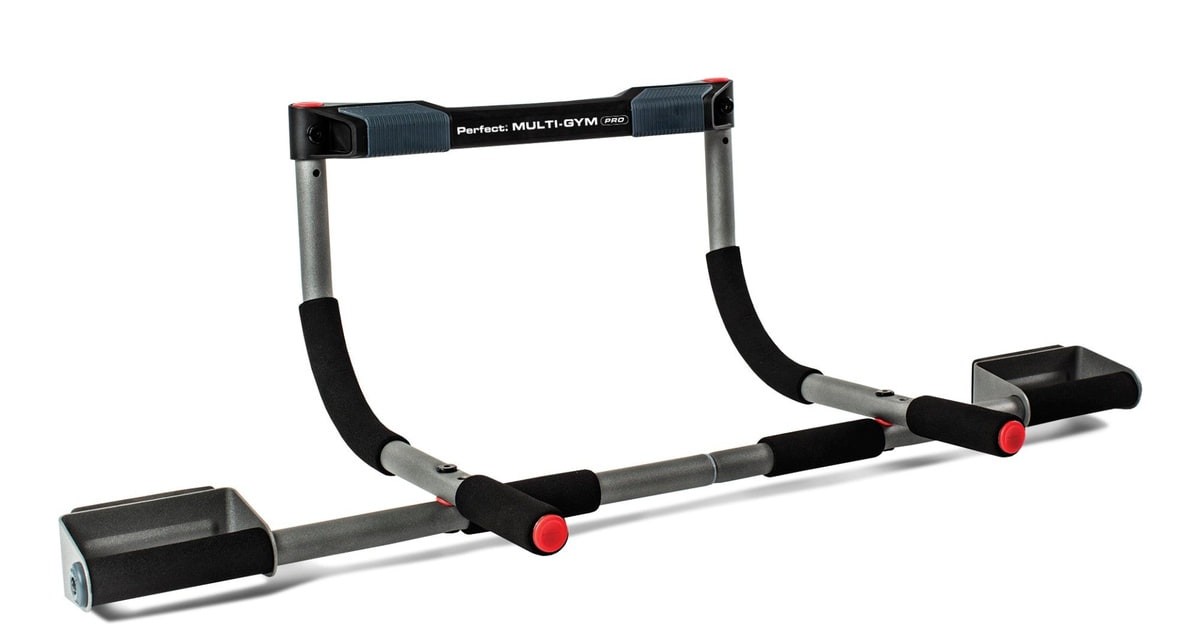
A pull-up bar is one of the simplest ways to build real upper-body strength at home. It hooks over your door molding, comes down in seconds, and doesn't need a single hole drilled. You get pull-ups, chin-ups, hanging leg raises, and on most models a floor push-up station too. If you've got a doorway and ten square feet of floor, you've got a gym. That's a lot of training from something you can stash under the bed between sessions.
Here's the catch nobody puts on the box: these bars only work if your door frame cooperates. They rely on a lever that grabs an inward-facing molding lip, so you need at least three-quarters of an inch of ledge to hook onto. Trim-free modern openings won't work at all. And every bar in this category, no matter how well made, puts pressure on painted wood. Careless installation leaves scuffs. Renters should plan for that, not hope around it.
Measure your doorway's interior opening before you buy anything — not the door itself, the frame. Most bars want 24 to 32 inches, and half an inch off in either direction means a wobble you'll feel at the top of every rep. We think that the Perfect Fitness Multi-Gym Pro is the best doorframe pull-up bar for most people, and that the Iron Gym Total Upper Body Workout Bar is the one to buy if you're brand new to pull-ups and want to spend as little as possible getting started.
Everything we recommend
Three grips, wide door range, and trim-friendly pads
The highest weight rating here, for the least money
Thick foam everywhere, if your hands or trim are sensitive
At a glance
| Product | Price | |
|---|---|---|
| Perfect Fitness Multi-Gym ProTop pick | $59.99 | |
| Iron Gym Total Upper Body Workout BarAlso in lineup | $47.99 | |
| ProSource Fit Multi-Use Doorway Chin-Up/Pull-Up BarAlso great | $35.99 | |
| Garren Fitness Maximiza Pull-Up BarAlso consider | $49.99 | |
| RELIFE REBUILD YOUR LIFE Doorway Pull-Up BarBudget pick | $108.25On sale |
How we picked
Weight capacity. We set a floor of 300 pounds rated capacity, because explosive movements can momentarily load a bar at up to twice your static weight. Anything rated lower left too little margin for a large adult doing kipping reps.
Door compatibility. We compared the stated fit range on every spec sheet against the 24-to-32-inch interior opening typical of U.S. residential doors. Bars that covered wider frames scored higher, since that's the most common reason a purchase gets returned.
Grip variety. We required at least two distinct grip positions and gave preference to bars offering a neutral or hammer grip. Published reviews consistently flag neutral grip as the shoulder-friendliest option for people with joint history.
Padding and trim safety. We read owner feedback for reports of paint scuffing, dented molding, and foam that flattened within weeks. Bars with rubberized or high-density foam contact points on both hands and frame came out ahead.
Stability under load. We prioritized published reviews that loaded bars dynamically rather than testing a static hang. A bar that feels solid during a slow hang can wobble badly during a kip.
Top pick
Three grips, wide door range, and trim-friendly pads
Perfect Fitness Multi-Gym Pro
The Perfect Fitness Multi-Gym Pro gives you wide, shoulder-width, and neutral grips on one bar, holds up to 300 pounds, and fits frames from 24 to 36 inches. Rubberized contact pads make it the safer pick if you care about your paint.
$59.99fromAmazonThree grip positions on one bar cover almost everything you'd want to train. Wide grip hits your lats and builds back width. Shoulder-width chin-ups pull in more bicep. The neutral handles, where your palms face each other, are the ones your shoulders will thank you for — they take pressure off the joint, which matters if you've got a cranky rotator cuff. Most bars make you pick two of those three.
It fits more doorways than nearly anything else without a telescoping joint. The Multi-Gym Pro spans frames from 24 to 36 inches, which covers standard interior doors, wider hallway passages, and most of what turns up in older houses. If you rent and move often, that range means the bar keeps working in the next apartment. Repositioning it from a bedroom door to an office door takes about half a minute and no tools.
The 300-pound rating gives you actual headroom, not just a number. Dynamic movement matters here. A kipping pull-up can momentarily load a bar at one and a half to two times your body weight, so a 200-pound person doing explosive reps is pushing well past 300 pounds of instantaneous force at the peak. Published reviews report only minimal lateral flex under heavy dynamic loads. If you train with a weighted vest, that margin is the whole point.
Rubberized contact pads protect your trim better than bare plastic. Every time you hang the bar and take it down, the contact points grind slightly against painted molding. Bare plastic leaves scuff marks within weeks. The rubberized pads here spread the pressure and cushion that contact, which is the difference between a security deposit you get back and one you argue about. It's a small design detail with an outsized payoff for renters.
The grip foam is dense enough for long sets. Thin foam compresses to nothing and leaves you gripping cold steel, which chews up your hands on high-rep days. The padding on this bar holds its shape, so you can get through a full session without your palms giving out before your back does. Beginners still building calluses will notice the difference most.
Flaws but not dealbreakers
It's bulkier and heavier than single-grip bars. At around four and a half pounds with a wide profile, this isn't the bar you toss in a suitcase. In a narrow hallway, the outer grips can feel like they're crowding the walls. If your training space is genuinely tight, a slimmer bar is easier to live with.
You pay more than you would for a bare-bones bar. The extra grips, the thicker foam, and the rubberized pads all cost something, and this sits above the entry-level options here. If you only ever plan to do standard overhand pull-ups in one doorway, you're paying for range you won't use.
Budget pickOn sale
The highest weight rating here, for the least money
RELIFE REBUILD YOUR LIFE Doorway Pull-Up Bar
The RELIFE bar offers three grip positions, a 330-pound rating, and a 24-to-36-inch door range at the lowest price in this guide. You give up padding thickness and finish consistency, but the steel underneath is solid.
$108.25fromAmazonList priceIt carries the highest rated capacity of any bar here. At 330 pounds, the RELIFE gives a heavier user more margin than bars costing considerably more. That headroom matters if you're over 200 pounds, if you train with a weighted vest, or if you do anything explosive. Published reviews found it flexed less than some more established competitors under comparable loads, which is not what most people expect from a budget bar.
Three grip positions at this price is unusual. Wide, shoulder-width, and neutral handles all come standard. Most bars in this tier drop the neutral grip first because it costs the most to tool. Keeping it means you can train shoulder-friendly pull-ups without buying a second piece of equipment, and it's the grip most beginners find easiest to hold for a full set.
The door-width range is as generous as our top pick's. It spans 24 to 36 inches, so it works in wide hallway frames and older construction that defeats the more common 24-to-32-inch bars. For a secondary bar at a second home, or a backup for a garage doorway, that flexibility is worth a lot.
The steel feels better than the price suggests. Owners consistently describe the tube and welds as sturdier than they expected, and the structural side is where this bar spends its money. The compromises show up in cosmetics, not in the parts holding you off the ground.
Flaws but not dealbreakers
The grip foam is thin and wears fast. It's noticeably less padded than the ProSource or the Perfect Fitness. If you're grinding out 80-plus reps a day, expect your hands to complain within the first couple of months. A cheap pair of gloves or some chalk closes the gap, but you'll want them.
The contact pads don't protect paint as well. They're less cushioned than the rubberized pads on our top pick, so daily install-and-remove cycles are rougher on trim. If you're a renter with a deposit on the line, spend up.
Finish quality varies between units. Owners report occasional paint inconsistencies and cosmetic blemishes out of the box. It's not a structural problem, but it's the kind of thing you notice. Support from the brand is also less established than the bigger names here.
Also great
Thick foam everywhere, if your hands or trim are sensitive
ProSource Fit Multi-Use Doorway Chin-Up/Pull-Up Bar
The ProSource Fit wraps high-density foam around both the grip handles and the door-frame contact points. If you train high volume or you're worried about your landlord noticing the molding, this is the gentlest bar in the group.
$35.99fromAmazonThe padding is the thickest in its class, on both ends. Most manufacturers pad the handles and cut costs on the contact points. ProSource pads both. That means less friction on your palms during long sets and less abrasion on painted trim every time the bar goes up and comes down. It's the single reason to pick this bar over the others.
The foam holds its density instead of flattening out. Published reviews describe it as still resilient after roughly three months of regular use, with visibly less compression than competing bars over the same stretch. That's the real problem with cheap padding: it looks fine in the photos, then compresses to nothing in a month and leaves you on bare metal. This foam lasts.
It has three grip positions, including neutral handles. Wide, shoulder-width, and neutral all come standard, so you're not giving up training variety to get the comfort. The neutral grip is the one to reach for if pull-ups aggravate your shoulders — it's a gentler joint angle through the whole pull.
The 300-pound rating and quick-release lever handle daily use. It hangs and comes down without tools, and the rating leaves reasonable margin for most people doing standard reps. If you're doing 100-plus reps a day across a week, comfort compounds — this is the bar that lets you keep going when your hands would otherwise stop you.
Flaws but not dealbreakers
It tops out at 32 inches, so wide frames are out. If your doorway measures more than 32 inches across the interior opening, this bar won't fit and there's no adjusting it. Measure first, and if you're over, look at the Garren.
The neutral handles sit close together. Broad-shouldered users report the hammer-grip position feels cramped. It's usable, but it's not the wide neutral spacing you'd get from parallel bars or rings.
The steel gauge is a little softer than our top pick's. Some owners with months of high-frequency use report minor play developing in the locking mechanism. It's not a safety failure, but it's a wobble you'll feel, and it's worth checking the lever seating periodically.
Who this is for
Buy one of these if you want to train pull-ups at home and you can't or won't drill into a wall. That covers most renters, most apartment dwellers, and plenty of homeowners who'd rather not patch drywall. These bars suit beginners working toward a first rep and intermediate lifters adding volume between gym days. They're also a solid backup for anyone who travels between two places. The whole appeal is that setup and teardown take under a minute.
Skip this category if your doorway has no inward-facing molding lip of at least three-quarters of an inch — the lever has nothing to grab, and no amount of tightening fixes that. Skip it too if you're heavy enough that even a 330-pound rating feels tight once you add dynamic movement, or if you plan to train muscle-ups and heavy weighted work. Those call for a bolted wall mount or a proper rack. This guide covers no-screw lever bars only. Screw-in bracket systems, ceiling mounts, and freestanding towers are a different purchase.
How we picked
We built this guide around five things that decide whether a bar gets used or returned. Weight capacity: we required at least 300 pounds rated, because explosive reps can momentarily load a bar at nearly double your body weight. Door compatibility: we checked every spec sheet's fit range against the 24-to-32-inch opening standard in U.S. homes, and rewarded bars that go wider. Grip variety: two positions minimum, with credit for a neutral grip that spares your shoulders. Padding and trim safety: we combed owner feedback for scuffed paint, dented molding, and foam that flattens in a month. Stability: we leaned on published reviews that loaded bars dynamically, since a static hang tells you almost nothing about how a bar behaves mid-kip.
Other doorframe pull-up bars worth considering
If your door frame is wider than 32 inches: The Garren Fitness Maximiza Pull-Up Bar ($49.99) — The Garren Fitness Maximiza is probably your only no-screw option. Its telescoping steel body adjusts anywhere from 24 to 36 inches with a hand-tightened twist-lock collar, which takes about five seconds to set. That solves the single biggest compatibility problem in this category — older homes, converted lofts, and wide hallway passages routinely defeat fixed-width bars. What you give up is grip variety: it offers wide and shoulder-width positions only, with no dedicated neutral handles, so shoulder-conscious trainees will need rings or parallel bars to fill that gap. It's also the heaviest bar here at around five and a half pounds, and the telescoping joint adds a second flex point under very heavy dynamic loading. Check the collar tightness periodically, since owners report it can creep loose over repeated sessions.
The competition
Here's what our research turned up — not everything sold in this category, but the models that surface repeatedly across published reviews and owner feedback. One bar landed here rather than in the picks, and it's a reasonable buy for the right person.
The Iron Gym Total Upper Body Workout Bar ($47.99) — The Iron Gym Total Upper Body Workout Bar is the original no-screw doorframe bar and still one of the best-selling pieces of fitness equipment ever made. Its lever mechanism uses your body weight to self-tighten against the molding — the heavier the load, the harder it grips — and that design has been proven over more than a decade of continuous production. It gives you three grip positions, a 300-pound rating, and a floor push-up conversion, all at the lowest entry point for a multi-grip bar. Two things kept it out of the picks. The foam is thin, and owners doing more than about 50 reps a session consistently report hand fatigue and irritation without gloves. And its 24-to-32-inch range shuts out wider frames that our top pick handles fine. Still, if you're buying your first bar, want the least expensive way in, and plan to wear gloves anyway, it's hard to argue with a design this well proven.
Installation and door-frame care
Wipe the molding ledge with a dry cloth before you hang the bar the first time. Grit trapped under a contact pad grinds into paint even when the pad is rubberized. Lay a thin strip of painter's tape along the top face of the molding as a buffer and swap it out every few weeks. Take the bar down after each session rather than leaving it up — constant static pressure slowly compresses wood trim, and that dent doesn't come back out. Check your foam pads about once a month and replace them when they look visibly flattened. Before you add a weighted vest or start kipping, hang motionless for a full ten seconds to confirm the bar is seated properly in your specific frame.
Questions we get
Will a doorframe pull-up bar damage my door frame?
It can, if you're careless. Paint scuffs, small dents, and compression marks in wood trim are the usual complaints. Choose a bar with rubberized or thick foam contact pads, put painter's tape under the contact points, and take the bar down after every session. Owners who do all three generally report no visible damage after a year of regular use.
How much weight can these bars hold?
The bars here are rated between 300 and 330 pounds. The RELIFE carries the highest rating; the other four are rated at 300. Pick a bar rated at least 50 pounds above your body weight, and add another 50 if you kip, do plyometric reps, or train in a weighted vest. Explosive movement briefly generates far more force than your static weight.
Which bar should a total beginner buy?
The Iron Gym is the easiest way in — proven design, three grips, fast setup, and the lowest entry point of any multi-grip bar here. If you'd rather buy once, the Perfect Fitness Multi-Gym Pro has better padding and a wider door range, and it'll still suit you when your training gets more serious. Beginners should plan on gloves either way while calluses build.
How do these stay up without screws?
A lever mechanism hooks over the interior door molding. When you hang, your weight pushes the near end of the lever down, which levers the far end up and clamps the bar tighter against the trim. The heavier you are, the harder it grips. This is exactly why your frame needs an inward-facing molding lip of at least three-quarters of an inch — without that ledge, there's nothing to grab and the bar isn't safe.
What door width do I need?
Most bars want an interior opening of 24 to 32 inches. Measure the frame's opening, not the door slab. Standard U.S. interior doors run about 28 to 32 inches, but hallway and passage doors in older buildings vary. If you measure over 32 inches, the Garren Fitness Maximiza is the only bar here that telescopes far enough to fit.
What's the difference between pull-ups and chin-ups?
Grip orientation shifts the emphasis. Pull-ups use an overhand grip and load the lats, teres major, rear delts, and rhomboids, which builds back width. Chin-ups use an underhand grip and pull more work into the biceps while still training the lats through full range. Neutral grip, palms facing each other, splits the load and puts your shoulder in a friendlier position. Rotating all three through the week gives you the most complete stimulus.
Why you should trust us
For this guide:
- We read published reviews and roundups from major fitness and consumer outlets covering no-screw doorframe bars, and compared their stability findings across models.
- We cross-checked manufacturer specifications for rated capacity, door-width range, and grip configuration on every bar in this guide.
- We reviewed owner feedback for recurring themes around foam durability, paint damage, and lever hardware loosening over months of use.
- We read owner reviews on every listing, weighted toward the critical ones, because that is where the recurring failures show up.
- We have a systematic way of automatically fetching the latest prices, so the numbers on this page stay current.
- This is a research-focused guide, so the team may not own every product listed — though we often do own the top winners, which gives us extra context for the recommendations.
- We don't accept free products, and the retailer commission never changes which product we recommend.
Sources
Best Pull-Up Bars 2026 — Wirecutter, Wirecutter / New York Times
Best Pull-Up Bars: Expert-Tested and Reviewed — Barbend, Barbend
Best Pull-Up Bars for Home Gyms — Garage Gym Reviews, Garage Gym Reviews
The Best Pull-Up Bars, Tested by Editors — Men's Health, Men's Health
Best Pull-Up Bars, Tested and Reviewed — Verywell Fit, Verywell Fit
Best Pull-Up Bar 2026 — CNET, CNET
Best Pull-Up Bars Reviewed — Women's Health, Women's Health
Pull-Ups: Muscles Worked, Benefits, and Variations — Healthline, Healthline
Amazon product listings and owner reviews for all 5 products
Manufacturer specification pages for each product
Some passages in this guide may be paraphrased with AI help. Prices are refreshed automatically.
More like this.
Continue exploring health reviews and recommendations.

The Best Toilet Safety Rails and Grab Bars
Getting on and off the toilet is one of the most repeated movements in anyone's day, and it's also one of the riskiest. AARP identifies the toilet…

The Best Bar Carts for Home Entertaining
A bar cart earns its spot in a room by doing two jobs at once. It holds your bottles, glasses and cocktail tools where you can reach them, and it looks…

The Best Pull-Out Cabinet Organizers
A base cabinet is mostly dead space. You've got 22 inches of depth, and you can comfortably reach maybe 14 of them. Everything past that turns into a…

The Best Truck Nerf Bars And Running Boards
A modern half-ton truck sits high enough that climbing in becomes a small daily workout. Add a lift kit and it's a real one. Nerf bars and running boards…

The Best No-Pull Dog Harnesses
A dog that pulls turns a walk into a workout. You brace, they lean, and by the third block your shoulder aches and nobody's having fun. A good no-pull…

The Best Pull-Down Kitchen Faucets
A kitchen faucet is the thing you touch most and think about least. You grab it with wet hands, greasy hands, a stockpot hooked in one arm. A pull-down…