The Best Instant Pots and Pressure Cookers
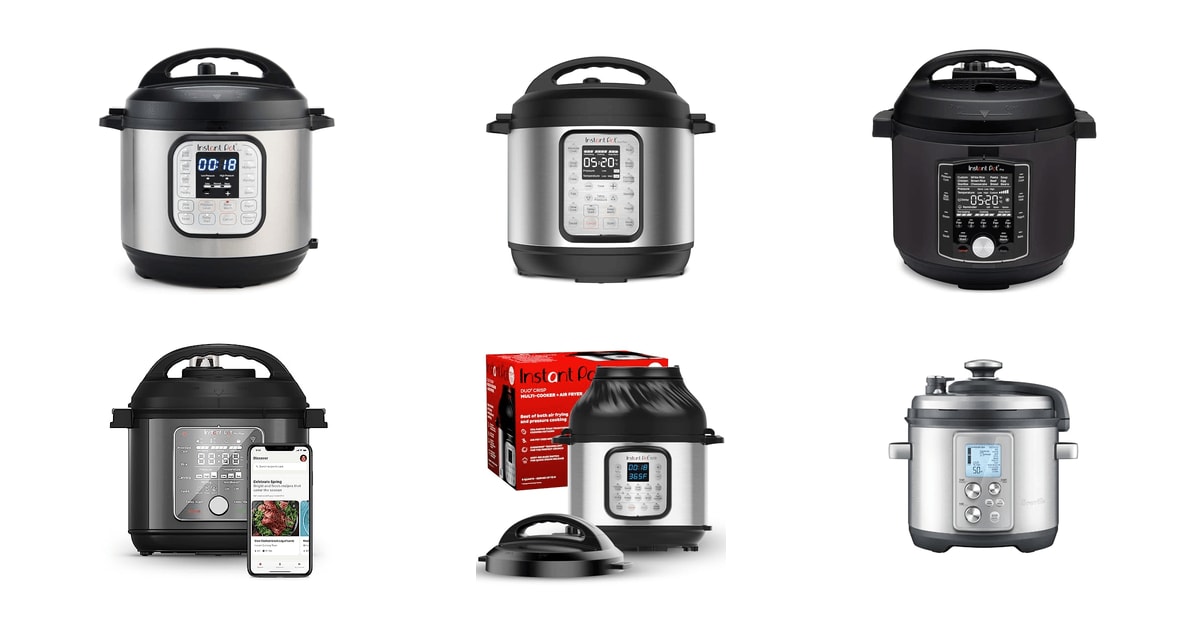
An electric pressure cooker earns its counter space by collapsing time. A pot roast that needs three hours on the stove is done in under an hour, according to America's Test Kitchen, and Serious Eats found that chicken stock which normally simmers for eight hours comes together in about 45 minutes with comparable depth. Instant Brands says 73% of registered owners use their cooker at least three times a week, mostly for soups, beans, and grains. Those are exactly the foods that used to require planning ahead.
No pressure cooker is actually instant, and the marketing rarely says so. Every pot needs ten to twenty minutes to build pressure before the timer even starts, and a natural release can add fifteen more. The sealing ring soaks up garlic and chili and holds onto it. Sautéing works, but the pot is deep and narrow, so browning meat takes several batches. And none of these machines are a substitute for a tested pressure canner if you want to put up low-acid vegetables safely.
We looked at the models people actually cross-shop, compared what published reviews and lab reports found, and read through the complaints owners repeat most. Capacity, inner pot material, steam release design, and how legible the controls are did most of the sorting. We think that the Instant Pot Duo 7-in-1 is the best pressure cooker for most people, and that the Instant Pot Duo Plus 9-in-1 is the one to buy if you want a clearer display and a couple of genuinely useful extra modes.
Everything we recommend

The simple, reliable one most kitchens should start with

A clearer screen and sous vide for a small step up

Quieter steam, altitude adjustment, and fewer rough edges

An air fryer stacked on a pressure cooker, if you have room
At a glance
| Product | Capacity | Functions | Price | |
|---|---|---|---|---|
| Instant Pot Duo 6 Qt 7-in-1 ElectricTop pick | 6 Qt | 7-in-1 | $79On sale |
| Instant Pot Duo Plus 6 Qt 9-in-1Runner-up | 6 Qt | 9-in-1 | $61.74 |
| Instant Pot Pro 6 Qt 10-in-1 ElectricUpgrade pick | 6 Qt | 10-in-1 | $169.99 |
 | Instant Pot Pro Plus 6 Qt 10-in-1Also in lineup | 6 Qt | 10-in-1 | $229.95 |
| Instant Pot Duo Crisp 8 Qt 11-in-1Also great | 8 Qt | 11-in-1 | $219.99 |
 | Breville Fast Slow Pro Pressure Cooker BPR700BSSAlso consider | 6 Qt | 11 Settings | $329.95 |
How we picked
Pressure consistency. We compared published lab findings on how tightly each cooker holds its target pressure across a full cycle. Anything that drifts noticeably will under-cook beans and overshoot on delicate proteins.
Inner pot material. We favored 18/8 stainless steel with a tri-ply or thick-core base, which sears well and survives years of scrubbing. Coated pots got a closer look at long-term owner feedback about wear.
Steam release design. We weighed how loud, splattery, and fiddly each release mechanism is, using published comparisons and recurring owner complaints. A diffused or automatic release counted for a lot in small kitchens.
Controls you can read. We looked at whether the display tells you what the pot is doing — climbing to pressure, holding, counting down — rather than just showing a number. Ambiguity is the main reason first recipes fail.
Parts and upkeep. We checked spec sheets for dishwasher-safe lids and pots, and confirmed that sealing rings and racks are sold as replacement parts. Rings are consumables, and availability matters over a decade of use.
Top pickOn sale
The simple, reliable one most kitchens should start with
Instant Pot Duo 6 Qt 7-in-1 Electric
The Duo covers the seven jobs most people actually want from a pressure cooker, with a stainless inner pot you can sear in and a plain button-and-LED interface. It's the model most online recipes are written around, which makes it by far the easiest one to learn on.
$79fromAmazonList priceThis is the one to buy if you've never owned a pressure cooker. The Duo does the seven things people use — pressure cook, slow cook, sauté, steam, rice, yogurt, keep warm — and it doesn't bury any of them behind a submenu. Instant Pot says it cooks up to 70% faster than slow cooking, and that's the part you'll feel on a Tuesday night. Beans, chili, and rice all land in the same pot.
The inner pot is 18/8 stainless with a tri-ply bottom, and that matters more than the function count. You can brown short ribs in it, scrape up the fond, then lock the lid and walk away. Nothing flakes off after two years the way a nonstick coating eventually does. Scrub it with steel wool or run it through the dishwasher; it doesn't need babying.
Reliability is the real argument here. Consumer Reports' owner survey found that fewer than 5% of Instant Pot owners ran into a problem within the first three years, the best predicted reliability in the electric pressure cooker category. The Duo is also the model most recipes are written against. So when a blog says eight minutes at high pressure with a ten-minute natural release, it means this pot.
Steam release is the part beginners dread, and the Duo handles it better than you'd expect. Wirecutter found its quick release quieter and more controlled than the Instant Pot Ultra's, with less splatter across the counter. You still get a startling hiss the first few times. But you're not standing there in an oven mitt, poking at the valve from arm's length with a wooden spoon.
Flaws but not dealbreakers
The display is a small red LED readout, and it tells you almost nothing. There's no live pressure indicator, and the countdown doesn't start until the pot reaches pressure, so the first ten or fifteen minutes feel like nothing is happening. Something is happening. You just have to trust it.
The lid has nowhere to go. There's no hinge and no slot on the base to park it in, so it either balances on the rim or drips onto your counter. It's a small annoyance, but you'll meet it every single time you cook.
Runner-up
A clearer screen and sous vide for a small step up
Instant Pot Duo Plus 6 Qt 9-in-1
The Duo Plus adds sous vide, a sterilize mode, and a far more readable display to the Duo's core recipe. If you want to see time, temperature, and pressure at a glance instead of guessing, this is the small upgrade that pays off every week.
$61.74fromAmazonEverything good about the Duo carries over. Same 6-quart size, same 18/8 stainless pot with an anti-spin tri-ply base, same core programs. What changes is the screen. The Duo Plus puts cooking time, temperature, and pressure on a proper display instead of a bare red number, so you can tell at a glance whether the pot is still climbing to pressure or already counting down your recipe.
Sous vide is the addition you'll actually use. It holds a low water temperature steadily enough for chicken breasts, salmon, and steak you plan to sear afterward. It won't match a dedicated circulator for precision or capacity, and there's no circulation, so you'll want to give things room in the water. For an occasional weeknight steak, though, it saves you from buying another gadget.
The sterilize mode is quieter than it sounds but genuinely handy if you have a baby in the house or you can jam. It runs hot enough to sanitize bottles, pump parts, and jars without you boiling a stockpot. The detachable power cord is the other small mercy — you can coil it separately and slide the pot into a cabinet instead of wrestling a fixed cable.
This is the version to get if the Duo's stripped-down interface bothers you but the Pro feels like more machine than you need. You're paying a modest step up for legibility and two extra modes, not for a different cooking experience. The food comes out the same. Your relationship with the control panel gets noticeably better.
Flaws but not dealbreakers
The steam release is the same basic switch as the Duo's, which means the same abrupt hiss and the same fine mist of soup on your cabinets if you quick-release a full pot. Point it away from the wall and use a natural release for anything starchy.
There's no altitude adjustment. If you live above 3,000 feet, this pot will consistently under-cook beans and tough cuts unless you extend times yourself, and that means trial and error with every new recipe.
Upgrade pick
Quieter steam, altitude adjustment, and fewer rough edges
Instant Pot Pro 6 Qt 10-in-1 Electric
The Pro brings a diffused, much gentler steam release, a dishwasher-safe lid, 28 one-touch programs, and an altitude adjustment that matters if you live at elevation. It's the model to buy if you cook under pressure several times a week and want the annoyances sanded down.
$169.99fromAmazonThe steam release alone justifies the upgrade for a lot of people. Instead of a spring-loaded valve that goes off like a kettle, the Pro uses a gentle release switch with a diffusing cover, so the pressure bleeds out quietly and the spray stays contained. If your kitchen is open to a living room, or a sleeping toddler is twenty feet away, that difference is not subtle.
Altitude adjustment is the other reason. Water boils at a lower temperature as you climb, which means a standard high-pressure setting doesn't get as hot as it does at sea level. America's Test Kitchen found the Pro's altitude compensation essential above 3,000 feet, where uncompensated cookers reliably turn out beans that are still chalky and pot roast that hasn't given up. Denver, Albuquerque, Salt Lake City — this is your pot.
The small stuff adds up over a few hundred meals. Both the lid and the inner pot go in the dishwasher, so the worst cleanup job becomes someone else's problem. Instant Pot says it preheats about 20% faster than earlier models, which trims a few minutes off the dead time before the timer starts. And the 28 one-touch programs cover more of what you'd otherwise set by hand.
The cooking range widens too, with sous vide, bake, and sterilize joining the usual lineup. None of those turn the Pro into a specialist appliance. But if you'd rather not own a yogurt maker, a rice cooker, and a steamer basket you dig out twice a year, this consolidates the lot into one pot that lives on the counter.
Flaws but not dealbreakers
It costs meaningfully more than the Duo, and the food it makes is the same food. If you pressure cook once a month and your kitchen is at sea level, you're paying for refinement you won't notice.
Twenty-eight programs is a lot of menu. Most of them are just time-and-pressure presets you could dial in yourself, and hunting for the right one can take longer than setting it manually.
Also great
An air fryer stacked on a pressure cooker, if you have room
Instant Pot Duo Crisp 8 Qt 11-in-1
The Duo Crisp ships with two lids: one pressure cooks 8 quarts of chili, the other air fries wings at up to 450 degrees. If your counter can only hold one appliance, this is the one that credibly does the work of two.
$219.99fromAmazonThe two-lid setup is less awkward than it sounds. You pressure cook with the sealing lid, swap in the air fryer lid, and crisp the same food in the same pot without moving anything. Barbecue chicken thighs go tender under pressure, then get sticky and browned under the fan. Carnitas work the same way. It's a genuinely different way to cook, not a checkbox.
The air fryer half is a real air fryer, not a token setting. Instant Pot's EvenCrisp system runs from 70 to 450 degrees and claims 95% less oil than deep frying, and it handles the standard weeknight lineup — frozen fries, wings, broccoli, salmon — without a separate machine on the counter. Roast, bake, and dehydrate come along too.
At 8 quarts, this is the batch-cooking size. That's a whole chicken with room to spare, a double batch of stock, or enough chili to freeze half. If you cook for six on Sunday and eat it through Wednesday, the extra capacity is the point. The inner pot is 18/8 stainless with a tri-ply bottom and silicone handles, and it's safe on the stovetop and in the oven.
You're trading counter space for versatility, and that's a fair trade only if you'd otherwise own two appliances. Someone who already has an air fryer they like should buy the Duo or the Pro and stop there. Someone starting from an empty counter in a small apartment gets a lot of range out of one plug.
Flaws but not dealbreakers
It's big. At more than 15 inches tall and over 22 pounds, it won't slide under standard upper cabinets, and moving it takes both hands. Measure before you buy.
The air fryer lid is heavy, hot after use, and has to go somewhere while you're pressure cooking. Most owners end up dedicating a shelf or a corner of the counter to it, which quietly claws back some of the space the combo was supposed to save.
The 8-quart size needs more liquid to reach pressure and takes longer to get there, so quick weeknight cooking for two feels slower than it would in a 6-quart pot.
Who this is for
Buy one of these if you cook dried beans, stock, tough braising cuts, grains, or big pots of soup, and you'd like to stop planning three hours ahead. A pressure cooker also gives back a nutritional edge on legumes: the Good Housekeeping Institute found pressure-cooked dried beans retained roughly 28 to 30% more B vitamins and minerals than the same beans boiled on the stovetop to equal doneness. If you cook for two to six people, a 6-quart model is the right size. Go to 8 quarts only if you regularly feed a crowd or batch-freeze stock.
Skip it if you mostly cook quick things — a stir-fry, a sheet-pan dinner, pasta. The come-to-pressure time eats the savings on anything that was already fast. This guide covers countertop electric pressure cookers and multi-cookers, including the air fryer combo models. It doesn't cover stovetop pressure cookers, standalone slow cookers, or pressure canners, and none of the machines here should be used to can low-acid foods.
How we picked
We started from the criteria that separate a cooker you keep from one you shove in a closet. Pressure consistency: how tightly the pot holds its target across a long cycle, since drift shows up as chalky beans and overcooked fish. Inner pot: 18/8 stainless with a tri-ply or thick-core bottom, which sears properly and doesn't shed a coating after a few years. Steam release: how loud, messy, and fiddly the quick release is, because that's the moment beginners get spooked. Controls: a display that tells you what stage the pot is in, not just a countdown that appears out of nowhere. Upkeep: dishwasher-safe lids and pots, plus sealing rings you can actually reorder.
Other instant pots and pressure cookers worth considering
If you want the most precise pressure control: The Breville Fast Slow Pro Pressure Cooker BPR700BSS ($329.95) — The Breville Fast Slow Pro uses dual sensors at the top and bottom of the bowl, and Reviewed's lab work found it held high pressure within ±0.5 PSI of target across a continuous 60-minute cycle — the tightest tolerance of anything they measured. It gives you eight pressure levels from 1.5 to 12 PSI, an LCD that shows pressure, temperature, and countdown, and a hands-free auto steam release that picks quick, pulse, or natural on its own. The hinged lid is removable and dishwasher safe. What you give up is the stainless inner pot: Breville's bowl is ceramic-coated, so it's PFOA- and PTFE-free and doubles as a serving dish, but coatings wear where bare steel doesn't. It's also the most expensive pot here, and most weeknight cooking won't reveal the difference.
The competition
This is what our research surfaced among widely available models, not a survey of everything on the market. A cooker showing up here isn't a warning — it usually just lost a close call to one of the picks on price, size, or a feature you may not need.
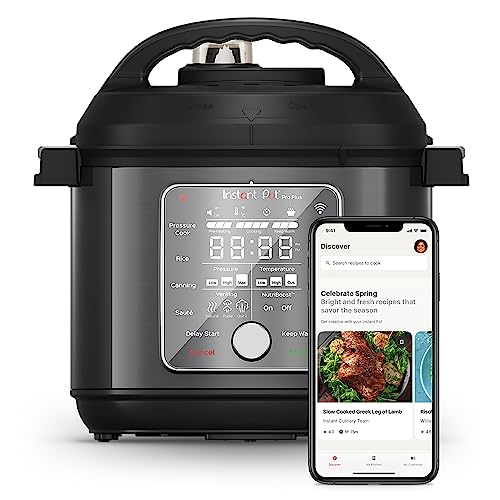
The Instant Pot Pro Plus 6 Qt 10-in-1 ($229.95) — The Instant Pot Pro Plus is the Pro with a phone attached. It adds built-in Wi-Fi and the Instant Connect app, which carries more than 2,000 guided recipes and lets you monitor a cook or switch functions from the couch, and Tom's Guide confirmed it works with Alexa and Google Home for voice status checks. WhisperQuiet release is the quietest of any Instant Pot here, and NutriBoost pulses the pot to improve texture in risotto and broths. It lost to the Pro on simple math: you're paying extra for connectivity, and a pressure cooker is an appliance you stand near anyway. Buy it if the app genuinely appeals to you, or if a near-silent release is worth real money in an open-plan apartment.
Care and maintenance
The sealing ring is the part that fails you first, and it fails by smell. Silicone absorbs garlic, curry, and chili, then hands it back to your rice pudding. Most owners keep two rings and label them, one for savory and one for sweet, and plan on replacing each every twelve to eighteen months as the silicone stiffens and stops sealing cleanly. Between cooks, pull the ring out and wash it, then check the anti-block shield under the lid for stuck bits — that's where a clogged valve starts. Wipe the rim of the base and the float valve too. Store the lid upside down on the pot instead of sealed shut, so air can move through and the ring dries out.
Questions we get
What size pressure cooker do I need?
Six quarts fits the vast majority of households, covering two to six servings comfortably and handling a whole chicken or a big pot of soup. Step up to 8 quarts only if you routinely cook for eight or more, or if you batch-freeze stock and chili. Bigger pots need more liquid and take longer to reach pressure, so the extra capacity has a real weeknight cost.
Is the Instant Pot Pro worth upgrading from the Duo?
It depends on where you live and how often you cook. If you're above 3,000 feet, the Pro's altitude adjustment is the difference between properly cooked beans and chalky ones, and America's Test Kitchen treats it as essential at elevation. At sea level, you're paying for a quieter diffused steam release, a dishwasher-safe lid, and faster preheating. Those are nice, but the food is the same.
Can I cook frozen chicken without thawing it?
Yes, and it's one of the best arguments for owning a pressure cooker. Add liquid, add the frozen pieces, and extend the cook time by roughly half over the fresh-thawed version, then check the thickest part with a thermometer before serving. Frozen food takes longer to bring the pot up to pressure, so the total time on the clock stretches more than the program suggests. Don't try it with a whole frozen bird — the interior lags too far behind.
Can I use one of these for pressure canning?
Not for low-acid foods like green beans, corn, or plain tomatoes. Electric multi-cookers aren't a substitute for a tested, dial- or weighted-gauge pressure canner, and the USDA process times assume that equipment. Some models include a canning setting, but manufacturers limit it to high-acid recipes such as jams, pickles, and properly acidified tomatoes. If you want to put up low-acid vegetables safely, buy a real canner.
How often should I replace the sealing ring?
Plan on every twelve to eighteen months with regular use, sooner if the ring looks stretched, feels stiff, or won't hold pressure. A ring that carries last month's curry into your oatmeal is also telling you something. Keeping two rings — one for savory cooking, one for sweet — solves the odor problem more reliably than any cleaning trick.
Can it fully replace my slow cooker?
For most recipes, yes, though the results aren't identical. Every model here has a slow cook mode, but the heat comes from the bottom rather than wrapping around a stoneware crock, so long cooks can run hotter at the base and need an occasional stir. If you love a specific slow cooker recipe, expect to adjust it. If you mostly want tender meat by dinnertime, pressure cooking gets you there in a fraction of the time anyway.
Why you should trust us
For this guide:
- We read published lab reports and reviews from America's Test Kitchen, Serious Eats, Reviewed, Wirecutter, Consumer Reports, the Good Housekeeping Institute, and Tom's Guide alongside each manufacturer's own specifications.
- We compared inner pot materials, steam release designs, program counts, display types, and capacity across every model in this guide.
- We leaned on recurring themes in owner feedback — sealing ring odor, come-to-pressure time, lid storage, and cleanup — to write the flaws sections.
- We read owner reviews on every listing, weighted toward the critical ones, because that is where the recurring failures show up.
- We have a systematic way of automatically fetching the latest prices, so the numbers on this page stay current.
- This is a research-focused guide, so the team may not own every product listed — though we often do own the top winners, which gives us extra context for the recommendations.
- We don't accept free products, and the retailer commission never changes which product we recommend.
Sources
Best Electric Pressure Cookers — Wirecutter (NYT), Wirecutter
Best Electric Pressure Cookers — Serious Eats, Serious Eats
Best Electric Pressure Cookers — America's Test Kitchen, America's Test Kitchen
Pressure Cookers Ratings & Reviews — Consumer Reports, Consumer Reports
Best Pressure Cookers — Good Housekeeping Institute, Good Housekeeping
Best Instant Pot of 2026 — CNET, CNET
Best Instant Pots 2026 — Tom's Guide, Tom's Guide
Best Pressure Cookers — The Spruce Eats, The Spruce Eats
Best Pressure Cookers Tested — Reviewed (USA Today), Reviewed (USA Today)
Multi-Cooker & Electric Pressure Cooker Market Outlook — Statista, Statista
Amazon product listings and owner reviews for all 6 products
Manufacturer specification pages for each product
Some passages in this guide may be paraphrased with AI help. Prices are refreshed automatically.
More like this.
Continue exploring appliances reviews and recommendations.

The Best Multi-Cookers and Pressure Cookers
A good multi-cooker changes what a Tuesday night looks like. You throw in dried beans you forgot to soak, a chuck roast straight from the fridge, or rice…

The Best Crab Pots and Lobster Traps
Crabbing is one of the few kinds of fishing where the gear does the work while you sit around. You bait a trap, drop it, wait, and pull up dinner. But the…

The Best Dutch Ovens for Slow Cooking
A Dutch oven earns its shelf space by doing one thing better than anything else in your kitchen: it turns cheap, tough cuts into something worth serving.…

The Best Slow Cookers
A slow cooker is the rare appliance that does its best work while you're gone. You put a chuck roast, some onions and a can of tomatoes in the pot before…

The Best Woks for High-Heat Cooking
A wok does one thing no skillet can: it gets brutally hot and stays hot while you keep the food moving. That's how green beans blister at the edges and…

The Best Rice Cookers for Home Use
Rice is the one thing you cook that nobody thanks you for until it goes wrong. Undercooked grains crunch, overcooked ones turn to paste, and the pot boils…