The Best Ski and Snowboard Helmets
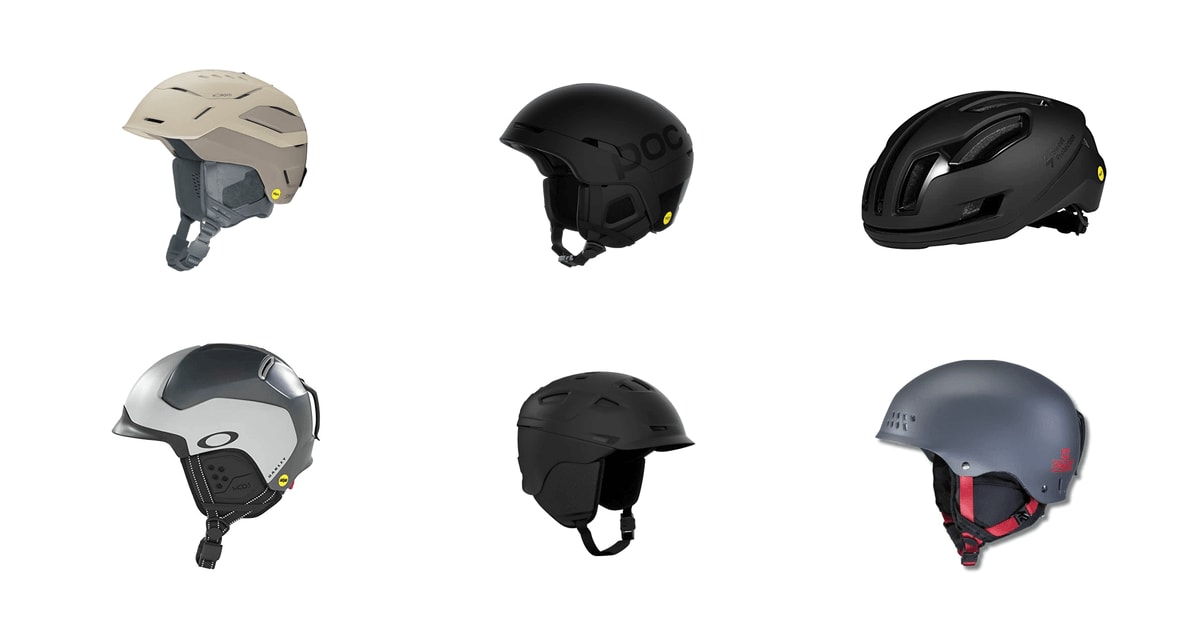
A helmet earns its keep on ordinary days, not dramatic ones. You catch an edge on a flat traverse. Someone comes over a blind rollover behind you. Head injuries make up roughly 19% of the injuries reported at US resorts, according to the National Ski Areas Association, and a peer-reviewed British Journal of Sports Medicine study put head-injury risk for helmet wearers about 35% lower than for people riding bare. So the real question isn't whether to wear one. It's which one you'll actually keep on your head all day.
Here's the part the marketing skips. No helmet prevents concussions, and rotational systems like MIPS help at the margins — MIPS AB's own oblique-impact protocol shows roughly 10–15% less rotational motion reaching the brain. Useful, not magic. Fit does more work than any technology printed on the box, and a helmet that shifts when you shake your head has already given up most of its protection. Every helmet here will also fog your goggles if you seal the vents on a warm spring lap.
So we weighted certification, fit hardware and ventilation control over feature lists. Every helmet in this guide is sold as an alpine snow helmet, which in the US means it should carry an ASTM F2040 label — check the sticker inside the liner before you ride. We think that the Smith Vantage 2 MIPS is the best ski and snowboard helmet for most people, and that the Anon Prime MIPS is the one to buy if you want a slimmer shell with the fit dial built into the liner.
Everything we recommend

Heavier than most, but you control the airflow all day

Nearly the same protection with a slimmer, simpler shell
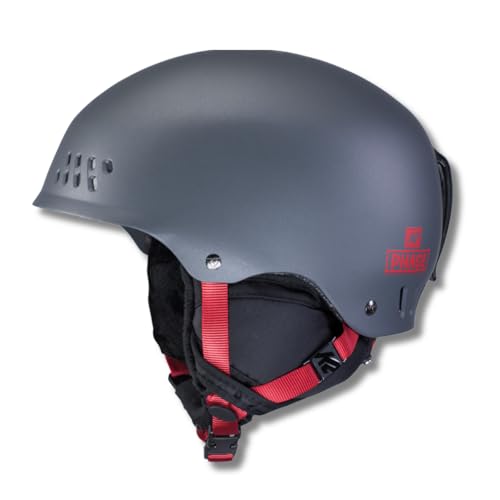
Audio built in, if you can live with a thin spec sheet
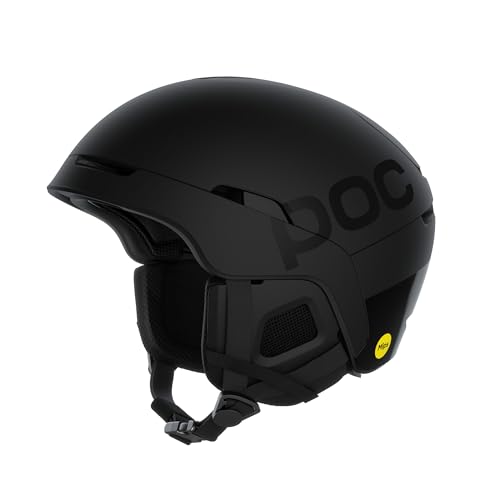
Backcountry-grade safety you'll rarely need, but might
At a glance
| Product | Price | |
|---|---|---|
| SMITH Vantage 2 MIPS HelmetTop pick | $295 |
| POC Obex BC MIPS - Ski andUpgrade pick | $300 |
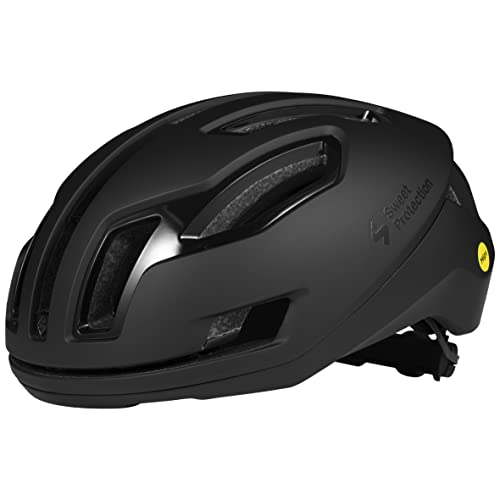 | Sweet Protection Falconer 2Vi MIPS HelmetAlso consider | $249.95 |
 | Oakley mens Mod MIPS snow sports helmetsAlso in lineup | $89.95 |
| Anon Prime MIPS Ski & Snowboard HelmetRunner-up | $195.96 |
| K2 Phase Pro Men's Snow HelmetBudget pick | $119.95 |
How we picked
Certification first. We treated ASTM F2040 as the floor for any helmet sold in the US and noted CE EN 1077 Class A where a manufacturer claims it. Class A requires a 6.8 m/s impact test versus 5.4 m/s for Class B, which matters if you ski fast.
Rotational protection. We prioritized helmets with a slip-plane or multi-shell system, since MIPS AB's oblique-impact data shows roughly 10–15% less rotational motion reaching the brain. Virginia Tech's STAR ratings show a similar direction, with top-rated helmets cutting concussion risk by up to 37% against lower-rated ones.
Fit hardware. We favored 360-degree systems like BOA over rear-only dials, because a band that pulls evenly keeps the helmet level instead of tipping it forward. Micro-adjustment with gloves on was a requirement, not a nice-to-have.
Ventilation control. We looked for vents you can open and close on the move, not just a high vent count on a spec sheet. Fixed ventilation is the difference between a comfortable storm day and a cold, wet one.
Weight and shape. We compared published weights and shell construction, since OutdoorGearLab's comparative work puts in-mold builds 20–30% lighter than ABS hard shells at equivalent protection. We also weighed head-shape reputation from recurring owner feedback about narrow versus round fits.
Top pick
Heavier than most, but you control the airflow all day
SMITH Vantage 2 MIPS Helmet
Smith builds the Vantage 2 around a three-piece hybrid shell with full Koroyd coverage behind the MIPS liner, so two layers manage impact energy instead of one. Forty vents on a one-handed dual regulator let you dump heat on a bootpack and seal it shut on a cold chair.
$295fromAmazonNo other helmet here lets you manage heat as precisely. Smith's dual regulator works the front and rear vents separately, with one gloved hand, while you're still moving. That matters more than the raw vent count. A helmet you can open on a hike and close on a windy chair is a helmet you keep buckled, and a buckled helmet is the only kind that protects you.
Under the shell, two things are doing work. Koroyd's welded tubes crush on impact and cover the full head, and the MIPS layer lets the shell rotate slightly against your scalp during an angled fall. MIPS AB puts that rotational reduction at roughly 10–15% in its own protocol. Neither layer makes you invincible. Together they're a more complete answer than plain EPS foam.
The fit hardware is the quiet reason we'd choose this one. BOA's 360 system tightens a band around your whole head rather than cinching only the back, so the helmet settles evenly instead of tipping forward. The Fidlock buckle snaps closed magnetically with mittens on. Small things, but they're the difference between adjusting on the fly and stopping at the top of a run.
If you wear Smith goggles, the AirEvac channels are a real bonus. Warm air vents out of the goggle frame and through the brim instead of pooling on your lens. It works with other brands too, just less neatly. The Ionic+ lining also keeps the pads from going sour by the end of a season, which sounds trivial until you've shared a car with an old helmet.
Flaws but not dealbreakers
It's the heaviest premium option here, with a listed weight around 0.81 pounds for a medium. On a lift-served day you probably won't care. On a skin track you will, and something like the Falconer makes more sense there.
Forty vents also means forty places for spindrift to sneak in during a storm. Close the regulators and it's fine, but you'll be fiddling with gloves on. And the BOA dial, good as it is, is one more mechanical part that can ice up.
Runner-up
Nearly the same protection with a slimmer, simpler shell
Anon Prime MIPS Ski & Snowboard Helmet
The Prime pairs a 50/50 hybrid shell — hard Endura-shell where the helmet takes abuse, in-mold where it doesn't — with MIPS and 23 adjustable vents. The BOA dial sits inside the liner, so no plastic hardware juts out the back of your head.
$195.96fromAmazonPull a hood over most helmets and you'll feel the fit dial pressing into your skull. Anon buries the BOA mechanism inside the liner instead, so the back of the shell stays smooth. If you ride with a hood up — and plenty of snowboarders do — that's a comfort difference you notice by the third hour, not the third run.
The hybrid shell is the smart part of this design. Anon uses tough Endura-shell construction where the helmet takes scrapes and lift-line knocks, then switches to lighter in-mold construction elsewhere. Hard shells resist wear better. In-mold saves weight. Splitting the difference gets you something that survives a season rattling around a gear bag without feeling like a bucket on your head.
The 23 vents open across a range rather than just on or off, and a channel routes air toward your goggle vents to keep the lens clear. It's less granular than Smith's separate front-and-rear control. For most riders that's a difference you'd notice on maybe two days a season, which is why this sits second and not fourth.
Sizing runs from 52 to 64 centimeters across four shells, a wider spread than most brands publish. If your head sits at either extreme, you're more likely to find a shell that actually fits instead of one you max out the dial on. The Fidlock buckle closes one-handed with gloves, same as the Smith.
Flaws but not dealbreakers
Anon doesn't publish a weight in this listing, and hybrid shells generally land mid-pack rather than at the light end. If grams matter to you, look at the Falconer instead.
There's no Koroyd or second energy-absorbing layer — it's EPS plus MIPS, which is the standard setup rather than a step beyond it. The in-shell dial is also harder to grab quickly than an external one when your fingers are cold and clumsy.
Budget pick
Audio built in, if you can live with a thin spec sheet
K2 Phase Pro Men's Snow Helmet
The Phase Pro is K2's long-running entry-level snow helmet, and its headline feature is the Baseline Audio System — speaker-ready ear pads that let you plug in without stuffing earbuds under the liner. It costs a fraction of what the premium helmets here do.
$119.95fromAmazonThis is the helmet to buy if the alternative is no helmet at all. Plenty of people ski five days a season and can't justify a premium shell. A certified snow helmet that fits you properly protects you far better than an expensive one sitting in a closet. Find the ASTM F2040 sticker inside the liner, confirm it's there, then wear the thing.
The audio pads are why people keep coming back to this one. Speakers drop into the ear pads instead of running wires down your jacket, and you can pull the pads out entirely on a warm day. Among helmets at this level, that's a feature the premium models here mostly leave to add-on accessories you buy separately.
The listing itself is thin — a size band and a single bullet about audio. That's frustrating when you're comparing safety features from your couch, and it's the main reason this ranks below the picks above rather than beside them. A medium covers 55 to 59 centimeters, which is a normal range.
Flaws but not dealbreakers
This listing doesn't spell out whether this version includes MIPS or any other rotational-protection system. Don't assume it does. If rotational protection is a requirement for you — and for anyone riding hard it should be — verify the specific model on the label before you commit.
You also don't get the vent control of the Smith or the Anon, so a warm spring afternoon means a damp liner and a bit of goggle fog. And with no published weight, you're buying somewhat blind if you're sensitive to a heavy lid.
Upgrade pick
Backcountry-grade safety you'll rarely need, but might
POC Obex BC MIPS - Ski and
POC builds the Obex BC around backcountry risk: a RECCO avalanche reflector, an NFC medical ID chip a responder can read with a phone tap, and aramid panels stiffening the shell against penetration. It's a resort helmet that happens to be ready for the gate.
$300fromAmazonMost helmet features help you after a fall you walk away from. These help in the ones you don't. The RECCO reflector lets patrol sweep for you with a detector they already carry, and the twICEme NFC chip holds your blood type and emergency contacts where a stranger with a phone can find them in a minute.
The hybrid shell is genuinely tougher than what most resort helmets use. POC layers a polycarbonate outer with an ABS section up top, then adds aramid panels — the same fiber family used in cut-resistant gear — to resist penetration. If you ride trees, rocks or anything with sharp edges, that isn't a marketing bullet. It's the layer nearest your skull staying intact.
It runs MIPS Evolve, and POC's 360-degree adjustment tightens the helmet without changing how it sits on your head. That's the harder trick to pull off. Plenty of dials pull the shell backward as you crank them, which opens a gap over your forehead — exactly the spot that meets a rock.
Certification is where POC's reputation comes from. The Obex BC is built to meet ASTM F2040 and CE EN 1077 Class A, and Class A helmets have to survive a 6.8 m/s impact versus 5.4 m/s for the far more common Class B. If you ski fast, that gap is the whole argument for spending more.
Flaws but not dealbreakers
It's heavy. The listed weight for the XL/XXL is about 1.3 pounds, and the safety hardware is part of the reason. You'll feel it in your neck on the last chair of a bell-to-bell day.
You're also paying for backcountry gear you may never use. If you never duck a rope, the RECCO reflector is dead weight, and a lighter helmet would serve you better for the same money spent elsewhere.
Who this is for
Buy now if you're riding bare, if your helmet has taken a real hit, or if it's more than about five years old. Those are the three cases where a new helmet actually changes your outcome. If you already own a well-fitting ASTM F2040 helmet with MIPS that's a couple of seasons old, there's nothing here worth swapping for. Newer helmets are more comfortable and better ventilated. They aren't meaningfully safer.
This guide covers adult alpine helmets for resort skiing and snowboarding. We didn't look at kids' and toddler models, which need their own sizing guidance, and we skipped ski-mountaineering helmets carrying climbing certifications for falling rock. Ski and snowboard helmets meet the same ASTM F2040 standard, so if you do both, you only need one — choose for fit and vent control, not for the sport printed on the tag.
How we picked
We started from the label and worked outward. Certification: ASTM F2040 is the baseline for anything sold in the US, and CE EN 1077 Class A is the stricter European bar, requiring a 6.8 m/s impact test against Class B's 5.4 m/s. Rotational protection: MIPS or an equivalent slip-plane system, since MIPS AB's testing shows roughly 10–15% less rotational motion reaching the brain. Fit: 360-degree dials that pull evenly and adjust with gloves on, because a shifting helmet protects you far less no matter what it's certified to. Ventilation: vents you can actually close, not just count. Weight: published grams and shell construction, where in-mold builds run 20–30% lighter than ABS for the same protection.
Other ski and snowboard helmets worth considering
If you want the lightest helmet for long days: The Sweet Protection Falconer 2Vi MIPS Helmet ($249.95) — Sweet Protection puts the Falconer II at roughly 310 grams in a medium, among the lightest MIPS-certified alpine helmets available. Racers and open-to-close skiers notice the same thing, which is that neck fatigue either shows up hours later or never. The catch is the listing, which tells you almost nothing past the name and color, and the Falconer's slim, race-oriented shape doesn't suit every head. If you've worn Sweet Protection before and it fit, this is easy. If you haven't, buy somewhere with a generous return policy and check it on your own head first.
The competition
This is what our research surfaced, not a survey of everything on the market. Snow helmet lineups turn over constantly, and plenty of good ones — kids' models especially, which we didn't cover — aren't represented here.
The Oakley mens Mod MIPS snow sports helmets ($89.95) — Oakley's MOD has fit hardware we like: BOA 360 and a Fidlock magnetic buckle, plus brim and goggle ventilation designed around Oakley's own goggles. What sinks it against our picks is the airflow itself, which Oakley lists as fixed. You can't close the vents on a cold, windy chair, and that's the single feature that separates a comfortable storm day from a miserable one. If you ride a mild coastal mountain and already live in the Oakley goggle ecosystem, it's still a reasonable choice.
Fit, care and when to replace
Fit comes first. The helmet should sit level, cover your forehead to just above your brows, and stay put when you shake your head with the strap undone. If it slides, it's too big, and no certification makes up for that. Tuck your goggle strap under the brim rather than over it, then check the gap above the frame. After that comes the rule most people ignore: replace the helmet after any real impact, even if the shell looks perfect. EPS foam crushes to absorb energy and doesn't spring back, so the protection is spent. Giro, POC and Smith all recommend replacement every three to five years regardless, since sweat, UV and temperature swings break the foam down. Store it somewhere cool — not a hot car.
Questions we get
Do I really need MIPS, or is it just marketing?
It's real, but it's incremental. MIPS AB's oblique-impact testing shows roughly 10–15% less rotational motion reaching the brain compared with the same helmet without it. That's worth having, and rotational systems are now standard on serious helmets. Just don't buy a poorly fitting MIPS helmet over a well-fitting one without it.
What's the difference between MIPS, SPIN and Spherical?
They all try to let your head rotate a little independently of the shell during an angled impact. MIPS uses a thin low-friction liner that slides. SPIN uses pads that shear. Spherical connects two shells with a low-friction interface, allowing 10–15mm of independent rotation in any direction, according to Giro. Different mechanisms, same goal.
ASTM or CE EN 1077 — which certification should I look for?
In the US, ASTM F2040 is the standard and every snow helmet sold here should carry it. CE EN 1077 is the European equivalent, split into Class A and Class B. Class A helmets must survive a 6.8 m/s impact against Class B's 5.4 m/s, so dual certification with Class A is the stricter combination if you ski fast.
How tight should a ski helmet fit?
Snug enough that it doesn't move when you shake your head with the chin strap unbuckled. You should feel even pressure all around, not hot spots on your temples or forehead. If it leaves a red band after twenty minutes, it's too tight or the wrong shape for your head. Fit does more for your safety than any technology inside the shell.
Do I need to replace my helmet after a crash if it looks fine?
Yes. EPS foam protects you by crushing, and once compressed it doesn't recover, even when the outer shell shows no cracks. The damage is usually invisible from outside. If you took a hit hard enough to think about it, replace the helmet.
Can I use a bike helmet for skiing or snowboarding?
No. Bike helmets are certified for different impact scenarios, they leave your ears and the back of your head exposed, and they're built to vent aggressively rather than hold heat. A snow helmet needs an ASTM F2040 label. Two of the listings that surfaced in this category were bike helmets, so read the product name carefully before you order.
Why you should trust us
For this guide:
- We read manufacturer spec sheets and full product listings for every helmet here, alongside published comparative work from OutdoorGearLab, Switchback Travel and the Virginia Tech Helmet Lab.
- We compared certification claims, rotational-protection systems, fit hardware and published weights across the lineup, and we leaned on recurring themes in owner feedback for the comfort and durability notes.
- We read owner reviews on every listing, weighted toward the critical ones, because that is where the recurring failures show up.
- We have a systematic way of automatically fetching the latest prices, so the numbers on this page stay current.
- This is a research-focused guide, so the team may not own every product listed — though we often do own the top winners, which gives us extra context for the recommendations.
- We don't accept free products, and the retailer commission never changes which product we recommend.
Sources
Best Ski Helmets — OutdoorGearLab, OutdoorGearLab
Best Ski Helmets — Wirecutter (NYT), Wirecutter
Snow Helmet Ratings — Virginia Tech Helmet Lab, Virginia Tech Helmet Lab
Best Ski Helmets 2026 — Switchback Travel, Switchback Travel
Ski Helmet Reviews and Buyer's Guide — SKI Magazine, SKI Magazine
Best Snowboard Helmets 2025–2026 — Snowboarder Magazine, Snowboarder Magazine
MIPS Technology — How It Works, MIPS AB
Statistical Skier Visits & Safety Data — NSAA, National Ski Areas Association (NSAA)
What Is Spherical Technology? — Giro, Giro
Ski Helmet Expert Advice — REI, REI
Helmet Head Injury Reduction Study — British Journal of Sports Medicine, British Journal of Sports Medicine
Long-Term Ski Helmet Reviews — Blister Gear Review, Blister Gear Review
Amazon product listings and owner reviews for all 6 products
Manufacturer specification pages for each product
Some passages in this guide may be paraphrased with AI help. Prices are refreshed automatically.
More like this.
Continue exploring lifestyle reviews and recommendations.

The Best Heated Ski Glove Liners
Cold fingers end ski days early. You can be dressed perfectly everywhere else and still be the person jamming both hands into a jacket pocket at the top…

The Best Ski Touring Bindings
A touring binding is the one piece of gear you interact with every few minutes on a backcountry day. You step in at the trailhead, flip a heel lifter…

The Best Enduro Mountain Bike Helmets
A full-face enduro helmet has one job on a rough descent: keep your face out of the rocks. Head injuries account for roughly 22 to 29 percent of mountain…

The Best Welding Helmets
A welding helmet is the one piece of gear you wear for every minute of arc time. If the lens is blurry or the tint is muddy, you squint. You chase the…

The Best Motorcycle Helmets
A helmet is the one piece of gear you wear on every ride, and it's the only one that matters in the half-second you can't control. NHTSA's crash analysis…

The Best Trail Cameras for Wildlife Photography
A trail camera does one thing that you can't: it sits in the woods for months without moving, blinking or smelling like a person. That's the whole appeal.…