The Best Ski Touring Bindings
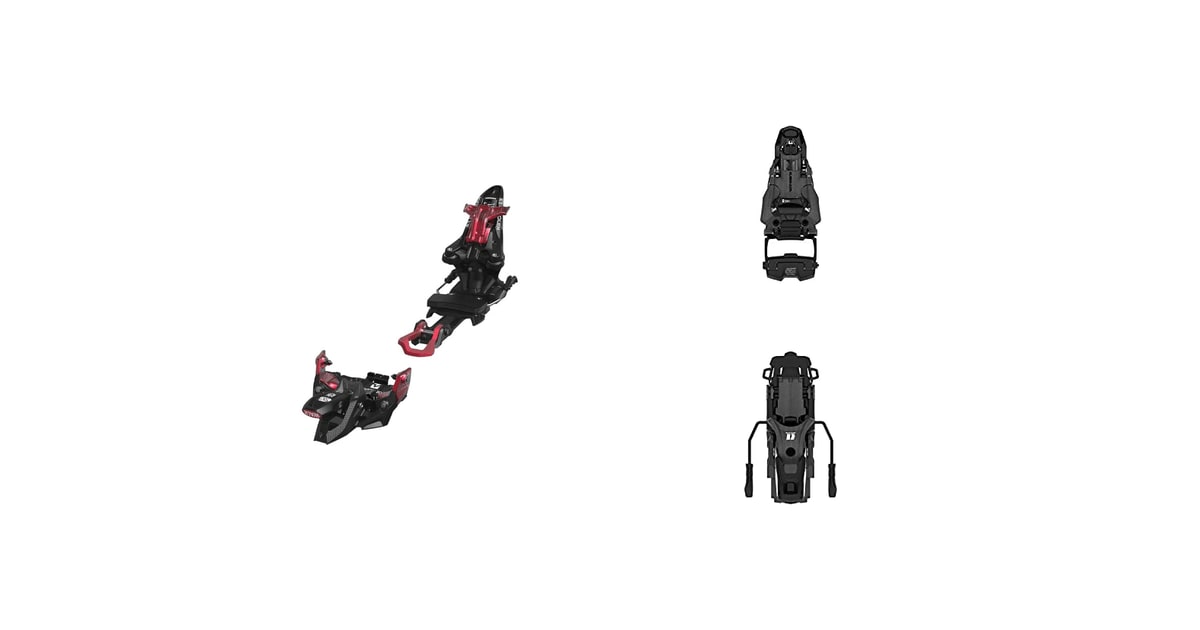
A touring binding is the one piece of gear you interact with every few minutes on a backcountry day. You step in at the trailhead, flip a heel lifter halfway up the skin track, lock the toe on a firm traverse, then swap to ski mode at the top with cold hands and a headwind. Weight matters here more than almost anywhere else on your body. Every 100 grams you shave off your foot feels like 300 to 500 grams out of your pack, because your leg swings that mass thousands of times a day.
Here's the honest part: no touring binding does everything. The light ones give up downhill retention and, in most cases, any real heel release — traditional pin bindings hold your heel mechanically in ski mode, so a forward-lean fall can load your knee without the binding letting go. The burly ones fix that and then punish you on every step of a long approach. And none of these DIN numbers mean quite what they mean on an alpine binding, since release behavior differs from the ISO 9462 standard your resort setup follows. You're picking a compromise, not a winner.
You also need the right boots. Every pin binding requires ISO 9523 tech inserts at the toe and heel, so your old alpine boots are out before the conversation starts. That's the first thing to check, not the last. We think that the Marker Kingpin 13 is the best ski touring binding for most people, and that the Shift MNC 13 is the one to buy if you ski mostly in-bounds and tour on weekends.
Everything we recommend

Alpine-grade hold on the way down, real walk mode on the way up

The one to buy if most of your days are lift-served

The simple, tough pin binding for lighter and less aggressive skiers
At a glance
| Product | DIN Range | Weight | Price | |
|---|---|---|---|---|
| Marker Kingpin 13 Ski Binding 2023 -Top pick | 13 DIN | — | $538.99 |
| ARMADA N Shift MNC 13 Ski BindingRunner-up | 13 DIN | 4.9 lbs | $599.95 |
| G3 Genuine Guide Gear ION 10 BackcountryAlso great | 5-12 DIN | 3 lbs | $500 |
How we picked
Weight per binding. We compared manufacturer weight specs across the category, from sub-220-gram ski mountaineering bindings to 600-gram-plus freeride models. Because mass at the foot costs roughly three to five times what the same mass costs in your pack, we treated every 100 grams as a real decision.
Release range and safety. We looked at published DIN ranges and how they map to skier weight and ability, and we favored bindings that let you set your value mid-range rather than at an extreme. We also weighted whether a binding releases only at the toe or at both ends.
Boot compatibility. Every pin binding demands ISO 9523 tech inserts, so we checked which models widen that requirement — Multi-Norm designs accept alpine, touring, WTR and GripWalk soles in ski mode. If your boot situation is mixed, that's the first filter.
Transitions in the cold. We read published reviews and owner feedback for the recurring complaints: heel lifts you can't flip with a pole, toe pieces that won't line up, ice packing under the heel. Bindings with adjustable positioning blocks, pole-friendly risers and snow-clearing channels scored better.
Downhill retention. Field reporting from outlets like Outdoor Gear Lab consistently ties pivot length and heel design to edge hold on hard snow. We prioritized bindings whose downhill behavior holds up when the snow turns to refrozen chalk.
Top pick
Alpine-grade hold on the way down, real walk mode on the way up
Marker Kingpin 13 Ski Binding 2023 -
The Kingpin 13 pairs a tech-pin toe with an alpine-style heel, so it skis closer to a resort binding than most pin setups. At 606 grams per binding it's not light, but it's the one we'd hand to someone who skis hard and tours regularly.
$538.99fromAmazonThe heel is what you're paying for. Most tech bindings clamp your boot heel with two pins and call it done. The Kingpin uses a proper alpine-style heel with lateral elasticity, which means it holds through chatter and absorbs the hits that would pop a lighter binding off your foot. If you ski fast on variable snow — refrozen crust, wind board, the stuff that shows up on every real backcountry day — that difference is the whole point.
Marker gives the Kingpin a 22mm pivot length, which is long by touring standards. Longer pivot means better power transmission from your boot into the ski edge. Published multi-season field reporting from Outdoor Gear Lab describes a real improvement in edge hold and ski response on hard snow versus shorter-pivot pin bindings. On a firm couloir wall, that's not a spec-sheet nicety.
The toe piece is carbon-reinforced, and Marker built in adjustable positioning blocks so the pins line up with your boot inserts on the first try. Anyone who's knelt in the snow at a windy trailhead, stabbing at a toe piece with numb fingers, will appreciate that. Two heel risers cover most skin-track angles, and they're easy to flip with a pole basket.
The DIN range tops out at 13, which is a meaningful advantage if you're a bigger or more aggressive skier. Plenty of lightweight touring bindings stop at 10, and running a binding pinned at its ceiling is a bad idea. Knee and lower-leg injuries account for roughly 60% of serious ski injuries according to research from the American Orthopaedic Society for Sports Medicine, and release calibration is the main mechanical variable you control.
Flaws but not dealbreakers
It's heavy. At 606 grams per binding it's nearly three times an ultralight race-oriented binding, and that penalty compounds over a 4,000-foot day. If your objectives are long approaches or multi-day traverses, this is the wrong tool.
The heel releases in the same limited way most pin bindings do — this isn't a full multi-directional release at both ends. If that specific safety gap is what worries you, the Tecton design addresses it directly and the Kingpin doesn't.
You still need boots with certified tech inserts. The Kingpin's alpine-ish heel doesn't change that, and people get confused by it. No inserts, no Kingpin.
Runner-up
The one to buy if most of your days are lift-served
ARMADA N Shift MNC 13 Ski Binding
The Shift MNC 13 uses a real Look Pivot-derived alpine toe that converts to tech pins for the skin track. It's the only binding here that gives you genuine ISO DIN release at the toe, which is why resort-heavy skiers keep landing on it.
$599.95fromAmazonIf you ski 80% in-bounds and 20% in the backcountry, this is your binding. The toe piece isn't a pin toe pretending to be alpine — it's an alpine toe derived from the Look Pivot, and it flips to tech pins when you want to walk. That means your release behavior on lift days matches what you're used to, instead of the different release profile every pin binding gives you.
Boot compatibility is the quiet superpower here. The Shift is Multi-Norm Certified, so it works with ISO 5355 alpine soles, ISO 9523 touring soles, WTR and GripWalk. If you own one pair of alpine boots and one pair of touring boots, both work in ski mode. You'll still need tech toe fittings to actually tour — the pin conversion isn't optional magic.
The chassis sits low, which does more for how a ski feels underfoot than most people expect. Less stand height means more terrain feedback and cleaner power transfer into the edge. On groomers and firm off-piste, the Shift skis like an alpine binding because functionally, in ski mode, it more or less is one.
Mode switching is a single lever. Hike or ride, flip and go. It's a fussier transition than a pure pin binding — you're moving more hardware — but it's mechanical and obvious, which counts for a lot when you're cold.
Flaws but not dealbreakers
It's the heaviest option in this guide by a wide margin, and you feel every gram on the climb. Skiers who tour more than they ride lifts almost always regret this trade.
The transition takes longer than a tech binding's. On a day with four or five mode changes, those extra seconds add up and your partners will notice.
Salomon recommends a brake width no more than 15mm wider than your ski waist, which limits how loosely you can spec it. Get the brake width right at purchase — swapping later is a shop visit.
Also great
The simple, tough pin binding for lighter and less aggressive skiers
G3 Genuine Guide Gear ION 10 Backcountry
The G3 ION 10 is a straightforward tech binding with a 4–10 release range, easy step-in, and heel lifts you can flick with a pole. It's the pick for smaller skiers, newer tourers, and anyone who values a binding that just works in bad weather.
$500fromAmazonThe lower release range is the reason this version exists. A 4–10 range covers smaller and less aggressive skiers properly, instead of asking them to run a 5–12 binding near its floor. That's not a minor detail — a binding set at the very bottom of its range doesn't behave as predictably as one set in the middle.
Step-in is where cheap tech bindings fall apart, and the ION doesn't. G3 designed the toe for consistent, repeatable entry, and owners of the ION line have long reported that it stays consistent through landings and compressions rather than pre-releasing. If you've ever spent a minute jabbing at a toe piece while your group waits, you understand why this matters more than any spec.
The QuickFlick heel lifts are grabbable with a pole or a gloved hand, and the heel rotates in either direction to lock for touring. There's a snow-clearing channel in the heel to keep ice from building up under your boot, which is the usual cause of mystery pre-releases in wet spring snow. Small engineering, big payoff on a slushy afternoon.
Everything adjusts with a Pozi Drive #3 — one driver, whole binding. Brakes are included and fit skis up to 5mm above the stated width. G3's ION platform has collected awards from Blister, Freeskier, ISPO, Powder and Backpacker over the years, and North American guide services have adopted ION-family bindings as standard recommendations.
Flaws but not dealbreakers
The 4–10 range that makes this version right for lighter skiers makes it wrong for heavy or hard-charging ones. If you're over 200 pounds or ski aggressively, look at the 5–12 version or the Kingpin.
Like nearly every pin binding, the heel doesn't release independently in a forward-lean fall. That's the category's structural safety gap, not a G3 flaw, but it's real.
At 579 grams per binding it's not a lightweight. It sits in the same neighborhood as heavier freeride tech bindings without the alpine-style heel retention you'd get from one.
Who this is for
This guide is for anyone earning their turns — first-timers stepping off the lift and into a skin track, alpine tourers upgrading from clunky frame bindings, and freeride skiers who want alpine-grade retention on a setup they can walk in. If you're a ski mountaineer chasing grams for technical objectives, the lightest bindings here still aren't light enough for you; look at sub-250-gram race-derived models instead. And if you never leave the resort, a standard alpine binding is cheaper, safer and simpler.
Before you buy anything, confirm your boots have tech inserts at the toe and heel. That single check eliminates most of the confusion in this category. We'd also push you toward a certified technician for mounting and setting your release value — touring binding DIN numbers aren't directly interchangeable with the ISO 9462 alpine standard, and getting this wrong is how knees get hurt. This guide covers bindings only. It doesn't cover boots, skins or skis.
How we picked
Weight: we compared manufacturer specs across the full range, from sub-220-gram ski mountaineering bindings to 600-gram-plus freeride models, and treated every 100 grams as meaningful because mass at the foot costs three to five times what it costs in your pack. Release range: we favored bindings that let typical skiers set a value mid-range rather than at the ceiling or floor, and noted which ones release at both toe and heel. Boot compatibility: all pin bindings require ISO 9523 inserts, so we flagged the Multi-Norm designs that also take alpine, WTR and GripWalk soles. Transitions: we read published reviews and owner feedback for pole-friendly heel lifts, easy step-in and heels that shed ice. Downhill retention: pivot length and heel design drive edge hold on firm snow, and we weighted them accordingly.
The competition
This is what our research surfaced from what's currently listed, not a survey of every binding on the market. Several models we'd otherwise discuss — the Fritschi Tecton 13 with its rare toe-and-heel release, the ultralight ATK Haute Route 10, the Dynafit ST Rotation 12 and the Plum Guide 12 — weren't part of this lineup. If your priorities point toward a full multi-directional release or a sub-250-gram setup, those are worth researching separately.
Installation and setup notes
Have a certified technician mount and set your bindings. Touring binding release values don't map one-to-one onto the ISO 9462 alpine standard, so the number you run at the resort isn't automatically the right number here, and your boot sole length has to be measured and entered correctly. Match brake width to your ski: equal to the waist or up to about 15mm wider, never narrower. Through the season, keep the toe pins and heel channels clear — packed ice under the heel is the usual culprit behind unexplained pre-releases, and a quick knock with a pole basket before you step in prevents most of it. Check the mounting screws a few times a year. Cold plus vibration loosens hardware, and a Pozi driver in your repair kit turns a trip-ending problem into a five-minute fix.
Questions we get
What's the difference between tech bindings and frame touring bindings?
Tech bindings grip your boot with metal pins that lock into inserts in the toe and heel, and only the boot moves when you walk. Frame bindings carry a rigid plate that lifts with every step, so you're picking up extra mass thousands of times a day. Tech bindings are lighter and far more efficient uphill, which is why they've become the standard. Frame bindings are mostly a legacy option now.
Do I need special boots for touring bindings?
Yes. Every pin binding requires boots with ISO 9523-certified tech inserts at the toe and heel, and traditional alpine-only boots don't have them. Check your boots before you shop for bindings. The exception is a Multi-Norm binding like the Shift, which accepts alpine, GripWalk and WTR soles in ski mode — but you still need tech toe fittings to actually tour on it.
Are touring bindings as safe as resort alpine bindings?
Not quite, and it's worth understanding why. Most pin bindings hold the heel mechanically in ski mode and release primarily at the toe, so a forward-lean fall can load your knee without the binding letting go. Alpine bindings release at both ends. A small number of touring designs address this, and the alpine-toe Shift matches resort release behavior at the toe piece specifically.
What DIN should I run in the backcountry?
The same skier weight, height, age and ability inputs apply, but the resulting number should be set by a certified technician with your actual boot sole length. Touring binding release behavior isn't identical to the ISO 9462 alpine standard, so copying the number off your resort setup isn't reliable. Research from the American Orthopaedic Society for Sports Medicine points to release calibration as the primary mechanical factor in preventing tibial fractures and ACL tears.
Which binding is best for a beginner backcountry skier?
Something simple, forgiving to step into, and matched to your size. The G3 ION 10's 4–10 release range and easy entry suit lighter or newer tourers well. If you're bigger or skiing more aggressively from the start, step up to a 5–12 range binding. Don't buy the lightest thing you can find — ultralight bindings are fussier and less forgiving than they look.
Can I ski a full resort day on touring bindings?
You can, but most pin bindings weren't designed for it, and hard in-bounds skiing on lightweight tech bindings raises your pre-release risk. If lift days are the majority of your season, the Shift MNC 13 is the honest answer — its alpine toe gives you true DIN-equivalent release, and it skis like a resort binding because in ski mode it essentially is one.
Why you should trust us
For this guide:
- We compared manufacturer specifications for weight, release range, pivot length and boot compatibility across the touring binding category.
- We read published reviews and multi-season field reporting from outlets including Outdoor Gear Lab, along with recurring themes in owner feedback about step-in reliability, icing and heel-lifter usability.
- We reviewed the ISO 9523 tech insert standard and injury research from the American Orthopaedic Society for Sports Medicine to frame the safety guidance in this guide.
- We read owner reviews on every listing, weighted toward the critical ones, because that is where the recurring failures show up.
- We have a systematic way of automatically fetching the latest prices, so the numbers on this page stay current.
- This is a research-focused guide, so the team may not own every product listed — though we often do own the top winners, which gives us extra context for the recommendations.
- We don't accept free products, and the retailer commission never changes which product we recommend.
Sources
Best Ski Touring Bindings — Switchback Travel, Switchback Travel
Best Ski Touring Binding Reviews — Outdoor Gear Lab, Outdoor Gear Lab
Ski Touring Bindings: A Buyer's Guide — REI Expert Advice, REI Expert Advice
Ski Binding Reviews — Blister Gear Review, Blister Gear Review
Backcountry Ski Binding Reviews — Powder Magazine, Powder Magazine
Ski Touring Industry Data — Snowsports Industries America (SIA), Snowsports Industries America
Best Ski Touring Bindings — Outside Online, Outside Online
Marker Kingpin 13 Technical Specifications — Marker, Marker (Manufacturer)
Fritschi Tecton 13 Technical Specifications — Fritschi, Fritschi (Manufacturer)
Dynafit Speed Radical Technical Specifications — Dynafit, Dynafit (Manufacturer)
Ski Injury Prevention and Binding Release — American Orthopaedic Society for Sports Medicine, American Orthopaedic Society for Sports Medicine
G3 Ion 12 Technical Specifications — G3 Genuine Guide Gear, G3 (Manufacturer)
Amazon product listings and owner reviews for all 3 products
Manufacturer specification pages for each product
Some passages in this guide may be paraphrased with AI help. Prices are refreshed automatically.
More like this.
Continue exploring lifestyle reviews and recommendations.

The Best Heated Ski Glove Liners
Cold fingers end ski days early. You can be dressed perfectly everywhere else and still be the person jamming both hands into a jacket pocket at the top…

The Best Ski and Snowboard Helmets
A helmet earns its keep on ordinary days, not dramatic ones. You catch an edge on a flat traverse. Someone comes over a blind rollover behind you. Head…

The Best Camping and Hiking Gear Essentials
Gear failures rarely announce themselves at home. They show up at 2 a.m. when a zipper jams, or three miles from the trailhead when your headlamp dies and…

The Best Bike Locks
A bike lock is the rare purchase where you hope you never learn how well it works. What matters day to day is simpler: whether you'll actually carry it. A…

The Best Inflatable Hot Tubs
An inflatable hot tub is one of the few backyard upgrades you can be using the day after it arrives. You unroll it on a flat patch of patio, let the pump…

The Best Portable Solar Generators for Emergencies
A power outage is boring right up until it isn't. The fridge stays cold for a few hours, then it doesn't. The phones drain, the router dies, and if…