The Best Knife Sharpeners
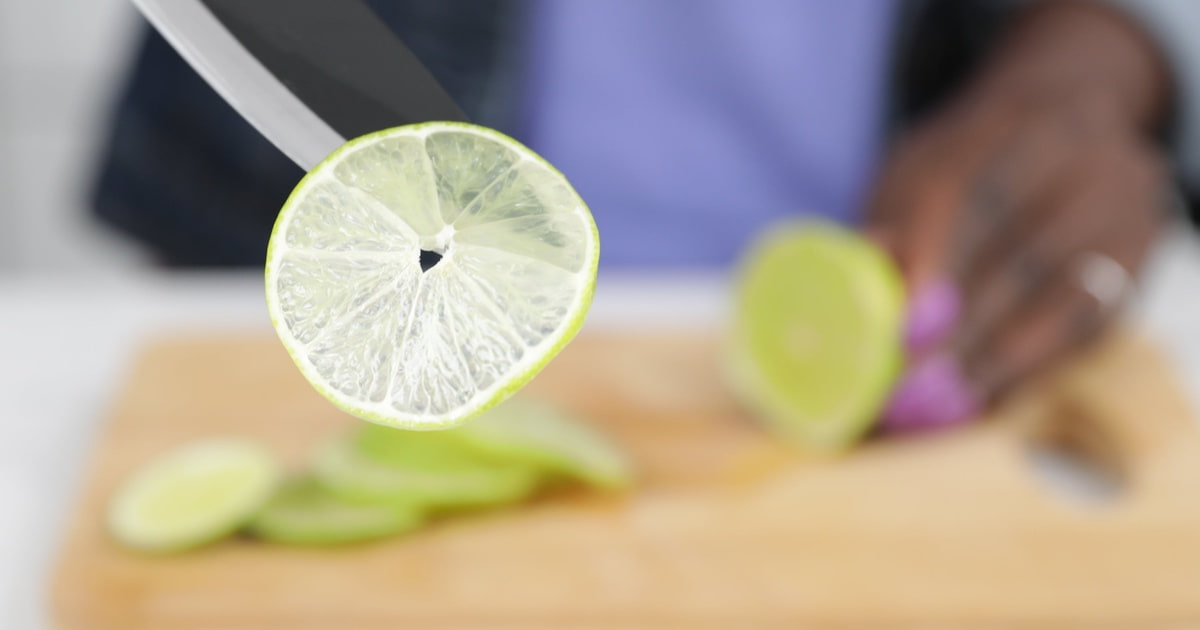
A dull knife is the most annoying tool in your kitchen, and the most dangerous one. It slides off a tomato skin instead of biting in. It crushes basil instead of cutting it. And because you're pushing harder to make it work, it's the knife most likely to skate off an onion and into your thumb. A sharpener fixes all of that in a few minutes. The question isn't whether you need one — it's which kind matches your knives and your patience.
Here's the honest part: every sharpener is a machine for removing metal from your knives, and none of them does everything. The fast tools take off the most steel. The gentle tools take the longest to rescue a badly neglected edge. Fixed-angle slots can't safely touch single-bevel Japanese blades like a yanagiba or deba, and no electric machine can either. If your knives are thin, asymmetric, or expensive, you'll need a stone and the patience to learn it. There's no shortcut for that one.
So think about what you actually own. A block of German knives that haven't been sharpened since you unboxed them wants a fast, forgiving machine. A small collection you care about wants something slower and gentler. A drawer of knives that came bundled together wants a tool that fits in the drawer with them. We think that the Chef'sChoice 15XV is the best knife sharpener for most people, and that the Lansky Deluxe 5-Stone System is the one to buy if you'd rather set the angle yourself and take metal off more slowly.
Everything we recommend

The fastest route to a sharp edge, if you don't mind losing metal

Whetstone-quality edges without the freehand learning curve

A fast fix for cheap knives, and rough on anything better
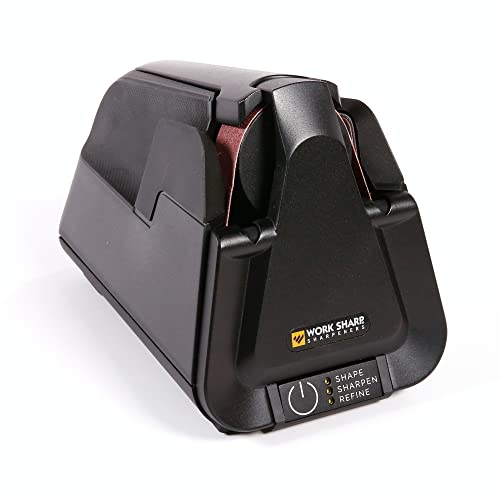
Belt-ground edges that follow your blade, plus a built-in vacuum
At a glance
| Product | Sharpening Media | Stages/Grit | Price | |
|---|---|---|---|---|
| Chef'sChoice 15XV Professional Electric Knife Sharpener withTop pick | Diamond | 3-Stage | $170.23 |
| Work Sharp Professional Electric Culinary E5 KitchenUpgrade pick | Belts | 3 Settings | $149.95On sale |
 | Chef'sChoice Manual Knife Sharpeners Diamond Hone forAlso in lineup | Diamond | 2-Stage | $13.53On sale |
 | Spyderco Tri-Angle Premium Sharpmaker Set with DVDAlso consider | Ceramic | 2 Stone Sets | $94.98 |
| Lansky Deluxe Knife Sharpening System: 5-Stone CeramicRunner-up | Ceramic | 5-Stone | $43.56On sale |
 | KING KW65 1000/6000 Grit Combination Whetstone withAlso consider | Whetstone | 1000/6000 Grit | $27.97 |
| KitchenIQ 50881 - Edge Grip 2-Stage KnifeBudget pick | Carbide | 2-Stage | $9.99 |
How we picked
Angle control. We looked at how each design keeps a consistent angle, since that's what separates a real edge from a scratched one. Guides, clamps, and preset rods counted for more than adjustable-in-theory setups that owners report drifting.
Metal removal. Specifications and published reviews agree that carbide pull-throughs remove the most steel and stones the least. We weighted gentler designs for anyone maintaining knives they care about, and faster ones for rescue work.
Blade compatibility. We checked each sharpener against serrated bread knives, thin double-bevel Japanese blades, and thick German ones. Anything that can only serve a 20-degree Western edge got scored down.
Skill and time. We compared how long the manufacturer and reviewers say a session takes, and how much practice owners report needing before results turn consistent. A tool nobody uses is worse than a mediocre one they do.
Long-term upkeep. Diamond abrasives last for years, belts are consumable, and whetstones dish and need flattening. We factored in what each option asks of you after the first year.
Top pick
The fastest route to a sharp edge, if you don't mind losing metal
Chef'sChoice 15XV Professional Electric Knife Sharpener with
This is a three-stage electric sharpener with diamond abrasives and spring-loaded guides that hold the angle for you. Push a knife through slowly and it comes out sharp — no practice, no wrist angle to maintain, and it handles serrated blades too.
$170.23fromAmazonThere's nothing to learn. The patented flexible spring guides pull your blade against the wheels at the correct angle, so the only job left is drawing the knife through slowly and evenly. Chef'sChoice puts a first full sharpening at about a minute, with later touch-ups closer to ten seconds. If you've avoided sharpening because you didn't trust your own hands, this is the machine that takes that excuse away.
The abrasives are the fastest-cutting kind you can buy. Stages one and two are plated with 100 percent diamond, which chews through dull steel far quicker than ceramic or alumina oxide. Stage three uses a flexible stropping system that polishes the edge instead of grinding it. That progression — shape, then hone, then polish — is why the finish feels closer to a stone than most electrics manage.
It converts a 20-degree German edge into a 15-degree one. That's the Trizor XV part of the name, and it matters more than it sounds. A thinner edge slips through tomato skin, soft herbs, and raw fish with noticeably less shoving. Owners moving up from older Chef'sChoice models point to the tighter angle as the single thing that makes this one feel like an upgrade.
Serrated knives go through it too. The third stage follows each scallop along a bread knife instead of flattening the teeth, which most electrics simply can't do. You can also run a straight-edge knife through stage three on its own for a quick touch-up between full sessions. One machine covers the bread knife, the chef's knife, and the paring knife in your block.
Flaws but not dealbreakers
It takes off real metal, and it doesn't ask permission. Diamond cuts fast, and fast cutting means your knives get thinner every time you run the full sequence. Treat it as restoration and occasional maintenance, not a weekly ritual. If you hone with a steel in between, most home cooks only need the full three stages a couple of times a year.
It's loud, and it's wrong for thin single-bevel blades. Chef'sChoice rates the noise between 65 and 75 decibels — kitchen-exhaust-fan territory, noticeable but not painful. Fit is the bigger issue. Fixed 15-degree slots will ruin an asymmetric single-bevel grind, and very thin laser-cut blades don't belong in a wheeled sharpener either. Double-bevel gyutos and santokus are fine.
It's a lot of machine if you cook twice a week. This is among the more expensive options here, and it's heavy enough that it lives on a shelf rather than in a drawer. Some owners also wonder how long the stropping surfaces will hold up, since those wear faster than the diamond stages do. For occasional sharpening, a guided manual kit gets you most of the way there.
Runner-upOn sale
Whetstone-quality edges without the freehand learning curve
Lansky Deluxe Knife Sharpening System: 5-Stone Ceramic
A clamp locks your blade at 17, 20, 25, or 30 degrees while you draw guided stones along the edge. Five hones run from extra-coarse to extra-fine ceramic, so you can rescue a rounded edge and then polish it, all without freehand technique.
$43.56fromAmazonList priceThe clamp does the hard part for you. Freehand sharpening defeats most people because holding a steady angle is genuinely difficult. Here the blade is bolted into a clamp and the stone rides on a guide rod, so the angle stays put whether it's your first knife or your fiftieth. All you manage is pressure and a steady stroke. That's a skill you'll have inside an evening.
Five stones cover every state a knife can be in. You get extra-coarse, coarse, medium, and fine alumina oxide plus an extra-fine ceramic, color-coded and set in finger-grooved holders. A chipped or rounded edge starts at the coarse end; a knife that's just tired starts in the middle. Working down the grits is exactly what you'd do on a bench stone, minus the guesswork.
You pick the angle, which the electrics won't let you do. If you'd rather keep your Wüsthofs at their factory 20 degrees than convert them, you can. Hunting and pocket knives that want a sturdier 25 or 30 degrees are covered too. Honing oil comes in the box, and that matters more than it sounds — alumina oxide loads up with metal and cuts poorly when you run it dry.
It takes off far less steel than any pull-through. Guided stones cut where you point them and stop when you stop. Over years, that's the difference between knives that keep their shape and knives that slowly turn into filet blades. If you own a block you'd rather not replace, this is the gentler path — and it stores in its own molded case between sessions.
Flaws but not dealbreakers
It's a project, not a grab-and-go. You clamp the knife, choose an angle, oil a stone, work through the grits, and clean up afterward. Figure a slow half hour per knife the first few times. If your realistic sharpening habit is whenever-I-remember, an electric machine will get used more often — and a knife you actually sharpen beats one you meant to.
Long blades and thin blades need care. The clamp is happiest on knives under about eight inches, so a ten-inch chef's knife means repositioning partway along the edge. Thin Japanese blades can flex under clamp pressure, so go gently or use a stone instead. And alumina oxide cuts slower than diamond, so a badly wrecked edge takes real time.
Budget pick
A fast fix for cheap knives, and rough on anything better
KitchenIQ 50881 - Edge Grip 2-Stage Knife
A two-stage pull-through about the size of a deck of cards: carbide for dull edges, a ceramic rod for the finish. It hooks over the lip of your counter so the tip of a long knife doesn't drag across the surface while you pull.
$9.99fromAmazonIt gets a dead knife cutting again in under a minute. The carbide stage scrapes both sides of the edge at once, which is crude but effective on a blade that's been rounded off for years. The ceramic rod stage then cleans up what's left. For a boxed knife set that has never once seen a sharpener, the change is immediate and obvious.
The Edge Grip hook is smarter than it looks. You set it on the lip of a table or counter so the tip of a long knife hangs past the edge instead of scraping across it. That protects the knife tip and your countertop at the same time. A non-slip base and a soft rubber handle keep the whole thing planted while you pull.
It's tiny, and it travels. It disappears into a utensil drawer, weighs almost nothing, and it's the sharpener to throw in a bag for a rental kitchen full of mystery knives. The preset angles mean there's nothing to adjust or set up. Point it at the edge, pull the knife through a few times, and you're done.
Flaws but not dealbreakers
Carbide is a scraper, not a sharpener. It shaves metal off both sides in one indiscriminate pass. That's fine on a knife from a bundled set and destructive on anything you'd hate to lose. The rule is simple: if a knife was a considered purchase, don't put it through carbide, ever.
The edge it leaves is the weakest here. It's a working edge, not a fine one — good enough to cut a tomato without squashing it, nowhere near what the Lansky or a stone produces. The fixed angle also rules out thin Japanese and laser-cut blades. Think of it as first aid, not treatment.
Upgrade pickOn sale
Belt-ground edges that follow your blade, plus a built-in vacuum
Work Sharp Professional Electric Culinary E5 Kitchen
This is the only kitchen sharpener that uses flexible abrasive belts, the same way manufacturers grind edges at the factory. The belt follows the curve of your blade instead of forcing it onto a fixed wheel, and a built-in vacuum catches the grit as you work.
$149.95fromAmazonList priceBelts follow the blade; wheels make the blade follow them. A flexible belt wraps slightly around the edge as you draw the knife through, so it tracks the belly curve and leaves a subtly convex grind rather than a flat one. Cooks who pay attention to edge geometry prefer that shape, because there's more steel supporting the edge and it rolls and chips less in hard use.
Three programs, and it shuts itself off. Shape, sharpen, and hone cover everything from a badly neglected blade to a weekly touch-up, and each cycle finishes in well under 90 seconds and stops on its own. Over-sharpening is one of the easiest ways to ruin an edge with an electric machine. This one just won't let you keep going.
The built-in vacuum is the part you'll appreciate every time. Sharpening throws off a fine, dark grit that gets into everything, and this is the only sharpener here that pulls it in as you work. It sounds like a gimmick right up until you've wiped metal dust off a counter. It keeps the belts cleaner too, which helps them cut properly.
It'll sharpen more than knives. Kitchen scissors and poultry shears go through it, and Work Sharp designs it for everything from basic stamped cutlery to exotic high-hardness steels. If your drawer holds a Japanese gyuto, a German chef's knife, and a pair of shears that haven't cut cleanly in ages, one machine covers all three.
Flaws but not dealbreakers
Belts wear out, so you're buying supplies forever. Diamond wheels last for years; abrasive belts are a consumable, and a worn belt cuts slowly and unevenly. Plan on replacements as part of owning it. That ongoing cost is the real difference between living with this and living with the Chef'sChoice.
It's a stretch unless you already know why you want it. If the difference between a convex and a flat-ground edge means nothing to you, this isn't the machine to reach for — the Chef'sChoice is simpler and faster from the very first knife. This one earns its place for people with a collection worth preserving in its original geometry.
Who this is for
Buy a sharpener now if your knives crush tomatoes instead of slicing them, if you catch yourself sawing at a bell pepper, or if you own a knife block that came home years ago and has never been touched since. Those are the situations where a sharpener pays off within one dinner. If your knives are already sharp and you just want them to stay that way longer, buy a honing steel first and come back to this guide later — honing weekly will stretch the gap between real sharpenings a long way.
This guide covers sharpeners for everyday kitchen knives: Western chef's knives, santokus, paring and bread knives, and double-bevel Japanese blades. It doesn't cover professional sharpening services, bench grinders, or the powered wheels used in commercial shops, which run hot enough to soften a blade's temper. It also can't help with single-bevel Japanese knives like yanagiba, deba, and usuba. Those have an asymmetric grind that any fixed-angle slot will permanently wreck, and the only correct approach is freehand work on a stone, one face at a time.
How we picked
Angle control: we favored designs that hold the angle for you — spring guides, clamps, and preset rods — because a wandering angle is what makes most home sharpening fail. Metal removal: carbide scrapes, diamond cuts, ceramic and stones shave, and we weighted the gentler options for anyone with knives worth keeping. Blade compatibility: we checked each one against serrated bread knives, thin double-bevel Japanese blades, and thick German ones, and marked down anything locked to a single Western geometry. Skill and time: we compared stated cycle times with what owners say it took before their results turned consistent. Long-term upkeep: diamond lasts, belts get replaced, and stones dish and need flattening, so we counted what each tool asks of you after the first year.
Other knife sharpeners worth considering
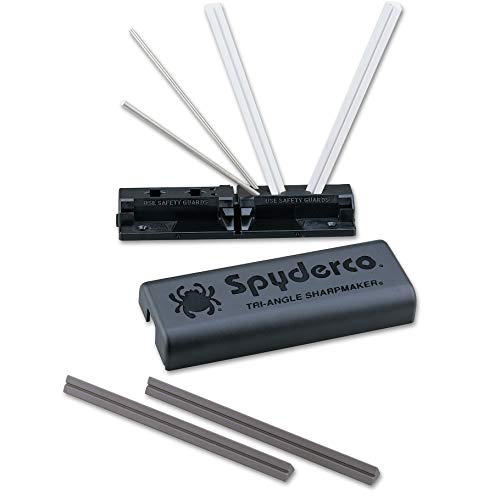
If you want a manual system for weekly upkeep: The Spyderco Tri-Angle Premium Sharpmaker Set with DVD ($94.98) — The Spyderco Tri-Angle Sharpmaker mounts two pairs of triangular alumina ceramic rods in a base at fixed 15- and 20-degree angles. You hold the knife vertically and let the base handle the geometry, which is a much easier motion to learn than freehand stone work. The triangular corners reach into serrations and along the belly curve where flat stones skip entirely, and the included DVD walks through kitchen, pocket, and hunting blades. Ceramic is gentle, though, so a badly neglected edge takes far longer here than on diamond — this is a maintenance tool first. One caveat on this particular listing: it's an open-box unit, so check both sets of stones for chips when it arrives, since ceramic cracks if it's been knocked around.
If you want the finest edge and don't mind practicing: The KING KW65 1000/6000 Grit Combination Whetstone with ($27.97) — The King KW65 is a 1000/6000-grit combination whetstone on a plastic base, and it's a fixture in culinary schools for good reason. The 1000 side repairs and reconditions, right down to a chipped edge; the 6000 side polishes to a finish nothing else in this guide can touch. It's also the least forgiving tool here. Holding a steady angle freehand takes many hours of deliberate practice before it's reliable, and you have to learn by feel when to move from the coarse side to the fine one. The stone also dishes as you use it, so you'll eventually want a lapping plate to flatten it. Start with a guided system, then graduate to this when the motion feels natural.
The competition
This is what our research surfaced across electric, guided, and freehand sharpeners — not a census of everything for sale. One more product came up often enough to be worth knowing about, even though it didn't make the picks.
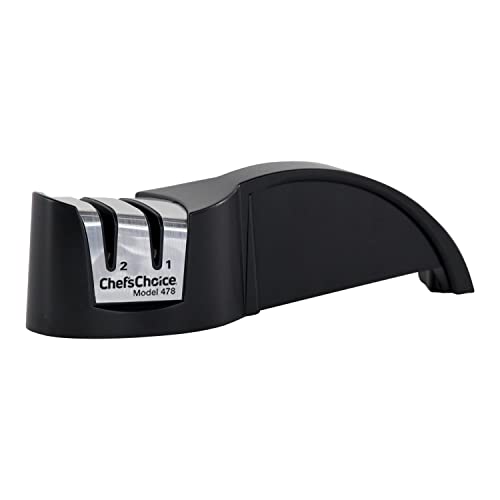
The Chef'sChoice Manual Knife Sharpeners Diamond Hone for ($13.53) — The Chef'sChoice Manual Diamond Hone is a two-stage pull-through with one real advantage over the usual drawer sharpener: the abrasives are diamond rather than carbide, so it cuts instead of scraping and takes off less metal per pass. It's small enough for a utensil drawer or a tackle box, and it's built for straight-edge kitchen, santoku, sports, and pocket knives. But it's locked to 20 degrees, which rules out Japanese blades ground thinner, and it's still a pull-through, so you can't correct uneven wear or choose your own angle. If you want a fixed-angle diamond pull-through for a set of European knives and nothing more, it's a sensible buy. The Lansky does the same job better for anyone willing to spend a few extra minutes.
Sharpening and upkeep
Most people sharpen too often and hone not enough. Honing straightens the microscopic teeth along an edge without removing steel — run a knife down a honing rod every week or so and it'll stay usable far longer. Sharpening actually grinds a new edge, and for normal home cooking you only need it a few times a year. If you're reaching for the sharpener constantly, the culprit is usually a glass, ceramic, or stone cutting board, so switch to wood or plastic. Keep a heavier beater knife around for bones, winter squash, and anything frozen, especially if you've converted your blades to a thinner 15-degree edge, which chips more easily. And flatten a whetstone once it starts to dish in the middle.
Questions we get
Is an electric sharpener better than a whetstone?
Electric sharpeners are faster and need no skill, but a well-used whetstone produces a finer edge and removes less metal per session. Which one is better depends entirely on how much practice you're willing to put in. If you want sharp knives without a learning curve, the Chef'sChoice 15XV is the practical answer. If you'll actually put in the hours, the King KW65 will out-sharpen any machine here.
Can I use an electric sharpener on Japanese knives?
It depends on the knife. Double-bevel Japanese knives like gyutos and santokus are fine in the Chef'sChoice 15XV, since its 15-degree stage matches the geometry those blades already use. Single-bevel knives — yanagiba, deba, usuba — are a hard no. Their asymmetric grind is flat on one face and hollow on the other, and any fixed-angle slot will destroy it permanently.
How often should I sharpen my kitchen knives?
For most home cooking, a few times a year is enough. Hone weekly with a steel in between and you'll stretch that interval further still. If a knife feels dull after a week, it usually needs honing rather than sharpening. If it won't hone back to a working edge, the edge is rolled or damaged and it's time for the sharpener.
What's the difference between honing and sharpening?
Honing realigns the tiny teeth along the edge without taking off meaningful metal, which is why you can do it weekly with no cost to the blade. Sharpening grinds away steel to create a fresh edge, so it should be occasional. Think of honing as maintenance and sharpening as repair. Most people who feel like they're always sharpening are simply skipping the honing step.
Do pull-through sharpeners damage blades over time?
They wear blades faster than the alternatives, yes — both carbide and diamond versions. Pull-throughs remove more metal per pass than guided rods or stones, and they can't correct uneven wear or thin spots that develop along the edge. On knives from a bundled set that's an acceptable trade. On knives you chose deliberately, a guided system like the Lansky or the Spyderco Sharpmaker will keep them in shape much longer.
What angle should I use on German knives like Wüsthof or Henckels?
Classic German knives come ground at about 20 degrees per side, though some newer Wüsthof lines ship closer to 14. Twenty degrees is the safe default if you want to preserve the factory geometry, and both the Lansky and the Sharpmaker let you choose it. The Chef'sChoice 15XV will convert them to 15 degrees instead, which cuts more cleanly but chips a little more easily. Neither choice is wrong — it's slicing performance versus edge durability.
Why you should trust us
For this guide:
- We read the manufacturer specifications and full listing details for every sharpener in this guide, along with published reviews from kitchen-equipment writers who have compared these machines against each other.
- We went through owner feedback for each product looking for failure modes that come up again and again — angle drift, worn abrasives, blades that don't fit — rather than one-off complaints.
- We checked each design against the blade types home cooks actually own, including serrated bread knives, thin double-bevel Japanese profiles, and single-bevel blades that no fixed-angle tool should touch.
- We read owner reviews on every listing, weighted toward the critical ones, because that is where the recurring failures show up.
- We have a systematic way of automatically fetching the latest prices, so the numbers on this page stay current.
- This is a research-focused guide, so the team may not own every product listed — though we often do own the top winners, which gives us extra context for the recommendations.
- We don't accept free products, and the retailer commission never changes which product we recommend.
Sources
The Best Knife Sharpeners — Wirecutter (New York Times), Wirecutter
Best Knife Sharpeners, Tested and Reviewed — Serious Eats, Serious Eats
Best Knife Sharpeners — Good Housekeeping Institute, Good Housekeeping
Knife Sharpener Equipment Reviews — America's Test Kitchen, America's Test Kitchen
Best Knife Sharpeners, Tested — Cook's Illustrated, Cook's Illustrated
Amazon product listings and owner reviews for all 7 products
Manufacturer specification pages for each product
Some passages in this guide may be paraphrased with AI help. Prices are refreshed automatically.
More like this.
Continue exploring home reviews and recommendations.

The Best Knife Sharpeners and Honing Tools
A sharp knife does the work so your hands don't. It glides through tomato skin instead of skidding off it, and it takes most of the fight out of a…

The Best Knife Sets
You touch your knives every time you cook. They're the difference between prep that moves and prep that drags. A sharp chef's knife walks through an onion…

The Best Kitchen Knife Sets
A sharp knife changes how cooking feels. You stop sawing at tomatoes, you stop crushing herbs into a bruised green paste, and dinner prep gets faster and…

The Best Smart Door Locks and Keyless Entry Systems
A smart lock earns its keep in the small moments. You're carrying groceries in both arms and the door opens anyway. Your kid gets home from school and you…

The Best Stainless Steel Mixing Bowl Sets
A mixing bowl set is something you touch every day and think about almost never. You crack eggs into one, toss a salad in another, and stash leftovers in…

The Best Indoor Air Quality Monitors
You can't see most of what you breathe at home. Cooking throws fine particles across the kitchen. A closed bedroom door pushes CO2 past the point where…