The Best Motorcycle Jackets And Gloves
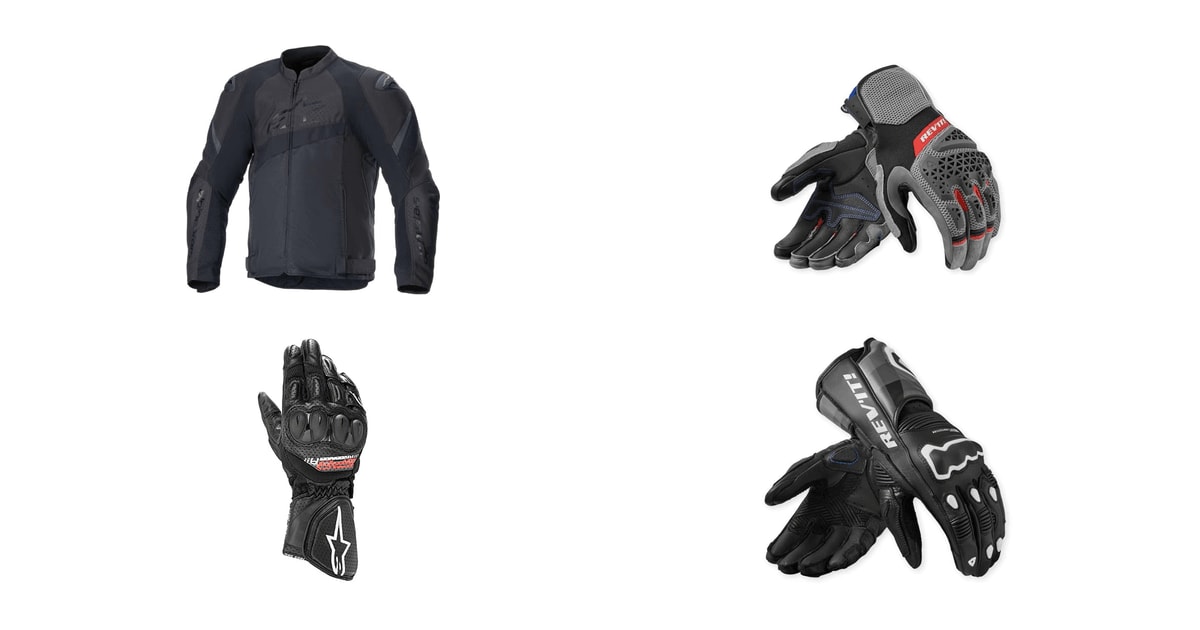
Gear is the part of riding you notice every day, long before you ever need it. A jacket that's too warm stays on the hook, and gloves that pinch turn a two-hour ride into a chore. So the gear that protects you best is the gear you'll actually put on in July traffic. That means airflow, a cut that moves with you, and armor that sits where it belongs. The crash data supports the fuss: upper-limb injuries — hands, wrists and forearms — accounted for 29% of rider injuries in the MAIDS in-depth crash study.
Here's the honest part. No single piece of gear covers every condition. Mesh flows air beautifully and stops exactly none of the rain. Leather holds up better in a slide, with roughly a 25 to 40% abrasion advantage over woven textile at similar price points in published material comparisons, but it punishes you in stop-and-go heat. Waterproof laminates keep you dry and add bulk. Gloves face the same squeeze: the more armor you bolt onto the back of your hand, the less you feel the levers. Most riders end up owning two sets.
Buy for the riding you actually do, not the trip you might take someday. If most of your miles are commutes and weekend loops in warm weather, a ventilated jacket with upgradeable armor will serve you better than a heavy touring shell you unzip at every light. Then spend real money on gloves, because your hands hit first. We think that the Alpinestars T-GP Plus V4 Airflow is the best motorcycle jacket for most riders, and that the REV'IT! Quantum 3 is the one to buy if you want the most protection on your hands.
Everything we recommend
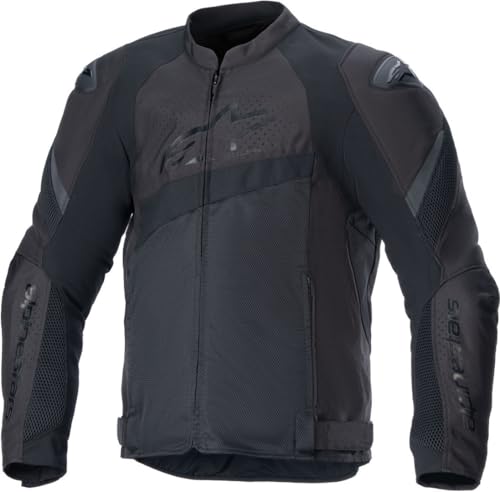
Serious airflow and real armor, for riders who ride in the heat
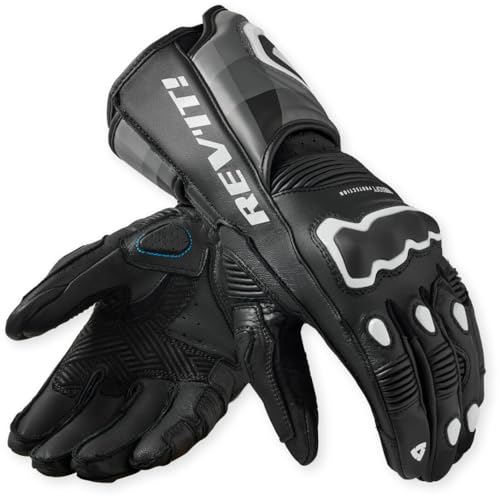
Hard sliders and a long cuff, if you want maximum hand armor

The everyday warm-weather glove, light and easy to live with
At a glance
| Product | Item Type | CE Protection Level | Price | |
|---|---|---|---|---|
| Alpinestars T-GP Plus V4 Airflow JacketTop pick | Jacket | CE Level 1 | $319.95 |
 | REV'IT! Men's Sand 5 Adventure Touring MotorcycleAlso in lineup | Gloves | — | $129.99 |
| Alpinestars SP-8 V3 Air Men's Street MotorcycleAlso great | Gloves | — | $124 |
| REV'IT! Quantum 3 Mens Leather Motorcycle GlovesUpgrade pick | Gloves | — | $249.99 |
How we picked
Certified armor. We looked for CE-certified protectors at the shoulders, elbows and knuckles, and for jackets with pockets that accept a back protector later. Under EN 17092, a Level 2 back protector has to keep transmitted force at or below 9 kN, half the 18 kN allowed at Level 1.
Abrasion resistance. We compared shell materials against published slide-testing summaries, which give leather a 25 to 40% abrasion edge over woven textile at similar price points. Textiles had to make up for it with denier rating, panel placement and reinforcement in the high-wear zones.
Hand protection. Gloves needed hard or semi-rigid protection over the knuckles plus a palm or scaphoid slider, not foam alone. Scaphoid fractures make up around 18% of upper-limb trauma in motorcycle crashes, so that one detail carried more weight than any other glove feature.
Heat and airflow. We favored gear that vents through the shell rather than through a couple of zippered slots, since owner feedback in warm climates consistently separates real mesh construction from token vents. A jacket you unzip in traffic isn't doing its job.
Fit and adjustability. Stretch panels, pre-curved sleeves, waist adjusters and cuff closures decide whether armor stays over the joint it's protecting. We read owner reports on sizing carefully, especially from riders at the tall and short ends of the range.
Top pick
Serious airflow and real armor, for riders who ride in the heat
Alpinestars T-GP Plus V4 Airflow Jacket
A 600D polyfabric chassis with wide mesh panels, CE Level 1 armor at the shoulders and elbows, and hard shoulder sliders that most mesh jackets skip. It fits close like a sport jacket, and the chest and back pockets take upgraded armor whenever you're ready.
$319.95fromAmazonThis is the jacket that stays zipped when it's 95 degrees out. The chassis is 600D polyfabric, and the panels between it are mesh — not token vents, but open sections across the chest, sleeves and back. Riders who cross desert highways in it report the air moves the moment they're rolling. That matters more than it sounds. Gear you peel off in traffic protects nobody.
Mesh jackets often cut corners on armor. This one doesn't. CE Level 1 protectors sit at the shoulders and elbows, and Alpinestars adds DFS Lite shoulder sliders, the hard external pucks that let you skate across pavement instead of catching on it. The chest and back compartments ship empty, so plan on adding a back protector. That's the first upgrade we'd make.
The fit is sporty, and that's both a feature and a warning. Stretch panels and pre-curved sleeves mean it sits right when you're leaned over the tank, with no bunching at the elbows. Riders around five-ten report it fits true to size. Taller riders don't fare as well, and several say the torso runs short on a long frame. Check the length before you commit.
Armor only helps if it's still in front of the impact, and a loose jacket lets protectors wander off station. In RevZilla's post-crash rider survey, 68% of people who'd gone down credited the CE-certified armor in their jacket with preventing a worse injury. Snug beats roomy every time. This cut and its adjusters make snug easy to hit without feeling shrink-wrapped.
Flaws but not dealbreakers
It's a summer jacket and nothing else. There's no thermal liner and no waterproof membrane, so cold mornings mean layering underneath and rain means you get wet. If you ride through real seasons, you'll want a second shell in the closet.
Getting to the protection you probably want costs extra. Level 1 elbow and shoulder pads are the floor, not the ceiling, and the chest and back pockets are empty out of the box. A good CE Level 2 back protector adds meaningfully to your total.
The torso runs short in front. Riders over six feet consistently say the hem sits higher than they'd like, which is a real problem on a jacket that's supposed to overlap your pants.
Upgrade pick
Hard sliders and a long cuff, if you want maximum hand armor
REV'IT! Quantum 3 Mens Leather Motorcycle Gloves
Leather gloves built around hard TPU: a palm slider, a thumb protector and a long cuff that seals under a jacket sleeve. Ventilation holes keep them workable when it warms up, and a conductive thumb tip means you can still deal with your phone.
$249.99fromAmazonYour hands leave the bike first. In the MAIDS crash dataset, upper-limb injuries made up 29% of all rider injuries, second only to head injuries in how often they turn up. Scaphoid fractures alone account for roughly 18% of upper-limb trauma in motorcycle crashes. Gloves aren't an accessory. After a helmet, they're the next thing to get right.
The palm slider is the part that earns the upgrade. A hard TPU shell on the heel of the hand lets your palm skid instead of grabbing asphalt, and that's exactly what keeps a wrist from folding backward. Foam pads don't do that job. Add the TPU thumb protector and you've covered the two spots that take the worst of a low-side.
The long cuff is the other reason to choose these over a short glove. It overlaps your jacket sleeve, so wind can't push up your forearm and the glove can't be dragged off during a slide. That second part matters more than comfort does. A glove that comes off halfway through a crash is a glove you weren't wearing.
REV'IT! punches ventilation holes through the leather, so these aren't strictly summer or winter gloves — they're a three-season pair in most climates. They're stiff at first, though. Leather wrapped around hard armor takes a few hundred miles to relax, and your first rides will feel like you're operating the levers through a cast.
Flaws but not dealbreakers
The listing doesn't state a CE level, which is frustrating on a glove built this seriously. If certification matters to you, and on a sport-leaning glove it should, confirm the rating on the label or the manufacturer's spec sheet before you buy.
Only the thumb is touchscreen-conductive, so working a phone map is a poke-and-give-up affair. The long cuff also fights jackets whose sleeves zip tight at the wrist, and there's very little owner feedback on this pair so far, so we're leaning on the spec sheet and REV'IT!'s record rather than a deep pile of reports.
Also great
The everyday warm-weather glove, light and easy to live with
Alpinestars SP-8 V3 Air Men's Street Motorcycle
Perforated goat and synthetic leather with a 3D mesh top hand, so air moves through the glove instead of around it. A floating knuckle protector and Keprotec reinforcement deliver sport-glove protection in something light enough to forget you're wearing.
$124fromAmazonMost riders wear one pair of gloves for nearly every ride, and these are built for that job. Full-grain goat leather takes abrasion well and breaks in quickly. The perforations and the mesh across the back keep them from turning into oven mitts at a long red light. Owners describe the build quality as excellent right out of the bag.
The floating knuckle is the clever part. Instead of a hard shell glued flat across the back of your hand, the protector rides on its own, so your fingers curl around the grips without fighting the armor. Keprotec, an aramid-blend fabric, reinforces the high-wear zones. It's a lot of protection in a glove that still feels like a summer glove.
These are the gloves we'd hand a new rider first. They're not the most armored pair here, and they don't have to be. Riders in full CE-certified gear were 37% less likely to pick up soft-tissue injuries in low-speed crashes than riders in street clothes, according to Bennetts BikeSocial's research. A glove you'll actually reach for every morning captures most of that benefit.
Flaws but not dealbreakers
Sizing runs strange. Owners report the hand is snug while the cuff is generously wide, and the ring finger gets called out as noticeably long. The thumb is stiff until it breaks in, which makes hand signals awkward for the first week or so.
That wide cuff fights a tight jacket sleeve, so expect some wrestling at the wrist. And these are perforated leather, which means cold rain goes straight through. They're a warm-weather glove, not an all-weather one.
Who this is for
This guide is for riders buying a jacket and gloves for street, commuting and warm-weather sport riding — the gear most people actually put on for the daily ride. If you're kitting out from scratch, start here: a ventilated jacket with upgradeable armor and a pair of leather gloves with a hard palm slider will cover the vast majority of your miles. If you already own gear with CE Level 2 armor that fits well, there's nothing here that will change your life.
We don't cover riding pants, boots, helmets or airbag vests, and we don't cover dedicated winter or full waterproof touring shells. If you commute year-round through rain and cold, you'll need a laminated waterproof jacket alongside anything here. Track riders in leathers are a separate conversation too, though the glove picks translate directly. And if you're shopping specifically for airbag compatibility, check the vest maker's list before you settle on a jacket, since fit over an inflating bladder is the whole game.
How we picked
We built the list around a handful of things that actually change outcomes. Certified armor: CE-rated protectors at the shoulders, elbows and knuckles, with room to add a back protector later — Level 2 caps transmitted force at 9 kN, half of what Level 1 permits. Abrasion resistance: leather's 25 to 40% edge in published slide testing set the bar, so textiles had to earn their place with denier and reinforcement. Hand protection: hard or semi-rigid palm and scaphoid coverage, not foam, since scaphoid fractures account for roughly 18% of upper-limb trauma in crashes. Heat and airflow: ventilation built into the shell, because gear you take off protects nothing. Fit: adjusters and stretch panels that keep armor sitting over the joint it's meant to cover.
The competition
This is what our research surfaced, not a map of everything on the market. Motorcycle gear is a deep, crowded category, and there are good jackets and gloves that simply weren't part of this lineup.
The REV'IT! Men's Sand 5 Adventure Touring Motorcycle ($129.99) — The REV'IT! Sand 5 is an adventure-touring glove, and on paper it's the most versatile pair here: goat leather with 3D air mesh, a TPR knuckle protector, TPU on the thumb and palm, a short cuff with wrist-bone protection, and touchscreen-friendly fingertips. Owners like the feel and the protection. But the same complaint keeps coming back, and it's a serious one — the interior seam runs hard and sharp rather than soft, and several riders report it cuts into their fingers badly enough that the gloves become unwearable. Others never notice it at all. Sizing also runs small, so order up. If you want a light ADV glove and you're willing to take that gamble, they're worth a look; we'd rather send you to a pair without the coin flip.
Care and maintenance
Pull every armor pad out before a jacket goes anywhere near water. Textile and mesh shells can take a cold gentle machine cycle with the zippers closed, but skip fabric softener, which wrecks the water-repellent finish, and skip the dryer entirely — heat warps the panels and the reflective bits. Hang everything to dry. Leather gloves get wiped down and conditioned occasionally, never soaked and never left on a radiator, which turns them stiff and brittle. Wash gloves by hand if they need it, then dry them slowly away from heat. And replace gear after a crash. Impact foam compresses once and doesn't spring back, so armor that saved you already spent itself doing it. Check your seams and stitching every few months while you're at it.
Questions we get
What's the difference between CE Level 1 and CE Level 2 armor?
It's the amount of force the protector lets through to you. A Level 2 back protector has to keep transmitted impact force at or below 9 kN, while Level 1 is allowed up to 18 kN — twice as much. In standardized terms, that makes Level 2 roughly twice as protective. The price gap is usually modest, so if a jacket lets you swap in Level 2 pads, do it.
Are leather or textile jackets safer?
Leather resists abrasion better, with published slide comparisons giving it a 25 to 40% advantage over woven textile at similar price points. But textile wins on waterproofing, ventilation and versatility, and it's easier to build armor pockets into. The safer jacket is the one you'll wear on a hot commute. A well-fitted textile jacket with Level 2 armor beats a loose leather one every time.
Are mesh jackets as safe as leather for street riding?
Not in a long slide, no. Mesh trades abrasion resistance for airflow, and that's a real trade. But mesh jackets with a heavy denier chassis, CE armor at the impact zones and hard shoulder sliders — like our top pick — cover the spots that hit first. For city and warm-weather riding, that's a sensible balance.
Do I need an airbag vest if I already wear an armored jacket?
You don't need one, but it protects things armor can't, mainly your chest, ribs and collarbones. Alpinestars says its Tech-Air 5 system deploys in 25 milliseconds, roughly ten times faster than a human reflex. If you're curious about adding one later, buy an airbag-compatible jacket now so you can retrofit instead of replacing everything.
What should I look for in gloves for wrist protection?
Look for a hard or semi-rigid slider on the palm and the outside of the wrist, not just a foam pad. Scaphoid fractures account for about 18% of upper-limb trauma in motorcycle crashes, and a slider is what lets your hand skid instead of catching. A cuff long enough to overlap your jacket sleeve helps too, because it keeps the glove from being pulled off mid-slide.
How do I know if my jacket fits correctly?
Armor should sit centered on your shoulders and elbows when you're in your riding position, not when you're standing in the store. Sit on the bike, reach for the bars, and check that the pads haven't slid off the joints. There should be no more than a fist of slack in the torso. A jacket that's roomy enough to feel great walking around is usually too loose to protect you well.
Why you should trust us
For this guide:
- We read published reviews, material comparison summaries and crash-injury research, including the MAIDS dataset and Bennetts BikeSocial's safety work, to decide which features actually change outcomes.
- We compared manufacturer spec sheets across the lineup for armor certification, shell construction and ventilation design.
- We read through owner feedback for recurring themes on fit, sizing and durability, and weighted problems that showed up repeatedly rather than one-off complaints.
- We read owner reviews on every listing, weighted toward the critical ones, because that is where the recurring failures show up.
- We have a systematic way of automatically fetching the latest prices, so the numbers on this page stay current.
- This is a research-focused guide, so the team may not own every product listed — though we often do own the top winners, which gives us extra context for the recommendations.
- We don't accept free products, and the retailer commission never changes which product we recommend.
Sources
Best Motorcycle Jackets 2026 — RevZilla Common Tread, RevZilla Common Tread
Best Motorcycle Gloves Roundup — Webbikeworld, Webbikeworld
Best Motorcycle Jackets: Expert Tested — Motorcyclist Magazine, Motorcyclist Magazine
CE EN 17092 Motorcycle Clothing Standard Explained — RideApart, RideApart
Knox Handroid Pod MK5 Review — Bennetts BikeSocial, Bennetts BikeSocial
Alpinestars GP Plus R V4 Leather Jacket Review — Visordown, Visordown
Klim Traverse Jacket Long-Term Review — ADV Pulse, ADV Pulse
Airbag Motorcycle Jackets Tested — Motor Cycle News, Motor Cycle News (MCN)
Does Motorcycle Gear Actually Protect You? — Bennetts BikeSocial, Bennetts BikeSocial
Best Budget Motorcycle Jackets — RideApart, RideApart
Motorcycle Gloves Safety and Scaphoid Injury Study — Accident Analysis & Prevention Journal, Accident Analysis & Prevention Journal
Motorcycle Protective Clothing Market Report 2025 — Grand View Research, Grand View Research
Amazon product listings and owner reviews for all 4 products
Manufacturer specification pages for each product
Some passages in this guide may be paraphrased with AI help. Prices are refreshed automatically.
More like this.
Continue exploring electronics reviews and recommendations.

The Best Electric Heated Motorcycle Gloves
Your hands are the first thing to quit on a cold ride. They're out in the wind, wrapped around metal, doing all the precise work - clutch, brake,…

The Best Dog Life Jackets
A dog who swims well in a calm pool can still get into trouble in a lake. Cold water, boat wakes, a current that wasn't there an hour ago, a steep bank…

The Best Waterproof Breathable Rain Jackets
A rain jacket earns its keep on the days you'd rather stay home. You're twenty minutes from the car when the sky opens, or you're walking to the office…

The Best Packable Down Jackets for Travel
A packable jacket earns its place in your bag by disappearing. You want something that squashes down to the size of a loaf of bread, sits in the bottom of…

The Best Heated Work Gloves
Cold hands make you slow and careless. You fumble the bolt, you drop the shovel, you pull a glove off to work your phone and lose ten minutes of warmth…

The Best Workout Gloves and Lifting Grips
Your hands are the weak link in most lifts long before your back or legs are. Skin tears at the base of the fingers, calluses catch on knurling, and a bar…