The Best Pasta Makers
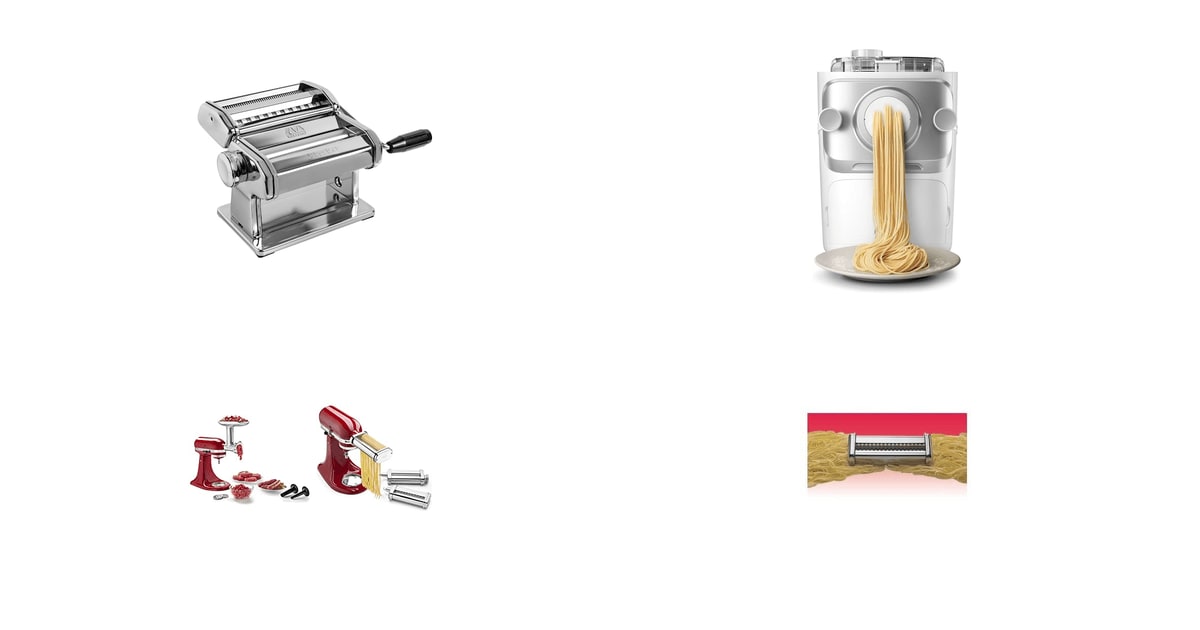
Fresh pasta takes about an hour, and most of that is the dough sitting still. The machine's job is narrow: turn a lump of dough into sheets or strands of even thickness, again and again, without tearing. A good one does that with a crank you barely have to fight, or a motor that doesn't jam, and it keeps doing it for years. A bad one flexes, chews the dough, and ends up at the back of a cabinet. You'll know which you bought within ten minutes.
No machine here does the whole job. Manual rollers won't mix or knead — that's you, a bowl, and half an hour of resting. Electric extruders handle the mixing, but they're picky about hydration, and dough that's a little too wet wraps around the auger instead of coming out the front. Cleanup isn't fun either way: metal rollers can't go near water, and extruder discs need a poke tool and some patience. Fresh pasta is a hobby. It's just a very good one.
So pick the chore you'd rather own. If you like the ritual — flouring the counter, folding the sheet, working it thinner one notch at a time — a manual roller gives you the best texture and the fewest parts to break. If pasta night only happens when it's easy, an extruder is what makes it happen. We think that the Marcato Atlas 150 is the best pasta maker for most people, and that the Philips 7000 Series is the one to buy if you want the machine to do the mixing and kneading for you.
Everything we recommend

The silkiest sheets, if you don't mind doing the cranking

Hands-off pasta on a weeknight, if you can pay for the motor

Motor-driven rolling and both hands free, if you own the mixer
At a glance
| Product | Price | |
|---|---|---|
| MARCATO Made in Italy Atlas 150 ClassicTop pick | $103On sale |
| Philips 7000 Series Pasta MakerUpgrade pick | $269.99On sale |
| KitchenAid 3-Piece Pasta Roller & Cutter SetAlso great | $259.87On sale |
 | Imperia Pappardelle Pasta Machine AttachmentAlso in lineup | $69.99 |
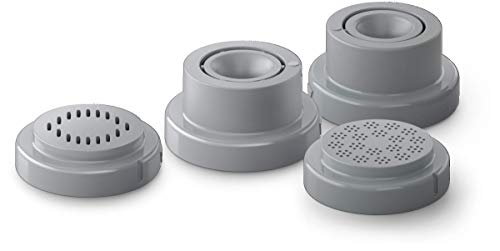 | Philips Kitchen Appliances Philips Compact Pasta MakerAlso in lineup | $39.99 |
How we picked
Metal, not plastic. We compared materials on every spec sheet and ruled out anything with plastic rollers or plastic gears. Owner feedback backs this up: the machines people still use years later are the all-metal ones.
Sheet consistency. We looked at roller width and the number of thickness settings, treating six settings and a 150mm sheet as the floor. Published reviews consistently tie even sheets to precisely spaced rollers rather than to brand.
Effort per batch. We weighed how much of the work the machine actually takes off you — mixing, kneading, rolling — against how much it costs and how much counter it occupies.
Cleanup reality. We read owner feedback specifically for cleaning complaints, since that's what quietly kills a pasta habit. Dishwasher-safe parts scored well; extrusion discs did not.
Long-term reports. We prioritized machines with years of accumulated owner feedback over newer listings, and we noted where out-of-box defects come up repeatedly rather than occasionally.
Top pickOn sale
The silkiest sheets, if you don't mind doing the cranking
MARCATO Made in Italy Atlas 150 Classic
This all-metal Italian roller takes dough down through ten thickness settings, from lasagna-thick to nearly see-through, and the 150mm rollers handle a full sheet in one pass. Spaghetti and tagliolini cutters come in the box, and owners routinely report keeping theirs for a decade or more.
$103fromAmazonList priceThis is the machine to buy if you're only buying one. The Atlas 150 rolls a wide, even sheet, and ten settings give you somewhere sensible to land for almost any shape. Start thick, fold, roll again, then work down a notch at a time. Around setting seven the dough turns translucent — that's your fettuccine. Two more notches and it's thin enough for ravioli that won't bully the filling.
Marcato has been making these in Italy for the better part of a century, and it shows in small ways. The gears are metal, not plastic, and owners who take the machine apart out of curiosity say so repeatedly. The crank turns smoothly even through a stiff semolina dough. At about five and a half pounds it feels planted on the counter but still lifts into a cabinet one-handed.
Nothing about it is intimidating. People making pasta for the first time describe getting the hang of it inside a single batch, and the learning curve is mostly about your dough, not the machine. The printed instructions are the weak spot — thin enough that most owners give up and follow a video instead. That's about the only place where an old design shows its age.
The cutter situation is worth understanding before you buy. Spaghetti and tagliolini cover a lot of weeknight dinners. Everything else — fettuccine, pappardelle, ravioli — is a separate attachment that clips onto the same body. That adds up over time, but it also means the machine grows with you instead of going obsolete.
Flaws but not dealbreakers
You do all the work. Rolling enough pasta for six or eight people is twenty-odd minutes of cranking, and it's genuinely easier with a second person feeding sheets while you turn the handle. The machine also won't mix or knead, so the dough has to be made and rested before it ever touches the rollers.
Cleaning is dry-only. Water on the rollers means rust, so it's a brush and a dry cloth every single time, and you have to let stray dough dry before you can flake it off. The table clamp will mark a soft countertop unless you slip a towel or a board underneath. A small number of owners also report a machine arriving with a loose bearing or a rattle, which is worth listening for on the first pass.
Upgrade pickOn sale
Hands-off pasta on a weeknight, if you can pay for the motor
Philips 7000 Series Pasta Maker
This one mixes, kneads and extrudes on its own, so fresh pasta takes roughly ten minutes of mostly waiting. Eight discs cover spaghetti, penne, fettuccine and more, it makes enough for about eight portions, and the removable parts go in the dishwasher.
$269.99fromAmazonList pricePicture a Tuesday. You measure flour into the chamber, pour in the liquid, pick a disc and press a button. Ten to thirteen minutes later there's a nest of fresh spaghetti on the counter and one bowl to wash. Owners who bought this to replace a stand mixer attachment tend to say the same thing — pasta night went from occasional to weekly.
The convenience is real, and so is the texture penalty. Extruded pasta gets pushed through a die instead of stretched between rollers, so the surface comes out rougher and the strands a little denser. In a butter-and-parmesan or a bare aglio e olio, where the noodle is the whole point, you'll notice. Under a ragù or a pesto, that rough surface grabs sauce better than a rolled noodle does.
It's fussier than the box suggests. The most common complaint isn't the machine at all — it's the instructions, and owners who get bad results almost always trace it back to dough that's too wet. Weigh your flour, keep the liquid on the low side, and let the dough rest between the mixing and extruding stages. Get that right and it's consistent batch after batch.
It's quieter than you'd expect from a motor this size. Owners describe a low hum rather than blender racket, which matters when the thing runs for ten minutes on a counter next to people talking. The mixing function also handles cookie dough and the start of pizza and bread dough, so it doesn't have to earn its shelf space on pasta alone.
Flaws but not dealbreakers
This is the most expensive machine here by a wide margin, and the largest — twenty pounds of appliance that isn't going to live in a cabinet. It's also strictly an extruder. Flat sheets for lasagna, ravioli or tortellini are simply off the table.
Reliability is the bigger question mark. A meaningful share of owners report a unit that doesn't work right out of the box, usually the mixing paddle or the extrusion failing on a first run, and this machine draws noticeably more complaints of that kind than the manual ones do. Run a test batch early, while returning it is still easy. The discs are also the worst cleanup job in this guide — the extrusion holes need a poke tool and a few minutes of attention.
Also greatOn sale
Motor-driven rolling and both hands free, if you own the mixer
KitchenAid 3-Piece Pasta Roller & Cutter Set
If a KitchenAid stand mixer already lives on your counter, this set turns it into a pasta roller with eight thickness settings plus spaghetti and fettuccine cutters. The rollers and cutters are stainless steel, and this particular bundle throws in a metal food grinder as well.
$259.87fromAmazonList priceThe difference here is your hands. On a manual machine, one hand cranks while the other tries to catch a sheet that gets longer and floppier by the second. Hook this set to the mixer's power hub, run it at a low speed, and both hands are free to feed, guide and fold. Cooking for a crowd stops being a two-person job.
Rolled pasta beats extruded pasta on texture, and this gets you there without the cranking. The rollers and cutters are stainless steel with no plastic touching the dough, and eight settings is plenty — most recipes only visit three or four of them anyway. Sheets come out six inches wide, the same as the manual machines, so you're not gaining width. You're gaining muscle.
The catch is obvious. This isn't a pasta maker, it's an accessory for an appliance that costs several times what a manual roller does, and it only makes sense if you already own that appliance. It fits household KitchenAid stand mixers, tilt-head and bowl-lift alike. If yours is genuinely old, check the power hub before you order.
This listing pairs the pasta set with KitchenAid's metal food grinder, which brings three grinding plates and two sausage stuffer tubes along with it. If you were eyeing both anyway, that's a tidy way to get them in one go. If you only want pasta, you're paying for a grinder you may never unbox.
Flaws but not dealbreakers
It still won't mix or knead for you. The mixer bowl can do that, but it's a separate step with separate hardware, and you'll be swapping attachments mid-recipe. There's no extrusion either, so penne and rigatoni are out.
Owner feedback on this bundle is thin compared with the standalone machines, so there's less collective experience to lean on. And a motor doesn't stall the way your arm does — a sheet that folds over on itself gets rolled anyway. Go slow for the first few passes until you can feel what's happening.
Who this is for
Buy one of these if you actually want to make pasta from flour, not if you want a faster way to boil dry spaghetti. The gap in texture between fresh and dried is large, and it's the whole reason these machines exist. If you cook for one or two and like a project, a manual roller is the obvious start. If you're feeding a family and the deciding factor is whether pasta night happens at all, an extruder removes the excuse. And if a stand mixer is already on your counter, the attachment route saves you a second machine.
This guide covers rolling machines and countertop extruders for home kitchens. It doesn't cover commercial sheeters, ravioli presses, or the cheap plastic-roller machines that turn up at the bottom of search results — those wear out fast and roll uneven sheets, and no amount of technique fixes that. Cutter attachments and replacement discs are add-ons for machines you already own, so they're outside the scope here too.
How we picked
We started from spec sheets and published reviews, then read owner feedback for each listing to see what people complain about after the honeymoon. Materials: all-metal rollers, cutters and gears, with nothing plastic touching the dough. Sheet quality: at least six thickness settings and a 150mm roller, so a full lasagna sheet goes through in one pass. Effort: how much of the mixing, kneading and rolling the machine takes off your hands, and what that costs you in money and counter space. Cleanup: whether parts are dishwasher-safe or dry-brush-only, and how badly the awkward bits clog. Track record: years of accumulated owner reports, with extra weight on repeated out-of-box failures.
The competition
This is what our research surfaced in this lineup, not a survey of everything for sale. Two of the listings here turned out to be accessories rather than machines, so they're noted separately below. The three remaining pasta makers all earned a pick — they solve different problems, and which one is right depends far more on how you like to cook than on which is objectively better built.
Care and cleaning
Metal rollers and water don't mix. On a manual machine, wait until any stray dough has dried, then brush the rollers and cutters out with a stiff dry brush and run a scrap sheet through once to pick up crumbs. Never rinse it, never put it in the dishwasher, and don't oil the rollers. Extruder parts want the opposite treatment: let the dough inside the discs dry completely, push it out with the cleaning tool, then wash them. Attacking a disc while the dough is still wet just smears it deeper into the holes. Store a manual machine with the crank pulled out so the clamp screw doesn't wander, and keep it somewhere dry rather than under the sink.
Questions we get
Which pasta maker is easiest for a beginner?
The Marcato Atlas 150. Owners with no experience describe getting usable sheets on their first batch, and starting at a thick setting and working down is a forgiving way to learn. Skip the printed instructions and follow a video for your first go. If you'd rather skip the dough handling entirely, the Philips 7000 Series does the mixing and kneading for you.
Manual or electric — which should I get?
Manual rollers make better pasta. Stretching dough between rollers gives you a silkier, layered sheet that an extruder can't reproduce, and it opens up ravioli, lasagna and stuffed shapes. Electric extruders win on speed and effort, and they're the only way to get penne or rigatoni at home. If texture matters most, roll. If frequency matters most, extrude.
Can I make gluten-free pasta in these?
Yes, with adjustments. Gluten-free dough is fragile and barely elastic, so it cracks and tears where wheat dough would stretch. Add a small amount of xanthan gum by flour weight, use slightly warmer water, and rest the dough longer than you would a wheat dough. Manual rollers handle it more gracefully than extruders, which rely on dough holding together under pressure.
How long does fresh pasta actually take?
With a manual machine, budget about an hour start to finish — roughly ten minutes to mix, half an hour of resting, then fifteen or twenty minutes of rolling and cutting. Only about half of that asks anything of you. The Philips 7000 Series compresses the whole thing into ten to thirteen minutes, most of which you spend doing something else.
What dough should I use?
For classic egg pasta, use 100g of '00' flour per large egg and no water at all. That one-to-one ratio by weight gives you a smooth, pliable dough that works in any machine here. For semolina pasta, mix fine semolina with warm water and rest the dough at least half an hour before rolling. Flour your sheets lightly between passes, especially at the thin settings.
Do I need a KitchenAid mixer for the attachment set?
Yes — the set has no motor of its own and clips onto the mixer's power hub. It fits household tilt-head and bowl-lift KitchenAid stand mixers, but check the hub on a very old machine before ordering. If you don't already own one, a standalone manual roller costs a fraction as much and makes the same quality of pasta.
Why you should trust us
For this guide:
- We read manufacturer spec sheets and published reviews for every machine here, and compared roller widths, thickness settings, disc counts and stated capacities side by side.
- We went through owner feedback on each listing looking for repeated failure modes — wet-dough jams, defective parts on arrival, clogged extrusion discs — rather than isolated complaints.
- We also checked which listings are complete machines and which are add-ons for equipment you'd need to own already.
- We read owner reviews on every listing, weighted toward the critical ones, because that is where the recurring failures show up.
- We have a systematic way of automatically fetching the latest prices, so the numbers on this page stay current.
- This is a research-focused guide, so the team may not own every product listed — though we often do own the top winners, which gives us extra context for the recommendations.
- We don't accept free products, and the retailer commission never changes which product we recommend.
Sources
The Best Pasta Makers, Tested and Reviewed, Wirecutter / NYT Cooking
Best Pasta Makers 2026, Serious Eats
Best Pasta Makers, Tested by Food Network Kitchen, Food Network
Best Pasta Makers 2026, Good Housekeeping
Pasta Maker Reviews & Ratings, Consumer Reports
The Best Pasta Makers, According to Our Tests, Allrecipes
Philips Pasta Maker HR2660 Official Product Page & Specs, Philips
Marcato Atlas 150 Official Specifications, Marcato
Amazon product listings and owner reviews for all 5 products
Manufacturer specification pages for each product
Some passages in this guide may be paraphrased with AI help. Prices are refreshed automatically.
More like this.
Continue exploring appliances reviews and recommendations.

The Best Ice Cream Makers
Homemade ice cream is mostly a texture problem. The base is easy - cream, sugar, maybe egg yolks - but turning it into something scoopable instead of a…

The Best Panini Presses And Sandwich Makers
A good panini press turns leftover bread and a wedge of cheese into lunch in about four minutes. That's the whole appeal. You close the lid, you walk…

The Best Waffle Makers
A waffle maker earns its counter space about once a week, on a slow morning, when someone in the house wants something better than toast. That's a low bar…

The Best Portable Espresso Makers for Travel
Bad hotel coffee is a small daily tax on travel. A portable espresso maker is the fix: a hand-pumped cylinder that takes fine grounds and hot water and…

The Best Bread Makers
A bread maker earns its counter space by making one thing easy: a warm loaf you didn't have to think about. You dump in flour, water, salt, and yeast,…

The Best Coffee Makers
Your coffee maker is the appliance you use most and think about least. It runs every single morning, usually before you're awake enough to troubleshoot…