The Best Compost Tumblers
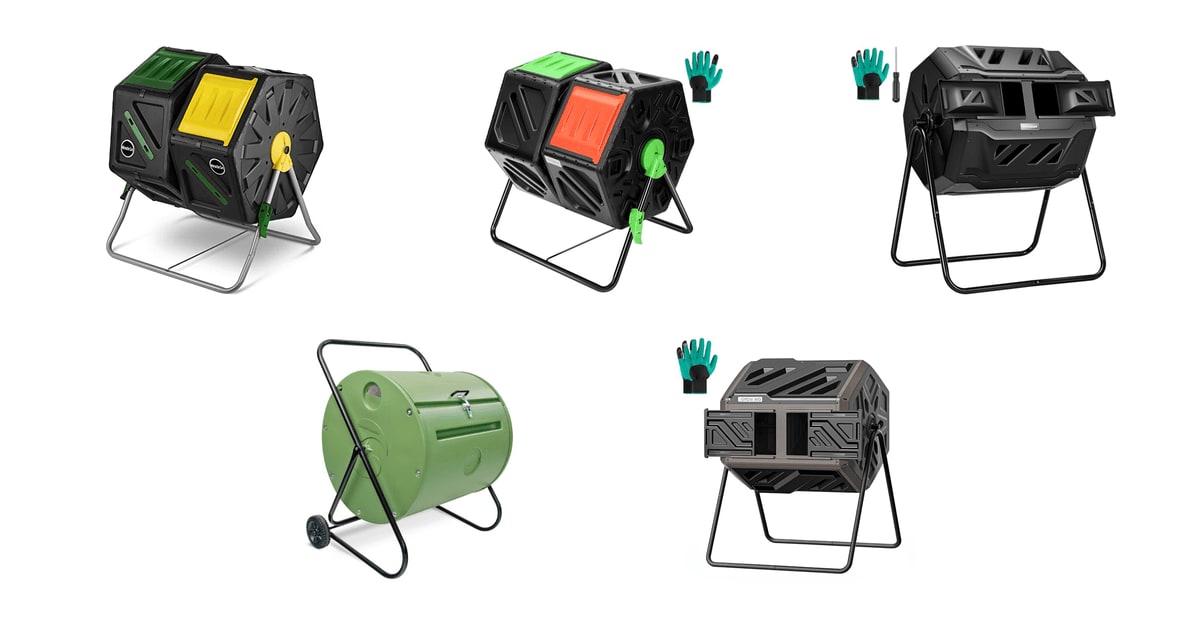
Composting in a tumbler is mostly about friction — how much of it stands between you and the act of throwing a banana peel outside. A sealed drum on a frame spins with a shove, heats up faster than a heap of leaves in the corner of the yard, and keeps raccoons from treating your kitchen scraps as a buffet. Most published guidance puts a well-managed tumbler at roughly four to eight weeks for finished compost, against three to six months for a pile nobody turns. That gap is the whole pitch.
Here's the part the listings skip: nearly every tumbler in this price range is a bag of plastic panels that you snap together yourself, and owners across all these brands describe the same wrestling match. Panels warp in shipping. Sides pop loose as you clip the next one. You will want hand strength, a flat surface, and often a second person. Capacity is also fixed — once the drum is full, it's full, and you're stockpiling scraps in a bucket until the batch cures.
So the right pick depends on your household size, your yard, and how much assembly pain you'll tolerate. Two people with a small patio need something different from a family of four with a lawn to mow. We think that the VIVOSUN Outdoor Tumbling Composter is the best compost tumbler for most people, and that the Miracle-Gro Dual Chamber Compost Tumbler is the one to buy if you want a familiar brand with easy access to replacement parts.
Everything we recommend

The most usable capacity, if you can survive assembly

A familiar brand and easy parts, with less room inside

The least painful assembly, in a 43-gallon drum

Same layout, smaller drum, tougher build
At a glance
| Product | Capacity | Chambers | Price | |
|---|---|---|---|---|
| Miracle-Gro Dual Chamber Compost TumblerRunner-up | 2x18.5 Gal | Dual Chamber | $109.87 |
| VIVOSUN Dual Chamber Tumbling ComposterBudget pick | 2X 18.5 Gallon | Dual Chamber | $74.99 |
| VIVOSUN Outdoor Tumbling Composter Dual Rotating BatchTop pick | 43 Gallon | Twin Chambers | $71.99On sale |
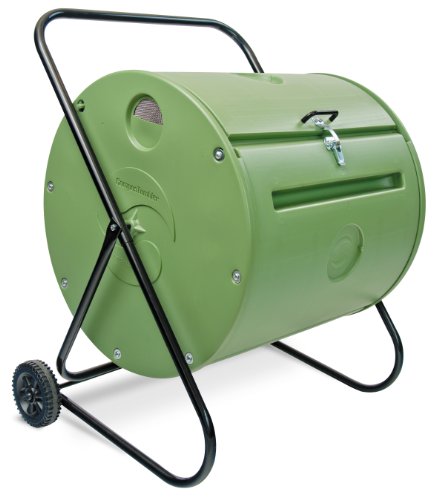 | Mantis Back Porch ComposTumblerAlso consider | — | — | $267.80 |
| THEGROW'ING 43 Gallon Dual Chamber Compost BinAlso great | 43 Gallon | Dual Chamber | $67.99 |
How we picked
Usable capacity. We compared stated gallon figures against what owners describe filling in practice, and weighted 37 gallons as the floor for a household of two to three. Anything meant for a family with a lawn needed to reach 43.
Assembly reality. We read owner feedback specifically for build experience, since it's the single most common complaint across this whole category. Designs that reduce hardware fiddling — embedded nuts, screws over snap-fit panels — scored higher.
Aeration hardware. We looked for deep internal fins plus vents on the spec sheets, not vents alone. Fins physically break compacted clumps on every rotation, which is what keeps a drum aerobic.
Weather durability. We favored UV-stabilized BPA-free plastic on rust-resistant steel frames, and checked owner reports for panels warping, connectors loosening or frames rusting after full seasons outdoors.
Pest exclusion. Every drum here is fully enclosed, so we read owner feedback for the failure mode that actually matters: latches and doors that come loose mid-spin and let material out.
Top pickOn sale
The most usable capacity, if you can survive assembly
VIVOSUN Outdoor Tumbling Composter Dual Rotating Batch
A 43-gallon twin-chamber drum with eight finned panels that break up clumps every time you spin it. It handles a family's kitchen scraps plus lawn clippings without filling up mid-season, and owner feedback on multi-season durability is the most reassuring in this group.
$71.99fromAmazonList priceForty-three gallons is the size that stops you from rationing. Smaller dual-chamber drums fill fast once grass clippings enter the picture. With this one you can add scraps daily, dump a mower bag in, and still have room on the fill side while the other cures. Owners who compost a few cups of kitchen waste a day plus yard trimmings describe filling it steadily rather than hitting a wall in week three.
The eight interior panels carry deep fins, and those matter more than the vents do. Every rotation drags material across them, tearing apart the wet compacted clumps that go anaerobic and start to smell. Vents let air in; fins put air where the material actually is. It's the clearest mechanical difference between this drum and the smoother-walled ones in the lineup.
Owner reports on weather durability are the strongest here. People describe leaving it outside through full seasons of rain and sun with the metal frame and PP body holding up. One long-running account describes dark, crumbly finished compost after months of daily feeding — the ordinary, unglamorous outcome you actually want from a composter.
Assembly is a real project, and you should plan for it. Owners consistently describe a lengthy screw-by-screw build that goes far better with two people. The upside is that screws and nuts hold together more reliably than snap-fit panels, and the kit ships with a screwdriver and spare hardware. You suffer once, then you're done.
Flaws but not dealbreakers
The center divider draws repeated complaints. Several owners report it doesn't seat properly, which means the two chambers can leak into each other and the clean separation you paid for gets fuzzy. If you plan to run strict batches, check the fit during assembly and be ready to shim or trim it.
Spinning a nearly full 43-gallon drum takes a real shove. There's no crank or gear reduction — it's your arms against a barrel of wet material. Most people manage, but if you have shoulder or wrist trouble, this is the wrong shape of composter for you.
Assembly is genuinely long. Budget an afternoon, not ten minutes, and line up a second pair of hands to hold panels while you drive screws.
Runner-up
A familiar brand and easy parts, with less room inside
Miracle-Gro Dual Chamber Compost Tumbler
Two 18.5-gallon chambers on a galvanized steel base, with sliding doors that make loading and emptying less of a fight. It's the pick if you want a name you recognize and simple access to replacement hardware, and you're composting for a smaller household.
$109.87fromAmazonThirty-seven gallons total is enough for two or three people who compost kitchen scraps and modest yard waste. Add a weekly mower bag and it gets tight quickly. That's the trade you're making against our top pick — a bit less room in exchange for a brand with wide retail presence and parts you can actually chase down.
The sliding doors are the best part of using it. Instead of lifting a lid on a drum that's already tilted, you slide a panel and pour. The steel base sits the drum high enough that a bucket or garden tray tucks underneath during harvest. Over dozens of emptyings, that's a real saving in stooping and spilled compost.
Owners who got through assembly are broadly happy — easy loading, stable in wind, spins fine when it isn't packed to the brim. The dual-chamber logic is straightforward enough that a first-time composter doesn't need to think about it: fill one side, spin both, harvest the finished one.
Miracle-Gro's retail footprint is a practical advantage rather than a marketing one. When a connector cracks or a bolt vanishes, having a widely stocked brand behind the product makes replacement easier than chasing a small seller. Some owners have still had trouble reaching support for specific parts, so it's an advantage, not a guarantee.
Flaws but not dealbreakers
The panel connectors are the weak point. Owners describe J-connectors that loosen over time, sometimes badly enough that people glue the joints to stop panels from flexing apart. Panels also arrive slightly warped often enough that assembly turns into a snap-and-pray exercise requiring strong hands.
The walls flex under a firm push. That's not fatal, but it's thinner plastic than the sturdiest options here, and several northern owners would be right to expect brittleness after a few freeze-thaw winters.
Some owners report flies inside the drum. That's usually a sign of too many wet greens, and it's fixable with dry leaves or cardboard — but a sealed tumbler doesn't make the problem impossible.
Also great
The least painful assembly, in a 43-gallon drum
THEGROW'ING 43 Gallon Dual Chamber Compost Bin
A brown 43-gallon dual-chamber tumbler built around embedded nuts, so you're not fishing loose hardware through holes while balancing a panel. Owners repeatedly describe a smooth build, which is the single biggest complaint about every other tumbler here.
$67.99fromAmazonAssembly is where this one earns its place. The nuts are already set in the plastic, so you're driving screws into a fixed target instead of juggling a wrench, a bolt and a panel at once. Owner accounts skew strongly toward a quick, tidy build — some faster than an hour, some with no help needed at all. Compared with the horror stories attached to the other drums here, that's a meaningful difference.
The capacity matches our top pick at 43 gallons across two chambers, so you're not paying for easy setup with a smaller drum. A couple of owners describe filling both sides within weeks when heavy yard material comes in, which tells you it's real volume rather than an optimistic number on a box.
It spins by hand with no crank, and owners describe it as rain-proof once sealed — no puddling inside after storms. The BPA-free PP body sits on a rustproof steel frame, which is the standard build for this class and holds up outdoors year-round.
The brown drum is a small thermal handicap. Dark plastic soaks up more sun, and the black drums in this lineup will run a little warmer inside on a bright afternoon. In midsummer you probably won't notice. In shoulder seasons, a few extra days is a fair guess.
Flaws but not dealbreakers
It's newer than the rest, with a thinner record of multi-season use. Nobody can tell you yet how the frame and plastic look after four winters, and that's a real unknown if you want proof before you buy.
Assembly isn't universally smooth. A few owners report panels arriving misaligned badly enough that screws wouldn't seat at all — the embedded-nut design removes one problem but doesn't fix a molding defect.
At least one owner found the drum smaller in person than expected. It's a tall, narrow footprint, so measure the space you have in mind rather than trusting the gallon figure alone.
Budget pick
Same layout, smaller drum, tougher build
VIVOSUN Dual Chamber Tumbling Composter
Two 18.5-gallon chambers in a black drum that soaks up afternoon sun and runs warmer inside during summer. It's the compact option for a couple or a small household that doesn't need 43 gallons and wants a smaller footprint on a patio.
$74.99fromAmazonThe black drum does something for you passively. Dark plastic absorbs more solar heat, and warmer material decomposes faster — VIVOSUN cites a six-to-eight-week cycle in warm weather, which lines up with what published composting guidance says about temperature and speed. If your tumbler sits in full sun most of the day, that's free acceleration.
Thirty-seven gallons across two chambers suits a household of two or three, and the compact footprint is easier to place than the taller 43-gallon drums. Owners repeatedly note how much volume it holds relative to how little yard it takes up. If you're composting on a patio or a narrow side yard, that matters more than raw capacity.
Once it's together, owners describe it as genuinely sturdy. The six side panels lock at an offset angle that makes the assembled drum rigid — the same geometry that makes the build annoying is what keeps the thing from flexing later. It spins easily when partly full, and takes a firmer push as it fills, which is true of every drum here.
Two chambers let you keep kitchen scraps separate from garden waste, which is more useful than it sounds. Grass and leaves break down on a different schedule from vegetable trimmings. Running them in separate sides means you can harvest one without waiting for the other to catch up.
Flaws but not dealbreakers
Assembly is the worst in this group. Owners describe panels that pop back out as you clip the next one, instructions that are more picture puzzle than guide, and a build that needs strong hands and patience. Painter's tape to hold panels while you work is a trick several owners landed on independently.
The material feels lighter than the sturdier options here. One owner puts the realistic lifespan at three or four seasons, which is a reasonable expectation for thinner plastic left outdoors year-round.
The spinning mechanism stiffens in sub-freezing weather, and the drum's thinner walls hold less heat than a larger mass of material would. It's a warm-season performer more than a winter one.
Who this is for
Buy a tumbler if you're composting kitchen scraps and moderate yard waste in a suburban or urban yard, and you want finished compost in weeks rather than seasons. It's the right call if pests are a concern, if odor near a neighbor matters, or if you don't want to turn a pile with a fork. If you're composting more than about a hundred gallons per batch, or you want earthworms working up from the soil, an open bin or a bay system is cheaper and scales better than any drum.
This guide covers plastic-drum backyard tumblers in the common residential size range. It doesn't cover insulated galvanized-steel units built for genuine winter composting in cold climates, and it doesn't cover indoor electric food recyclers, which are a different product doing a different job. If you live somewhere that stays below freezing for months and you want composting to continue through it, none of these drums will do that well — plastic tumblers slow dramatically as temperatures drop.
How we picked
We weighed five things. Capacity: enough room that you're not stockpiling scraps in a bucket, which in practice means 37 gallons minimum and 43 for a family with a lawn. Assembly: the most common complaint in this category by a wide margin, so designs that cut hardware fiddling earned real credit. Aeration: deep internal fins plus vents, since fins break up the wet clumps that turn a drum sour. Durability: UV-stable plastic on a rust-resistant frame, checked against owner reports of warping panels and loosening connectors after full seasons outside. Pest exclusion: a sealed drum is table stakes, so we focused on whether latches and doors actually stay shut when the drum is spinning full.
Other compost tumblers worth considering
If you want to load and empty without crouching: The Mantis Back Porch ComposTumbler ($267.80) — The Mantis Back Porch ComposTumbler sits the drum higher than anything else here, so you fill it standing upright and empty it into a bucket underneath. Transport wheels let you roll finished compost to a bed instead of hauling it. That ergonomic advantage is real, and it's the reason to consider it if kneeling and lifting are the parts of composting you dread. What you give up is significant: it's a single chamber, so you can't cure one batch while filling another, and it costs several times what the plastic dual-chamber drums do. Owner feedback also flags the door hardware — broken handles and latches that work loose mid-spin, sometimes spilling compost. That's a hard flaw to accept at this end of the lineup.
The competition
This is the set of tumblers our research surfaced in the common residential size range, not a survey of everything sold. We left out insulated steel cold-climate units and indoor electric recyclers, both of which solve different problems. Within this group, the differences come down to capacity, how much of a fight assembly is, and whether the door hardware holds up.
Care and feeding
The one variable that decides everything is your carbon-to-nitrogen balance. Aim for roughly three parts dry brown material — shredded leaves, torn cardboard, straw — to one part green, meaning food scraps and fresh clippings. Too many greens gives you a wet, smelly anaerobic mass; too many browns and the whole thing stalls. Moisture should feel like a wrung-out sponge, not a swamp. Spin every two or three days, not daily, since constant disruption keeps microbial colonies from establishing. Skip meat, dairy, oily food and cooked leftovers — a sealed drum resists pests better than a pile, but those materials still draw flies and stink. If it starts smelling, add a big handful of dry leaves, spin hard, and leave the drum in the sun. Most odor problems clear inside a day or two.
Questions we get
How long does a compost tumbler take to make finished compost?
Figure four to eight weeks if you manage it. That means a balanced carbon-to-nitrogen ratio, moisture at wrung-out-sponge level, and a spin every two or three days. An untended open pile takes three to six months by comparison. Below about 50°F, expect a plastic drum to stretch closer to ten or fourteen weeks.
Do I really need two chambers?
If you generate scraps weekly, yes. A single-chamber drum forces you to stop adding material while the whole batch cures, which means stockpiling scraps in a bucket for a month. Two chambers let you fill one side while the other finishes, so there's always somewhere to put today's coffee grounds.
Can I put meat, dairy or cooked food in it?
Most composting authorities say no. Even a sealed drum will attract flies with those materials, and they slow decomposition while generating odors that stick around. Stick to raw fruit and vegetable scraps, coffee grounds, eggshells, dry leaves, torn cardboard and grass clippings.
Will a tumbler keep rats and raccoons out?
A fully enclosed drum with a latching door is the most effective residential option for keeping wildlife out of food scraps, and every model here is enclosed. The weak point is hardware, not design — owner feedback across brands describes latches loosening and doors coming open. Check the latch before you put food scraps in, and inspect the seams for gaps.
How big should I go for a family of four?
Plan on at least 37 to 43 gallons of total capacity, and lean toward 43 if you mow a lawn. Two people can manage comfortably with a 37-gallon dual-chamber drum. If you're generating multiple bags of yard waste weekly, run two tumblers or move to a larger single-drum design.
How do I know when the compost is done?
Finished compost is dark brown, crumbly like coffee grounds, and smells earthy rather than rotten. You shouldn't be able to pick out original inputs — visible cardboard, grass clumps or food scraps mean it needs more time and more spinning. Give a well-managed batch four to eight weeks.
Why you should trust us
For this guide:
- We compared manufacturer specifications, dimensions and capacity claims across every tumbler in this lineup.
- We read published composting guidance on carbon-to-nitrogen ratios, aeration and cycle times to set the thresholds each product had to meet.
- We read owner feedback for each model, focusing on recurring themes around assembly difficulty, panel and latch durability, and how the drums held up through full seasons outdoors.
- We read owner reviews on every listing, weighted toward the critical ones, because that is where the recurring failures show up.
- We have a systematic way of automatically fetching the latest prices, so the numbers on this page stay current.
- This is a research-focused guide, so the team may not own every product listed — though we often do own the top winners, which gives us extra context for the recommendations.
- We don't accept free products, and the retailer commission never changes which product we recommend.
Sources
Best Compost Bins and Tumblers — Wirecutter (NYT), Wirecutter
Best Compost Tumblers of 2026 — The Spruce, The Spruce
Best Compost Tumblers — Good Housekeeping, Good Housekeeping
Best Compost Tumblers Tested — Bob Vila, Bob Vila
Best Compost Tumblers — This Old House Reviews, This Old House
Amazon product listings and owner reviews for all 5 products
Manufacturer specification pages for each product
Some passages in this guide may be paraphrased with AI help. Prices are refreshed automatically.
More like this.
Continue exploring lifestyle reviews and recommendations.

The Best Yeti Tumblers, Coolers, and Drinkware
An insulated cup earns its keep in small ways. Your coffee's still hot at ten. The ice in your water hasn't turned into sad, lukewarm sipping by lunch. A…

The Best Indoor and Countertop Composters
A kitchen composter solves a small, daily annoyance: the coffee grounds, onion skins and half-eaten banana that sit in your trash can getting riper by the…

The Best Bike Locks
A bike lock is the rare purchase where you hope you never learn how well it works. What matters day to day is simpler: whether you'll actually carry it. A…

The Best Lawn Mowers
You'll push a mower across your yard 25 or 30 times a year, so the small annoyances matter more than any spec. The handle that won't fold flat enough to…

The Best All-Weather Family Camping Tents
The tent that matters is the one you're stuck inside at 2 a.m. when the rain starts. That's when you find out whether the fly reaches the ground, whether…

The Best Ice Fishing Tip-Ups and Hard-Water Gear
Tip-up fishing is a waiting game you play with your feet up. You set a baited line under the ice, walk away, and watch for a flag. When one pops across…