The Best Rock Climbing Harnesses
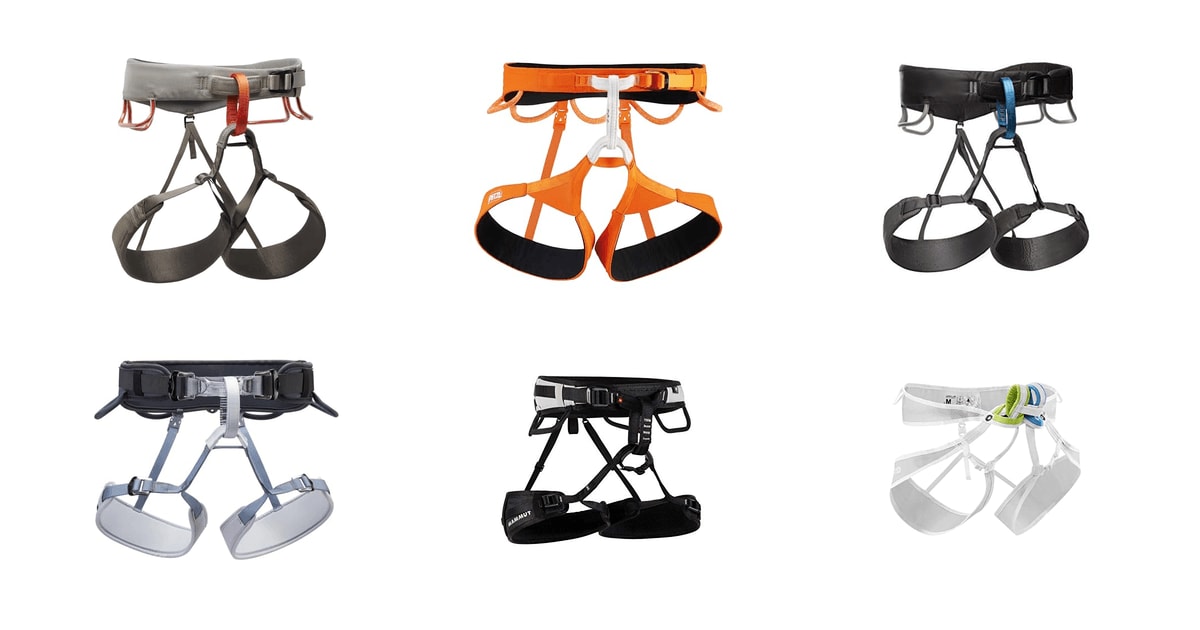
A harness is the piece of gear you notice least when it's right and constantly when it's wrong. You hang in it at the anchor. You sit in it while your partner works a move, and you wear it for hours between climbs. A good one spreads your weight across your hips instead of pinching one spot, and it keeps your rack where your hand expects to find it. That last part matters more than it sounds when you're pumped and reaching blindly for the right cam.
No harness does all of this well at once. Padding that feels great after twenty minutes of hanging adds bulk and grams you'll feel on a long approach. Gear loops stiff enough to hold a full trad rack fight with a pack's hipbelt. Fully adjustable leg loops let you climb in winter layers, but they add buckles you don't need at the gym. Every harness here trades one of those things against another, so the right pick depends on the climbing you actually do.
Most people are better off with a versatile harness than a specialized one. If you sport climb, sneak in a few trad days, take a mountaineering course and belay a lot, one well-fitting all-rounder covers all of it. And fit beats the badge on the waistbelt every time: the belt should sit above your hip bones, with about a fist of slack when it's snug. We think that the Petzl Corax is the best rock climbing harness for most people, and that the Black Diamond Momentum is the one to buy if it's your first harness and you'd rather not spend much.
Everything we recommend

Fits nearly any body, at the cost of some extra weight

An easy, forgiving first harness with basic adjustment

Lighter and slimmer, if you can give up some padding

One-handed waist adjustment for days your layers change
At a glance
| Product | Weight | Gear Loops | Price | |
|---|---|---|---|---|
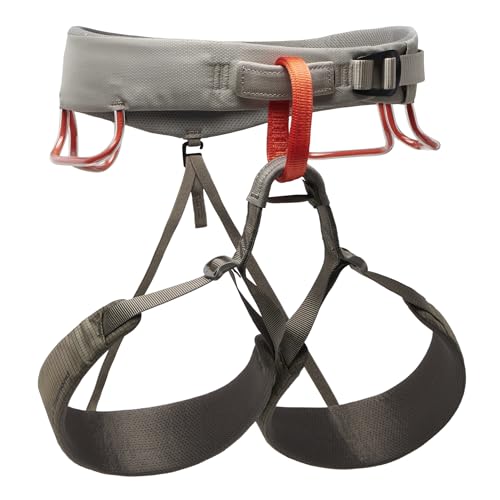 | BLACK DIAMOND Men's Momentum HarnessAlso in lineup | 0.77 lb | — | $74.95 |
| Petzl HIRUNDOS Rock Climbing Harness - Orange-MediumUpgrade pick | 0.68 lb | 4 Gear Loops | $124.95 |
| BLACK DIAMOND Men's Momentum HarnessBudget pick | 0.66 lb | — | $74.88 |
| Petzl CORAX Rock Climbing Harness - DarkTop pick | — | 4 Gear Loops | $79.95 |
| Mammut Ophir 3 Slide Climbing Harness forAlso great | — | — | $69.95 |
 | EDELRID Loopo Lite Harness - Light GreyAlso consider | 0.4 lb | — | $89.95 |
How we picked
Certification first. We only considered harnesses certified to CE EN 12277, the European standard that requires a belay loop to hold at least 15kN and the combined waistbelt and leg loop system to hold 10kN. Anything without it was off the list immediately.
Fit range. We compared published waist and leg measurements to see how much of the population each model actually covers. Harnesses with two-sided waist adjustment or fully adjustable leg loops scored higher, since they keep the tie-in points centered and work across layers.
Gear loops. We looked at loop count, placement and stiffness against how each harness is meant to be used. Four rigid loops is the sport standard, while trad-leaning racks want more capacity and enough rigidity that a loaded loop doesn't rotate.
Weight versus padding. We weighed manufacturer specs against what reviewers and owners say about all-day comfort. A mid-range harness typically runs 350 to 400 grams, and we wanted to know what each model gave up to come in under that.
Wear and longevity. We read owner feedback for patterns around belay loop wear, buckle slip and stitching after a season or more of use, and we checked each brand's published care and retirement guidance.
Top pick
Fits nearly any body, at the cost of some extra weight
Petzl CORAX Rock Climbing Harness - Dark
The Corax is the harness most climbing programs hand out, and for good reason. Two waistbelt buckles keep your tie-in points centered no matter your shape, the leg loops open wide for winter layers, and the padding holds up through long belays.
$79.95fromAmazonThe Corax fits more bodies than anything else here. Petzl lists a waist range of 60 to 115 centimeters across the model, the widest single-model span in its harness lineup, which is exactly why guide services and rental programs buy them by the crate. If you're between sizes, built with big quads, or shopping for a harness that a growing teenager won't outgrow in a season, this is the safe bet.
The two DoubleBack buckles are the quiet star. Most harnesses adjust from one side, so cinching down pulls your belay loop off center and drags the gear loops around with it. With a buckle on each hip, you can even things out in a few seconds. Owners bring this up constantly, and it's the difference between a rack that sits where you left it and one that creeps toward your back.
Four gear loops is enough for sport routes, alpine days and a light rack. Petzl makes the front two rigid so you can clip a draw one-handed without looking, and leaves the back two flexible so a pack's hipbelt doesn't shove them into your spine. The leg loops open all the way, which means you can pull the harness on over crampons or ski boots and tighten it down over a puffy.
Comfort holds up under a hanging belay. Petzl's FRAME construction pairs load-bearing webbing with a soft, breathable lining that spreads your weight between your waist and thighs, so you're not resting on a single edge of padding. Owner feedback skews heavily toward comfort during long top-rope sessions and multi-hour belays, which is where cheaper harnesses start digging in.
Flaws but not dealbreakers
It's the heaviest harness in this guide. On a single-pitch day you'll never notice, but if you're linking fifteen pitches or hiking three miles to the base, those grams add up in a way the lighter picks here avoid.
Four gear loops is the floor for trad. Rack a double set of cams, nuts, a nut tool, slings and a belay device, and you'll be stacking gear on top of gear. Climbers who mostly place pro should look for something with six loops.
Budget pick
An easy, forgiving first harness with basic adjustment
BLACK DIAMOND Men's Momentum Harness
The Momentum is the harness most people should start with. The waistbelt buckle comes pre-threaded so there's one less way to make a dangerous mistake, the padding is generous for what it costs, and the fit is forgiving enough to grow with you.
$74.88fromAmazonNothing about the Momentum is clever, and that's the point. The waistbelt uses a pre-threaded Speed Adjust buckle, so you pull one strap to tighten and you're done. There's no doubling the webbing back through, which is the single most common way climbers get a harness wrong. If you're new, or you're handing this to a kid, that matters more than any feature on this page.
It's the harness review sites keep landing on for first-time buyers. OutdoorGearLab's multi-year harness testing has repeatedly given the Momentum a near-perfect value score across review cycles, calling out its buckle system and four rigid gear loops as the reason it's the most recommended starter harness. That consistency across years of updates says more than any single review does.
The padding punches above its class. Black Diamond's Dual Core construction spreads weight across the belt instead of loading one strip, and owners who use it for long gym sessions, auto-belay laps and even mast work on a sailboat describe it as comfortable through hours of hanging. Bigger climbers report the fit is roomy rather than pinchy, which is not a given at this end of the market.
You also get four pressure-molded gear loops and a haul loop, which is a real sport rack plus a spot for your shoes or a tag line. That's enough for a full day of clipping bolts and enough for a light trad rack if you're careful about how you organize it.
Flaws but not dealbreakers
The leg loops use trakFIT sliders rather than buckles, so the adjustment range is narrow. You can dial them in over shorts and thin pants, but you won't fit them over winter layers or a bulky pair of ice pants. One owner shopping for a young teenager found the sizing wouldn't cinch down far enough, so check the size chart against the actual waist measurement rather than guessing.
The padding is good for the money, not luxurious. If you spend whole afternoons hanging and working a project, the thicker belts on the pricier harnesses here will feel noticeably better by hour three.
Upgrade pick
Lighter and slimmer, if you can give up some padding
Petzl HIRUNDOS Rock Climbing Harness - Orange-Medium
The Hirundos is what you buy when the harness starts getting in your way. It's noticeably lighter and slimmer than the Corax, the leg loops stretch with your legs instead of binding, and the tie-in points are reinforced for climbers who take a lot of falls.
$124.95fromAmazonWeight is the honest reason to move up. Industry weight data puts a typical mid-range all-purpose harness in the 350 to 400 gram range, while dedicated lightweight sport harnesses sit closer to 230 to 280 grams. The Hirundos lands in that lighter band. Over fifteen or twenty pitches, or on a hot approach with a rack on your back, you feel that difference in a way a spec sheet doesn't convey.
Petzl builds the waistbelt around a frame instead of flat webbing. The company's technical documentation describes this construction as spreading fall forces across the hip region rather than concentrating them at a few points, and the FUSEFRAME closed-cell foam is meant to keep that shape rather than pack out over years of use. In practice, the belt stays thin without folding into a strap when you weight it.
The details are aimed at people who fall a lot. The tie-in points are reinforced with HMPE, which resists rope friction better than nylon at the spot that wears first. The two front gear loops are large and rigid, so grabbing a draw mid-clip is one motion. Smooth-seamed edges and a moisture-wicking liner keep the belt from chafing on hot, sweaty days at the crag.
It still covers more than sport. Four gear loops, a rear center loop and an accessory loop give you enough organization for a light rack and a multi-pitch kit, so this isn't a single-purpose redpoint harness. It just leans that way.
Flaws but not dealbreakers
The leg loops are elasticized rather than adjustable, so sizing has to be right the first time. There's no cinching them over a hardshell in the cold, and if you're between sizes you're stuck picking a side.
Less padding is the deal you're making. For hanging belays and long projecting sessions, the thicker-belted harnesses here are more comfortable, and you'll notice that on a low-angle rest day more than on a hard route.
It's a smaller-selling model with a thinner body of owner feedback than the Corax or the Momentum, so there's less accumulated real-world reporting to lean on.
Also great
One-handed waist adjustment for days your layers change
Mammut Ophir 3 Slide Climbing Harness for
The Ophir 3 Slide solves a specific annoyance: getting the waistbelt right when you're already tied in and your layers keep changing. The Slide Bloc buckles let you snug or loosen the belt with one hand, without unthreading anything.
$69.95fromAmazonThe buckles are the whole reason to pick this one. Climbing Magazine's harness roundup singled out the Ophir 3 Slide's slide-adjust system as one of the most practical ideas in mid-range harnesses, because you can micro-adjust the waistbelt one-handed while you're on belay. Start a multi-pitch route in a puffy, shed it at the sunny belay, and you retighten in about two seconds instead of fiddling with webbing.
The rest of the harness is built for wear rather than flash. Mammut uses a two-part webbing construction with a dedicated abrasion guard, plus a synthetic tie-in loop, and owners who load it with ascending and rappelling hardware report it stays comfortable without rubbing or pressing in odd places. The belay loop's wear indicator is a small thing that makes retirement decisions less of a guess.
Adjustable leg loops round it out, so this works for a summer crag day and an early-season alpine route in the same season. If you climb across seasons and hate re-rigging your fit every time your clothing changes, this is the harness that gets out of your way.
Flaws but not dealbreakers
Sizing runs small. Multiple owners report ordering their usual size and finding it too tight, so measure your waist and go by the chart, not by the shirt size you normally wear.
The adjustment system isn't universally loved. Some owners find the buckles fussier to work than a standard doubled-back setup, particularly with gloves or cold hands, and prefer the simplicity of a conventional buckle.
Who this is for
This guide is for climbers buying their own harness for sport, trad, gym and general multi-pitch use. That covers most people: you're moving off rental gear, or your current harness is aging out and you want something that handles bolts, gear and belaying without owning three of them. If you're shopping for someone else, the harnesses here with two-sided waist adjustment and adjustable leg loops are the forgiving choices, because they cover the widest range of bodies and layering.
A few people should look elsewhere. If you climb ice or ski all winter, you want leg loops that open fully over boots, and the fixed-leg models here won't do it. Dedicated big-wall climbers need far more padding and haul capacity than any of these offer, and canyoneering and caving harnesses are built to a different standard entirely. We also didn't cover kids' full-body harnesses, which is a separate fit problem. And if you're mostly racking a double set of cams, look for a harness with six gear loops, including drop-down loops for bulky pieces — nothing in this lineup goes past four.
How we picked
We started from the safety floor and worked up. Certification: every harness here meets CE EN 12277, which sets minimum static loads of 15kN on the belay loop and 10kN on the combined waistbelt and leg loop system. Fit: we favored models with two-sided waistbelt adjustment and adjustable leg loops, since they keep your tie-in points centered and work over layers. Gear loops: we checked count, stiffness and placement against sport and trad racking needs, since a soft loop rotates under a heavy rack. Weight: we compared published specs against the 350 to 400 gram mid-range average, and asked what each lighter model gave up to get there. Durability: we looked for recurring owner reports of belay loop wear, buckle slip or stitching problems, and cross-checked each brand's care and retirement guidance.
Other rock climbing harnesses worth considering
If you want the lightest thing that's still a real harness: The EDELRID Loopo Lite Harness - Light Grey ($89.95) — The Edelrid Loopo Lite is built for alpine starts and long approaches, where every gram you carry gets carried a long way. Edelrid's Light Frame construction and Dyneema gear loops and binding put it well under the 350 to 400 grams a typical mid-range harness weighs, and the reflective tie-in loops are a genuinely useful touch when you're racking up in the dark. What you give up is obvious the moment you hang in it: there's far less padding than the Corax or the Momentum, so this is a harness for moving, not for projecting. Save it for the days when the walking matters more than the hanging.
The competition
This is what our research surfaced, not a map of everything on the market. Harness lineups turn over slowly, but colorways and size runs change constantly, so a model you've read about may show up under a slightly different listing than the one below.
The BLACK DIAMOND Men's Momentum Harness ($74.95) — This is the same Black Diamond Momentum as our budget pick, just in the Moonstone colorway instead of Anthracite. The construction, buckles, gear loops and sizing are identical, so pick whichever color you'd rather look at and whichever size run matches your waist. The Anthracite listing has accumulated far more owner feedback, which is the only reason we pointed at it first — if this one is the color you want, you're not giving anything up.
Care, inspection and retirement
Black Diamond, Petzl and Mammut all publish the same basic rule: retire a harness ten years from its manufacture date no matter how lightly you've used it, and retire it immediately if you see damaged stitching, frayed webbing or a bent or cracked buckle. In practice, hard use gets there much sooner. Check the belay loop and tie-in points every time you gear up, since those wear first, and run your fingers around the inside of the waistbelt where grit collects. Rock and Ice's gear safety analysis found that the overwhelming majority of harness-related accidents come from improper buckle threading or a skipped pre-climb check, not from material failure. So the partner check is the real safety feature. Store your harness out of sunlight, keep it away from solvents and battery acid, and hand wash it in lukewarm water with mild soap when it gets grimy.
Questions we get
What's the difference between a sport harness and a trad harness?
It mostly comes down to gear loops and stiffness. As REI's buying guide explains, trad harnesses typically carry four to six rigid loops so a heavy rack doesn't rotate them around your waist, while sport harnesses stick to four loops and put the emphasis on softer padding for long hangs. Trad harnesses also tend to have wider, stiffer waistbelts to carry the load.
Do I actually need separate harnesses for sport and trad?
For most climbers, no. One versatile harness with four solid gear loops covers bolts, a light rack and a full day of belaying just fine. You'd want a dedicated trad harness once you're racking a double set of cams plus nuts and slings, because four loops gets crowded fast and a crowded rack costs you time on the sharp end.
How should a climbing harness fit?
The waistbelt goes above your hip bones, not around your waist like a pair of pants, and it should be tight enough that you can't pull it down over your hips. When it's fully snug, you want about a fist-width of slack left in the adjustment. Leg loops should let you slide a flat hand between the loop and your thigh, no more.
How long does a harness last before I should replace it?
The major manufacturers converge on ten years from the manufacture date as an absolute ceiling, regardless of how often you climb. Retire it sooner — immediately — if you find damaged stitching, fuzzy or cut webbing, or a buckle that's bent or won't hold. Heavy weekly use will get you there well before the ten-year mark.
Can I use a gym harness outdoors?
If it's CE EN 12277 certified and in good shape, yes. The standard doesn't distinguish between indoor and outdoor use. What changes outdoors is what you're carrying and how long you're out, so a harness with only minimal gear loops or thin padding will feel limiting on a long day at the crag even though it's perfectly safe.
Are expensive harnesses safer than cheap ones?
No. Every harness sold for climbing has to clear the same CE EN 12277 thresholds, which include holding at least 15kN on the belay loop. What you buy with more money is lighter materials, better padding, more gear loops and nicer adjustment. Fit and a proper pre-climb check do far more for your safety than the price on the tag.
Why you should trust us
For this guide:
- We read manufacturer specifications and care guides from Black Diamond, Petzl, Mammut and Edelrid, along with the CE EN 12277 load requirements published by the UIAA Safety Commission.
- We compared published reviews and roundups from OutdoorGearLab, Climbing Magazine, Rock and Ice and REI's buying guide, plus weight data from WeighMyRack, to see which models reviewers keep returning to.
- We read through owner feedback for each harness to find recurring themes around sizing, buckle behavior and long-term wear.
- We read owner reviews on every listing, weighted toward the critical ones, because that is where the recurring failures show up.
- We have a systematic way of automatically fetching the latest prices, so the numbers on this page stay current.
- This is a research-focused guide, so the team may not own every product listed — though we often do own the top winners, which gives us extra context for the recommendations.
- We don't accept free products, and the retailer commission never changes which product we recommend.
Sources
Best Climbing Harnesses of 2026 — OutdoorGearLab, OutdoorGearLab
How to Choose a Climbing Harness — REI Expert Advice, REI
Best Climbing Harnesses — Climbing Magazine, Climbing Magazine
Harness Safety Standards — UIAA Safety Commission, UIAA
Rock Climbing Harness Reviews — Rock and Ice Magazine, Rock and Ice Magazine
Harness Weight & Specs Comparison Database — WeighMyRack, WeighMyRack
Best Trad Climbing Harnesses — 99Boulders, 99Boulders
How to Choose a Climbing Harness — Black Diamond Equipment, Black Diamond Equipment
Petzl Harness Technical Specifications & Product Line — Petzl Official, Petzl
CE EN 12277 Harnesses Standard Overview — European Committee for Standardization, CEN (European Committee for Standardization)
Global Climbing Equipment Market Report 2025–2030 — Grand View Research, Grand View Research
Amazon product listings and owner reviews for all 6 products
Manufacturer specification pages for each product
Some passages in this guide may be paraphrased with AI help. Prices are refreshed automatically.
More like this.
Continue exploring lifestyle reviews and recommendations.

The Best Nursery Gliders and Rocking Chairs
You'll spend more hours in this chair than you expect. Newborn feeds come every two or three hours, day and night, and a slow one can run 40 minutes.…

The Best Crampons For Ice Climbing And Mountaineering
Crampons are one of the few pieces of gear where the wrong choice isn't just annoying - it's dangerous. A good pair bites into hard blue ice, stays put on…

The Best Stair Climbers for Home Gyms
Stair climbing is brutally efficient, and your legs figure that out inside of two minutes. You're lifting your own body weight over and over, with no…

The Best Dog Car Harnesses and Seat Belts
Most of us drive with our dogs loose. An AAA survey found that 84% of dog owners bring their dogs along, but only 16% use any restraint at all. That's a…

The Best Dog Harnesses and Leashes
You clip a harness onto your dog more often than you use almost anything else you own for them. That's why the small annoyances matter so much. A strap…

The Best No-Pull Dog Harnesses
A dog that pulls turns a walk into a workout. You brace, they lean, and by the third block your shoulder aches and nobody's having fun. A good no-pull…