The Best Sleeping Bags for Camping and Backpacking
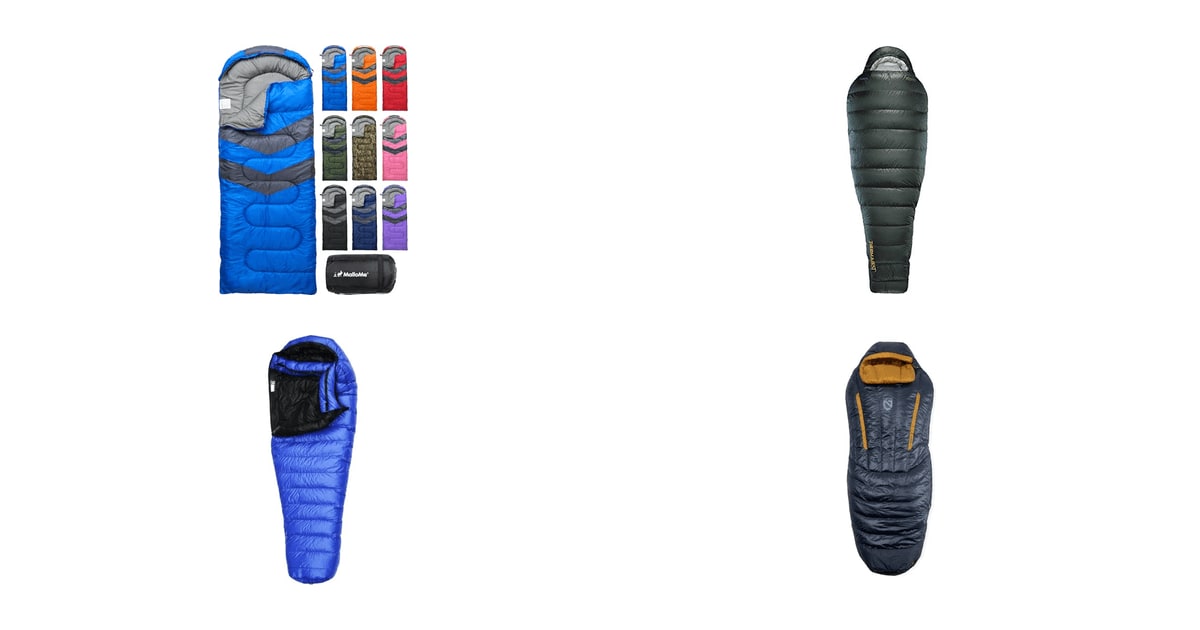
A sleeping bag is the one piece of camping gear you notice at 3 a.m. When it's right, you don't think about it at all. When it's wrong, you spend the night curled up, pulling the hood tighter, doing math about how many hours are left until sunrise. The bag that works for you depends on three things: how cold it actually gets where you camp, how much of that weight you have to carry, and whether you sleep flat on your back or twist around all night.
Here's the honest problem with the whole category. Temperature ratings are lab numbers, and they don't account for you. Two people in the same bag on the same night can have completely different experiences, which is why the standard lists both a comfort rating and a lower limit. Down complicates it further. It's the warmest insulation per ounce by a wide margin, and it turns into a wet clump of nothing if you soak it. No bag here solves that.
So the right choice depends on what your trips actually look like, not what you imagine them to be. If you carry your bag up a trail, weight and pack size dominate. If you drive to the site, comfort and cleanability matter more, and you can ignore ounces entirely. We think that the Therm-a-Rest Hyperion 32F is the best sleeping bag for camping and backpacking for most people, and that the MalloMe is the one to buy if you're car camping in mild weather or outfitting kids.
Everything we recommend

Barely-there weight and real down warmth, for mild nights

Warm-weather comfort for campgrounds, kids, and sleepovers

Buy-it-once build quality, if you can stomach the cost

Room to bend your knees and roll over, at a weight penalty
At a glance
| Product | Temp Rating | Weight | Price | |
|---|---|---|---|---|
| MalloMe Sleeping Bags for Adults Cold WeatherBudget pick | 50-77°F | — | $25.99 |
| Therm-a-Rest Boost 650 32F/0C Down Sleeping BagTop pick | 32°F | 18 oz | $299.95 |
| Western Mountaineering Ultralite 20 Degree Sleeping BagUpgrade pick | 20°F | 1 lbs. 13 oz. | $680 |
| NEMO Equipment Disco Men's & Women's EndlessAlso great | 15°F | — | $329.95 |
 | BUERTS Down Sleeping Bag for Adults ColdAlso in lineup | 30℉ to 9℉ | 2.62 lbs | $165 |
How we picked
Honest temperature ratings. We favored bags whose stated ratings follow the EN/ISO standard or come from a manufacturer with a long record, since ratings from unknown brands often run optimistic. Where a listing didn't say, we treated the number as a rough guide and said so.
Warmth per ounce. Fill power is the shorthand: higher numbers mean more loft from less down. We compared published fill powers and total weights so you can see what the rating actually costs you to carry.
Wet-weather behavior. Down loses most of its insulating value when it's soaked, so we noted which bags use hydrophobic treatment and which don't. Published reviews and owner reports agree that treatment buys time, not immunity.
Fit and sleeping style. Owner feedback across the category keeps circling back to fit — bags too snug for side sleepers, or so slick you slide off your pad. We weighted shape, girth and pad attachment more heavily than the spec sheets do.
Longevity and repair. A bag that lasts fifteen years is a different purchase than one that lasts three. We looked for owner reports on loft retention over time and on whether the maker will repair a bag rather than sell you a new one.
Top pick
Barely-there weight and real down warmth, for mild nights
Therm-a-Rest Boost 650 32F/0C Down Sleeping Bag
The Hyperion is a genuine ultralight down bag from a company that's been making sleep systems for decades. The long size weighs 18 ounces and packs to roughly 5.5 by 6 inches, which means it disappears into a pack instead of dictating what size pack you buy.
$299.95fromAmazonThe weight is the whole point, and the numbers hold up. Eighteen ounces in the long size, which fits people up to six foot six. It squashes into a space about the size of a softball, so it lives in a top lid or the bottom of a 40-liter pack without crowding out food and layers. If you've ever repacked a bag three times at a trailhead, you'll appreciate what that space buys you.
That low weight comes from 900-fill Nikwax Hydrophobic Down, which is about as lofty as down gets in a production bag. High fill power means less material for the same warmth. The hydrophobic treatment helps the down shed moisture and hold loft longer when things get damp, which matters on humid nights and in a tent full of condensation. It isn't waterproofing. It's a delay.
Box baffles keep the down in place rather than letting it drift to one side of the bag and leave you with a cold stripe down your ribs. There are also SynergyLink connectors, which strap the bag to your sleeping pad. That sounds like a small thing until you camp on any kind of slope, where a slick ultralight bag will happily slide off the pad and take you with it.
It's rated to 32°F, and you should read that as a floor rather than a cushion. Owners who use it for three-season trips describe it as reliably cozy well into the 40s and workable colder with a base layer and a warm pad. Push it below freezing and you're relying on everything else in your system going right. That's a fair trade for the weight, but it's a trade.
Flaws but not dealbreakers
The shell is slippery. Owners consistently mention sliding around inside it and off their pads, and adjusting position through the night on anything less than dead-flat ground. The pad connectors help, but they don't fully fix it. If you're a restless sleeper, this is the thing most likely to annoy you.
The zipper and draft tube also draw criticism from owners, who report snagging and drafts sneaking in along the zip on cold nights. And the fabric is thin by design, so this isn't the bag to drag across granite or unroll on pine duff without a groundsheet. Treat it gently and it'll last; treat it like a rental and it won't.
Budget pick
Warm-weather comfort for campgrounds, kids, and sleepovers
MalloMe Sleeping Bags for Adults Cold Weather
The MalloMe is a simple, inexpensive bag rated for roughly 50°F to 77°F, and it's the one people buy in fours for a family. It weighs about three pounds, fits a six-foot adult, and wipes clean with a damp cloth or goes in the washing machine.
$25.99fromAmazonMost camping isn't cold. If your trips are summer weekends at a state park or a backyard sleepover, a 15°F mountaineering bag is a lot of money and bulk you'll never use. This bag is built for the mild end of the range, and owners who take it to campgrounds in shoulder-season weather report staying warm through the night without fuss.
The details are better than the price suggests. The zippers are double-sided, so you can vent from the foot end without opening the whole bag. There's a drawstring at the head you can cinch when the temperature drops, and the outer shell is water-resistant enough to shrug off dew and a spilled water bottle. It ships with a compression sack, which is more than some pricier bags include.
It's also the easiest bag here to live with. You can machine wash it, which you cannot casually do with a down bag, and that matters if kids are involved. Sand, marshmallow, dog — it all comes out. Owners buying multiples for grandkids single out the cleanability and the fact that the zippers keep working after a season of rough handling.
At about three pounds it's too heavy for serious backpacking, but it's fine for a short walk-in site or a canoe trip where weight is negotiable. Think of it as a car camping bag that can occasionally be carried, not a backpacking bag that can occasionally be driven.
Flaws but not dealbreakers
The temperature range is the real limit. A bag rated to about 50°F isn't going to keep you comfortable on a 35°F night in the mountains, no matter how many layers you wear. If your camping calendar includes spring and fall at elevation, this isn't enough bag.
The listing also doesn't say what the fill is or whether the rating follows the EN/ISO standard, so you can't compare its number directly against the Hyperion's or the Disco's. Assume it's optimistic and plan a margin. And at nearly three pounds it takes up real space in a pack that a down bag wouldn't.
Upgrade pick
Buy-it-once build quality, if you can stomach the cost
Western Mountaineering Ultralite 20 Degree Sleeping Bag
The Ultralite 20 is a 20°F bag with 16 ounces of 850-plus fill goose down and five inches of loft, and it weighs one pound thirteen ounces. It's the bag people keep for fifteen years and then send back for a zipper repair rather than replacing.
$680fromAmazonLongevity is the argument here, and owner reports back it up. People describe using this bag for well over a decade, hundreds of nights, with loft that still looks close to new. One owner sent theirs in after a damaged zipper and got it back repaired. That's the kind of feedback you almost never see in this category, and it changes how you should think about the cost.
The construction explains a lot of it. Continuous baffles wrap around the bag from zipper to zipper, so you can shift down toward the top on a cold night or toward the bottom when it's warmer. A full down collar and an insulated draft tube seal the gap where heat escapes fastest in a mummy bag. The full-length #5 YKK zipper is heavier duty than what you'll find on ultralight bags.
The 20-denier nylon shell is soft and quiet rather than crinkly, which sounds like a luxury until you spend a restless night listening to your own bag rustle. It's also more forgiving of campsite abrasion than a 10-denier ultralight fabric. At one pound thirteen ounces it's heavier than the Hyperion, but it's a full temperature class warmer, and the shoulder and foot girth give you more room to move.
This is the pick if you camp a lot and buy gear rarely. If you're out ten nights a year and your trips are mild, you won't use what you're paying for. If you're out fifty nights a year in the Rockies or the Sierra, the math flips fast.
Flaws but not dealbreakers
The down isn't hydrophobically treated, which is a deliberate choice by the company but still a real vulnerability. In sustained rain or on a soggy coastal trip, this bag needs more careful protection than the Hyperion or the Disco. Use a dry bag inside your pack and don't improvise.
It's also the most expensive bag here by a wide margin, and it's sold in specific length and zipper-hand combinations, so you need to pay attention when ordering. The listed version is a six-foot, left-zip bag. Getting the wrong hand is an easy and irritating mistake to make.
Also great
Room to bend your knees and roll over, at a weight penalty
NEMO Equipment Disco Men's & Women's Endless
The Disco uses NEMO's spoon shape, which adds width at the elbows and knees so side sleepers can actually curl up. It's rated to 15°F, uses RDS-certified hydrophobic down, and NEMO commits to recycling or repairing it at the end of its life.
$329.95fromAmazonMost mummy bags are designed around a person lying flat on their back with their toes pointed at the sky. Plenty of people don't sleep that way. If you're a side sleeper, you already know the feeling of a bag pinning your knees together and twisting around your hips every time you turn over. The spoon cut adds width exactly where that pressure builds.
The venting is the other reason to want this bag. Thermo Gill vents let you dump heat through a multistage zipper without opening the bag and losing everything at once. The Blanket Fold at the top works as an oversized draft collar you can tuck under your chin on a cold night or fold back when you're warm. It's a bag you can tune instead of just zipping and hoping.
It's rated to 15°F, the coldest rating in this lineup, so it covers more of the shoulder season than the Hyperion does. The down is PFAS-free, hydrophobically treated and certified to the Responsible Down Standard. If sourcing matters to you, this and the Western Mountaineering bag are the two here with that certification stated outright.
The Endless Promise part is genuine rather than decorative: NEMO designs these for full recyclability and takes the bag back at end of life. Whether that's worth anything to you is personal. It's worth noting that the alternative for most bags is a landfill.
Flaws but not dealbreakers
The fill is 650 fill power, which is meaningfully lower than the 850-plus in the Western Mountaineering bag or the 900 in the Hyperion. Lower fill power means more down by weight for the same warmth, so this bag is bulkier and heavier than the rating alone suggests. Combined with the wide cut, it's the least pack-friendly down bag here.
There's also very little owner feedback on this version yet, so we're leaning on the specifications and NEMO's track record with the Disco line rather than a deep pool of reports. And the wide regular size is genuinely wide — if you're slim and want thermal efficiency, the extra dead air works against you.
Who this is for
This guide is for people picking a bag for three-season camping and backpacking — roughly late spring through early fall, below treeline, in North America. If that's you, one of these four picks will cover your nights. Buy now if your current bag is a decade-old synthetic that no longer lofts, or if you're about to carry a three-pound bag up a mountain for the first time and dreading it. Hold off if you camp twice a year at a warm campground and already own something that works.
We don't cover true winter or expedition bags here, and nothing in this lineup is rated for sustained sub-zero nights. We also don't cover quilts, which are lighter but require technique most beginners haven't built yet. And whatever bag you choose, your sleeping pad does at least as much work as the bag does — a warm bag on a thin pad will still leave you cold from underneath.
How we picked
We compared these bags on the things that decide whether you sleep. Temperature rating: we trusted standardized or long-established ratings and flagged the ones we couldn't verify. Warmth per ounce: fill power and total weight together, since one without the other tells you nothing. Wet performance: whether the down is hydrophobically treated, and how much that realistically buys you. Fit: girth, shape and pad attachment, because owner complaints in this category are overwhelmingly about fit rather than warmth. Durability and repair: shell denier, zipper quality, and whether owners report bags still lofting after a decade.
The competition
This is what our research surfaced in this lineup, not a survey of everything on the market. Plenty of good bags from Marmot, Feathered Friends, Sea to Summit and REI's own line aren't here. The bag below is worth knowing about, but it didn't earn a pick.
The BUERTS Down Sleeping Bag for Adults Cold ($165) — The BUERTS is a mummy-style down bag with 1.43 pounds of RDS-certified 680-fill down, a 20-denier nylon shell, and a claimed comfortable range down to 30°F. It compresses to about 7.5 by 14 inches and comes with both a compression sack and a mesh storage bag, which is the right pair to include. There's an inner pocket for a phone, and it zips to a second bag to make a double. The problem is confidence. The 680 fill power is the lowest here among the down bags, the temperature claims go well below what the fill and weight suggest, and there's no EN/ISO certification stated. The handful of owner reports are enthusiastic — light, warm, smooth zipper — but there's no long-term record to lean on. If you want a lot of down for less money and you're willing to treat the rating as optimistic, it's a reasonable gamble. For a trip where being cold is a safety problem, buy a bag with a rating you can verify.
Care and storage
The fastest way to ruin a down bag is to leave it stuffed in its compression sack between trips. Compressed down loses loft permanently, so store it loose in the big mesh or cotton sack it came with, hung up or under a bed. Wash it every thirty to fifty nights of use with a down-specific detergent — regular laundry soap strips the natural oils. Dry it fully on low heat with a couple of clean tennis balls to break up the clumps, and give it more time than you think it needs, because down that feels dry on the outside often isn't. Never store it even slightly damp. The MalloMe is the exception to most of this: it's built to go straight in the washing machine and wipe clean with a damp cloth.
Questions we get
What temperature rating do I need for three-season backpacking?
For most of North America from late spring through early fall, a comfort rating around 20°F to 25°F covers you with margin for a surprise cold snap. A 15°F bag like the NEMO Disco gives you more room for high-altitude trips or late-season nights in the Rockies. A 32°F bag like the Hyperion works if you stick to lower elevations in midsummer and pair it with a base layer and a warm pad.
What's the difference between the comfort rating and the lower limit?
Under the EN/ISO standard, the comfort rating is the temperature at which a standard female test subject sleeps comfortably lying relaxed. The lower limit is where a standard male test subject, curled up, can sleep six hours without waking from cold. The gap between them is usually around ten degrees. Marketing tends to quote the lower number, so buy to the comfort rating if you run cold.
Is a 20°F bag too warm for summer?
Not really — you just unzip it to vent, which is what the full-length zippers and the Disco's Thermo Gill vents are for. The real cost of an over-rated bag in summer is weight and bulk you're carrying for nothing. Match the bag to your coldest expected night, not your average one. Being slightly too warm is an annoyance; being too cold is a safety issue.
Can I use a down bag in wet weather?
Yes, with precautions. Hydrophobic treatments like the Nikwax down in the Hyperion or the treated down in the Disco slow moisture absorption considerably, but no down bag is waterproof. Keep it in a dry bag or waterproof stuff sack inside your pack, and add a pack liner as a second layer. A fully soaked down bag takes hours to dry, which usually isn't possible mid-trip — if you camp somewhere reliably wet, synthetic insulation is the more pragmatic choice.
Are quilts better than mummy bags?
They're different tools. A quilt drops the insulation underneath you, which gets crushed flat by your body weight and does almost nothing anyway, and leans entirely on your sleeping pad for ground insulation. That can cut a lot of weight. But quilts leak drafts around the edges if you don't secure them properly to your pad, and that takes practice. Mummy bags are more forgiving if you're new to this.
How long should a good down bag last?
With proper storage and occasional washing, fifteen to twenty-five years is realistic from a well-made down bag. Owners of the Western Mountaineering Ultralite routinely report a decade or more of heavy use with loft close to original. The things that shorten a bag's life are storing it compressed, storing it damp, and washing it with the wrong detergent. All three are avoidable.
Why you should trust us
For this guide:
- We read the manufacturer specifications and listing details for every bag here, including fill power, stated temperature ratings, shell denier, weights and packed sizes.
- We compared those specs against published reviews and buying guides for the category, and against the EN/ISO framework that defines comfort and lower-limit ratings.
- We read owner feedback across all five bags to find the failure modes spec sheets don't mention, like slippery shells, zipper snags and ratings that run optimistic.
- We read owner reviews on every listing, weighted toward the critical ones, because that is where the recurring failures show up.
- We have a systematic way of automatically fetching the latest prices, so the numbers on this page stay current.
- This is a research-focused guide, so the team may not own every product listed — though we often do own the top winners, which gives us extra context for the recommendations.
- We don't accept free products, and the retailer commission never changes which product we recommend.
Sources
Best Sleeping Bags of 2026, OutdoorGearLab
Best Backpacking Sleeping Bags, Switchback Travel
Best Camping Sleeping Bags, Wirecutter
Sleeping Bag Buying Guide, REI Expert Advice
Understanding Sleeping Bag Temperature Ratings, REI Expert Advice
Best Sleeping Bags, Backpacker Magazine
Best Sleeping Bags 2026, GearJunkie
Best Ultralight Sleeping Bags for Thru-Hiking, The Trek
Amazon product listings and owner reviews for all 5 products
Manufacturer specification pages for each product
Some passages in this guide may be paraphrased with AI help. Prices are refreshed automatically.
More like this.
Continue exploring lifestyle reviews and recommendations.

The Best Disc Golf Bags and Backpacks
A disc golf bag is the one piece of gear you touch on every single hole. You'll sling it on and off two dozen times a round, dig through it for a putter…

The Best Gym Bags And Workout Backpacks
A gym bag spends its life getting abused. You stuff damp clothes into it, drop it on a locker room floor, sling it over one shoulder on a crowded train,…

The Best Insulated Lunch Bags for Work
A lunch bag has one job: keep your food at a safe temperature until you actually get to eat it. Everything else - pockets, straps, a clip that hooks onto…

The Best Duffel Bags for Travel and Weekenders
A duffel is the bag you grab when a suitcase feels like too much. Three days at a friend's place, a Friday flight straight from the office, a weekend at…

The Best Bug Out Bags
A bug out bag is the part of your emergency kit that leaves the house with you. The power's out for a week, the wildfire map shifts, the county says go - …

The Best Osprey Backpacks
A backpack is one of the few things you buy that has to fit you, not just hold your stuff. Get the torso length wrong and a loaded pack digs into your…